Have you ever noticed your cat spending hours grooming and wondered, “Why does my cat groom so much?” It’s natural to worry when your furry friend licks and cleans more than usual. But there’s more to this behavior than meets the eye.
Understanding why your cat grooms excessively can help you spot if something is wrong or simply normal. Keep reading to discover the surprising reasons behind your cat’s constant grooming and how you can keep your pet happy and healthy.

Credit: www.latimes.com
Normal Grooming Habits
Understanding your cat’s normal grooming habits can help you distinguish between healthy behavior and signs of stress or illness. Cats groom themselves regularly to stay clean, comfortable, and calm. This natural routine also plays a big role in how they interact with their environment and you.
Daily Grooming Routine
Your cat likely spends a good part of their day licking their fur and paws. This daily grooming helps remove dirt and loose hair, keeping their coat shiny and smooth. Have you noticed how your cat often pauses to clean their face or behind their ears? Those are common spots that need extra attention.
Some cats groom more than others depending on their personality, breed, and environment. Long-haired cats usually require longer grooming sessions, while short-haired cats can finish quickly. Pay attention to how often your cat grooms and what areas they focus on to understand their normal pattern.
Benefits Of Grooming
Grooming offers more than just cleanliness; it supports your cat’s overall well-being. When your cat grooms, it helps reduce stress and anxiety by releasing endorphins. This natural calming effect can be especially helpful after a stressful event like a vet visit or loud noises at home.
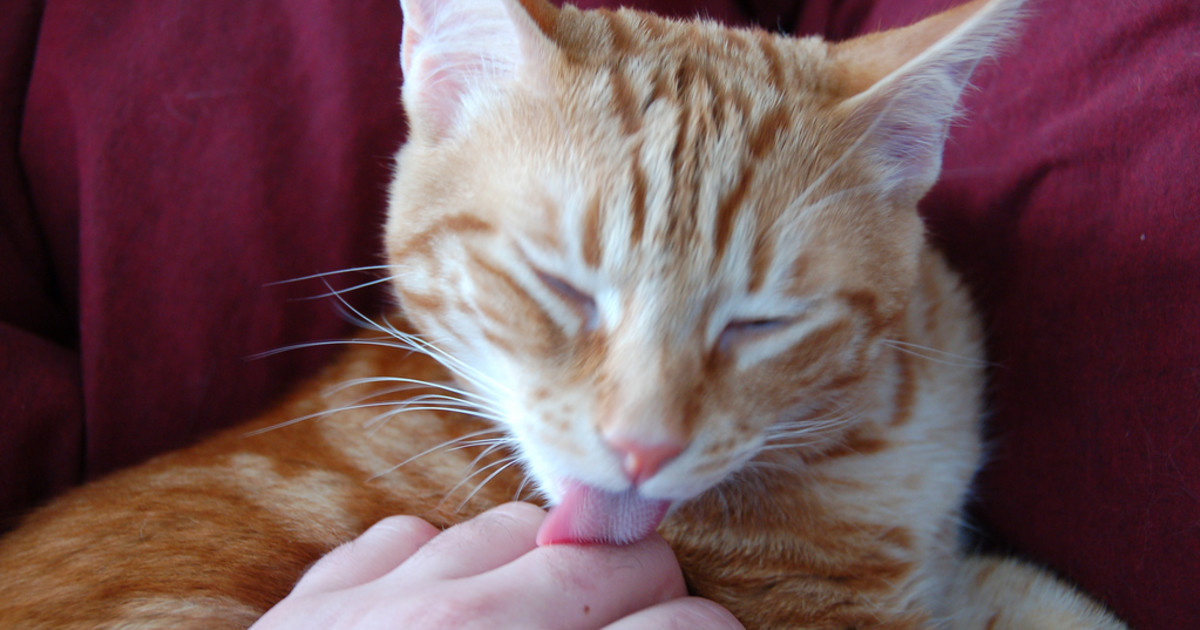
Additionally, grooming stimulates blood flow and helps regulate body temperature. It also strengthens the bond between cats when they groom each other, showing affection and trust. Have you noticed your cat licking you gently? This is their way of including you in their grooming ritual and showing love.
Credit: pethelpful.com
Stress And Anxiety
Stress and anxiety can significantly impact your cat’s behavior, especially when it comes to grooming. Cats often use grooming as a way to soothe themselves when they feel uneasy. But how can you tell if your cat’s grooming is a sign of stress rather than normal cleaning?
Signs Of Stress In Cats
Stress in cats doesn’t always look obvious. You might notice your cat:
- Hides more than usual or avoids interaction
- Shows changes in appetite or weight
- Exhibits restlessness or pacing
- Vocalizes excessively or becomes unusually quiet
- Displays sudden aggression or irritability
If you see these signs alongside excessive grooming, your cat may be trying to cope with anxiety.
How Stress Affects Grooming
Grooming normally helps cats stay clean and comfortable. But when stress takes over, grooming can become obsessive. Your cat might lick or chew the same spot repeatedly, causing bald patches or skin irritation.
I once had a cat who started over-grooming after we moved to a new home. It was her way of handling the unfamiliar environment and uncertainty. Noticing this helped me focus on creating a calmer space for her, which gradually reduced her grooming.
Ask yourself: is your cat grooming to feel good, or is it a sign they’re struggling? Observing the context and other behaviors can guide you to help your pet better.
Skin Problems
Excessive grooming in cats can signal skin problems like allergies or parasites. It may cause redness, hair loss, or sores that need attention. Watching your cat’s behavior helps catch issues early and keep their skin healthy.
Cats often groom themselves to maintain their coat and skin health. Excessive grooming, though, can signal underlying skin problems. Understanding these can help identify why your cat spends so much time grooming.Allergies And Irritations
Allergies can cause discomfort for your cat. Common allergens include pollen, dust, and certain foods. These allergens make your cat’s skin itchy. Your cat may groom more to relieve this itching. Look for red or inflamed skin. This can help identify an allergic reaction. Consulting a vet is crucial for proper diagnosis.Parasites And Infections
Parasites like fleas and ticks are common culprits. They irritate your cat’s skin, leading to more grooming. A flea infestation causes itching and discomfort. Watch for small, dark specks in your cat’s fur. These are often flea droppings. Skin infections also lead to excessive grooming. Bacterial or fungal infections can cause redness and sores. A vet can recommend treatments to address these issues.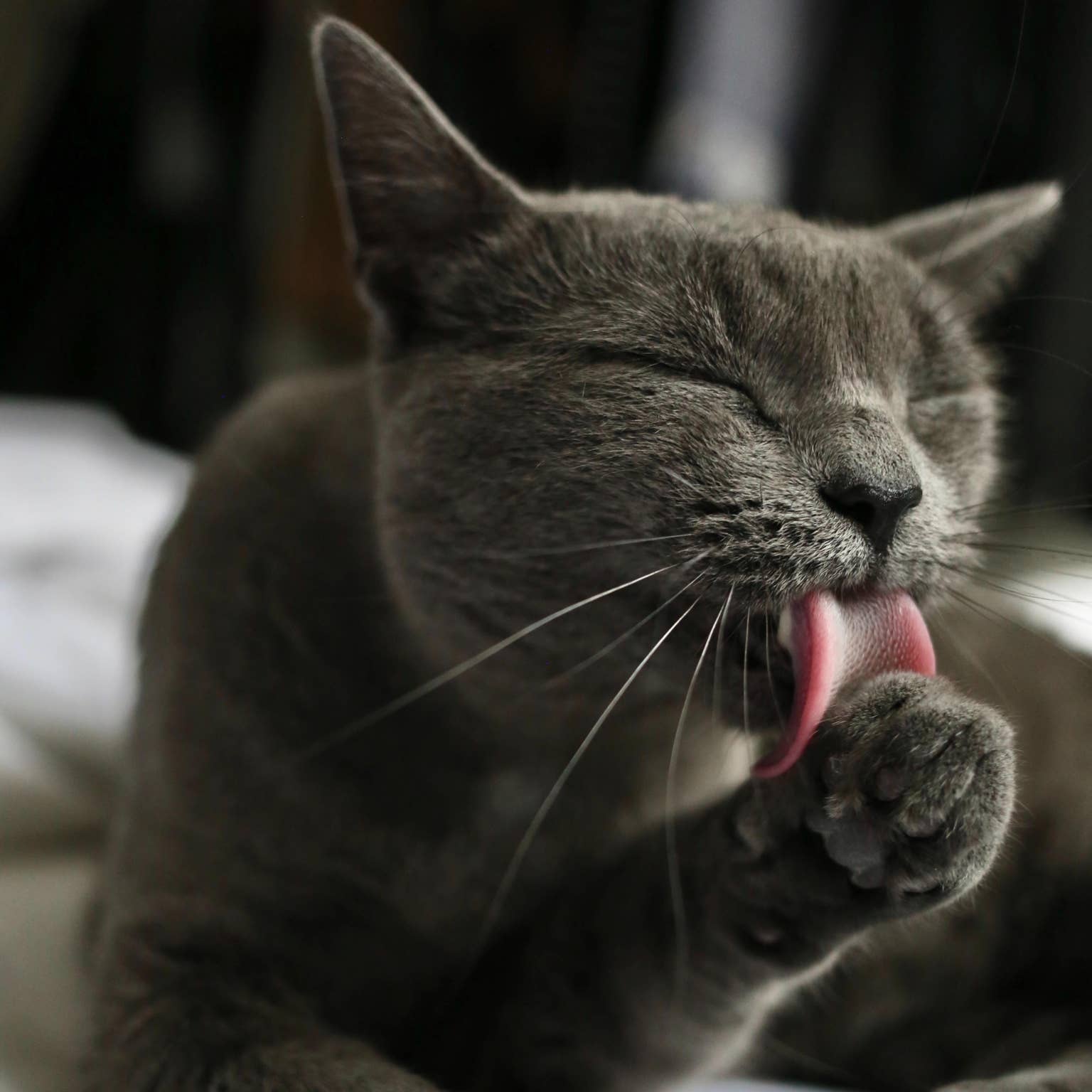
Credit: pethelpful.com
Medical Conditions
Excessive grooming in cats can sometimes signal underlying medical conditions. If your feline friend is spending too much time licking or biting their fur, it’s important to consider health issues that might be causing this behavior. Understanding these medical reasons can help you take the right steps to improve your cat’s well-being.
Hormonal Imbalances
Hormonal changes can affect your cat’s skin and coat, making them more prone to over-grooming. Conditions like hyperthyroidism or diabetes can cause itchiness or discomfort, prompting your cat to groom excessively. Have you noticed your cat suddenly grooming more after a change in diet or environment? This might be a sign that hormones are out of balance.
Checking hormone levels through a vet visit can clarify if this is the cause. Treatment can often reduce the grooming behavior and improve your cat’s comfort. Don’t ignore sudden changes; hormonal issues can develop quickly and need timely attention.
Pain And Discomfort
Your cat may groom excessively to soothe pain or irritation in a specific area. Arthritis, skin infections, or injuries can cause discomfort that leads your cat to lick or bite the affected spot repeatedly. When was the last time you inspected your cat’s skin for redness, swelling, or wounds?
Sometimes, grooming becomes a coping mechanism for pain. If your cat focuses on one spot, it’s a red flag. A vet exam can identify hidden problems and recommend pain relief or treatment that stops the over-grooming cycle.
Environmental Factors
Environmental factors play a significant role in why your cat might groom excessively. Changes around your cat’s living space or the time of year can influence their behavior and stress levels. Recognizing these influences helps you create a more comfortable environment for your furry friend.
Changes At Home
Have you recently moved furniture or brought new pets or people into your home? Such changes can unsettle your cat, making them groom more to calm their nerves. Grooming acts as a self-soothing ritual, so if your cat suddenly grooms a lot, think about recent shifts in their surroundings.
Also, consider noise levels. Loud or unfamiliar sounds may stress your cat, prompting extra grooming. You might notice your cat licking more when visitors arrive or during construction work nearby.
Seasonal Effects
Your cat’s grooming habits often change with the seasons. In warmer months, cats tend to groom more to cool down and remove loose fur. This is why you may find more hairballs or fur around the house during spring and summer.
Conversely, in colder seasons, cats might groom less or focus on thicker fur areas to keep warm. Are you noticing your cat’s grooming pattern shift as the weather changes? Adjusting their environment, like adding cozy beds or controlling indoor temperature, can help balance their grooming needs.
When To See A Vet
Knowing when to see a vet is important if your cat grooms too much. Excessive grooming can mean stress, allergies, or health issues. Early checkups catch problems before they get worse. Watch your cat closely for changes in behavior or skin condition. Trust your instincts; seeking help is better than waiting too long.
Warning Signs
- Bald patches or thinning fur
- Red, irritated, or bleeding skin
- Constant licking or biting at one spot
- Sudden change in grooming habits
- Excessive scratching or shaking of the head
- Scabs, sores, or crusts on the skin
- Signs of pain or discomfort
- Loss of appetite or lethargy
Preparing For The Visit
Note any changes in your cat’s grooming and behavior. Write down your observations to share with the vet. Bring a sample of shed fur or skin flakes if possible. Keep your cat calm and comfortable during the trip. Use a secure carrier to prevent escape. Ask the vet about treatment options and follow-up care. Early action helps your cat feel better faster.
Tips To Manage Excess Grooming
Excess grooming in cats can signal stress or skin problems. Managing this behavior helps keep your cat healthy and happy. Simple changes to your cat’s daily life can reduce over-grooming. Here are useful tips to calm your cat and improve their skin condition.
Reducing Stress
Stress is a common cause of over-grooming. Create a calm space for your cat to relax. Use soft bedding and quiet corners. Play gentle music or use pheromone diffusers to soothe them.
- Maintain a regular feeding and play schedule.
- Provide plenty of toys to keep your cat busy.
- Avoid sudden changes in the environment.
- Give your cat attention but respect their alone time.
Observe your cat’s behavior for signs of anxiety. Consult a vet if stress seems severe.
Improving Skin Health
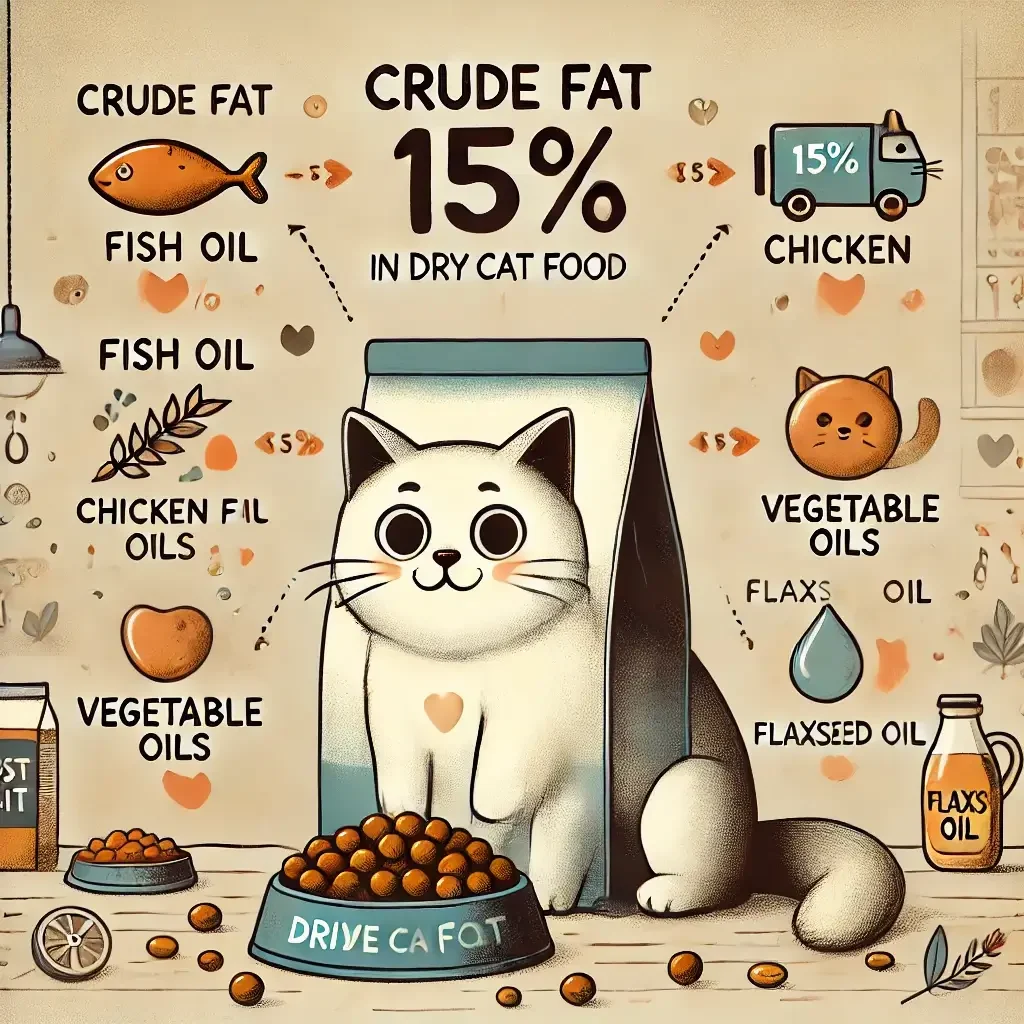
Healthy skin reduces the urge to over-groom. Feed your cat high-quality food rich in omega fatty acids. These help keep the skin soft and hydrated.
- Brush your cat regularly to remove loose fur.
- Check for fleas or allergies that irritate the skin.
- Keep your cat’s living area clean and dry.
- Use vet-recommended shampoos for skin care.
Visit the vet for skin infections or persistent itching. Early care prevents serious skin problems.
Frequently Asked Questions
Why Does My Cat Groom Excessively?
Cats groom to clean fur, reduce stress, and regulate body temperature. Excessive grooming may indicate anxiety, allergies, or skin problems. Observe your cat’s behavior and consult a vet if grooming seems compulsive or causes bald spots.
Can Grooming Indicate My Cat’s Health Issues?
Yes, excessive grooming can signal health problems like skin infections, parasites, or allergies. It may also reflect emotional stress. Early vet visits help diagnose and treat underlying conditions, ensuring your cat’s well-being.
How Often Should A Healthy Cat Groom Itself?
A healthy cat grooms several times daily to stay clean and comfortable. Typical grooming sessions last a few minutes each. If grooming becomes frequent or causes fur loss, it may require veterinary attention.
Does Grooming Help Reduce Cat Stress?
Yes, grooming is a natural way cats calm themselves. It lowers anxiety and promotes relaxation. However, if grooming is excessive, it might indicate high stress or behavioral issues needing professional care.
Conclusion
Cats groom a lot to stay clean and healthy. Grooming helps them feel calm and relaxed too. Sometimes, they groom more if they feel stressed or itchy. Watch your cat’s behavior to notice any changes. Regular grooming keeps their fur shiny and skin healthy.
If grooming seems excessive, talk to a vet for advice. Understanding why your cat grooms helps you care better. A happy cat means less worry for you. Keep an eye on your furry friend’s habits. Simple care makes a big difference.

Leave a Reply