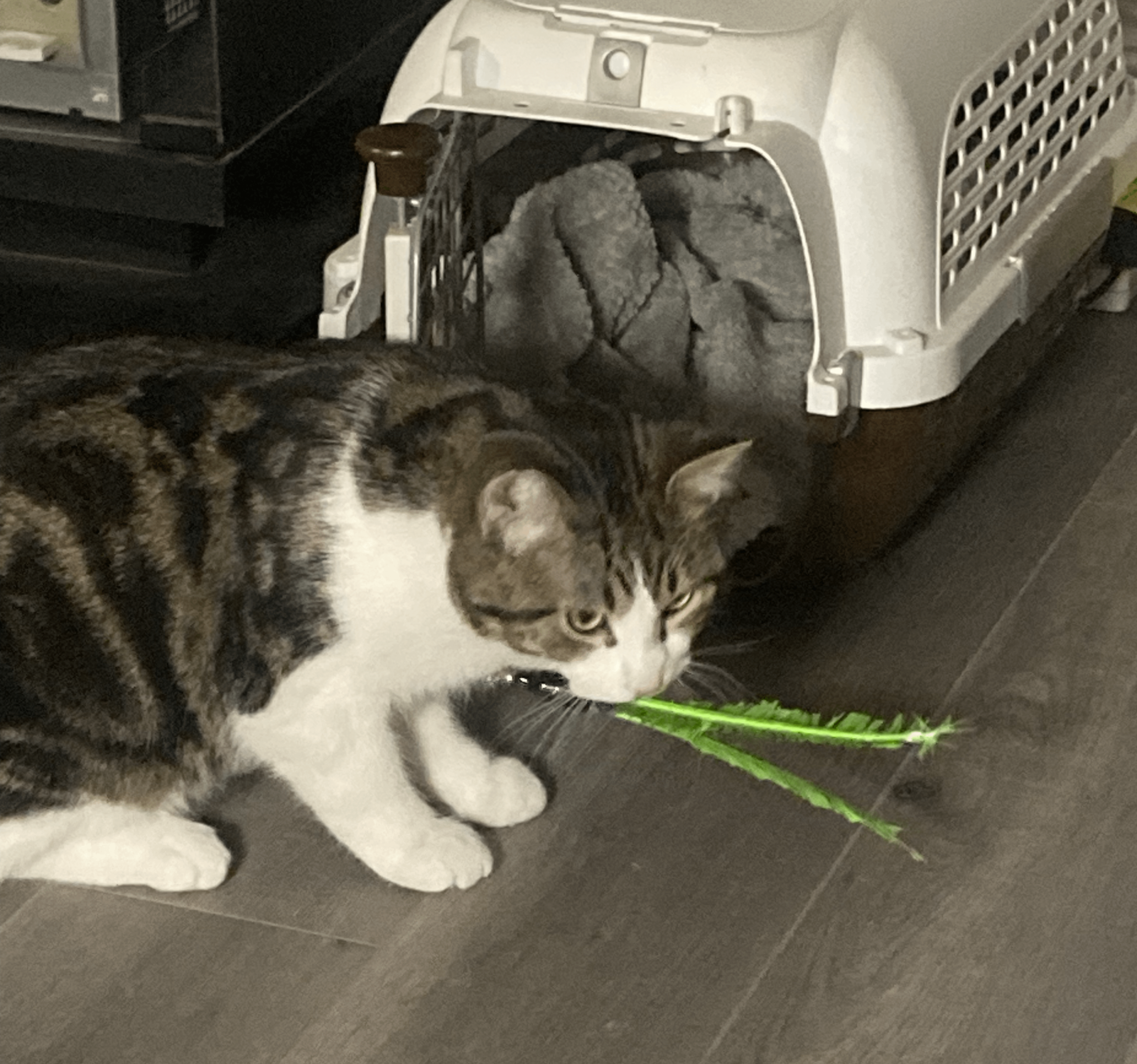
Have you ever noticed your cat fixated on a single toy, playing with it for hours on end? It might seem strange, even a little puzzling.
Why does your furry friend become obsessed with that one toy while ignoring all the others? Understanding this behavior can help you connect better with your cat and keep them happier. Keep reading to discover the surprising reasons behind your cat’s toy obsession and how you can use this knowledge to enrich their playtime.

Credit: www.reddit.com
Cat Play Behavior
Cats are playful creatures with unique behaviors. Their play is more than fun; it reflects deep natural instincts. Understanding why a cat obsesses over a toy means looking into their play behavior. Each action shows a part of their nature and needs.
Instinctual Hunting Drive
Cats have a strong hunting instinct. Toys mimic prey like mice or birds. This makes cats chase, pounce, and bite toys. These actions satisfy their natural urge to hunt. Even indoor cats keep this instinct alive through play.
Mental Stimulation
Play challenges a cat’s mind. Toys that move or make noise catch their attention. This keeps cats curious and sharp. Mental activity helps prevent boredom and stress. A busy mind means a happier cat.
Physical Exercise Needs
Cats need exercise to stay healthy. Playing with toys helps them move and stretch. It burns energy and builds muscles. Regular play supports their overall fitness and weight control. Exercise also reduces bad behavior caused by excess energy.
Toy Attraction Factors
Cats often show strong interest in certain toys. This happens because toys have specific features that attract them. These features appeal to a cat’s natural instincts and senses. Understanding these toy attraction factors helps explain your cat’s obsession.
Texture And Movement
Cats love toys with different textures. Soft, fuzzy, or rough surfaces feel interesting to their paws. Movement is even more important. Toys that wiggle, bounce, or flutter catch their attention quickly. This mimics the motions of prey animals. It triggers their hunting instincts and keeps them engaged.
Scent And Sound Appeal
Many cats respond to smells in toys. Catnip or silvervine scents are popular attractants. These smells excite cats and make playtime more fun. Sounds also play a key role. Toys that squeak, crinkle, or jingle spark curiosity. These noises mimic real-life prey sounds, increasing the cat’s interest.
Familiarity And Comfort
Cats often bond with toys that smell like them or their owner. This familiarity gives them comfort and security. Toys become a source of stress relief or companionship. A favorite toy can feel like a trusted friend. This emotional connection explains why some toys stay loved for years.
Emotional Connection
Understanding why your cat loves a particular toy can be intriguing. Cats often form an emotional connection with their favorite toys. This bond can be due to various reasons, each providing comfort and joy to your feline friend.
Security And Attachment
Cats may see their toy as a source of security. The toy might remind them of a comforting object from their past. This attachment can mirror the bond they have with their mother. The toy becomes a companion, offering a sense of safety.
Stress Relief
Playing with a toy can relieve stress for your cat. It provides an outlet for pent-up energy and emotions. Engaging with a toy can help reduce anxiety and keep your cat calm. This activity can be especially beneficial if your cat is alone often.
Boredom Prevention
A favorite toy keeps your cat engaged and entertained. Cats are curious creatures that need mental stimulation. A toy can prevent boredom and unwanted behaviors. It can also encourage physical activity, keeping your cat healthy and happy.
Health And Age Influence
Health and age greatly affect a cat’s interest in toys. Cats of different ages and health levels play very differently. Understanding these differences helps explain why your cat may be so focused on one toy. Play is not just fun. It supports physical and mental well-being at every stage of life.
Kitten Vs Adult Cat Play Styles
Kittens are full of energy and curiosity. They love to chase, pounce, and bat at toys. Their play is fast and often rough as they learn hunting skills. Adult cats play more calmly. They prefer stalking and gentle pawing. Their interest in toys may be shorter but more focused.
Impact Of Health Conditions
Health problems can change a cat’s play behavior. Cats with arthritis or pain may avoid active toys. They might prefer soft or slow-moving toys. Cats with good health enjoy more vigorous play. Observing your cat’s toy preferences can reveal their comfort level and needs.
Energy Level Variations
Energy levels shift with age and health. Younger cats have bursts of high energy and need frequent play. Older cats rest more and play less often. Low energy cats choose toys they can engage with gently. Matching toys to your cat’s energy keeps them happy and stimulated.
Encouraging Positive Play
Encouraging positive play is key to nurturing your cat’s natural instincts while keeping them mentally and physically healthy. It helps turn their obsession with a toy into a constructive outlet for energy and curiosity. By creating an environment that supports safe, engaging interactions, you strengthen your bond and keep your feline friend happy.
Choosing The Right Toys
Not all toys are created equal for every cat. Observe what excites your cat—do they prefer chasing, pouncing, or batting objects? Toys that mimic prey, like feather wands or small balls, usually spark interest.
Look for toys made from non-toxic materials and that are the right size to prevent choking. If your cat enjoys a particular toy, consider getting a few duplicates to keep their interest fresh. You might be surprised how rotating toys every few days keeps your cat engaged longer.
Safe Play Environment
Creating a safe play space protects your cat and your belongings. Clear away fragile items and anything that could harm them during energetic play sessions. Soft rugs or carpets can cushion landings and reduce slipping.
Make sure cords, strings, and small parts are out of reach unless supervised. A well-lit, open area encourages movement and exploration. Have you noticed how your cat behaves differently in a cramped space versus a roomy one? That difference matters for their enthusiasm.
Interactive Play Tips
Engage with your cat regularly using their toys to build trust and excitement. Move toys unpredictably to mimic real prey and keep your cat’s hunting instincts sharp. Short, frequent play sessions work better than long, exhausting ones.
Try varying the play styles—sometimes slow and sneaky, other times fast and erratic. This variety prevents boredom and encourages your cat to stay active. Have you tried using treats as rewards during play? It can motivate your cat to participate eagerly and learn new games.

Credit: tenderly.medium.com

Credit: tenderly.medium.com
Frequently Asked Questions
Why Does My Cat Prefer One Toy Over Others?
Cats bond with toys that mimic prey behavior. Texture, movement, and scent attract them. Their preference is often instinctual and linked to play satisfaction.
Can A Toy Obsession Indicate Boredom In Cats?
Yes, cats obsess over toys when bored or lacking stimulation. Toys provide mental and physical exercise, reducing stress and destructive behavior.
How Can I Safely Manage My Cat’s Toy Obsession?
Rotate toys regularly to keep interest high. Monitor playtime to prevent overexertion. Provide varied toys for balanced stimulation and enrichment.
Does A Cat’s Age Affect Toy Obsession?
Kittens and young cats often show stronger toy obsession due to high energy. Older cats may prefer gentle play but still enjoy favorite toys.
Conclusion
Cats love toys because they satisfy natural hunting instincts. Toys keep cats active and help them stay healthy. Your cat’s obsession shows it enjoys playtime and feels safe. Changing toys sometimes keeps your cat interested and happy. Watch your cat’s favorite toy to understand its personality better.
Playtime strengthens the bond between you and your cat. Keep offering fun toys to support your cat’s well-being. Simple toys can bring hours of joy and comfort. Your cat’s love for a toy is a sign of contentment. Enjoy these playful moments together every day.

Leave a Reply