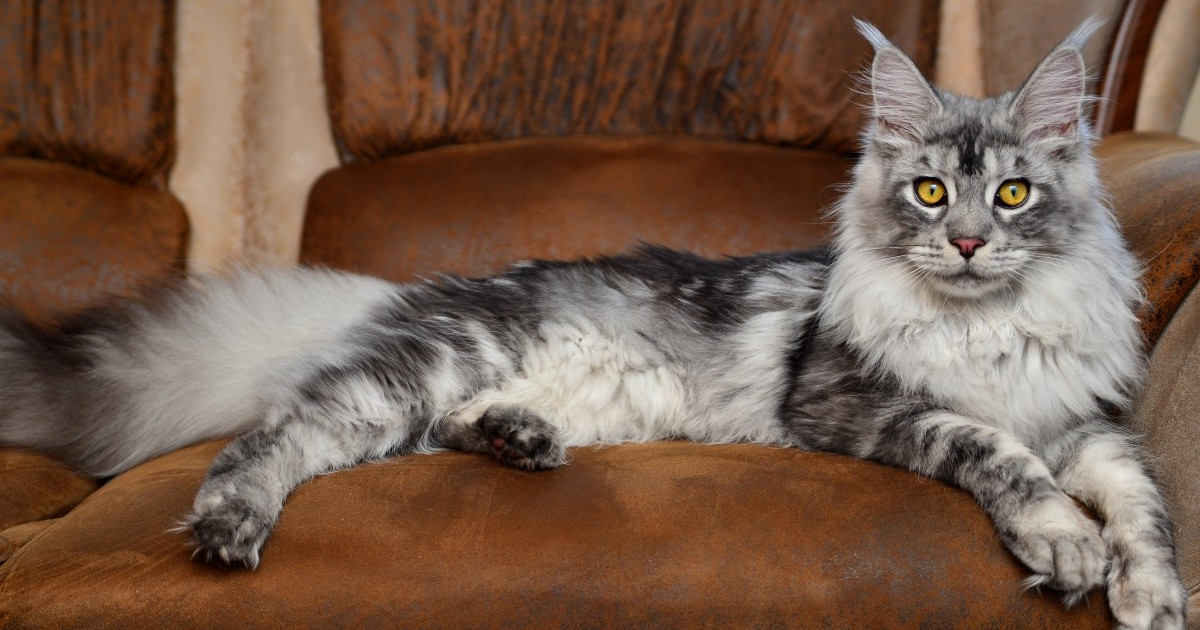
Have you ever noticed a cat with a soft, hanging belly that seems to sway as they walk? You might wonder why some cats have this unique feature and what it means for their breed or health.
If you’re curious about which cat breeds have a hang down belly and why it happens, you’re in the right place. Understanding this trait can help you recognize special breeds and care for your feline friend better. Keep reading to discover the fascinating reasons behind those adorable, dangling bellies and find out if your cat might be one of these breeds.

Credit: www.petscare.com
Cat Belly Anatomy
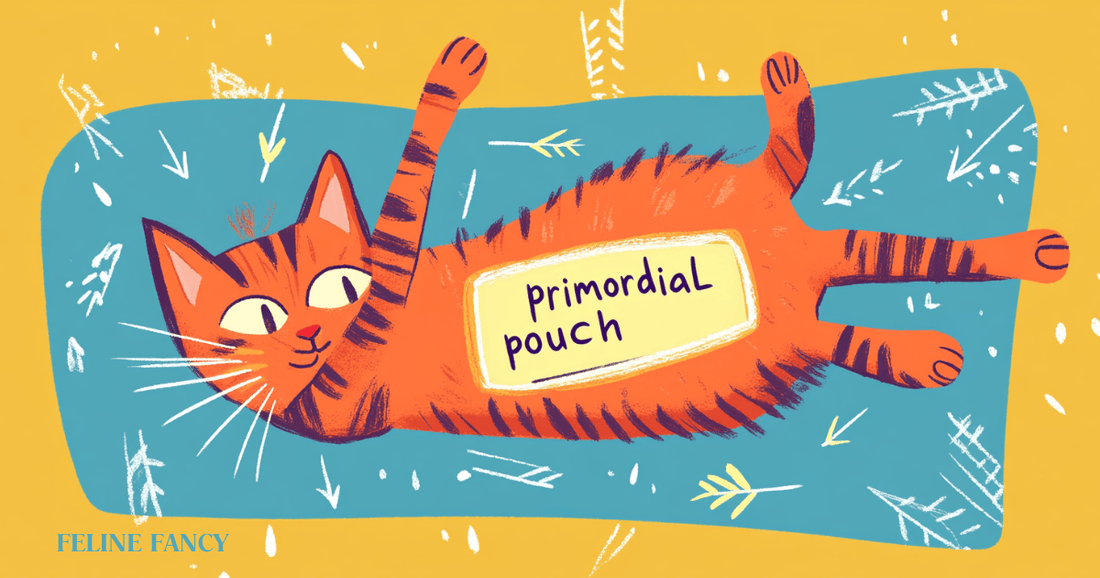
The cat belly is a unique part of a cat’s body. It is soft, flexible, and slightly loose. This loose skin helps cats move easily and stretch during play or hunting. Many cats have a hanging belly flap, also called a primordial pouch. This flap is located on the lower belly, between the hind legs. It is normal and healthy for many cats. The belly anatomy varies among breeds and individual cats.
What Causes Hang Down Bellies
The hang down belly happens because of extra skin and fat. This skin gives cats more room to move and stretch their bodies. It also protects vital organs during fights or falls. Female cats often have a more noticeable belly flap after having kittens. Older cats may develop a hanging belly due to loose skin and less muscle tone. Weight gain can also make the belly hang more. This belly flap is not a sign of illness in most cases.
Differences Between Breeds
Some cat breeds naturally have a more visible belly flap. Breeds like the Abyssinian and Bengal have a small but noticeable primordial pouch. Large breeds such as the Savannah and Maine Coon often show a bigger hanging belly. These breeds have more loose skin to help with their active, jumping lifestyle. On the other hand, breeds like the Siamese usually have a tight belly without much hanging skin. Each breed’s belly shape suits its lifestyle and body type.
Credit: felinefancy.co.uk
Breeds With Distinctive Hanging Bellies
Some cat breeds naturally develop a distinctive hanging belly, often called a “primordial pouch.” This loose flap of skin and fat hangs beneath their stomach and isn’t usually a sign of being overweight. Instead, it serves practical purposes, such as protecting the abdomen during fights or allowing greater flexibility when running and jumping.
Maine Coon
Maine Coons are known for their large size and rugged appearance. Their hanging belly is quite noticeable, giving them a unique silhouette. This pouch helps them stay agile despite their bulk and protects their belly when they roam through rough terrain.
Bengal
Bengals sport a sleek, muscular build, but they also have a slight hanging belly. This feature allows them to move quickly and gracefully during their energetic play sessions. If you own a Bengal, you might notice this pouch especially when they stretch or leap.
Savannah
Savannah cats, a hybrid breed with wild ancestry, often have a pronounced hanging belly. This trait supports their active lifestyle and contributes to their flexibility. Watching a Savannah in action, you’ll see how this pouch aids their impressive jumps and sprints.
Norwegian Forest Cat
The Norwegian Forest Cat’s hanging belly is part of their adaptation to harsh climates. It offers extra protection and warmth beneath their thick fur. If you feel your Norwegian’s belly, you’ll notice it’s soft and loose, not firm or tight.
Ragdoll
Ragdolls are famous for their laid-back nature and floppy limbs, and their hanging belly adds to their charm. This pouch doesn’t affect their calm demeanor but gives them a slightly rounded look when they’re relaxed. You might find this feature endearing when your Ragdoll sprawls out on the couch.
Health Implications
When you spot your cat’s hanging belly, you might wonder if it’s just a quirky feature or something more concerning. This sagging pouch, often seen in certain cat breeds, can have various health implications. Understanding these implications is crucial to ensure your feline friend remains healthy and happy.
Normal Vs Concerning Signs
A hanging belly, known as the primordial pouch, is a normal feature in many cats. It provides extra protection, especially during fights, and helps with flexibility and movement. Breeds like the Bengal, Egyptian Mau, and Japanese Bobtail are known for this characteristic.
However, if the sagging belly is accompanied by other symptoms like weight loss, lethargy, or changes in appetite, it could be a sign of a health issue. Pay attention to any sudden changes in your cat’s behavior or physical appearance.
When To Consult A Vet
While a hanging belly might be normal, it’s essential to know when to seek professional advice. If your cat’s belly seems to grow or if you notice lumps, it’s time to consult your veterinarian. They can provide a thorough examination to rule out any serious conditions.
Regular check-ups can also help monitor any changes over time. It’s better to be proactive and ensure your cat is in optimal health. Remember, your vet is your ally in maintaining your pet’s well-being.
Have you noticed any unusual signs in your cat? Sometimes, a quick check-up can make all the difference. Keep an eye on those little signals, and trust your instincts. Your feline friend relies on you to keep them safe and sound.
Care Tips For Cats With Hanging Bellies
Caring for cats with hanging bellies requires a thoughtful approach to keep them healthy and comfortable. These cats often have unique physical traits that can affect their daily wellbeing. Paying attention to diet, activity, and grooming can make a big difference in your cat’s quality of life.
Diet And Nutrition
Your cat’s diet plays a key role in managing a hanging belly. Choose balanced food that supports healthy weight without excess calories. Overfeeding can worsen the belly’s appearance and strain your cat’s organs.
Consider feeding smaller, more frequent meals to control hunger and reduce overeating. High-protein and low-carb diets often help maintain muscle tone. Have you checked if your cat’s food is appropriate for their breed and activity level?
Exercise And Activity
Regular exercise keeps your cat fit and helps control the belly’s size. Encourage playful activities like chasing toys or climbing cat trees. Even gentle movement stimulates muscles under the belly.
Try interactive play sessions to keep your cat engaged and active daily. Cats with hanging bellies might avoid jumping, so adjust activities to their comfort level. What new games can you introduce to make exercise fun for your cat?
Grooming Needs
Hanging bellies can hide dirt and moisture, increasing the risk of skin problems. Regular grooming prevents mats and keeps the skin healthy. Pay special attention to the belly area during brushing.
Check for redness or irritation under the hanging skin folds. Bathing may be needed occasionally, but avoid harsh soaps. How often do you inspect and clean your cat’s belly to prevent discomfort?
Common Myths About Hanging Bellies
Hanging bellies in cats often spark curiosity and concern among pet owners. Many myths surround this unique physical trait, leading to misunderstandings about a cat’s health and breed characteristics. Clearing up these misconceptions can help you better care for your feline friend and appreciate their distinctive features.
Hanging Bellies Always Mean Obesity
It’s easy to assume a hanging belly indicates an overweight cat. However, certain breeds naturally have a loose flap of skin and fat called a “primordial pouch.”
This pouch doesn’t necessarily mean your cat is unhealthy. Some cats carry it regardless of their weight, especially active breeds like the Bengal or Savannah.
Only Older Cats Have Hanging Bellies
Many believe hanging bellies develop only as cats age. While aging can contribute to skin sagging, some kittens and young cats have this feature too.
Breeds like the Oriental Shorthair show this trait early on. It’s part of their natural body structure and not a sign of aging or illness.
Hanging Bellies Are A Sign Of Illness
A hanging belly is often mistaken for a health problem. Most of the time, it’s just a normal body feature, not a symptom of disease.
Still, if you notice sudden changes or other symptoms like lethargy, consult your vet. Your cat’s health is the priority, but don’t jump to conclusions without evidence.
All Cats With Hanging Bellies Are Lazy
Some think that cats with hanging bellies are inactive or lazy. On the contrary, many of these cats are very agile and playful.
The primordial pouch can even help protect their belly during hunting or rough play. It acts like extra padding rather than a sign of laziness.
Only Specific Breeds Have Hanging Bellies
While certain breeds are known for this trait, hanging bellies can appear in many cats. Mixed breed cats can have it too, especially if they have some wild ancestry.
Don’t assume your cat’s breed based only on this feature. Look at other characteristics and behaviors to understand your pet better.

Credit: www.reddit.com
Frequently Asked Questions
What Cat Breeds Naturally Have A Hang Down Belly?
Breeds like the Oriental Shorthair, Siamese, and Bengal often have a natural hanging belly. This feature is called a “primordial pouch,” which provides extra skin for flexibility and protection during hunting or play.
Why Do Some Cats Develop A Hanging Belly?
A hanging belly in cats can be due to genetics, age, or weight gain. It provides extra skin that helps in movement and protects organs during fights or running.
Is A Hanging Belly In Cats A Health Concern?
Usually, a hanging belly is normal and not harmful. However, if it is swollen, painful, or suddenly appears, consult a vet to rule out health issues like obesity or fluid buildup.
How Can I Tell If My Cat’s Hanging Belly Is Normal?
A normal hanging belly feels soft and moves with your cat. If it’s hard, painful, or your cat shows discomfort, it’s best to seek veterinary advice for a proper diagnosis.
Conclusion
Certain cat breeds often have a hanging belly, also called a “primordial pouch. ” This feature is normal and helps protect their organs. Cats like the Bengal, Savannah, and Abyssinian often show this trait. It does not mean they are overweight or unhealthy.
Understanding this helps cat owners care better for their pets. Knowing which breeds have this belly helps avoid worry. Every cat is unique, and their bodies tell a story. Enjoy watching your cat’s special traits with love and care.

Leave a Reply