Have you ever wondered if some cat breeds are more likely to face dental problems than others? If you care about your furry friend’s health, understanding this can make a big difference.
Dental issues don’t just cause bad breath—they can lead to pain and serious health risks for your cat. You’ll discover which breeds might need extra dental care and how you can protect your cat’s smile. Keep reading to learn the secrets every cat owner should know!

Credit: www.purina.com
Common Dental Problems In Cats
Dental health is a key part of your cat’s overall well-being, yet many cat owners overlook it. Cats can suffer from a range of dental problems that cause pain and affect their eating habits. Recognizing these common issues early can save your furry friend from discomfort and costly vet visits.
Types Of Dental Issues
Cats face several dental problems, each with unique challenges. Here are some of the most frequent:
- Gingivitis:Inflammation of the gums, often the first sign of dental trouble.
- Periodontal Disease:Infection that affects the tissues supporting the teeth, leading to tooth loss if untreated.
- Tooth Resorption:A painful condition where the tooth structure breaks down and is absorbed by the body.
- Stomatitis:Severe inflammation inside the mouth, causing ulcers and extreme discomfort.
- Tartar and Plaque Buildup:Leads to bad breath and sets the stage for more serious infections.
Each of these conditions affects cats differently, and some breeds may be more prone to certain issues. Have you noticed your cat favoring one side of its mouth when eating?
Symptoms To Watch For
Spotting dental problems early means your cat gets the care it needs faster. Watch out for these signs:
- Bad breath that doesn’t go away
- Drooling more than usual or with blood
- Difficulty chewing or dropping food
- Swollen or bleeding gums
- Loose or missing teeth
- Changes in eating habits or weight loss
- Excessive pawing at the mouth
When my cat started refusing dry food and had a sudden bad smell in his mouth, I took him to the vet immediately. It turned out to be early periodontal disease, which was treatable at that stage. Are you ready to check your cat’s mouth for these signs today?
Breeds Prone To Dental Issues
Certain cat breeds face higher risks of dental problems. These issues include plaque buildup, gum disease, and tooth loss. Genetics and breed traits often influence dental health. Knowing which breeds are prone helps in early care and prevention.
Persian Cats
Persians often have crowded teeth due to their flat faces. This crowding traps food and bacteria easily. They are prone to gingivitis and tooth decay. Regular dental check-ups and cleanings are essential. Brushing their teeth can reduce plaque and keep gums healthy.
Siamese Cats
Siamese cats may develop periodontal disease more often than others. Their sharp teeth can wear down faster. This wear increases the risk of infection and pain. Dental care routines help maintain their oral health. Early treatment prevents serious dental problems.
Maine Coon Cats
Maine Coons sometimes suffer from hereditary dental issues. These include tooth resorption and gingivitis. Their large size does not protect them from dental diseases. Routine vet visits and dental cleanings are important. Healthy teeth support their active and playful lifestyle.
Genetics And Dental Health
Genetics plays a crucial role in a cat’s dental health. Certain breeds may face more dental issues due to genetic factors. Understanding these factors can help in managing and preventing dental problems.
Inherited Conditions
Some cats inherit dental conditions from their parents. This can include issues like tooth resorption or gum disease. These conditions can lead to pain and difficulty eating. Regular check-ups can catch these problems early.
Breed-specific Traits
Certain breeds have unique dental traits. For example, Siamese cats might have a higher risk of gum disease. Persian cats often have crowded teeth, leading to plaque build-up. Knowing these traits helps in providing better care. Regular brushing and dental cleanings are vital.
Impact Of Diet On Cat Dental Health
Your cat’s diet plays a crucial role in its dental health. What you feed your feline friend can either promote strong teeth or contribute to dental problems. Understanding how different foods affect your cat’s teeth can help you make smarter choices that support their oral hygiene.
Dry Vs Wet Food
Dry food is often praised for its ability to help reduce plaque buildup because it requires more chewing. This mechanical action can scrape off some of the tartar on your cat’s teeth. However, not all dry foods are created equal—some are too soft to make a real difference.
Wet food, on the other hand, tends to stick to teeth more easily. This can create an environment where bacteria thrive and dental issues develop faster. But wet food offers hydration benefits, which is important for overall health, so you might wonder—can a balance between the two work better for your cat?
Dental Treats And Chews
Dental treats and chews are designed specifically to support your cat’s oral health. They often contain ingredients that help reduce plaque and freshen breath. Plus, the act of chewing stimulates saliva production, which naturally cleans the mouth.
Not every treat is effective though. Look for products approved by veterinary dental associations or those with proven dental benefits. Have you ever noticed your cat’s reaction to dental treats? Their enthusiasm might be a good sign that these treats are both tasty and helpful.
Preventive Care For Cat Teeth
Preventive care is key to keeping your cat’s teeth healthy. Dental problems can cause pain and affect overall health. Some cat breeds may face more dental issues. Taking simple steps at home and visiting the vet can reduce risks. Early care helps avoid serious complications and costly treatments.
Brushing Techniques
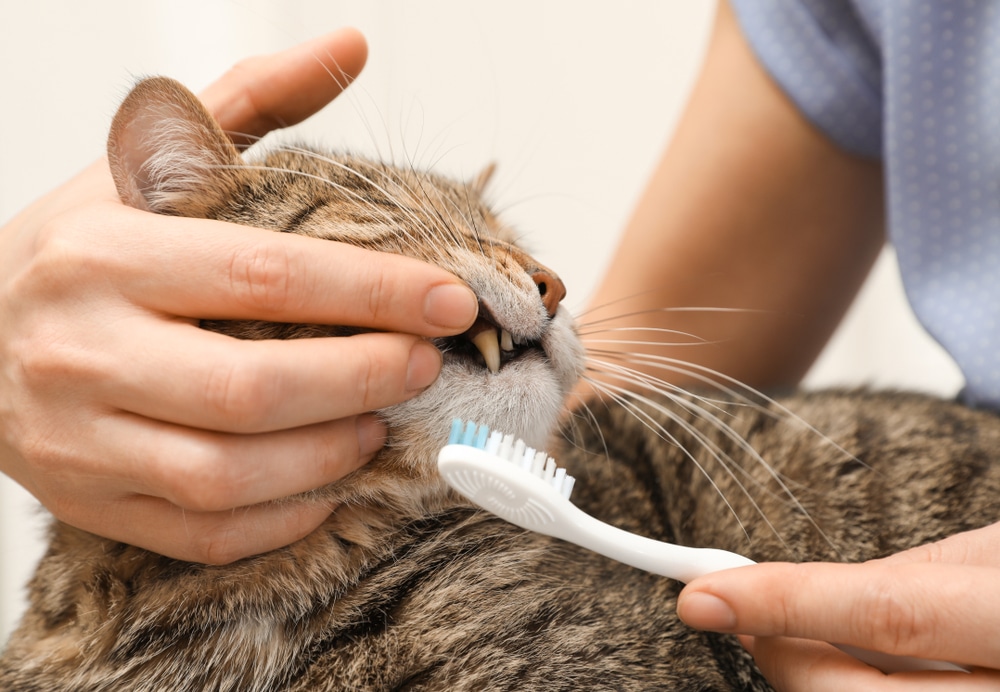
Brushing your cat’s teeth helps remove plaque and prevents tartar buildup. Use a soft-bristled toothbrush made for cats. Start slowly to let your cat get used to the process. Aim to brush at least two times per week. Focus on the outer surfaces of the teeth. Use pet-safe toothpaste, never human toothpaste. Keep sessions short and positive with gentle praise.
Regular Vet Checkups
Routine vet visits are important for dental health. The vet can spot early signs of dental disease. Professional cleanings may be needed to remove deep tartar. Regular checkups help track your cat’s oral condition over time. Discuss any bad breath, drooling, or eating changes with the vet. Timely care can prevent tooth loss and infections.

Credit: thelittlecarnivore.com
When To Seek Veterinary Help
Knowing when to seek veterinary help is crucial for your cat’s dental health. Some dental issues start small but can quickly become serious. Early detection can save your cat from pain and costly treatments. Watch for signs that show your cat needs professional care. Prompt action improves recovery and comfort.
Signs Of Serious Dental Issues
- Bad breath that won’t go away
- Red, swollen, or bleeding gums
- Difficulty eating or dropping food
- Excessive drooling or pawing at the mouth
- Loose or missing teeth
- Visible tartar buildup or tooth discoloration
- Swelling around the face or jaw
- Behavioral changes such as irritability or hiding
Treatment Options
Veterinarians may recommend cleaning under anesthesia to remove plaque and tartar. They might extract severely damaged teeth to prevent infection. Antibiotics can help fight bacterial infections in the mouth. Pain relief medication improves comfort during healing. Regular checkups help monitor dental health after treatment.

Credit: justcatsclinic.com
Frequently Asked Questions
Do Certain Cat Breeds Have More Dental Problems?
Yes, some breeds like Persians and Siamese are prone to dental issues. Their genetics and jaw structure affect oral health.
What Dental Issues Are Common In Specific Cat Breeds?
Common issues include gingivitis, tooth resorption, and periodontal disease. These problems can cause pain and tooth loss if untreated.
How Can I Prevent Dental Problems In My Cat Breed?
Regular dental check-ups, brushing teeth, and a proper diet help prevent dental diseases. Early care is crucial for breed-specific risks.
Are Dental Problems Hereditary In Cats?
Yes, many dental issues are hereditary. Breeds with genetic predispositions often inherit weak enamel or jaw alignment problems.
Conclusion
Certain cat breeds face higher dental risks than others. Regular dental care helps keep your cat healthy. Watch for signs of dental problems every day. Clean teeth prevent pain and serious health issues. Talk to your vet about the best dental routine.
Healthy teeth mean a happier, more comfortable cat. Taking action early can save your cat discomfort. Simple care makes a big difference in their life. Dental health matters for all cats, no matter the breed.



Leave a Reply