Are you wondering when cat breeding season happens in the UK? Knowing the timing can help you care better for your cat and avoid surprises.
Whether you’re a cat owner, breeder, or just curious, understanding this season is key to keeping your feline friend healthy and happy. Keep reading to find out exactly when cat breeding season starts and what signs you should watch for.
This simple knowledge could make a big difference for you and your cat.
Credit: www.pethealthclub.com
Cat Breeding Cycle
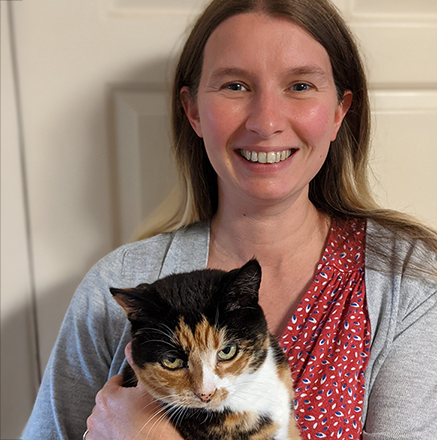
Understanding your cat’s breeding cycle is key if you want to manage or predict her heat periods effectively. Cats don’t have a fixed breeding season like some animals; instead, their cycle depends on various factors including daylight and environment. Knowing the stages and signs of this cycle helps you care for your pet better and make informed decisions.
Heat Periods Explained
The heat period, also called estrus, is when a female cat is fertile and ready to mate. This phase typically lasts between 3 to 7 days. During this time, your cat’s body undergoes hormonal changes that trigger specific behaviors.
One interesting fact is that cats are induced ovulators, meaning they release eggs only after mating. This makes every heat period a potential opportunity for pregnancy if your cat comes into contact with a male.
Signs Of Estrus In Cats
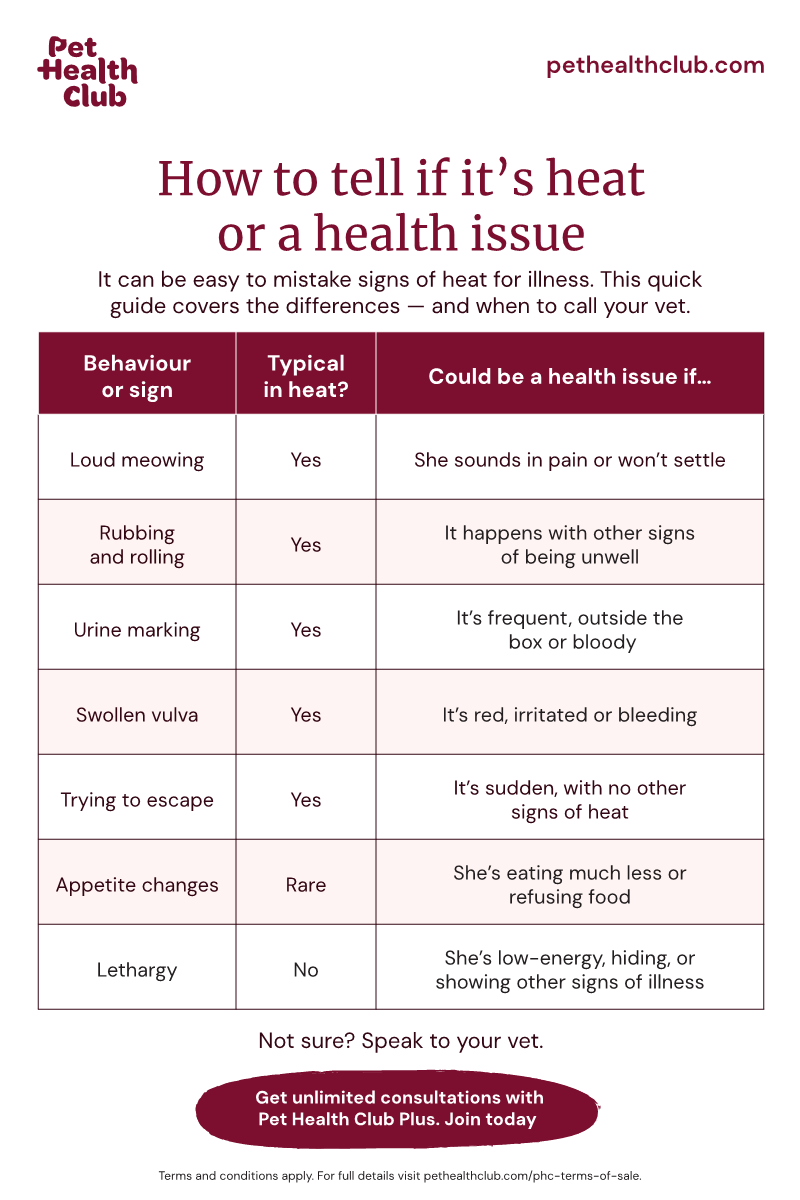
Recognizing when your cat is in heat can save you a lot of surprises. Common signs include:
- Loud, persistent vocalizing — often described as yowling
- Increased affection and rubbing against furniture or people
- Restlessness and pacing around the house
- Assuming a mating position with the rear raised and tail to the side
- Spraying urine or marking territory more frequently
Have you noticed your cat suddenly acting clingy or restless? That might be her way of telling you she’s in heat.
Frequency Of Heat Cycles
In the UK, cats usually experience heat cycles from early spring through autumn when daylight increases. Each heat cycle can recur every 2 to 3 weeks if the cat doesn’t mate or become pregnant. This means your cat could go into heat multiple times during the breeding season.
Indoor cats exposed to artificial light might have irregular cycles or even cycle year-round. If your cat seems to be in heat often, it’s worth consulting your vet about options like spaying to prevent unwanted pregnancies and ease her discomfort.
Credit: www.pethealthclub.com
Breeding Seasons In The Uk
Understanding the breeding seasons of cats in the UK can help you make better decisions if you own or care for cats. Cats don’t breed all year round here; their reproductive cycles are influenced by the climate and daylight. Knowing when these peaks occur allows you to prepare for potential litters or manage your pets’ health effectively.
Spring And Summer Peaks
Most cat breeding activity in the UK happens during spring and summer. These months offer the ideal conditions for kittens to thrive, with warmer weather and more food available. You might notice more stray or outdoor cats becoming visibly pregnant or having kittens during this period.
During these seasons, female cats, called queens, come into heat more frequently. This increases the chances of successful mating and larger litters. If you have outdoor cats, watch for signs like increased vocalization and restlessness in spring and summer.
Influence Of Daylight And Temperature
Daylight plays a crucial role in triggering cats’ breeding cycles. Longer daylight hours in spring signal to cats that it’s time to reproduce. Temperature also matters; cats are less likely to breed during the cold, dark winter months.
This natural rhythm means cats often enter heat when the days are longer than 12 hours. If you keep cats indoors under artificial lights, their cycles might shift. Have you noticed your indoor cat acting differently as the seasons change?
Variations By Region
Breeding seasons can vary slightly depending on where you are in the UK. Southern regions with milder winters might see cats breeding earlier or for a longer stretch of the year. Northern parts, with colder climates, usually have a shorter breeding season.
Urban areas with plenty of shelter and food sources may also support more frequent breeding. If you live in a city, you might encounter more stray kittens in warmer months compared to rural areas. How might your local environment affect the cats around you?
Factors Affecting Breeding Timing
Breeding timing in cats depends on factors like daylight length, temperature, and the cat’s age. In the UK, longer daylight hours in spring often trigger the breeding season. Health and nutrition also play key roles in when cats are ready to mate.
Factors Affecting Breeding Timing In the UK, the timing of cat breeding season varies. Several factors influence this timing. Understanding these can help cat owners prepare better.Indoor Vs Outdoor Cats
Indoor cats might have a different breeding schedule. They are less influenced by weather changes. Artificial lighting can affect their breeding patterns. Outdoor cats rely on natural cues. These include daylight length and temperature. Their breeding season aligns with warmer months.Breed Differences
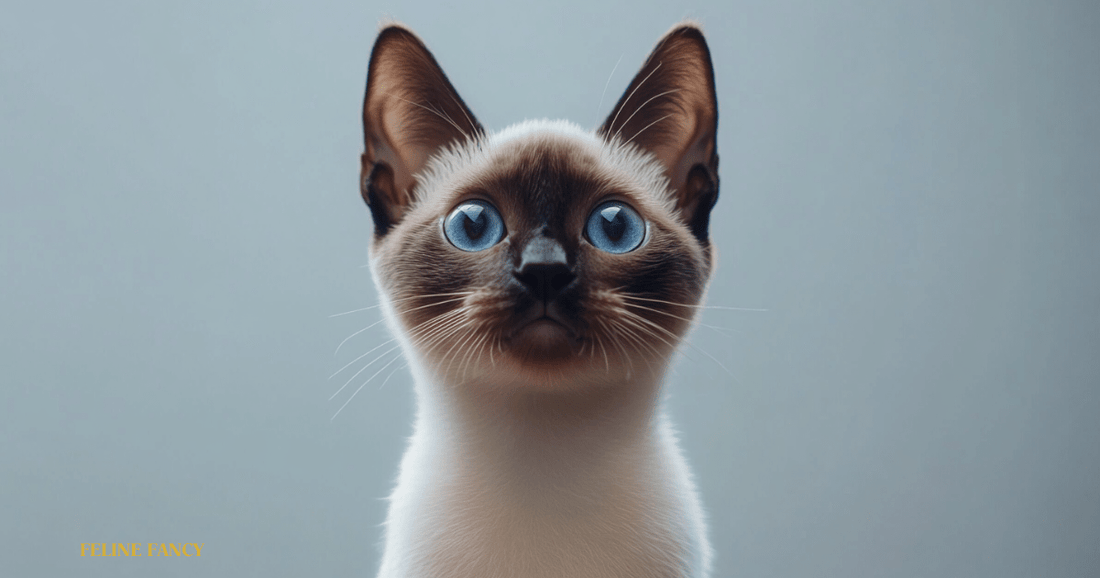
Different breeds have unique breeding times. Some breeds may start earlier. Others may breed later in the year. Siamese cats often breed all year. Persian cats might have a specific breeding season. Knowing your cat’s breed can help predict timing.Age And Health Impact
A cat’s age affects breeding timing. Young cats may start breeding earlier. Older cats might have irregular cycles. Health also plays a crucial role. Healthy cats usually have regular cycles. Sick or stressed cats might experience delays or irregularities. Keeping your cat healthy ensures timely breeding.Preparing For Breeding
Preparing for cat breeding in the UK requires thoughtful planning and care. You want to give your cats the best chance for healthy kittens and a smooth breeding process. This means focusing on their health, diet, and selecting the right partner.
Health Checks And Vaccinations
Before breeding, take your cat to the vet for a full health check. This helps spot any issues that could affect pregnancy or kitten health.
Make sure vaccinations are up to date, including those for feline viral diseases. Regular parasite control is also essential.
Have your vet test for common hereditary diseases in your cat’s breed. This step prevents passing on unwanted genetic problems.
Nutrition And Diet
Your cat’s diet has a big impact on fertility and kitten development. Switch to a high-quality, nutrient-rich food designed for breeding cats.
Increase protein and calorie intake gradually before and during pregnancy. This supports the mother’s energy needs and growth of the kittens.
Keep fresh water available at all times and consider supplements recommended by your vet, like omega-3 fatty acids for healthy coat and brain development.
Choosing The Right Mate
Choosing the right mate is about more than looks. Look for a healthy cat with a good temperament and strong genetics.
Ask about the potential partner’s health history and any breed-specific concerns. This reduces the risk of inherited diseases in the litter.
Spend time observing how your cat interacts with the mate. A calm and friendly introduction helps ensure a less stressful breeding experience for both.
Managing Pregnant Cats
Managing a pregnant cat requires attention and care to ensure both the mother and her kittens stay healthy. Pregnancy can be a delicate time, and understanding what to expect helps you provide the right environment and support. Knowing the signs of pregnancy, how to care for your cat during this period, and preparing for the kittens will make this journey smoother for everyone involved.
Recognizing Pregnancy Signs
Noticing early signs of pregnancy in your cat helps you adjust her care quickly. Look for changes like a swollen belly, increased appetite, and more affectionate behavior. Some cats may also show pinkish nipples, often called “pinking up,” which is a strong indicator of pregnancy.
Have you observed your cat acting differently lately? Changes in her routine or mood could be subtle clues that she’s expecting. Regularly checking for these signs can help you catch pregnancy early and plan accordingly.
Care During Gestation
Pregnant cats need a balanced diet rich in nutrients to support their developing kittens. Switch to high-quality kitten food, which provides extra protein and calories. Make sure she has constant access to fresh water and a quiet, comfortable space to rest.
Regular vet visits are crucial. Your vet can confirm pregnancy and monitor her health throughout gestation. Avoid stressful situations and limit handling if she seems anxious—stress can affect her well-being and the kittens’ development.
Preparing For Kittens
As the due date approaches, create a safe nesting area where your cat can give birth comfortably. Use a box lined with soft blankets placed in a warm, quiet corner. Keep the space clean and away from other pets or loud noises.
Gather essential supplies like clean towels, a heating pad set to low, and contact info for your vet in case of emergencies. Are you ready to support your cat through labor? Being prepared reduces anxiety and helps you respond quickly if complications arise.
Common Breeding Challenges
Breeding cats can be an exciting experience, but it comes with its own set of challenges that you need to be ready for. Understanding common breeding hurdles helps you prepare and ensures the health and safety of both the queen and her kittens. Let’s take a closer look at some issues you might face during the breeding season in the UK and how you can handle them effectively.
Dealing With Silent Heat
Silent heat occurs when a female cat goes into heat without showing obvious signs. This can make it tricky to know the right time for mating. You might notice your cat acting a bit restless or affectionate, but without the usual loud vocalizing or rolling around.
To catch silent heat, observe your cat’s behavior closely every day. Keeping a detailed calendar of her cycles can help you spot patterns even if the signs are subtle. You can also discuss hormone tracking or ultrasound checks with your vet to pinpoint the perfect breeding moment.
Breeding Risks And Complications
Breeding isn’t risk-free. Queens can face complications like difficulty during mating, infections, or problems during pregnancy. For example, older cats or those with health issues may have higher chances of miscarriage or stillbirth.
Be ready to monitor your cat’s health carefully and provide a calm, stress-free environment. Nutrition plays a big role too—feeding a high-quality diet tailored for pregnant cats supports healthy development. Watch out for unusual symptoms like lethargy, loss of appetite, or abnormal discharge and act promptly.
When To Consult A Vet
Knowing when to call your vet can save lives. If your cat shows any signs of distress during mating or pregnancy, don’t hesitate to seek professional help. Problems such as prolonged labor, heavy bleeding, or refusal to eat require immediate attention.
Regular check-ups during the breeding season can prevent many issues. Your vet can offer advice specific to your cat’s breed and history. Have you considered setting up a vet plan before starting the breeding process? It might be your best safety net.
Ethical Breeding Practices
Ethical breeding practices ensure the health and happiness of cats. Responsible breeders focus on the well-being of each cat. They avoid harmful practices and support good care. These principles help maintain healthy cat populations in the UK.
Avoiding Overbreeding
Overbreeding can cause serious health problems. It puts stress on mother cats and kittens. Ethical breeders limit the number of litters per year. They give cats time to rest between pregnancies. This helps cats stay strong and healthy.
Supporting Cat Welfare
Cat welfare means meeting all their needs. Ethical breeders provide clean homes and proper food. They ensure cats get regular health checks. Socializing kittens early helps them develop well. These steps create happy, confident cats ready for new homes.
Responsible Breeder Guidelines
- Screen cats for genetic diseases before breeding
- Keep detailed health and breeding records
- Follow local laws and breeding regulations
- Place kittens in loving, prepared homes
- Offer support to new cat owners
Following these guidelines protects cats and buyers. It helps maintain the breed’s quality and reputation. Ethical breeders care deeply about every cat’s future.

Credit: felinefancy.co.uk
Frequently Asked Questions
When Does Cat Breeding Season Start In The Uk?
Cat breeding season in the UK typically starts in early spring, around March. It continues through summer until September. Warmer temperatures and longer daylight hours trigger cats’ reproductive cycles during this period.
How Long Is The Cat Breeding Season In The Uk?
The cat breeding season in the UK usually lasts about six to seven months. It begins in March and ends around September. This timing aligns with favorable weather conditions for kittens’ survival.
Why Does Cat Breeding Season Peak In Spring And Summer?
Cats breed in spring and summer due to increased daylight and warmth. These conditions stimulate their reproductive hormones. This natural cycle ensures kittens are born when survival chances are higher.
Can Cats Breed Outside The Typical Uk Season?
Yes, cats can breed outside the typical season, but it’s less common. Indoor cats with artificial light may cycle year-round. Outdoor cats mainly follow natural seasonal patterns.
Conclusion
Cat breeding season in the UK usually starts in early spring. Cats are more active and ready to mate during warmer months. Knowing this helps you care for your pets better. It also helps prevent unwanted litters. Keep an eye on your cat’s behavior during this time.
Spaying or neutering can stop accidental breeding. Taking simple steps protects your cat’s health. Remember, every pet deserves good care all year round.

Leave a Reply