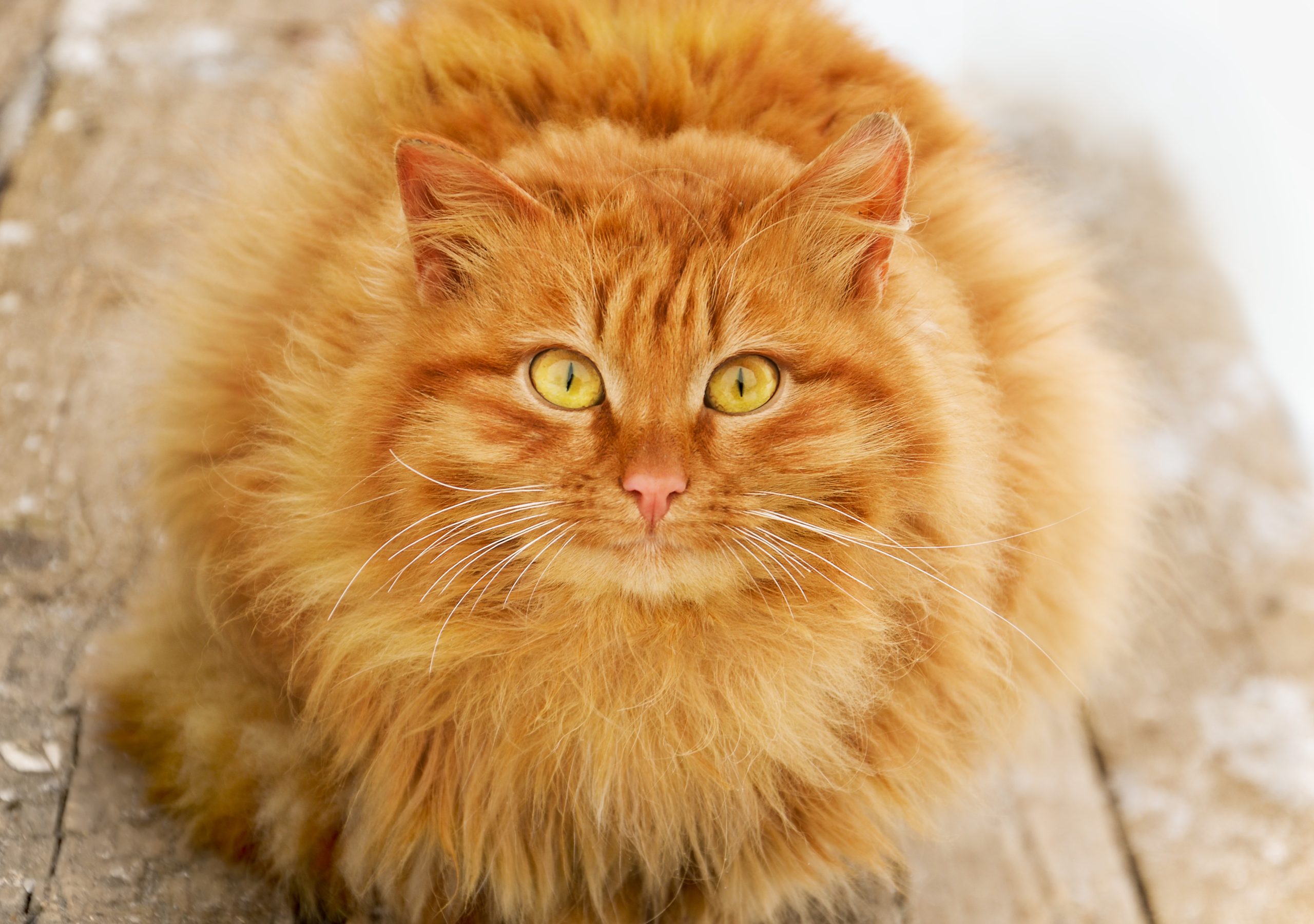
Have you ever been startled awake by your cat suddenly getting up and starting to groom itself? It can seem a bit strange, right?
You might wonder why your furry friend chooses that exact moment to begin licking and cleaning. Understanding this behavior can help you connect better with your cat and even spot if something is wrong. Keep reading, and you’ll discover the surprising reasons behind this curious habit—and what it means for your pet’s health and happiness.
Common Grooming Habits
Understanding your cat’s grooming habits can give you valuable clues about their health and mood. Grooming is more than just keeping clean; it’s a routine that cats take seriously. Let’s look at some common grooming behaviors and what they might mean for your feline friend.
Normal Grooming Patterns
Cats usually groom themselves several times a day. This includes licking their fur, cleaning their face with their paws, and even nibbling on tough spots. These actions help remove dirt, loose fur, and parasites.
Have you noticed your cat spending extra time cleaning certain areas? This can be perfectly normal, especially if they’re focusing on spots that are harder to reach. Grooming also helps regulate body temperature and reduce stress.
Timing Of Grooming Sessions
Cats often groom after waking up or before going to sleep. You might catch your cat licking itself just after a nap or before settling down for the night. This timing supports their natural rhythm and comfort.
Some cats groom more when they feel anxious or excited. If your cat wakes up and immediately starts grooming, it could be a way to calm down or prepare for activity. Have you observed if your cat’s grooming spikes during certain times of the day or after specific events?

Credit: www.latimes.com
Instinctual Behavior
Cats waking up and starting to groom is a natural part of their instinctual behavior. Grooming is not just about cleanliness. It is deeply rooted in their survival instincts and social habits. This behavior helps cats stay healthy and feel safe.
Self-cleaning Instincts
Cats groom themselves to remove dirt and loose fur. This keeps their coat smooth and free from parasites. Grooming also helps regulate their body temperature. By licking their fur, cats spread natural oils that protect their skin. This habit is essential for their overall health and comfort.
Scent Marking And Territory
Grooming plays a role in scent marking. Cats have scent glands in their skin and paws. When they groom, they spread their unique scent across their body. This scent signals ownership and marks their territory. It helps cats feel secure in their environment. Grooming after waking up refreshes this scent and reinforces their space.
Health And Hygiene
Cats are known for their meticulous grooming habits. Grooming is not just about looking good. It plays a key role in maintaining their health and hygiene. A cat’s grooming ritual helps remove loose hair, dirt, and other debris. This activity also stimulates blood circulation and regulates body temperature. But sometimes, constant grooming can indicate underlying issues.
Skin Irritations And Allergies
Cats might groom excessively due to skin irritations. Allergies can cause itching and discomfort. Common allergens include pollen, dust, and certain foods. These allergens can trigger skin reactions, leading to excessive grooming. Identifying the allergen is crucial. Consult a vet for appropriate tests and treatments. This will help soothe your cat’s skin.
Parasites And Fleas
Parasites like fleas are common in cats. These tiny pests cause significant discomfort. Cats might groom more to alleviate the itchiness caused by fleas. Regular flea treatments can prevent infestations. Check your cat’s coat regularly for signs of fleas. Look for flea dirt or live fleas. Keep your cat’s environment clean. This helps minimize the risk of parasites.
Stress And Anxiety
Stress and anxiety can significantly affect your cat’s behavior, often in ways that might puzzle you. One common reaction is waking up suddenly and starting to groom. Understanding why this happens can help you support your feline friend better and create a calmer environment at home.
Grooming As A Comfort Mechanism
Grooming helps cats feel safe and in control when they’re stressed. It’s not just about cleanliness; it’s a way for them to calm their nerves. You might notice your cat licking or biting their fur more than usual after a loud noise or a visit to the vet.
Think about your own habits when you’re anxious—maybe tapping your fingers or biting your nails. Your cat’s grooming is similar. It’s a natural coping strategy to reduce tension.
Triggers For Anxiety Grooming
Several everyday situations can trigger anxiety grooming in cats. New people, changes in routine, or even unfamiliar smells can unsettle them. Sometimes, it’s something subtle that you might overlook, like a new piece of furniture or a different feeding schedule.
- Sudden loud noises such as fireworks or thunderstorms
- Introduction of new pets or family members
- Moving to a new home or rearranging furniture
- Separation from their favorite human or companion
Have you noticed if your cat’s grooming spikes during specific events? Watching closely can help you identify these triggers and reduce them.
Environmental Factors
Environmental factors can play a big role in why your cat suddenly wakes up and starts grooming. Cats are sensitive creatures, and even small changes in their surroundings can trigger this behavior. Understanding these triggers helps you create a calmer space for your furry friend.
Changes In Surroundings
Have you recently moved furniture or brought new items into your home? Cats notice these changes immediately. New scents, objects, or rearranged spaces can make your cat feel unsettled.
This discomfort often leads to grooming as a way to self-soothe. Grooming releases calming hormones and helps your cat regain a sense of normalcy. If your cat wakes up and starts grooming after a change, consider giving them extra attention or a quiet spot to relax.
Noise And Light Disturbances
Sudden noises or bright lights can startle your cat awake. Even subtle sounds like a door closing or a car passing by might disturb their rest. Once awake, grooming helps them calm down and feel secure again.
Think about your cat’s sleeping area—does it face a busy street or a noisy room? Adjusting their spot to a quieter, dimmer place can reduce these disturbances. Have you noticed if your cat grooms more on nights with loud thunderstorms or household noise?
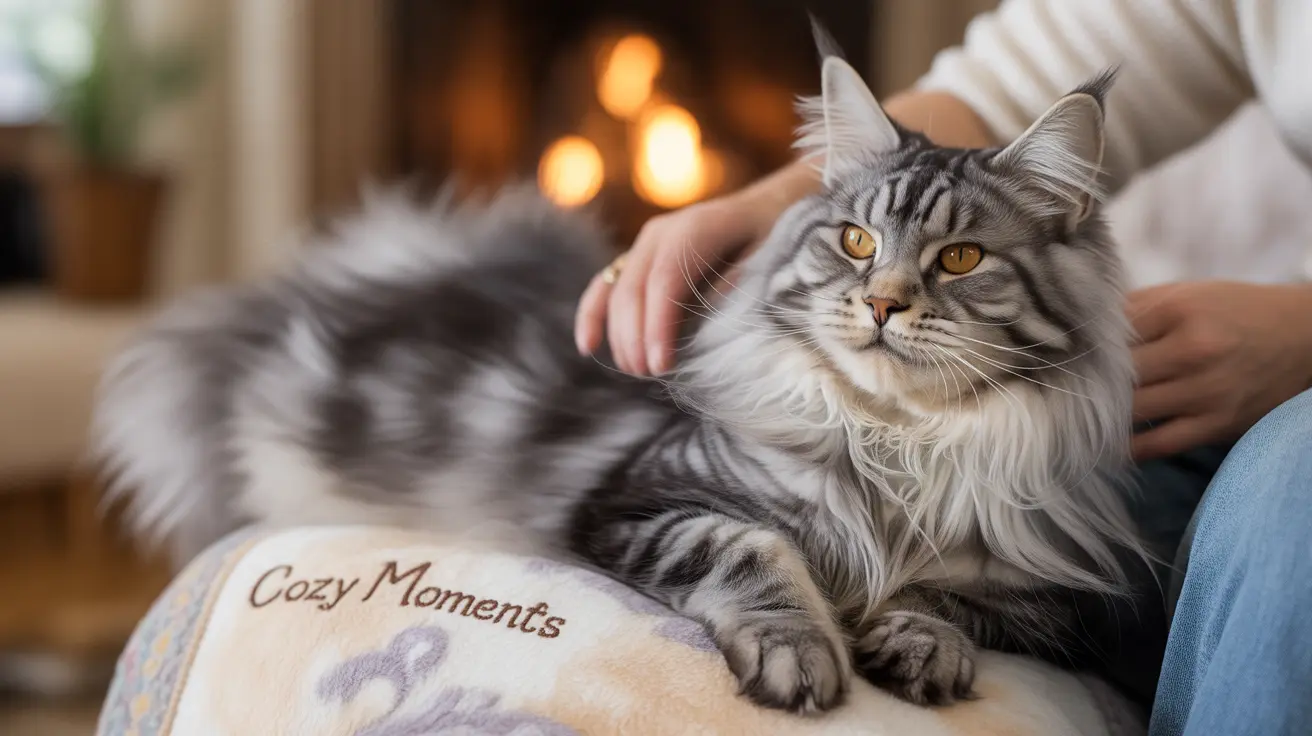
Credit: www.petscare.com
Behavioral Issues
Behavioral issues can cause your cat to wake up and start grooming frequently. Grooming is natural, but too much grooming might signal stress or anxiety. Cats use grooming to calm themselves or cope with boredom. Understanding these behaviors helps you support your cat’s well-being.
Compulsive Grooming
Compulsive grooming happens when a cat grooms excessively and repeatedly. This behavior can lead to hair loss, skin irritation, or wounds. Stress, anxiety, or changes in the environment often trigger compulsive grooming. Sometimes, it replaces play or social interaction.
Signs include:
- Constant licking or biting the same spot
- Visible bald patches or redness
- Restlessness or pacing before grooming
It is important to watch your cat’s grooming habits closely. Address any changes in their routine or environment that might cause stress.
When To Seek Veterinary Help
Seek veterinary help if your cat’s grooming causes skin damage or hair loss. A vet can check for allergies, infections, or parasites. They can also assess if anxiety or other behavioral issues are present.
Veterinary care may include:
- Medical treatment for skin conditions
- Behavioral therapy or calming techniques
- Recommendations for environmental enrichment
Early intervention prevents further harm and improves your cat’s quality of life.
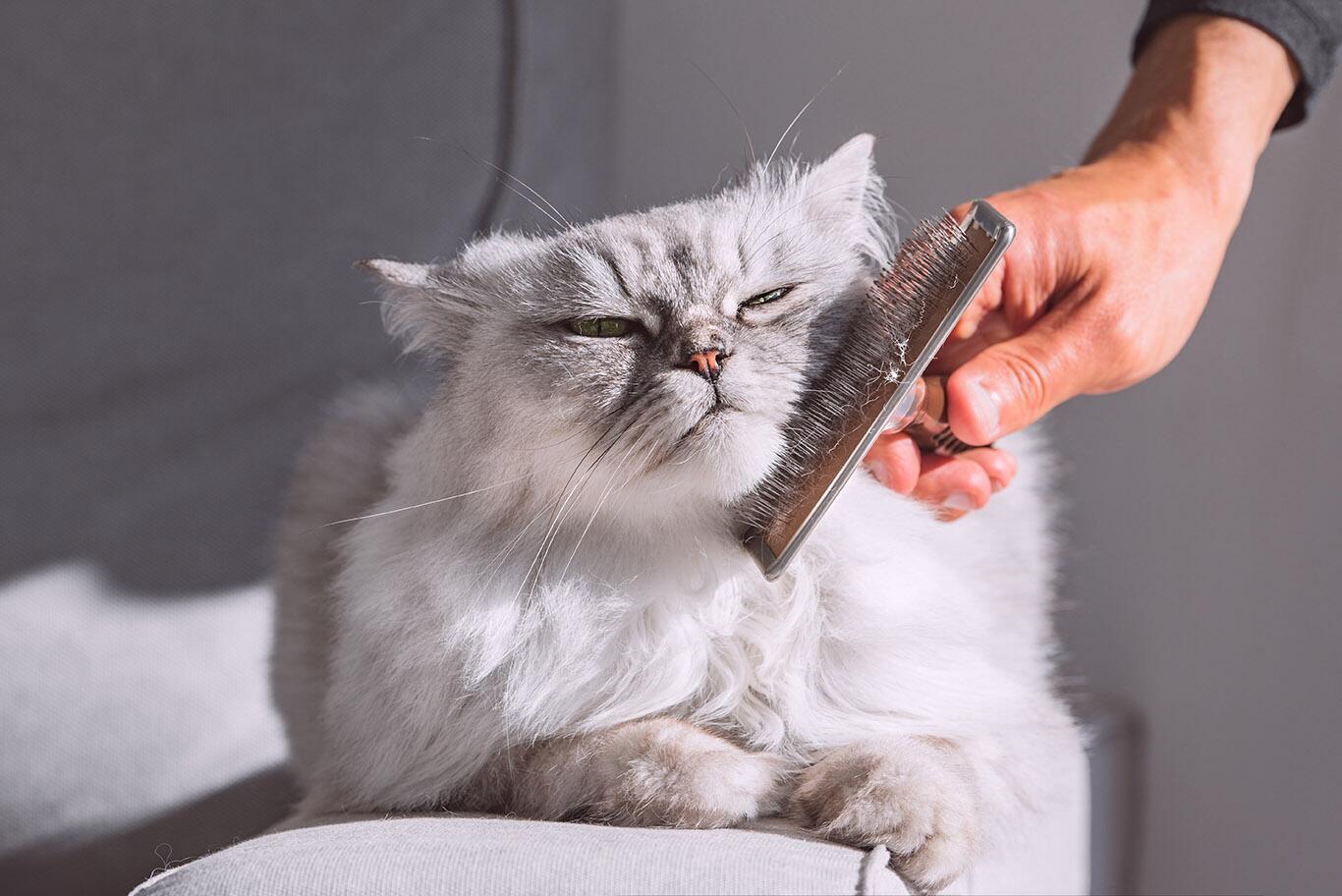
Credit: www.latimes.com
Frequently Asked Questions
Why Does My Cat Groom After Waking Up?
Cats groom after waking to clean dirt and stimulate blood flow. It helps them feel refreshed and alert for activity.
Is Grooming After Waking A Sign Of Stress?
Not usually. Grooming after waking is a normal behavior for cats. Excessive grooming might indicate stress or health issues.
How Often Do Cats Groom Throughout The Day?
Cats groom several times daily, including after waking. Grooming keeps their coat clean and regulates body temperature.
Can Grooming After Waking Indicate Health Problems?
Rarely. If grooming is excessive or causes hair loss, consult a vet. Otherwise, it’s a natural waking routine.
Conclusion
Cats wake and groom to stay clean and feel calm. Grooming helps them relax and keep their fur healthy. It also shows they feel safe and happy. Watching this behavior helps you understand your cat better. Remember, grooming is a normal and important habit for cats.
Always give your pet time and space for this daily routine. It’s a small act that keeps your cat content and healthy.


Leave a Reply