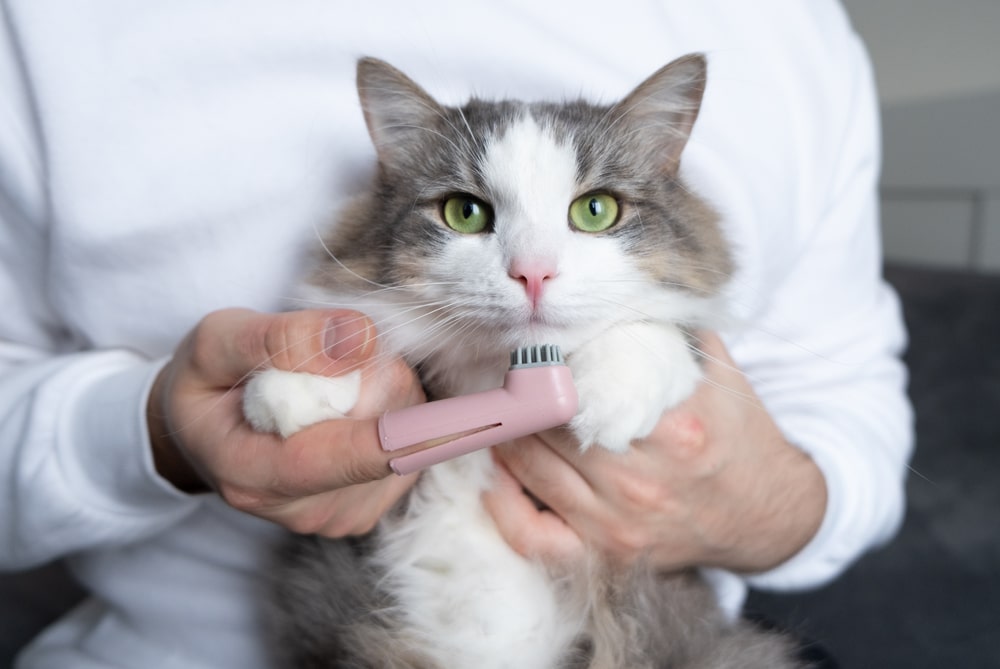
Are you wondering if you should groom your cat? You might think cats take care of themselves, but grooming your furry friend has surprising benefits.
It keeps their coat shiny, reduces shedding, and even helps you spot health issues early. Plus, it can strengthen the bond between you and your cat. Keep reading to discover why grooming is more important than you might think—and how to do it right for your cat’s happiness and health.
)
Credit: www.northroadvet.com.au
Benefits Of Grooming Cats
Grooming cats offers many benefits that improve their health and happiness. Regular brushing and cleaning help maintain a cat’s well-being. It supports their natural beauty and keeps them comfortable.
Improved Coat Health
Brushing removes dirt, debris, and loose fur from your cat’s coat. It helps spread natural oils across the fur, making it shiny and soft. Grooming reduces the chance of matting and tangles, which can hurt your cat’s skin. A well-groomed coat looks healthier and feels better to touch.
Reduced Shedding
Shedding is normal, but grooming lowers loose fur around your home. Regular brushing catches dead hair before it falls off. This keeps your furniture and clothes cleaner. It also reduces hairballs your cat might cough up. Less shedding means a tidier house and happier pet.
Early Detection Of Health Issues
Grooming gives you a chance to check your cat’s skin and body closely. You can spot lumps, bumps, or wounds early. It helps find signs of fleas, ticks, or infections quickly. Early detection means faster treatment and less pain for your cat. Grooming time can save your cat’s life.

Credit: www.purina.com
When To Start Grooming
Knowing when to start grooming your cat is important for its health and comfort. Grooming helps keep your cat’s coat clean and reduces shedding. It also helps you check for skin problems or parasites early. Starting at the right time makes grooming easier for both you and your cat.
Kittens Vs Adult Cats
Start grooming kittens as early as possible. Gentle brushing helps them get used to touch. It builds trust and makes grooming less stressful later. Kittens have soft fur that needs gentle care.
Adult cats may resist grooming at first. Introduce grooming slowly and calmly. Use soft brushes and short sessions. Adult cats may need grooming more often if they have thick or long fur.
Signs Your Cat Needs Grooming
- Mattes or tangles in the fur
- Excessive shedding around the house
- Dull or dirty coat
- Visible dirt or debris on the fur
- Skin irritation or redness
- Frequent scratching or biting at fur
Watch for these signs to know when grooming is needed. Regular checks help catch problems early. Grooming keeps your cat healthy and happy.
Essential Grooming Tools
Grooming cats keeps their fur clean and reduces shedding. Essential tools include a brush, nail clippers, and a comb for smooth, healthy coats. Regular grooming also helps spot skin problems early.
Grooming your cat is not just about aesthetics; it’s essential for their health and well-being. To ensure you have a seamless grooming experience, having the right tools is crucial. Just like a chef needs the right knives, a cat owner needs the right grooming tools. This section will guide you through some essential grooming tools that can make your life easier and your cat happier.Brushes And Combs
Regular brushing helps remove loose fur and prevent matting. For short-haired cats, a slicker brush can do wonders by gently removing loose hair. Long-haired cats, like Persians, may require a wide-toothed comb to detangle their luxurious coats. Brushing can also be a bonding activity. When you gently brush your cat, it can soothe them and give you some quality time together.Nail Clippers
Trimming your cat’s nails can prevent them from becoming too sharp and causing accidental scratches. It’s important to use clippers designed for cats, as human nail clippers can split their nails. If you’re nervous about cutting too close, consider trying a scissor-style clipper with a safety guard. Regular nail trimming can save your furniture and keep your cat comfortable.Ear And Eye Care Supplies
Cats can accumulate debris in their ears and eyes, which can lead to infections if not addressed. Cotton balls and a gentle ear-cleaning solution can help maintain clean ears. For eye care, use a damp cotton pad to gently wipe away any discharge. Always check your cat’s ears and eyes for signs of irritation or redness. By having these essential tools on hand, you’re better equipped to handle your cat’s grooming needs. How often do you groom your cat, and what tools do you find indispensable?
Credit: www.angiesmobilepetstyling.com
Step-by-step Grooming Process
Grooming your cat is more than just keeping them clean; it strengthens your bond and supports their health. A clear, step-by-step grooming routine can make the experience pleasant for both of you. Let’s look at how you can carefully brush, bathe, and trim your cat’s nails with confidence.
Brushing Techniques
Choose a brush suited to your cat’s fur type—slicker brushes for long hair, bristle brushes for short hair. Start by gently running the brush along your cat’s back, moving in the direction of hair growth. Notice how your cat reacts; if they seem tense, slow down and speak softly to keep them calm.
Focus on areas prone to mats, like behind the ears and under the legs. Use short, gentle strokes and avoid pulling on tangles. Have you tried using a detangling spray designed for pets? It can make brushing easier and less uncomfortable.
Bathing Tips
Bath time might sound challenging, but with preparation, it can be smooth. Use lukewarm water and a shampoo made specifically for cats to avoid skin irritation. Keep the water level low—just enough to wet your cat’s fur without causing stress.
Start by wetting your cat slowly, avoiding the head area initially. Use a cup or gentle sprayer to rinse thoroughly but quietly. After shampooing, rinse well to prevent residue that can cause itching. Have a warm towel ready for drying, and consider using a blow dryer on a low, cool setting if your cat tolerates it.
Nail Trimming Guide
Trim your cat’s nails regularly to prevent overgrowth and scratching damage. Use a sharp, cat-specific nail clipper for clean cuts. Hold your cat’s paw gently and press the pad to extend the nails, making the quick (the pink part) visible.
Cut only the clear, white tip of the nail to avoid bleeding and pain. If you’re unsure, trim a tiny bit at a time. Reward your cat with treats afterward to create a positive association. Have you ever noticed how calm your cat becomes after a quick nail trim? It’s a small task with big benefits.
Handling Common Grooming Challenges
Grooming cats can be tricky at times. Many cat owners face challenges that make the process harder. Understanding common grooming problems helps keep your cat comfortable and healthy.
Patience and simple tips can make grooming easier. Knowing how to handle hairballs, matting, and anxious behavior improves the experience for both you and your cat.
Dealing With Hairballs
Hairballs form when cats swallow loose fur while cleaning. These can cause coughing or vomiting. Regular brushing reduces loose fur and hairballs.
Offer your cat plenty of water to help hair pass through the digestive system. Specialized hairball control foods can also help manage this issue.
Managing Matting And Tangles
Matting happens when fur clumps and knots. It can cause discomfort and skin problems. Use a wide-toothed comb to gently work through tangles.
For tough mats, trim carefully or seek help from a professional groomer. Regular grooming prevents mats from forming and keeps fur smooth.
Calming Anxious Cats
Many cats feel stressed during grooming. Speak softly and move slowly to create a calm environment. Short grooming sessions build trust and reduce fear.
Use treats and gentle petting as rewards. A quiet room with familiar scents helps your cat relax during grooming time.
When To Seek Professional Help
Knowing when to seek professional help for grooming your cat can make a big difference in your pet’s comfort and health. Some grooming tasks can be tricky or even risky if you’re not experienced. Recognizing the signs that your cat needs a groomer ensures they get the care they deserve without stress or harm.
Signs You Need A Groomer
Is your cat scratching more than usual or seems uncomfortable? Matted fur is one of the clearest signs it’s time for a professional. These tough tangles can pull on the skin and cause pain, which is hard to manage at home.
Look for excessive shedding or bald patches. These might indicate skin problems or parasites that need expert attention. Also, if your cat shows signs of stress during grooming—like biting or hiding—professionals know how to handle these behaviors safely.
When you notice your cat’s nails have grown too long or are curling under, a groomer can trim them properly. Overgrown nails can cause injury or make walking painful.
Choosing The Right Professional
Not all groomers are the same, so finding the right one is key. Ask for recommendations from your vet or other cat owners you trust. A good groomer should have experience specifically with cats, not just dogs.
Visit the grooming salon before booking an appointment. Check if the environment looks clean and calm—your cat will pick up on stress, so a peaceful place helps. Don’t hesitate to ask about their methods and how they handle difficult cats.
Also, verify if the groomer has proper certifications or training in pet grooming. Professionals who understand cat behavior and health can spot problems early and offer advice tailored to your cat’s needs.
Grooming And Cat Behavior
Grooming affects how cats act around people. It helps cats feel calm and safe. Cats may trust you more if you groom them gently. Grooming also helps spot health problems early. It influences a cat’s mood and behavior in many ways.
Building Trust During Grooming
Trust grows when grooming is slow and calm. Use soft brushes and gentle strokes. Watch your cat’s reactions closely. Stop if your cat seems scared or angry. Speak softly to keep your cat relaxed. Trust means your cat feels safe with you. It takes time but is worth the effort.
Grooming As A Bonding Activity
Grooming is a chance to connect deeply. It shows care and attention to your cat. Cats enjoy being touched in the right spots. Grooming can become a fun, quiet time together. It helps reduce stress for both of you. Regular grooming strengthens your relationship over time.
Frequently Asked Questions
Why Is Grooming Important For Cats?
Grooming keeps cats’ coats clean and reduces shedding. It prevents hairballs and skin issues. Regular grooming strengthens the bond between you and your cat.
How Often Should You Groom Your Cat?
Most cats benefit from grooming once or twice a week. Long-haired cats may need daily brushing. Regular grooming prevents mats and tangles efficiently.
Can Grooming Reduce Cat Hair Allergies?
Yes, grooming removes loose fur and dander. This reduces allergens in your home. Using a damp cloth or brush helps minimize allergy triggers.
What Tools Are Best For Grooming Cats?
Use a soft-bristle brush for short-haired cats. Long-haired cats need a wide-toothed comb. Nail clippers and grooming wipes also help maintain hygiene.
Conclusion
Grooming cats helps keep their fur clean and healthy. It reduces shedding and stops hairballs. Regular brushing also lets you check for skin problems. Cats often enjoy gentle grooming as a bonding time. It takes just a few minutes each day.
Simple tools like a brush or comb work well. Start slowly and be patient with your cat. Grooming supports their comfort and well-being. Try it and see how your cat responds. Small efforts make a big difference in their health.


Leave a Reply