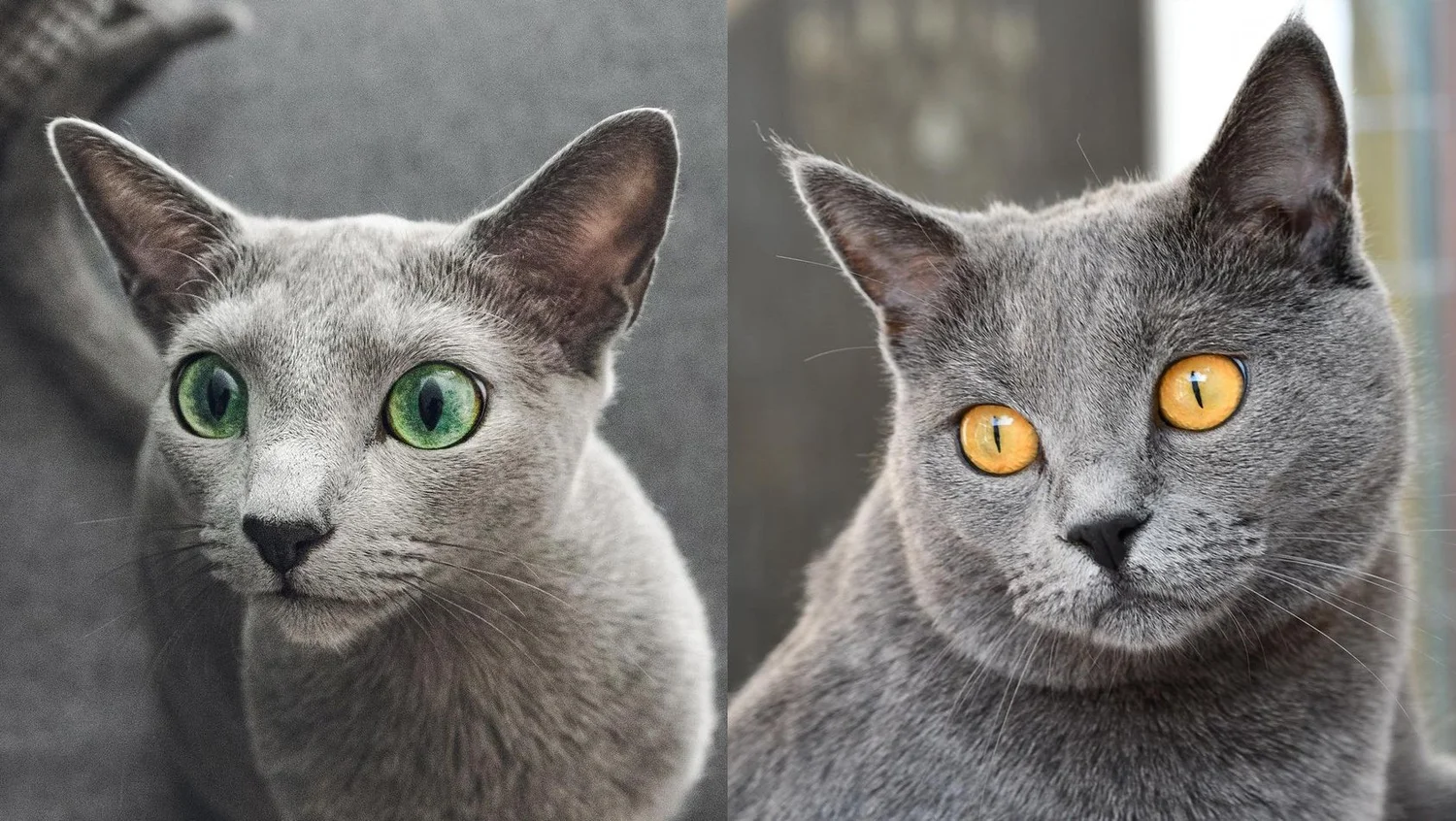
Have you ever looked at a cat and wondered what breed it is? Telling cat breeds apart can be tricky, especially when many cats share similar features.
But knowing the differences can help you understand your furry friend better and even choose the perfect companion for your home. You’ll discover simple tips and clear signs that make identifying cat breeds easier than ever. Keep reading, and soon you’ll be spotting the unique traits that set each breed apart with confidence.
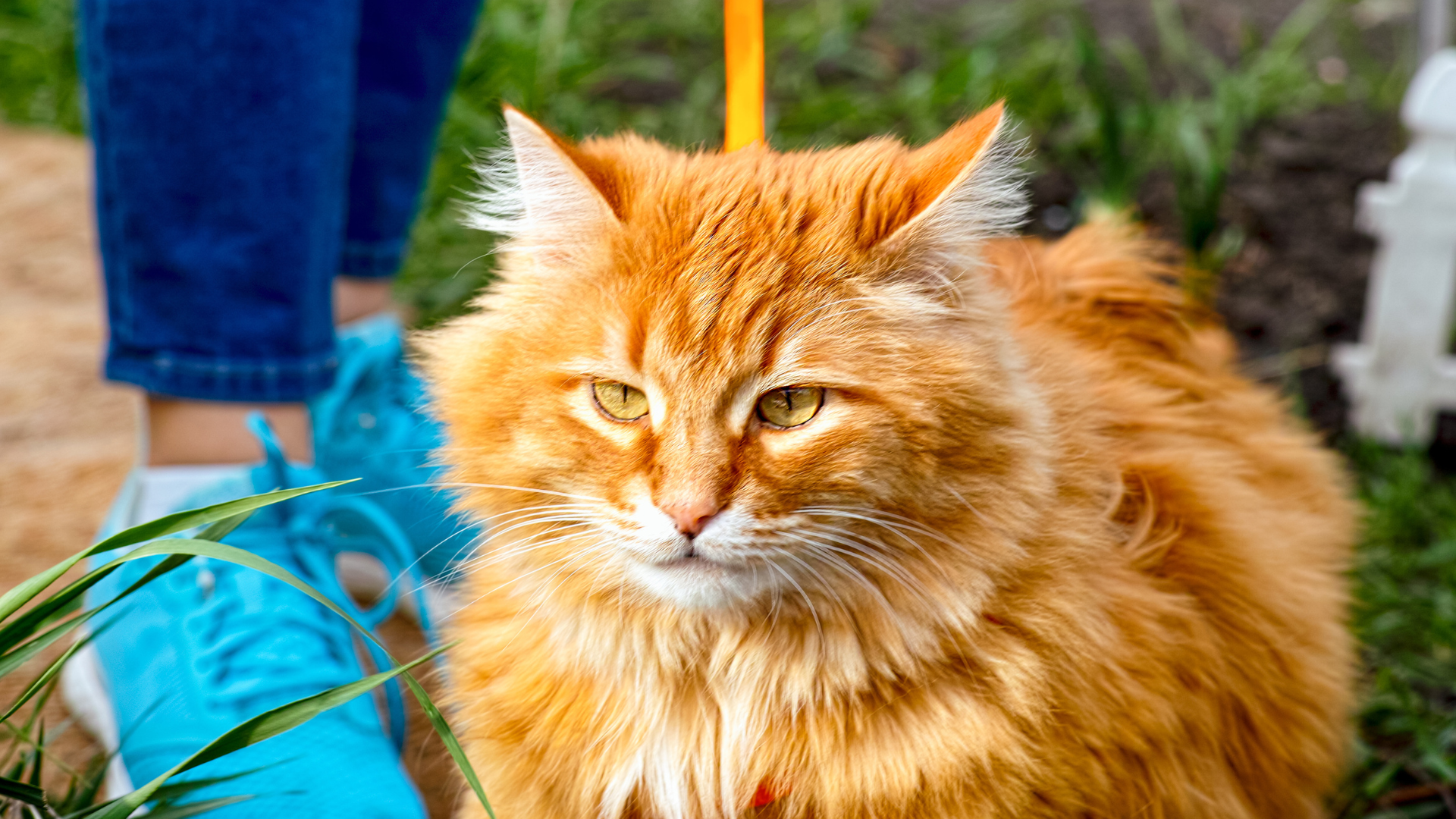
Credit: pethelpful.com
Key Cat Breed Traits
Understanding key traits helps identify different cat breeds easily. Each breed has unique features in coat, body, and eyes. These traits give clues about a cat’s origin and breed type.
Coat Patterns And Colors
Coat patterns vary greatly among cat breeds. Some common patterns include:
- Solid color, like black or white
- Tabby stripes or spots
- Colorpoint, with darker ears and tail
- Bi-color or tri-color combinations
- Spotted or marbled patterns
Color also plays a role. Some breeds have specific colors linked to them. For example, Siamese cats usually have cream bodies with dark points.
Body Shapes And Sizes
Body shape differs by breed. Some cats are slender and long, while others are short and stocky. Size varies too, from small breeds to large ones.
- Svelte and elegant bodies, like the Oriental breed
- Muscular and robust, like the Maine Coon
- Compact and rounded, like the British Shorthair
- Long legs or short legs depending on breed
Noticing body shape helps narrow down breed options quickly.
Eye Shapes And Colors
Eyes stand out in many cat breeds. Shapes range from round to almond-shaped. Color can be green, blue, amber, or copper. Some breeds have unique eye colors or patterns.
- Siamese cats often have striking blue eyes
- British Shorthairs may have deep copper eyes
- Green eyes appear in breeds like Russian Blue
- Odd-eyed cats have two different colored eyes
Eye traits add another layer to breed identification.
Popular Cat Breeds
Cats come in many shapes, sizes, and colors. Each breed has special features that make it unique. Knowing these traits helps in telling cat breeds apart. Here are some popular cat breeds and their key characteristics.
Siamese Features
Siamese cats have a sleek, slim body and short coat. Their points—the face, ears, paws, and tail—are darker than the rest of their body. They have striking blue almond-shaped eyes. Their ears are large and pointed. Siamese cats are very vocal and social.
Maine Coon Characteristics
Maine Coons are large and sturdy with a long, thick coat. Their fur is water-resistant and comes in many colors. They have tufted ears and bushy tails. Their paws are big and furry, perfect for cold weather. Maine Coons are friendly and gentle giants.
Persian Traits
Persians are known for their long, fluffy coats and flat faces. Their large, round eyes give them a sweet expression. They have a short nose and a rounded head. Persians are calm and love quiet environments. They require regular grooming due to their thick fur.
Bengal Markings
Bengals have a wild look with spotted or marbled coats. Their fur shines like satin and is very soft. The spots and rosettes resemble those of a leopard. Bengals are muscular and active cats. They enjoy climbing and playing a lot.
Sphynx Appearance
Sphynx cats are hairless with wrinkled skin. Their large ears and lemon-shaped eyes stand out. The lack of fur makes their skin feel warm and soft. Sphynx cats are curious and love attention. They need regular baths to remove oils from their skin.
Identifying Purebred Cats
Cats come in many shapes and colors. Identifying purebred cats can be tricky. Each breed has unique traits and characteristics. Knowing these can help in recognizing purebred cats. Let’s explore some ways to identify them.
Breed Standards And Registries
Breed standards define what a purebred cat looks like. Each breed has a set of traits. These include size, coat, color, and behavior. Cat registries maintain these standards. Examples include the Cat Fanciers’ Association (CFA) and The International Cat Association (TICA). These organizations list recognized breeds. They provide guidelines for each breed’s appearance and temperament.
Recognizing Mixed Breeds
Mixed breeds are common among cats. They have features from different breeds. This makes them unique. Recognizing mixed breeds can be harder. They may look like two or more breeds combined. Observing their behavior and traits can provide clues. Mixed breeds often have diverse looks and temperaments.
Genetic Testing Options
Genetic testing can identify cat breeds. It examines a cat’s DNA. This reveals its breed history and ancestry. Many companies offer these tests for pets. Results can show breed percentages. They also reveal health information. Genetic testing is a reliable way to know a cat’s breed makeup.
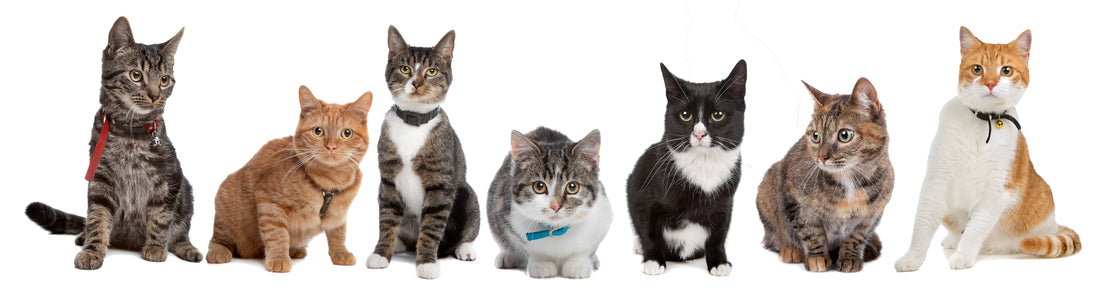
Credit: meowfia.us
Behavioral Clues To Breed
Behavioral clues can be a powerful way to tell cat breeds apart, especially when physical traits overlap. Each breed often has its own distinct personality and habits. Observing these behaviors can give you a clearer picture of what breed your cat might belong to.
Activity Levels
Some breeds are known for their high energy and constant playfulness, while others prefer a more relaxed lifestyle. For instance, Siamese cats tend to be very active, often seeking interactive play and exploration.
On the other hand, British Shorthairs usually enjoy lounging and are less likely to demand your attention constantly. Watching how much your cat moves around during the day can offer valuable hints about its breed.
Social Tendencies
How your cat interacts with people and other pets can reveal a lot. Breeds like the Ragdoll are famously friendly and often follow their owners from room to room, craving companionship.
Conversely, breeds such as the Russian Blue may be more reserved and prefer quiet spaces, showing affection selectively. Consider whether your cat seeks social interaction or prefers solitude when guessing its breed.
Vocalization Patterns
Some cats are chatty and love to “talk” to their owners, while others are mostly silent. Siamese cats, for example, are known for their loud, persistent meows and a wide range of vocal sounds.
In contrast, breeds like the Scottish Fold tend to be quieter and use vocalization sparingly. Paying attention to how often and how loudly your cat communicates can provide important clues to its breed identity.
Tools For Cat Identification
Identifying cat breeds can be tricky. Many breeds share similar features. Using the right tools helps make the process easier and more accurate. These tools assist in spotting breed traits and confirming breed types quickly. They offer a clear picture beyond just looks.
Photo Comparison Apps
Photo comparison apps let you upload cat pictures for breed analysis. These apps scan images and match them with breed databases. They highlight key features like coat patterns, ear shapes, and body size. Results show the closest breed matches. Apps often update with new breed info. This tool is quick and works well for casual identification.
Consulting Experts
Experts like veterinarians and breeders have deep knowledge of cat breeds. They can spot subtle differences that apps might miss. Experts provide advice on breed history and traits. Talking to them can clarify doubts about mixed or rare breeds. Their experience adds confidence to breed identification. Many offer consultations in person or online.
Using Dna Kits
DNA kits analyze your cat’s genetic makeup. They reveal breed composition and ancestry with high accuracy. You collect a small sample, usually a cheek swab. Labs return detailed reports on breed percentages and health markers. DNA testing works well for mixed-breed cats. It offers scientific proof, removing guesswork from identification.
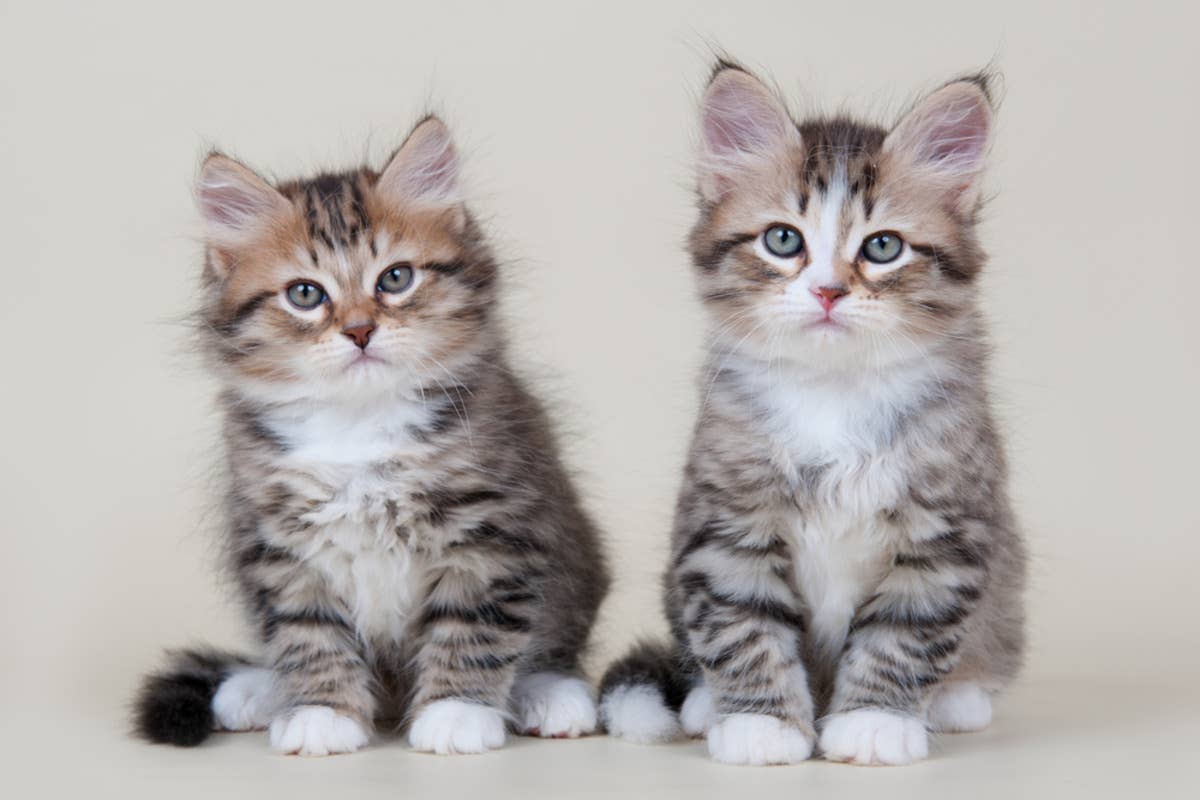
Credit: pethelpful.com
Frequently Asked Questions
How Can I Identify Different Cat Breeds Easily?
You can identify cat breeds by their coat patterns, size, ear shape, and eye color. Observing behavior also helps. Using breed guides or apps can assist in quick identification.
What Are The Most Common Cat Breed Features?
Common features include fur length, color patterns, body size, and ear shape. Some breeds have distinctive traits like folded ears or curly fur. Recognizing these helps differentiate breeds.
Do Cat Breeds Have Unique Personalities?
Yes, many cat breeds exhibit specific personality traits. For example, Siamese cats are vocal and social, while Persians are calm and affectionate. Personality clues support breed identification.
Can Mixed Breed Cats Be Identified By Appearance?
Mixed breed cats often show traits from multiple breeds. Identification is harder but possible by noting dominant features. DNA testing provides the most accurate breed information.
Conclusion
Knowing how to tell cat breeds apart helps you understand your pet better. Each breed has unique looks and traits. Pay attention to size, fur, and face shape. These clues make identification easier. Enjoy watching cats and learning their differences.
It makes caring for them more fun and special. Keep practicing, and you’ll spot breeds with confidence. Cats bring joy no matter the breed.


Leave a Reply