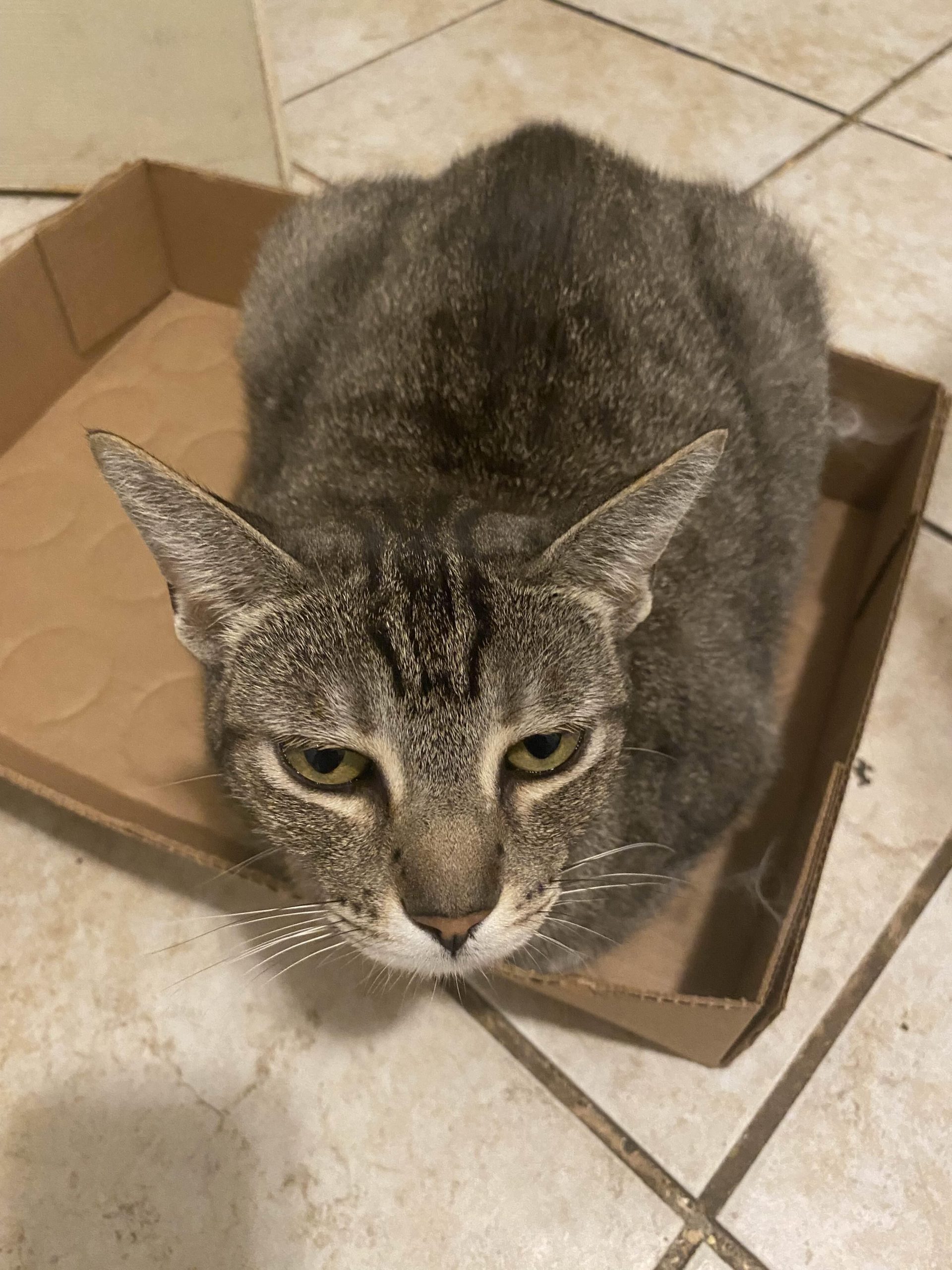
Have you ever wondered what would happen if a cat and a dog could be bred together? It’s a strange idea, right?
But imagining such a creature sparks curiosity and excitement. What would it look like? How would it behave? If you’re fascinated by the thought of a pet that blends the best traits of both cats and dogs, this article is for you.
Keep reading to discover surprising possibilities and answers you might never have considered. Your next favorite imaginary pet might just be a mix of these two beloved animals!
Cat And Dog Genetics
Understanding the genetics behind cats and dogs helps explain why a hybrid of the two is impossible. Their DNA structures differ greatly, affecting everything from appearance to behavior. If you’ve ever wondered why these animals remain so distinct, the answers lie deep within their genetic code.
Differences In Dna
Cats and dogs have very different DNA sequences. Your cat’s DNA contains about 20,000 genes, while a dog’s genome also has a similar number, but arranged differently. These differences affect how their bodies develop and function.
For example, the gene responsible for a dog’s sense of smell is far more developed than in cats. This genetic variation influences their senses, instincts, and even how they communicate. Could you imagine blending such distinct traits successfully?
Chromosome Incompatibility
Another major barrier is chromosome incompatibility. Cats have 38 chromosomes, while dogs have 78. This mismatch makes it biologically impossible for them to produce offspring together.
Chromosomes carry genes, and when they don’t pair correctly during reproduction, fertilization can’t happen. Even in closely related species, mismatched chromosomes often prevent hybrids from forming. So, no matter how much you might want a “catdog,” nature has set firm limits.

Credit: www.youtube.com
Historical Myths And Stories
For centuries, the idea of a cat and dog hybrid has sparked imaginations and inspired tales across cultures. These mythical creatures, often depicted as having the best qualities of both animals, have been the subject of numerous stories throughout history. While science tells us that such a combination is biologically impossible, the allure of these fantastical beings continues to captivate us.
Folklore And Legends
In ancient folklore, creatures that combined characteristics of different animals were not uncommon. Among these, the mythical hybrid of a cat and dog sometimes appeared as a symbol of harmony. In some tales, these creatures were believed to possess the keen instincts of a cat and the loyalty of a dog.
Consider a story passed down through generations in a small village, where a legendary “Cag” guarded the homes of both cats and dogs. It was said to bring prosperity and protect against misfortune. These stories, while fictional, reflect the human desire to combine the admired traits of these beloved pets.
Modern Misconceptions
Today, the internet is rife with photoshopped images and rumors of cat-dog hybrids that continue to fuel curiosity. However, these are merely playful fabrications, often shared for entertainment. Genetics shows us that cats and dogs are too different to produce offspring.
Yet, the fascination persists, perhaps because it challenges our understanding of nature’s boundaries. Have you ever caught yourself wondering what such a creature might be like? This curiosity speaks to our innate love for the unique and the extraordinary.
While reality may not allow for a true cat-dog hybrid, the tales and myths surrounding them remind us of the magic and wonder that stories bring to our lives.
Biological Barriers
Biological barriers prevent cats and dogs from breeding together. These barriers exist naturally to keep species separate. They include differences in body structure and behavior. Such barriers make crossbreeding impossible under normal conditions.
Reproductive Anatomy
Cats and dogs have very different reproductive organs. Their size and shape do not match for mating. Cats are smaller with narrow birth canals. Dogs have larger, differently shaped organs. These differences block successful mating and fertilization.
The timing of reproductive cycles also varies. Cats are induced ovulators, needing stimulation to release eggs. Dogs have regular heat cycles with different timing. These mismatched cycles reduce chances of pregnancy even if mating occurs.
Mating Behaviors
Cats and dogs show very different mating behaviors. Cats use quiet, subtle signals like purring and rubbing. Dogs use loud vocalizations and physical displays. These signals guide mating partners to the right mate.
Cats are solitary hunters and often avoid other animals. Dogs are pack animals with social mating rituals. Their instincts do not align for cross-species mating. This behavioral gap acts as a strong barrier.

Credit: www.youtube.com
Scientific Attempts And Experiments
Scientists have long been curious about breeding different animal species. Crossing animals with close relations sometimes produces hybrids. But breeding a cat with a dog is an extreme challenge. These two animals have very different genetics and behaviors. Scientists have tried some experiments to explore this idea. The results show why such a hybrid remains impossible today.
Hybridization In Other Species
Hybrid animals exist in nature and labs. Some examples include:
- Liger – a mix of lion and tiger
- Mule – a cross between a horse and a donkey
- Zonkey – a zebra and donkey hybrid
These hybrids form because the parent species share similar DNA. Their chromosomes can align and combine during reproduction. The offspring sometimes inherit traits from both parents. This process is called hybridization.
Hybrid animals often face health or fertility issues. Still, their success proves that related species can sometimes mate. Cats and dogs, however, belong to separate families. Their genetic material differs too much for natural hybridization.
Failed Crossbreeding Trials
Several attempts to breed cats and dogs have been recorded. Most involve artificial insemination or close confinement. None have produced viable offspring. The key reasons include:
- Different number of chromosomes
- Distinct reproductive cycles
- Incompatible mating behaviors
- Biological barriers at the cellular level
Scientists found that even fertilization rarely occurs between cat and dog cells. Embryos fail to develop properly. These failures highlight the vast genetic gap between the two species.
Experiments continue to study hybridization limits. But a cat-dog hybrid remains a myth rather than reality.
Possible Genetic Engineering
Possible genetic engineering could change how we think about animal breeding. Scientists explore ways to combine traits from different species. This idea sparks curiosity and debate. Creating a hybrid of a cat and a dog involves complex genetic work. It pushes the boundaries of science and ethics alike.
Crispr And Gene Editing
CRISPR is a powerful tool for editing genes precisely. It allows scientists to cut and change DNA at specific spots. Using CRISPR, researchers could potentially mix genes from cats and dogs. This might create an animal with traits from both species.
Gene editing can target traits like size, fur, or behavior. The process involves:
- Identifying the gene responsible for a trait
- Cutting the gene using CRISPR technology
- Inserting a gene from another species
Still, this science is in early stages for complex hybrids. Many challenges remain in making safe and stable hybrids.
Ethical Considerations
Creating animals through genetic engineering raises serious ethical questions. Should humans alter nature so drastically? What about the well-being of the hybrid animals? These questions need careful thought.
Ethical concerns include:
- Animal welfare and quality of life
- Possible health problems from mixed genes
- Impact on ecosystems and natural species
- Consent and responsibility for created beings
Scientists and society must weigh the risks and benefits. Responsible use of genetic engineering is crucial.

Credit: www.reddit.com
Impact On Pet Industry
The idea of a cat bred with a dog might sound like science fiction, but imagining its impact on the pet industry reveals some interesting possibilities. Such a hybrid would challenge traditional views and influence market trends, pet care products, and breeding practices. Understanding these changes helps you grasp how the pet world could evolve if such a crossbreed existed.
Demand For Hybrid Pets
Hybrid pets often attract a lot of attention. People love unique animals that stand out, and a cat-dog mix would likely spark huge curiosity. You might see a surge in demand, with potential owners eager to own something truly one-of-a-kind.
Pet stores and breeders could start offering specialized products and services. Imagine toys that cater to both feline agility and canine playfulness, or grooming tools designed for mixed fur types. This could create new business opportunities, but it also raises questions about how well the market can adapt.
Animal Welfare Concerns
Breeding a cat and a dog raises serious ethical questions. These animals have different genetics, behaviors, and needs, which complicates their health and wellbeing. You might ask yourself: is it right to create an animal that could face physical or psychological challenges just to satisfy human curiosity?
Veterinarians and animal rights groups would likely warn against potential suffering. The hybrid’s unique needs could make care difficult, leading to stress or illness. Before jumping on the trend, consider how this impacts the animals themselves, not just the novelty factor.
Conclusion On Hybrid Possibility
Exploring the idea of a cat bred with a dog sparks curiosity. This concept challenges biology and genetics. Both animals are quite different in species and traits. The possibility of a hybrid raises many questions about nature and science. Understanding the reality requires looking at scientific facts and future research.
Scientific Consensus
Experts agree that a cat-dog hybrid is not possible. Cats and dogs have different numbers of chromosomes. This difference makes breeding between them impossible. Their genetic structures do not match for reproduction. Nature prevents such crossbreeding to maintain species boundaries.
Scientists study animal hybrids, but only close species can mate. Cats and dogs belong to separate families. This separation is too wide for hybrid offspring. The idea remains a myth in scientific communities.
Future Prospects
Genetic engineering grows fast but faces big challenges. Creating a cat-dog hybrid would need altering many genes. Current technology cannot merge such different animals safely. Ethical concerns also limit experiments in this area.
Future research might explore new possibilities. Still, combining two distinct species like cats and dogs is very unlikely. Science focuses more on preserving natural diversity. Respect for animal welfare guides future studies.
Frequently Asked Questions
Can A Cat And Dog Breed Naturally?
No, cats and dogs cannot breed naturally. They belong to different species with incompatible genetics. Hybrid offspring between them are biologically impossible.
What Would A Cat-dog Hybrid Look Like?
A cat-dog hybrid does not exist in reality. Imaginary hybrids often blend physical traits like fur patterns or ears, but these are purely fictional.
Are There Any Similar Real Animals To Cat-dog Hybrids?
No real animals resemble a cat-dog hybrid. Cats and dogs belong to separate families, Felidae and Canidae, with distinct evolutionary paths.
Why Can’t Cats And Dogs Interbreed?
Cats and dogs have different chromosome numbers and reproductive biology. This genetic difference prevents successful mating or producing offspring.
Conclusion
A cat bred with a dog is just a fun idea, not real. Nature keeps cats and dogs very different. Each animal has its own special traits. Imagining a mix shows how unique pets truly are. Both cats and dogs bring joy in their own ways.
Enjoy their differences and love them as they are. Pets make life happier, no matter their type. Keep your pets safe and cared for every day. That’s what really matters most.

Leave a Reply