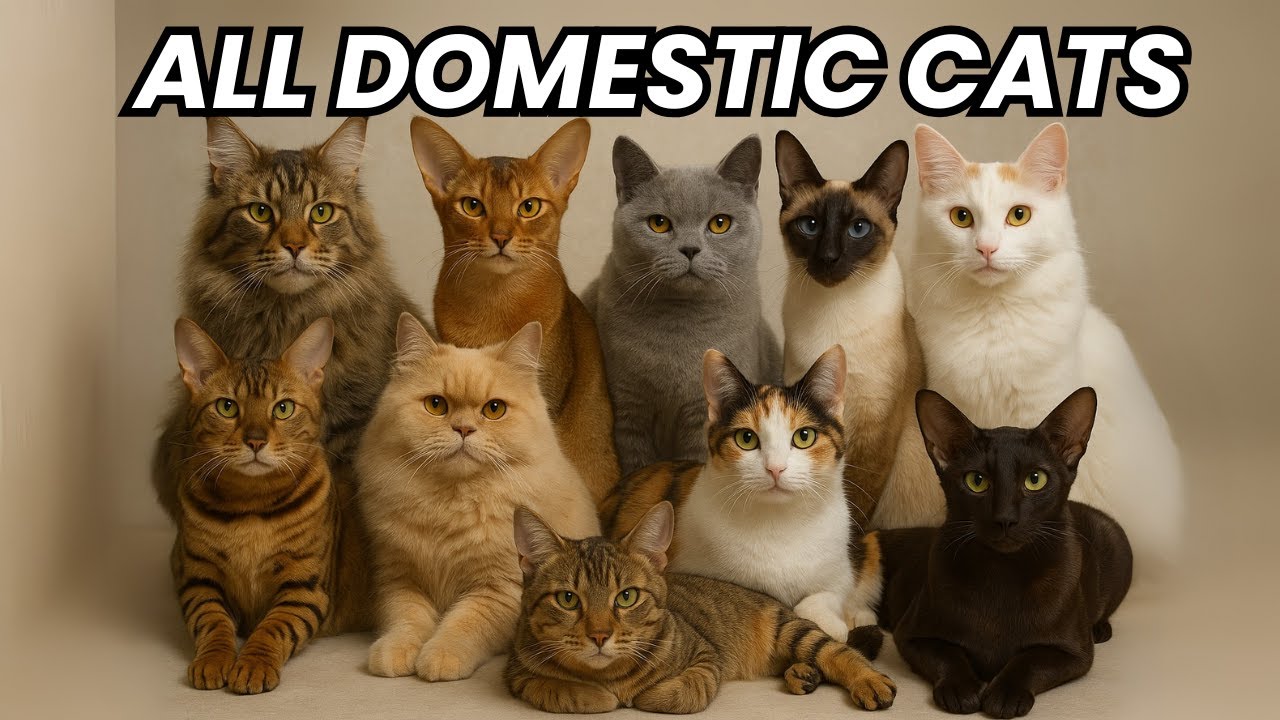
Have you ever wondered how many breeds of domesticated cats there really are? If you’re curious about the different types of cats you might meet or even bring into your home, you’re in the right place.
Understanding the variety of cat breeds can help you find the perfect furry friend that matches your lifestyle and personality. Keep reading, and you’ll discover surprising facts about these fascinating creatures that could change the way you see your next pet.
Cat Breed Basics
Understanding the basics of cat breeds helps you appreciate the rich variety of our feline friends. Each breed carries unique traits that make it special, from appearance to behavior. Knowing these basics can guide you in choosing a cat that fits your lifestyle or simply deepen your love for these animals.
What Makes A Cat Breed
A cat breed is defined by a set of consistent physical and behavioral traits passed down through generations. These traits include fur length, color patterns, eye shape, and personality characteristics.
Breeders carefully select cats with specific traits to maintain breed standards. This selective breeding ensures that a breed retains its unique look and temperament over time.
Have you noticed how some cats are more social while others prefer solitude? These differences often come from their breed’s genetic background.
History Of Domesticated Cats
Domesticated cats have a history that stretches back thousands of years. Early humans valued cats for their hunting skills, especially in protecting food stores from rodents.
The ancient Egyptians were among the first to keep cats as pets, and they even worshipped them. This close relationship helped shape the breeds we see today.
Over centuries, cats spread across the world, adapting to new environments and developing distinct breeds. This history explains why some breeds thrive in specific climates or regions.
Popular Cat Breeds
Popular cat breeds capture the hearts of many pet lovers worldwide. Each breed offers distinct looks and personalities. Understanding these popular breeds helps you find the perfect feline friend. From playful to calm, cats come in many shapes and sizes. Their unique traits make them special companions. Some breeds are known for their beauty, others for their friendly nature.
Top 10 Most Loved Breeds
- Siamese – Vocal and social with striking blue eyes
- Maine Coon – Large, gentle, and great with families
- Persian – Long-haired and calm with a sweet face
- Ragdoll – Relaxed and affectionate, often floppy when held
- Bengal – Wild-looking with spotted fur and high energy
- British Shorthair – Round face and thick coat, very friendly
- Sphynx – Hairless, warm, and loves attention
- Abyssinian – Sleek, active, and curious explorer
- Scottish Fold – Unique folded ears and gentle nature
- Russian Blue – Silver-blue coat and shy but loyal
Unique Traits Of Popular Breeds
| Breed | Unique Trait |
|---|---|
| Siamese | Talkative with a loud, clear voice |
| Maine Coon | Huge size and tufted ears |
| Persian | Thick, long fur requiring regular grooming |
| Ragdoll | Goes limp when picked up, very docile |
| Bengal | Leopard-like spots and energetic play |
| British Shorthair | Round face with plush, dense fur |
| Sphynx | No fur, feels warm and soft to touch |
| Abyssinian | Ticked coat and very active |
| Scottish Fold | Folded ears giving a unique look |
| Russian Blue | Shy, with a soft blue-gray coat |
Breed Classification
Understanding cat breed classification helps in identifying feline varieties. The world of domesticated cats is diverse and fascinating. Each breed has unique traits and characteristics. These traits range from physical appearance to behavior patterns. Cat breeds are classified into various categories. This classification aids in maintaining breed standards and lineage.
Purebred Vs Mixed Breed
Purebred cats have a documented pedigree. They descend from specific ancestry lines. Breeders work to maintain their distinctive traits. These traits include coat patterns, eye color, and size. Mixed breed cats, on the other hand, have diverse backgrounds. They often result from the combination of different purebreds. This mix creates a unique blend of characteristics. Mixed breeds are sometimes healthier due to genetic diversity.
International Breed Standards
International organizations set breed standards. These standards ensure consistency in breed characteristics. The International Cat Association (TICA) and Cat Fanciers’ Association (CFA) are key players. They define the ideal traits for each breed. Standards cover physical features like head shape, body size, and fur texture. Breeders adhere to these guidelines to produce cats that fit the standard. This helps maintain breed integrity across the globe.
:format(jpeg):quality(75))
Credit: manypets.com
Rare And Exotic Breeds
Rare and exotic cat breeds often capture our imagination with their unusual traits and fascinating histories. These cats are not just pets; they are conversation starters and unique companions. If you enjoy having a cat that stands out, discovering these breeds can be truly exciting.
Uncommon Cat Breeds Around The World
Some cat breeds remain hidden gems outside their native regions. The Sokoke, for instance, comes from Kenya and is known for its wild, spotted coat and energetic personality. It’s a breed that many cat lovers have never heard of but is cherished by those who have one.
Similarly, the Kurilian Bobtail, originating from the Kuril Islands between Russia and Japan, is famous for its distinctive bobbed tail and strong hunting instincts. These cats are incredibly loyal, often forming tight bonds with their owners.
Have you ever wondered what it’s like to own a breed that few people around you have seen? These uncommon cats offer a special kind of companionship that’s hard to find in more popular breeds.
Breeds With Unique Appearances
Some cats look like they belong in a fantasy world rather than your living room. The Lykoi, often called the “werewolf cat,” has a patchy coat and striking facial features that set it apart. Despite its wild look, the Lykoi is playful and affectionate.
The Sphynx is another breed famous for its hairless body and large ears. While they may require more skin care, their friendly and curious nature makes them wonderful pets. These unique appearances can challenge your usual idea of what a cat should look like.
Which of these rare appearances would you feel comfortable with in your home? Sometimes, the most unusual looks come with the sweetest personalities, offering a rewarding experience for any cat owner.
Counting The Cat Breeds
Counting the number of domesticated cat breeds is not as simple as it sounds. Different groups around the world recognize various breeds. Some breeds are new, while others have been known for centuries. The total number changes depending on who you ask.
Number Of Recognized Breeds Globally
Worldwide, there are about 70 to 75 recognized cat breeds. This number covers well-known breeds like the Siamese and Persian. It also includes rare ones such as the Kurilian Bobtail or the Sokoke. Each breed has unique traits in looks and personality.
Breed numbers can grow as new types emerge. Breeders and cat clubs often develop new breeds. They do this by mixing existing breeds or discovering natural ones. This keeps the list of cat breeds dynamic and interesting.
Differences In Breed Recognition By Organizations
Not all cat organizations agree on the same breeds. Some groups recognize certain breeds that others do not. This difference happens because of rules and standards. For example, the Cat Fanciers’ Association (CFA) recognizes fewer breeds than The International Cat Association (TICA).
Here is a simple comparison:
| Organization | Number of Recognized Breeds |
|---|---|
| Cat Fanciers’ Association (CFA) | 44 |
| The International Cat Association (TICA) | 73 |
| Fédération Internationale Féline (FIFe) | 48 |
These differences show how breed recognition depends on the organization’s rules. Some focus on strict breed features. Others accept new or experimental breeds faster.
Choosing The Right Breed
Choosing the right breed of domesticated cat is important for a happy home. Each breed has unique traits that affect how they fit with your family and lifestyle. Knowing these differences helps you pick a cat that matches your needs and personality. This section covers key points to consider before bringing a cat home.
Personality And Temperament
Cat breeds vary widely in personality. Some breeds are playful and energetic, while others are calm and quiet. Consider how active you want your cat to be. Some cats love attention and social time. Others prefer solitude and gentle interaction.
Think about your family members too. A lively cat might not suit small children. A shy breed may need a calm environment. Matching temperament with your home helps prevent stress for both you and your cat.
Care Needs And Lifestyle Compatibility
Different breeds have different care needs. Some cats require daily grooming due to long fur. Others need special diets or more exercise. Your daily routine affects how well you can care for your cat.
Living space matters as well. Large, active breeds may need room to roam. Smaller, quiet breeds fit well in apartments. Your time at home also counts. Cats that need lots of attention may not do well if you are away often.
Consider these points:
- Grooming frequency
- Exercise needs
- Space requirements
- Social interaction
- Health care demands
Future Of Cat Breeding
The future of cat breeding holds many exciting possibilities. Breeders are exploring new ways to develop unique cat breeds. This pursuit balances innovation with care for cat health and well-being. Advances in genetics and animal care shape how new breeds emerge. At the same time, ethical questions guide breeding choices to protect cats.
Emerging Breeds
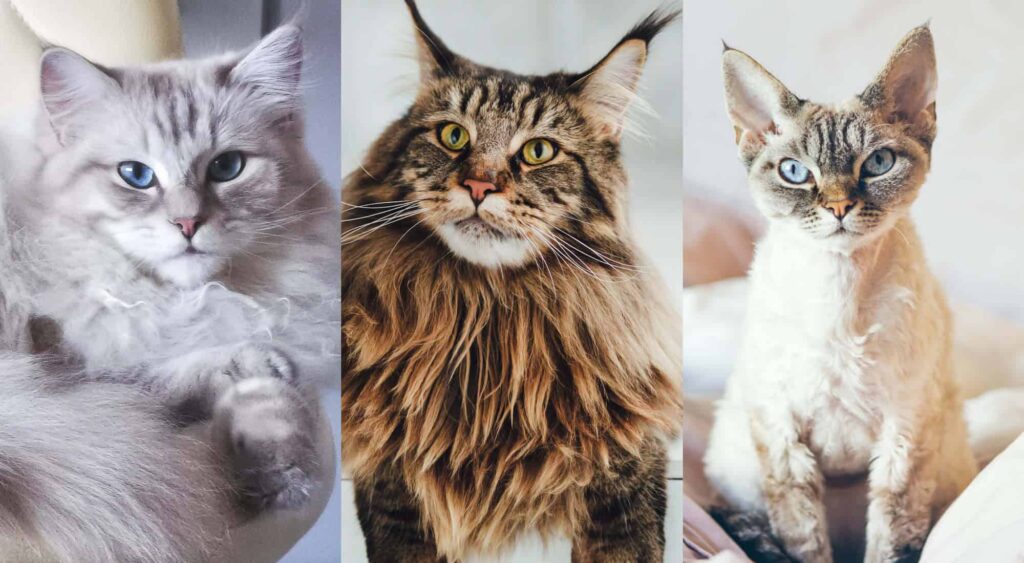
New cat breeds continue to appear around the world. Breeders focus on traits like coat patterns, size, and personality. Some emerging breeds come from natural mutations, others from crossbreeding. Popular examples include the Lykoi, known as the “werewolf cat,” and the Dwelf, a mix of three rare breeds.
These breeds often attract cat lovers seeking something different. Yet, breeders must monitor the health of these new cats closely. Careful selection helps avoid genetic problems and ensures strong, happy cats.
Ethics And Breeding Practices
Ethics play a key role in modern cat breeding. Responsible breeders avoid inbreeding and health risks. They prioritize the cats’ quality of life over appearance alone. Many follow guidelines from cat associations and veterinary experts.
Good practices include:
- Regular health checks for breeding cats
- Screening for genetic diseases
- Providing safe and loving environments
- Educating new cat owners
Ethical breeding aims to protect cats and enrich the breed pool. It also supports the welfare of pet cats everywhere.
Credit: meowfia.us
Credit: rawznaturalpetfood.com
Frequently Asked Questions
How Many Breeds Of Domesticated Cats Exist Worldwide?
There are approximately 70 to 75 recognized domesticated cat breeds globally. Different cat associations may list varying numbers based on criteria. Each breed has unique traits, appearances, and temperaments, contributing to the diversity of domesticated cats.
What Are The Most Popular Domesticated Cat Breeds?
Popular breeds include the Persian, Siamese, Maine Coon, Ragdoll, and Bengal. These cats are loved for their distinct looks and friendly personalities. Popularity can vary by region and trends in pet ownership.
How Do Cat Breeds Differ From Each Other?
Cat breeds differ in size, coat type, color patterns, and personality traits. Some breeds are more active, while others are calm or affectionate. These differences come from selective breeding and natural adaptations over time.
Can Mixed-breed Cats Be Considered Domesticated Cats?
Yes, mixed-breed cats are domesticated but not classified as specific breeds. They often have diverse traits from multiple breed ancestries. Mixed-breeds make wonderful pets and can be healthier due to genetic diversity.
Conclusion
Cats come in many different breeds, each with its own charm. Some breeds are rare, while others are common worldwide. Knowing the number of cat breeds helps you appreciate their variety. Every breed has unique looks and personality traits. Choosing the right breed depends on your lifestyle and preferences.
Cats bring joy and comfort to many homes. Explore and enjoy the fascinating world of domesticated cats.


Leave a Reply