Have you noticed your cat spending more time licking or scratching than usual? Over grooming can be more than just a quirky habit—it might signal that your furry friend is uncomfortable or stressed.
But did you know that some cats are actually more prone to over grooming than others? Understanding why this happens can help you protect your cat’s health and happiness. Keep reading to discover what makes certain cats more vulnerable and how you can spot the signs before it becomes a bigger problem.
Your cat’s well-being depends on it.
Breed Differences In Grooming
Not all cats groom themselves the same way or to the same extent. Breed differences play a significant role in how much a cat grooms and whether they might be prone to over grooming. Understanding these differences can help you spot early signs and manage your cat’s grooming habits better.
Breeds With Higher Grooming Tendencies
Some cat breeds naturally groom more due to their coat type or personality traits. For example, Siamese cats often spend more time grooming because of their sleek, short fur that needs constant care.
Persian cats, with their long, dense coats, also groom frequently to prevent mats and tangles. However, this intense grooming sometimes leads to skin irritation if not managed properly.
Another breed to watch is the Sphynx. Despite having little to no fur, they groom to keep their skin clean and free of oils, which can cause skin problems if overdone.
- Siamese: frequent grooming of short fur
- Persian: heavy grooming due to long coat
- Sphynx: grooming for skin care despite no fur
Genetic Factors Influencing Grooming
Your cat’s genes can influence how much they groom, sometimes making them more prone to over grooming. Certain genetic lines have a higher risk of anxiety or skin sensitivities, which can trigger excessive grooming behaviors.
For instance, some breeds carry genes that affect their nervous system, making them more vulnerable to stress-related grooming. If your cat is from such a lineage, their grooming habits might be a way to self-soothe.
Do you notice your cat licking or biting one area repeatedly? This might not just be a habit but a genetic predisposition. Discussing your cat’s breed and family history with your vet can provide clues to managing grooming issues effectively.

Credit: www.purina.com
Health Conditions Linked To Over Grooming
Over grooming in cats often signals underlying health problems. These problems can cause discomfort, prompting cats to lick or chew their fur excessively. Identifying linked health conditions helps in managing and treating this behavior effectively.
Allergies And Skin Issues
Allergies can trigger intense itching and irritation in cats. Common allergens include certain foods, pollen, dust, and chemicals. Cats may over groom to relieve the itch caused by these allergens.
Skin problems like dermatitis or eczema also lead to over grooming. These conditions cause redness, swelling, and discomfort. Persistent scratching and licking worsen the skin damage and fur loss.
Parasites And Infections
Parasites such as fleas and mites cause extreme itching in cats. Even a few flea bites can make a cat lick and scratch nonstop. Parasite infestations often lead to bald patches and sores from over grooming.
Skin infections, including bacterial and fungal types, cause pain and irritation. Cats tend to groom excessively to soothe infected areas. Treating these infections is essential to stop over grooming behavior.
Behavioral Causes Of Excessive Grooming
Certain cats show more over grooming due to stress or boredom. Anxiety and changes in their environment often trigger this behavior. Some breeds may also be naturally more sensitive, increasing the chance of excessive grooming.
Excessive grooming in cats often links to behavioral causes. Cats are sensitive creatures, and changes in their environment can affect them deeply. Understanding these triggers can help address grooming issues effectively.Stress And Anxiety Triggers
Stress plays a significant role in excessive grooming. Cats may feel stressed due to various reasons. A new pet or person in the house can be unsettling. Changes in daily routine or environment can also be stressful. Cats often groom themselves to cope with anxiety. It’s their way of finding comfort. Identifying these stressors is crucial. Minimizing them can help reduce over-grooming.Boredom And Environmental Factors
Boredom often leads to over-grooming in cats. Cats need mental and physical stimulation. Without it, they may groom more as a form of entertainment. A lack of toys or interactive play can increase boredom. Environmental factors also play a role. Limited space or lack of climbing areas may contribute. Ensuring a stimulating environment can help. Offer toys, scratching posts, and playtime to keep them engaged.Age And Gender Influences
Age and gender can significantly influence a cat’s grooming habits and their tendency to over groom. Understanding these factors helps you spot unusual behaviors early and respond effectively. Let’s examine how grooming varies between kittens and adults, and between male and female cats.
Grooming Patterns In Kittens Vs Adults
Kittens are naturally curious and spend a lot of time exploring, which means their grooming is often irregular. They may groom less frequently but more intensely when they do, sometimes leading to patches of over grooming without stress being involved.
Adult cats, however, usually have more consistent grooming routines. They often groom to manage stress or skin issues, so over grooming in adults can signal emotional or health problems. Have you noticed your adult cat suddenly licking a spot until it’s raw? That’s a red flag worth investigating.
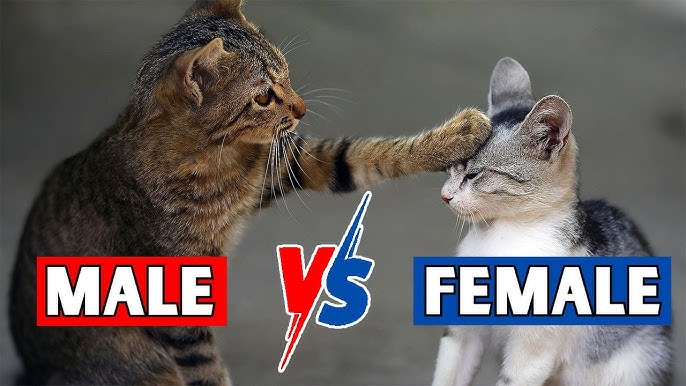
Male Vs Female Grooming Habits
Male cats tend to groom more thoroughly, especially if they are unneutered. Hormonal differences can lead to more frequent grooming as a way to mark territory or reduce anxiety. Neutering often reduces this behavior.
Female cats often groom for comfort and social bonding, especially if they are caring for kittens. However, they can also develop over grooming habits when stressed or bored. If your female cat is grooming excessively, consider if there have been recent changes in her environment or routine.
Preventing And Managing Over Grooming
Preventing and managing over grooming in cats requires careful observation and timely action. Over grooming can lead to skin damage and discomfort, but catching the problem early makes a big difference. You can help your cat feel better and avoid serious issues by knowing what signs to watch for and how to respond effectively.
Identifying Early Warning Signs
Watch your cat closely for changes in behavior or appearance. Excessive licking, bald patches, or red, irritated skin are clear signals that over grooming may be happening.
Has your cat suddenly started spending more time grooming one area? That could be a sign of pain or stress. Look for restlessness or scratching too, as these might point to allergies or parasites.
Keeping a daily journal of your cat’s grooming habits can help you spot problems sooner. Have you noticed your cat grooming more after changes in the environment or diet? These details give clues about what might be triggering the behavior.
Effective Treatment Options
Addressing over grooming often means tackling the root cause. This might include treating fleas, changing food to reduce allergies, or providing more playtime to reduce stress.
Sometimes, your vet may recommend calming products or medications to help your cat relax. Have you tried interactive toys or puzzle feeders to keep your cat’s mind busy? These simple tools can reduce anxiety that leads to over grooming.
In cases of skin injury, topical creams or antibiotics might be necessary. Always follow your vet’s instructions closely, and monitor your cat’s progress daily. Preventing your cat from licking sore spots using an Elizabethan collar can also speed healing.
Credit: www.fullbuckethealth.com
Credit: www.preventivevet.com
Frequently Asked Questions
Are Certain Cat Breeds More Prone To Over Grooming?
Yes, some breeds like Siamese and Burmese are more prone to over grooming. Their sensitive skin and anxiety tendencies increase grooming behaviors.
Can Stress Cause Cats To Over Groom Themselves?
Stress is a common cause of over grooming in cats. Anxiety triggers excessive licking as a self-soothing behavior.
How Does Over Grooming Affect A Cat’s Health?
Over grooming can cause bald spots, skin irritation, and infections. It may lead to painful sores and discomfort.
What Are The Signs A Cat Is Over Grooming?
Look for bald patches, redness, scabs, or constant licking. Behavioral changes like restlessness can also indicate over grooming.
Conclusion
Some cats have a higher chance of over grooming than others. Breed, stress, and health all play a role. Watching your cat closely helps catch this early. A quick visit to the vet can make a big difference. Keep your pet happy and calm to reduce over grooming.
Knowing the signs helps protect your cat’s health. Every cat is unique, so care should be personal. Taking simple steps can improve your cat’s well-being. Over grooming isn’t just a habit; it shows something deeper. Stay alert and give your cat the best care possible.

Leave a Reply