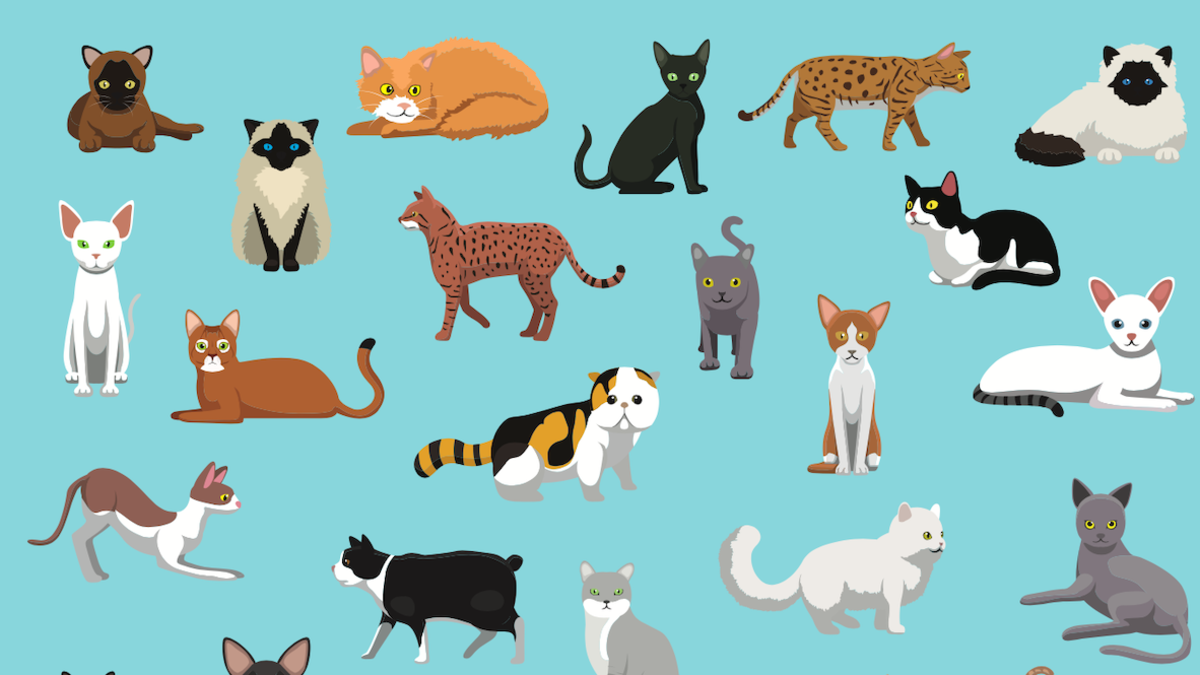
Have you ever wondered why some cats seem to scratch everything in sight while others barely leave a mark? If you’re tired of shredded furniture and torn curtains, understanding which cat breeds scratch the most can help you protect your home and keep your furry friend happy.
You’ll discover the breeds that have a stronger urge to scratch and learn simple tips to manage this natural behavior. Keep reading to find out how to save your belongings without sacrificing your cat’s comfort.
Cats And Scratching Behavior
Scratching is one of the most natural behaviors cats exhibit. It’s their way of communicating, marking territory, and staying healthy. Understanding why your cat scratches can help you manage this behavior and protect your furniture without stressing your feline friend.
Why Cats Scratch
Cats scratch for several important reasons. First, it helps them remove the outer layer of their claws, keeping them sharp and healthy. Scratching also serves as a form of exercise, stretching their muscles and relieving stress.
Beyond physical needs, cats use scratching to mark their territory. Their paws have scent glands, so scratching leaves both a visual and scent mark. This behavior is especially strong in certain breeds known for being more territorial.
Have you noticed your cat scratching more after a change in their environment? This could be their way of feeling secure and claiming their space.
Normal Vs Aggressive Scratching
Not all scratching is the same. Normal scratching is brief, focused, and often directed at specific objects like scratching posts or furniture corners. It’s a healthy, controlled behavior.
Aggressive scratching, however, can be intense and frequent. It might happen when a cat feels threatened, anxious, or bored. This type of scratching can damage your home and signal a deeper issue.
To tell the difference, watch your cat’s body language. Normal scratching usually comes with a relaxed posture, while aggressive scratching may be accompanied by hissing or growling. How your cat scratches can tell you a lot about their mood and needs.
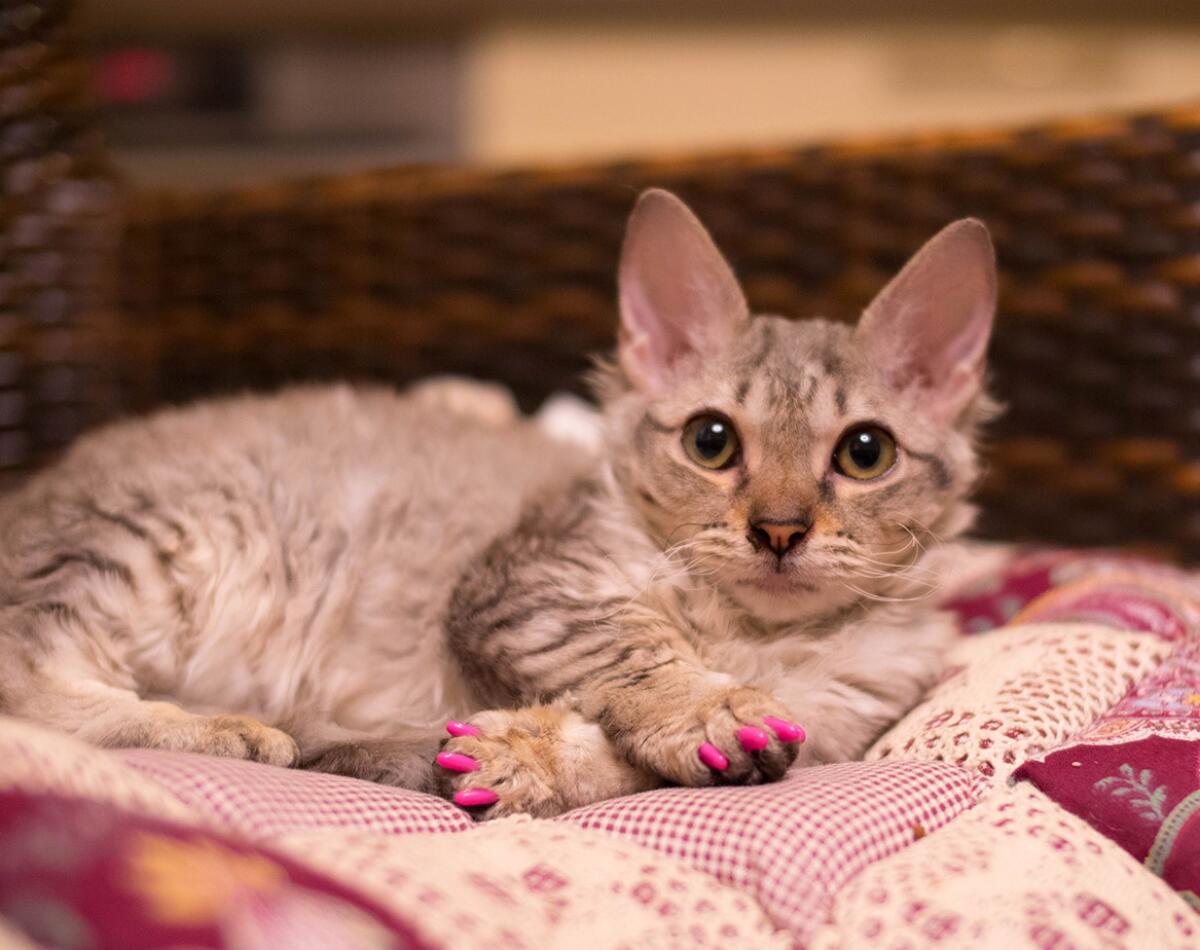
Credit: www.latimes.com
Top Cat Breeds That Scratch Frequently
Some cat breeds tend to scratch more than others. Scratching is a natural behavior for cats. It helps them mark territory and keep their claws sharp. Knowing which breeds scratch often can help owners prepare better. These cats may need more attention to their claws and furniture protection.
Siamese Cats
Siamese cats are very active and social. They use scratching to express energy and stress. This breed needs plenty of toys and scratching posts. Without them, they may target furniture or walls.
Bengal Cats
Bengal cats are playful and strong. Their powerful claws make their scratches noticeable. They love climbing and scratching to explore their space. Providing safe scratching options is important for Bengals.
Maine Coon Cats
Maine Coons are large cats with big paws. Their size means their scratching can cause more damage. They enjoy scratching to stretch and relieve tension. Regular nail trimming helps reduce harm.
Sphynx Cats
Sphynx cats have no fur but still scratch a lot. Their skin needs care and scratching can cause irritation. These cats scratch to clean their skin and nails. Gentle nail care and soft scratching posts are useful.
Abyssinian Cats
Abyssinians are curious and energetic. They scratch to explore and play. This breed often scratches furniture if bored. Interactive play and scratching posts reduce unwanted damage.
Factors Influencing Aggressive Scratching
Cat breeds with high energy and strong hunting instincts often scratch more aggressively. Personality, environment, and health also play key roles in their scratching behavior. Some breeds naturally use scratching to mark territory and relieve stress.
Understanding why your cat scratches aggressively can help you address the behavior effectively. Scratching is a natural behavior in cats, but sometimes it can become excessive or problematic. Several factors can lead to aggressive scratching, and identifying them is the first step toward a peaceful home.Personality Traits
Some cat breeds are naturally more playful and energetic, which can translate into more frequent scratching. Breeds like the Bengal or Siamese are known for their active nature. If your cat belongs to a high-energy breed, they might need more outlets for their energy, such as interactive toys or climbing structures. Cats also have individual personalities. Even within a breed, a cat’s unique temperament can influence how much and how aggressively they scratch. Observing your cat’s behavior can help you understand their needs better.Environmental Triggers
Changes in the environment can lead to increased scratching. Have you recently moved homes or introduced a new pet? Such changes can stress your cat, leading them to scratch more as a coping mechanism. Additionally, boredom can be a significant trigger. Cats need mental and physical stimulation. If your cat is left alone for long periods without engagement, they might resort to scratching as a form of entertainment.Health Issues
Sometimes, aggressive scratching can be a sign of underlying health issues. Skin conditions, allergies, or parasites can cause discomfort, prompting your cat to scratch excessively. It’s crucial to monitor your cat for any signs of distress or discomfort. Regular vet check-ups can help catch potential health issues early, ensuring your cat remains happy and healthy. Have you noticed any of these signs in your cat? Understanding the reasons behind aggressive scratching can lead to more effective solutions.Managing And Reducing Scratching
Scratching is a natural behavior for cats, but it can quickly become a challenge in your home. Managing and reducing scratching requires a combination of understanding your cat’s needs and guiding their behavior effectively. You can protect your furniture and keep your cat happy with a few simple strategies.
Providing Scratching Posts
Cats need scratching posts to keep their claws healthy and to mark their territory. Make sure to place posts in areas your cat frequents, like near their favorite resting spots or windows.
Try different materials such as sisal, cardboard, or carpet to see what your cat prefers. A tall, sturdy post that allows full-body stretching often attracts more use.
Have you noticed your cat ignoring certain posts? Try moving them or adding catnip to increase interest.
Regular Nail Trimming
Keeping your cat’s nails trimmed reduces damage from scratching and makes the behavior less destructive. Trim nails every two to three weeks, or more often if needed.
If your cat resists, try doing it gradually—start by handling their paws daily to build comfort. Use a proper pet nail clipper and avoid cutting too close to the quick.
How often do you check your cat’s nails? Regular attention can prevent unexpected scratches on your furniture and skin.
Behavioral Training
Teaching your cat where and when to scratch requires patience and consistency. Redirect scratching to approved objects by gently moving your cat to a scratching post whenever they start on furniture.
Reward your cat with treats or affection when they use the scratching post correctly. Avoid punishment, as it can increase anxiety and worsen scratching.
Have you tried using clicker training or other positive reinforcement methods? These can speed up learning and strengthen your bond.
Using Deterrents
Deterrents can discourage scratching on unwanted surfaces. Use double-sided tape, aluminum foil, or commercial sprays on furniture to make those spots less appealing.
Covering furniture with protective covers can also help while your cat learns new habits. Remember to combine deterrents with positive alternatives like scratching posts.
What kinds of deterrents have you found effective? Sometimes, a small change in environment makes a big difference.
When To Seek Veterinary Help
Scratching is a natural behavior for cats, but sometimes it can become excessive or aggressive. Knowing when to seek veterinary help is crucial to ensure your cat’s well-being and your safety. If your cat’s scratching habits seem out of control or harmful, paying attention to warning signs can save you from bigger problems down the road.
Signs Of Excessive Aggression
Is your cat scratching more than usual or attacking without clear reason? Excessive aggression might show up as frequent scratching, biting, or growling even during calm moments. You might notice your cat avoiding contact or suddenly lashing out when touched.
Watch for these specific behaviors:
- Scratching furniture or people with unusual intensity
- Persistent hissing or growling
- Refusing to be petted or held
- Sudden mood changes or hiding for long periods
If your cat displays these signs consistently, it’s time to consult your vet. They can help determine if the aggression is a result of stress, pain, or an underlying health issue.
Possible Medical Causes
Sometimes, aggressive scratching is not about behavior but health. Cats may scratch excessively if they experience discomfort or medical problems.
Common medical reasons include:
- Skin allergies or infections causing itchiness
- Parasites like fleas or mites
- Arthritis or joint pain making your cat irritable
- Neurological disorders affecting behavior
For example, I once had a cat that suddenly started scratching me and the furniture nonstop. A vet visit revealed flea infestation that made her skin very itchy. After treatment, her behavior changed completely.
Have you noticed any physical symptoms alongside the scratching? Redness, hair loss, or scabs can point to medical issues needing immediate attention.

Credit: www.latimes.com

Credit: www.latimes.com
Frequently Asked Questions
Which Cat Breeds Are Known To Scratch The Most?
Certain breeds like Siamese, Bengal, and Maine Coon tend to scratch more. Their playful and active nature often leads to increased scratching behavior compared to other breeds.
Why Do Some Cat Breeds Scratch Furniture More?
Cats scratch to mark territory, sharpen claws, and relieve stress. Active or anxious breeds may scratch furniture more to fulfill these natural instincts.
How Can I Reduce Scratching In High-scratch Breeds?
Provide scratching posts, nail trims, and interactive play. Training and positive reinforcement help redirect scratching to appropriate items.
Are Kitten Scratching Habits Different By Breed?
Yes, some breeds start scratching earlier and more intensely. Genetics and energy levels influence scratching habits in kittens.
Conclusion
Cat breeds differ in how much they scratch. Some cats scratch more to mark territory or relieve stress. Knowing which breeds scratch often helps you prepare better. Providing toys and scratching posts can reduce damage. Training your cat early makes a big difference.
Scratching is natural, so patience is key. Choose a breed that fits your lifestyle. Enjoy your time with your furry friend!



Leave a Reply