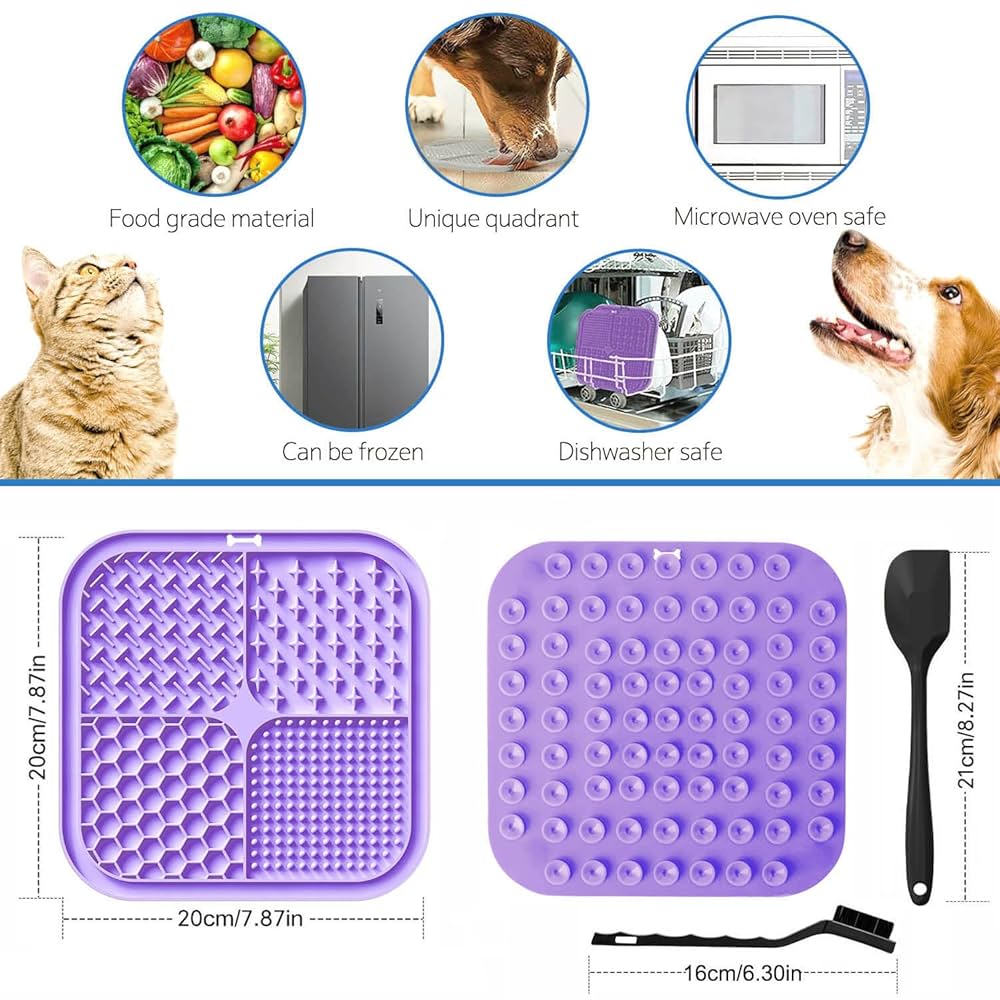
If you have both dogs and cats at home, you might be wondering: are dog toys safe for cats? It’s tempting to share toys between your furry friends, but is it really a good idea?
You want to keep your pets happy and healthy, and using the wrong toys could cause unexpected problems. You’ll discover what makes dog toys different from cat toys, the risks involved, and how to choose the safest options for your curious cat.
Keep reading to protect your pets and make playtime fun for everyone!

Credit: www.kemurcamp.com
Differences Between Dog And Cat Toys
Understanding the differences between dog and cat toys can help you decide if it’s safe to share toys between your pets. Dog and cat toys are designed with different play styles and safety needs in mind. Recognizing these variations will help you protect your furry friends from harm and keep playtime fun for everyone.
Material And Design Variations
Dog toys are usually made from tougher materials like rubber or heavy-duty nylon to withstand strong chewing. Cat toys often use softer materials such as feathers, fabric, or lightweight plastic to cater to their gentle batting and pouncing. You should consider that a toy durable enough for a dog might be too harsh or dangerous for a cat’s delicate paws and teeth.
Have you noticed your cat losing interest in a hard rubber ball that your dog loves? That’s because cats prefer toys that mimic prey, encouraging stalking and chasing rather than chewing.
Size And Texture Considerations
Dog toys are generally larger to prevent choking hazards and to accommodate bigger mouths. Cat toys tend to be smaller and lighter, allowing cats to carry them easily in their mouths. If a dog toy is too big or heavy, your cat might get frustrated or even injured trying to play with it.
Texture matters too. Cats enjoy toys with varied textures that stimulate their senses, like soft feathers or crinkly materials. Dogs often prefer toys that offer resistance and bounce, adding excitement to their play.
Safety Features Tailored For Dogs
Dog toys often include features like reinforced stitching and strong, non-toxic materials to prevent breakage and ingestion. Some dog toys are also designed to be chew-resistant to avoid splintering or choking hazards. These safety measures might not always align with what’s safe for cats, who can be more sensitive to certain materials or small parts.
Have you ever found small pieces from a dog toy scattered around? Those could be dangerous for your cat if swallowed. Always examine dog toys carefully before letting your cat play with them.

Credit: www.toe-beans.com
Potential Risks Of Using Dog Toys For Cats
Using dog toys for cats might seem like a convenient option, but it’s important to consider the potential risks involved. Not all toys made for dogs are safe or suitable for cats. Understanding these risks can help you make better choices to keep your feline friend happy and healthy.
Choking Hazards And Small Parts
Dog toys often contain small parts like squeakers, buttons, or plastic pieces that can easily come loose. Cats, being curious and playful, may swallow these parts, leading to choking or intestinal blockages.
Unlike many dog toys, cat toys are usually designed to avoid these hazards. You should always check for loose pieces or anything that can be chewed off before giving a dog toy to your cat.
Toxic Materials And Chemicals
Not all dog toys are made with non-toxic materials safe for cats. Some may contain dyes, plastics, or chemicals that could be harmful if ingested.
Since cats groom themselves by licking, any toxic residue on a toy can quickly enter their system. Always verify the material safety of a dog toy before letting your cat play with it.
Durability Issues And Breakage
Dog toys are often built for larger, stronger jaws and different chewing habits. This can cause the toy to break apart quickly when used by a cat, exposing sharp edges or small fragments.
Broken pieces not only pose a choking risk but can also cause mouth injuries. Observe how your cat interacts with the toy and replace it immediately if you notice any damage.
When Dog Toys Can Be Safe For Cats
Dog toys can be safe for cats if they are made from non-toxic materials and have no small parts. Soft, durable toys without squeakers are best for feline play. Always watch your cat’s reaction to new toys to ensure safety.
When Dog Toys Can Be Safe for Cats Cats and dogs may have different play styles, but there are times when dog toys can be suitable for feline friends. The key lies in selecting toys that are safe, engaging, and appropriate for both pets. Let’s explore how to make this happen effectively.Choosing Non-toxic And Durable Toys
Safety is paramount. Choose toys made from non-toxic materials to ensure your cat doesn’t ingest harmful substances. Durable toys are less likely to break apart, reducing the risk of choking hazards. Look for toys labeled as pet-safe. This often indicates the manufacturer has considered the safety of various animals, including cats.Supervised Playtime Benefits
Supervised playtime is essential. It allows you to monitor interactions and ensure your cat plays safely with dog toys. Being present means you can intervene if the toy seems to cause any issues. Supervision also offers a bonding opportunity. Watching your pets play can provide insight into their preferences and personalities.Toys That Appeal To Both Pets
Some toys are universally appealing. Balls, ropes, and squeaky toys can engage both dogs and cats. They encourage active play, which is beneficial for both species’ physical and mental health. Consider toys that make noise or move in unpredictable ways. These can captivate a cat’s attention just as much as a dog’s, providing hours of entertainment. Choosing the right dog toys for your cat can enhance their playtime, making it safer and more enjoyable for everyone involved. Have you ever watched your cat sneakily play with your dog’s toys? It’s a joyful sight, isn’t it?Signs Your Cat Dislikes Or Is Harmed By A Toy
Not all dog toys suit cats. Some may cause discomfort or harm. Cats show clear signs when a toy is not right for them. Watching your cat closely during play helps keep them safe. Noticing these signs early prevents bigger problems later.
Behavioral Changes During Play
A cat unhappy with a toy may act differently. It might ignore the toy completely. Some cats hide or avoid the area. Others may swat aggressively or seem scared. Sudden restlessness or irritability can also show dislike. These behaviors signal the toy is not enjoyable.
Physical Injuries Or Allergic Reactions
Check your cat’s body after playtime. Look for cuts, scratches, or swelling. Some toys have small parts that can hurt paws or mouths. Redness or itching may indicate allergies. Excessive sneezing or watery eyes could be a reaction. Immediate removal of the toy helps prevent harm.
Avoiding Overstimulation And Stress
Toys that are too noisy or fast can stress cats. Watch for heavy breathing or freezing in place. Overstimulation may lead to aggressive behavior or hiding. Give your cat breaks during play sessions. Quiet and calm toys often work best. Stress-free play keeps your cat happy and safe.
Best Practices For Selecting Cat-safe Toys
Choosing toys safe for cats requires careful thought. Cats have different play styles than dogs. Their toys must suit their claws, teeth, and small size. Picking the right toy helps avoid choking hazards and injuries. It also keeps your cat interested and active.
Recommended Materials For Cats
Soft materials like felt and plush work well. These are gentle on a cat’s teeth and paws. Avoid hard plastics that can break into sharp pieces. Natural materials such as cotton and wool are safe and durable. Stay away from toxic dyes or chemicals in toys. Check labels for non-toxic certifications before buying.
Size And Shape Guidelines
Toys should be small enough for a cat to carry but not swallow. Avoid tiny parts that could detach and cause choking. Round or oval shapes prevent sharp edges from hurting cats. Long strings or ribbons can tangle and cause harm. Opt for toys that fit a cat’s hunting and pouncing style.
Regular Inspection And Replacement
Check toys often for tears, loose parts, or wear. Remove any broken pieces immediately. Replace worn toys to prevent accidents during play. Clean toys regularly to avoid bacteria buildup. Safe playtime means keeping toys in good condition at all times.
Alternatives To Dog Toys For Cats
If you’re wondering whether dog toys are safe for your cat, it’s worth considering alternatives designed specifically for feline play. Cats have unique play styles and safety needs that differ from dogs. Offering your cat toys made just for them can keep playtime fun and safe.
Popular Cat Toy Types
Cat toys come in many shapes and sizes to match your cat’s natural instincts. Feather wands and laser pointers stimulate hunting behaviors, keeping your cat active and engaged. Soft balls, crinkle toys, and small plush mice provide satisfying textures and sounds that cats love.
Choosing toys made with cat-safe materials is important to avoid choking hazards or toxic substances. Does your cat prefer something they can chase or something to bat around? Observing their play style helps you pick the right toys.
Diy Toy Ideas For Cats
You don’t always need to buy expensive toys to keep your cat entertained. Simple household items can become exciting playthings with a little creativity. A crumpled paper ball or a cardboard box can provide hours of fun.
Try making a toy by tying a piece of string to a stick or stuffing a sock with catnip. These homemade toys allow you to tailor the size and texture to your cat’s preferences. Plus, crafting toys can be a fun way to bond with your pet.
Interactive And Enrichment Toys
Interactive toys challenge your cat’s mind and provide physical exercise. Puzzle feeders encourage problem-solving by making your cat work for treats. Motorized toys that mimic prey movements can trigger your cat’s hunting instincts.
Have you noticed how your cat reacts to different types of enrichment? Some cats love chasing automated toys, while others prefer solving puzzles. Offering a variety of interactive options keeps your cat curious and mentally sharp.

Credit: www.companionanimalpsychology.com
Frequently Asked Questions
Are Dog Toys Safe For Cats To Play With?
Dog toys can be safe for cats if they have no small parts or toxic materials. Always supervise your cat when introducing dog toys to avoid choking hazards or injuries.
What Should I Check Before Giving Dog Toys To Cats?
Check for size, materials, and durability. Avoid toys with small detachable parts or toxic substances. Ensure the toy suits your cat’s chewing and playing habits.
Can Dog Toys Harm Cats If Ingested?
Yes, swallowing pieces of dog toys can cause choking or digestive blockages in cats. Always monitor playtime and remove damaged toys immediately to prevent accidents.
Are There Benefits Of Cats Playing With Dog Toys?
Dog toys can provide mental stimulation and physical activity for cats. However, choose toys that match your cat’s size and play style for safety and fun.
Conclusion
Dog toys can sometimes be safe for cats, but caution is key. Cats may enjoy some dog toys, but not all suit their needs. Watch for small parts that cats can swallow or chew badly. Choose toys made with non-toxic materials and suitable sizes.
Always supervise your cat when trying new toys. This way, you keep playtime fun and safe. Understanding your cat’s behavior helps pick the right toys. Safe play keeps your pet happy and healthy.

Leave a Reply