Are you curious about how breeders create cats with specific traits or strong family lines? Understanding what line breeding in cats means can give you a clear picture of how certain qualities are passed down through generations.
Whether you’re a cat lover, a breeder, or just someone interested in feline genetics, knowing the ins and outs of line breeding can help you make better decisions for your pets or breeding plans. Keep reading to discover how line breeding works, why it’s used, and what you should watch out for to ensure healthy, happy cats.
Basics Of Line Breeding
Understanding the basics of line breeding is essential if you’re serious about breeding cats with specific traits. It’s a method that focuses on maintaining and strengthening desirable characteristics within a family line. But what exactly does it involve, and how does it differ from other breeding methods?
Definition And Purpose
Line breeding is a controlled breeding technique where cats that are related but not closely inbred are mated. The main goal is to preserve certain qualities, such as coat color, personality, or health traits, by keeping those genes consistent across generations.
Unlike random breeding, line breeding requires careful selection to avoid negative traits. The purpose is to create a stable, predictable lineage without the risks that come from too close inbreeding.
Difference From Inbreeding
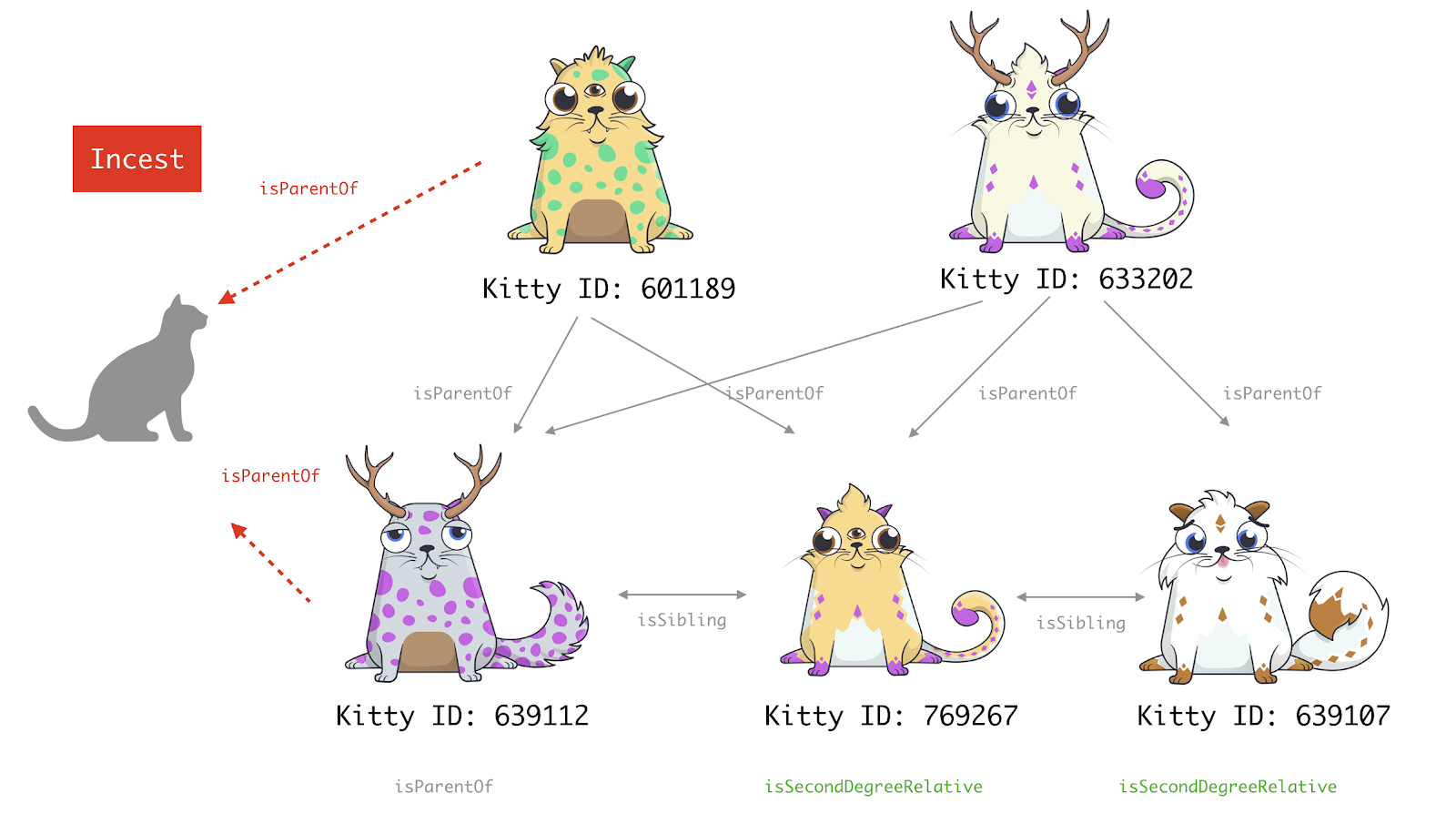
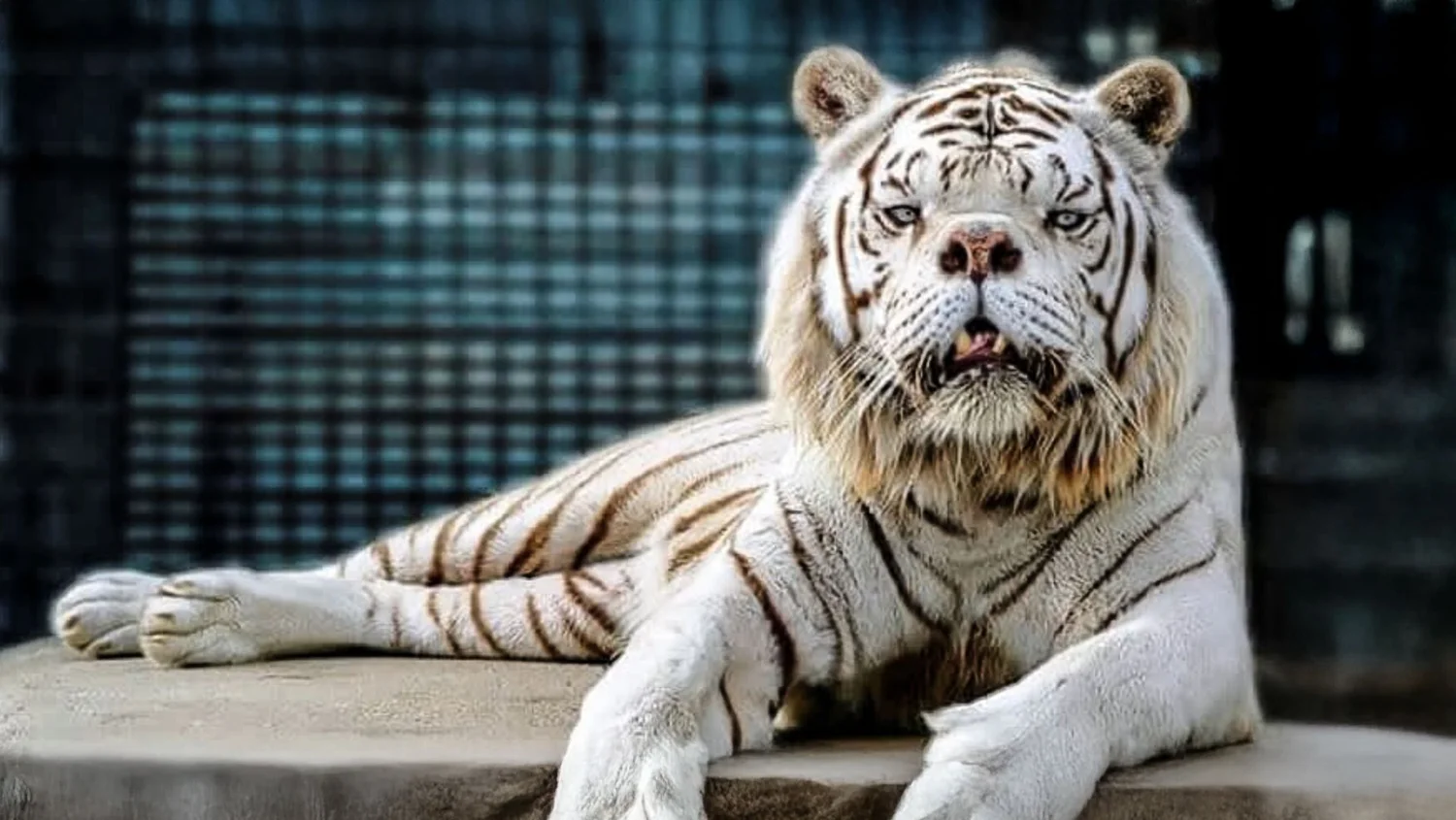
Many confuse line breeding with inbreeding, but they are not the same. Inbreeding usually means mating very close relatives, like siblings or a parent with offspring, which can increase health problems.
Line breeding, however, involves mating more distant relatives, such as cousins or grandparents with grandchildren. This approach reduces the chances of genetic defects while still concentrating desired traits.
Common Practices In Cats
Breeders often use pedigrees to track relationships and decide which cats to pair. They might mate a sire with his daughter or granddaughter to reinforce specific traits without making the gene pool too narrow.
Some practical tips include:
- Keeping detailed records of each cat’s health and traits
- Observing offspring closely to catch any unwanted issues early
- Balancing line breeding with occasional outcrossing to maintain diversity
Have you ever wondered how far you can push line breeding before the risks outweigh the benefits? It’s a delicate balance that requires knowledge, patience, and attention to detail.
Credit: cats.com
Genetic Impact
Line breeding in cats affects their genes in several ways. It focuses on keeping certain traits strong within a family line. This practice can shape the cat’s look, behavior, and health. Understanding the genetic impact helps breeders make better choices. It also shows why caution is important to avoid problems.
Enhancing Desired Traits
Line breeding helps keep special traits in the family. These traits can be the cat’s color, size, or personality. Breeders select cats with these traits to mate. This increases the chance that kittens will have the same qualities. The process strengthens the family’s unique features over time.
Risks Of Genetic Disorders
Breeding close relatives can increase risks of health problems. Some genes may carry hidden diseases. When matched closely, these genes can cause sickness in kittens. Common issues include heart problems, weak immune systems, and joint disorders. Careful health checks are needed to lower these risks.
Maintaining Genetic Diversity
Genetic diversity keeps cats healthy and strong. It means having many different genes in the family. Line breeding reduces this variety. Breeders must balance keeping traits and avoiding too much similarity. Introducing new cats from outside the line helps keep diversity alive. This keeps the breed healthy for future generations.
Benefits For Cat Owners
Line breeding in cats offers several benefits for cat owners. This controlled breeding method can lead to more predictable traits in kittens. It helps maintain or improve breed standards. Understanding these benefits can be valuable for those interested in cat breeding.
Predictable Offspring Traits
Line breeding often results in kittens with predictable traits. This method increases the likelihood of desirable traits being passed on. Cat owners can expect consistent physical and behavioral characteristics. Such predictability aids in planning future breeding strategies.
Improved Breed Standards
Line breeding helps maintain or enhance breed standards. Breeders can focus on specific traits they wish to promote. This method can strengthen positive traits within a breed. It also provides a means to correct minor imperfections over generations.
Health Considerations
Line breeding requires careful monitoring of health traits. Responsible breeders track genetic health issues to avoid problems. This oversight helps in maintaining the overall health of the cat line. Awareness and management of health risks are crucial in this breeding method.
Credit: meowfeeders.com
Potential Risks And Challenges
Line breeding in cats focuses on keeping specific traits within a family line. It can improve certain qualities but also brings risks. Understanding these risks helps breeders make careful choices. The challenges mainly affect the cats’ health and welfare.
Inbreeding Depression
Inbreeding depression happens when close relatives breed repeatedly. This reduces genetic diversity in cats. It can cause weak immune systems and lower fertility. Kittens may grow slower or have smaller litters. Some may develop physical or behavioral problems. These issues make survival harder for affected cats.
Managing Health Issues
Health problems can increase with line breeding. Breeders must watch for genetic diseases common in the family. Regular health checks and genetic testing help catch issues early. Proper care and nutrition also support healthier cats. Breeders should avoid mating cats that show signs of illness. This reduces passing on harmful traits.
Ethical Concerns
Ethical questions arise about line breeding practices. Some worry it may cause suffering to cats. Breeding for looks can overlook the animal’s wellbeing. Responsible breeders focus on health over appearance. They avoid breeding cats with known risks. Respecting animal welfare is key to ethical breeding.
Best Practices For Line Breeding
Line breeding requires careful planning and attention to detail. Following best practices ensures healthy cats and maintains breed quality. Responsible breeders focus on selecting the right pairs, thorough health checks, and clear record keeping.
Selecting Breeding Pairs
Choose cats that complement each other’s traits. Avoid breeding animals with known genetic problems. Aim to strengthen positive characteristics without increasing risks. Consider temperament, appearance, and health history. Breeding close relatives requires caution to prevent issues.
Health Screening Protocols
Perform regular health tests on breeding cats. Screen for hereditary diseases common in the breed. Include tests for infections, parasites, and vaccinations. Monitor genetic disorders through DNA testing. Healthy cats lead to healthier litters and fewer complications.
Record Keeping And Pedigree Tracking
Maintain detailed records of each cat’s lineage and health. Track mating pairs, birth dates, and offspring traits. Use pedigree charts to visualize genetic relationships clearly. Proper records help avoid inbreeding problems. They support long-term breed improvement and transparency.
Alternatives To Line Breeding
If you’re considering breeding cats, you might wonder about alternatives to line breeding. While line breeding focuses on maintaining specific traits within a family line, other strategies offer different advantages. These alternatives can help improve genetic diversity and overall cat health.
Outcrossing Benefits
Outcrossing means breeding cats that are not closely related. This approach introduces fresh genes into the pool, reducing the risk of inherited diseases.
You might notice healthier kittens with stronger immune systems. It also helps keep your breeding line vibrant and less prone to genetic weaknesses.
Have you thought about how outcrossing can balance maintaining desired traits while avoiding the risks of too much similarity?
Crossbreeding Options
Crossbreeding involves mating cats from different breeds or varieties. It’s a way to combine the best features from each breed.
This method can produce unique coat colors, patterns, and even personality traits. For example, crossing a Siamese with a Burmese can result in playful yet affectionate kittens.
Consider whether your goal is to create a new look or enhance health traits; crossbreeding might provide the flexibility you need.
Hybrid Vigor Effects
Hybrid vigor, or heterosis, occurs when offspring from diverse parents show improved health and vitality. This effect often results from outcrossing or crossbreeding.
Kittens benefit from hybrid vigor through increased growth rates, fertility, and resistance to disease. Breeders have observed that these cats tend to be more robust and adaptable.
Could incorporating hybrid vigor into your breeding program lead to a healthier and more resilient feline family?

Credit: www.ebar.com
Frequently Asked Questions
What Is Line Breeding In Cats?
Line breeding in cats is a selective breeding method. It involves mating cats with common ancestors to preserve desired traits. This helps maintain breed characteristics while reducing genetic diversity slightly.
Why Do Breeders Use Line Breeding For Cats?
Breeders use line breeding to strengthen specific traits. It enhances consistency in appearance and behavior within a breed. This method also helps fix desirable qualities across generations.
Is Line Breeding Safe For Cats?
Line breeding can be safe if managed carefully. It requires monitoring genetic health to avoid inherited diseases. Responsible breeders limit inbreeding to maintain cat wellbeing.
How Does Line Breeding Affect A Cat’s Genetics?
Line breeding increases the chances of inherited traits from common ancestors. It can concentrate both good and bad genes. This makes genetic screening essential for healthy breeding outcomes.
Conclusion
Line breeding helps keep certain traits in cat families. It needs careful planning to avoid health problems. Breeders watch the cats closely to keep them strong. This method can improve a breed’s qualities over time. Still, it is important to be patient and cautious.
Understanding line breeding can help you appreciate cat breeding better. Always focus on the cats’ well-being first. This way, you can support healthy and happy cats.

Leave a Reply