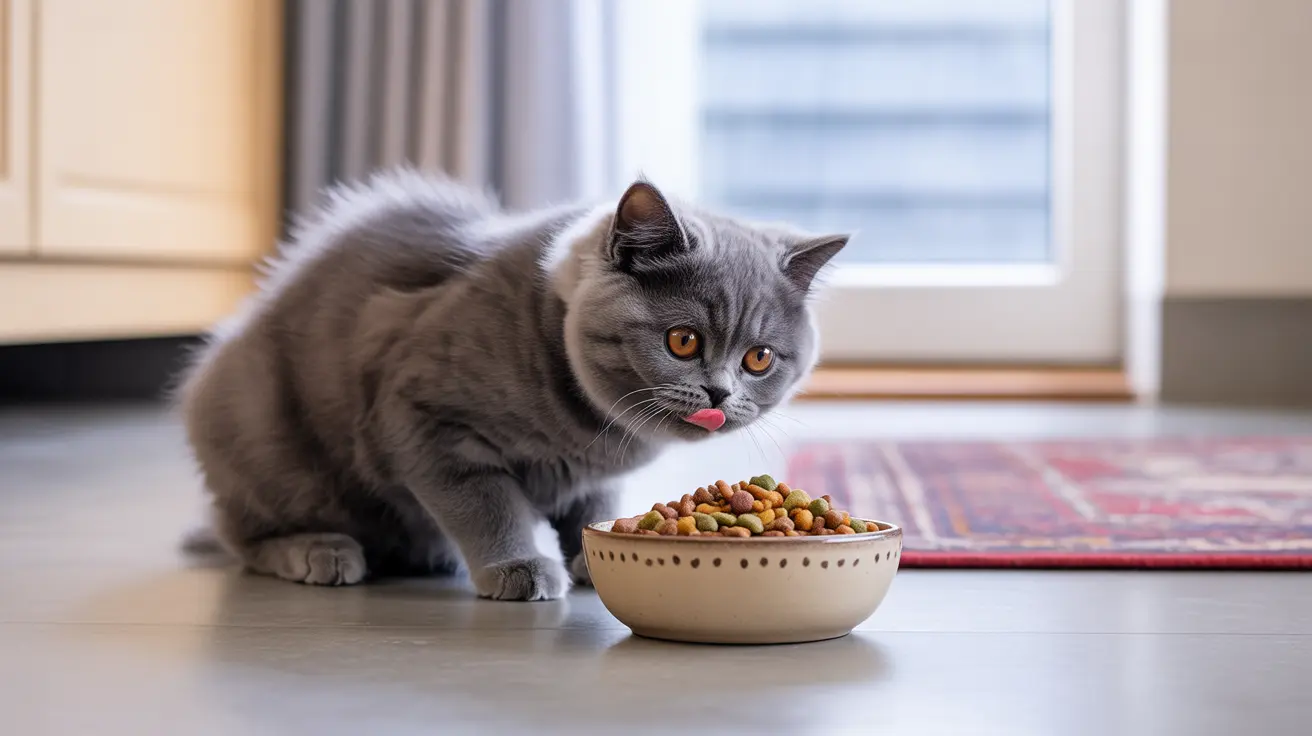
Are you wondering if it’s safe for your adult cat to eat kitten food? You’re not alone.
Many cat owners ask this question because they want the best for their furry friends. Feeding your cat the right food is important for their health and happiness. But what happens if your adult cat sneaks some kitten food? Could it be harmful, or maybe even beneficial?
Keep reading to find out everything you need to know about adult cats eating kitten food—and make the best choice for your pet’s well-being.
Nutritional Needs Of Adult Cats
Adult cats need a diet that supports their steady energy and overall health. Their nutritional needs differ from kittens, focusing on maintenance rather than growth. Feeding an adult cat with the right nutrients helps keep them active, strong, and free from diseases.
Key Nutrients For Adults
Adult cats require a balanced mix of nutrients. Protein is essential to maintain muscle mass and repair tissues. Fat provides energy and supports healthy skin and fur. Vitamins and minerals keep organs functioning well and support the immune system.
- Protein:High-quality animal protein supports muscles.
- Fat:Supplies energy and aids vitamin absorption.
- Taurine:An essential amino acid for heart and eye health.
- Vitamins:A, D, and E support vision, bones, and immunity.
- Minerals:Calcium, phosphorus, and magnesium keep bones strong.
- Water:Keeps the body hydrated and supports digestion.
Differences From Kitten Diets
Kitten food contains extra calories and nutrients for growth and development. It is richer in protein, fat, and certain vitamins to meet high energy needs. Adult cat food has fewer calories to prevent weight gain and is balanced for long-term health. Feeding an adult cat kitten food regularly may cause obesity or nutrient imbalance. Choosing the right food supports a healthy life span and well-being.
Why Kitten Food Is Different
Kitten food is specially made to support the fast growth and development of young cats. It contains different nutrients and energy levels than adult cat food. Understanding these differences helps explain why kitten food may not be the best choice for adult cats.
Higher Calorie Content
Kitten food has more calories per serving. Growing kittens need extra energy to build muscles and bones. Adult cats require fewer calories since their growth slows down. Feeding high-calorie food to adult cats can cause weight gain and health problems.
Increased Protein Levels
Protein is essential for kittens to develop strong muscles. Kitten food contains more protein than adult cat food. Adult cats need enough protein to stay healthy but not as much as kittens. Too much protein can strain an adult cat’s kidneys over time.
Essential Vitamins And Minerals
Kitten food includes extra vitamins and minerals to support brain and bone growth. Nutrients like calcium and DHA are higher in kitten food. Adult cats need balanced nutrients to maintain health, but excess vitamins can lead to imbalances. Feeding kitten food regularly may cause nutrient overload in adult cats.
Potential Effects On Adult Cats
Feeding an adult cat kitten food might seem harmless, but it has effects. Kitten food contains more calories and nutrients for growing kittens. Adult cats have different dietary needs. Let’s explore the potential effects on adult cats.
Weight Gain Risks
Adult cats eating kitten food could gain weight quickly. Kitten food is calorie-dense. Adult cats need fewer calories. Weight gain can lead to obesity and related health issues. Monitor your cat’s weight and adjust food accordingly.
Digestive Concerns
Kitten food might upset an adult cat’s stomach. It is richer in protein and fat. Adult cats might struggle to digest it properly. Watch for signs of digestive distress. Vomiting or diarrhea could indicate issues.
Long-term Health Impact
Long-term feeding of kitten food may affect an adult cat’s health. It could lead to nutritional imbalances. Adult cats require less protein and fat. Over time, this can strain their organs. Ensure your cat gets age-appropriate nutrition.
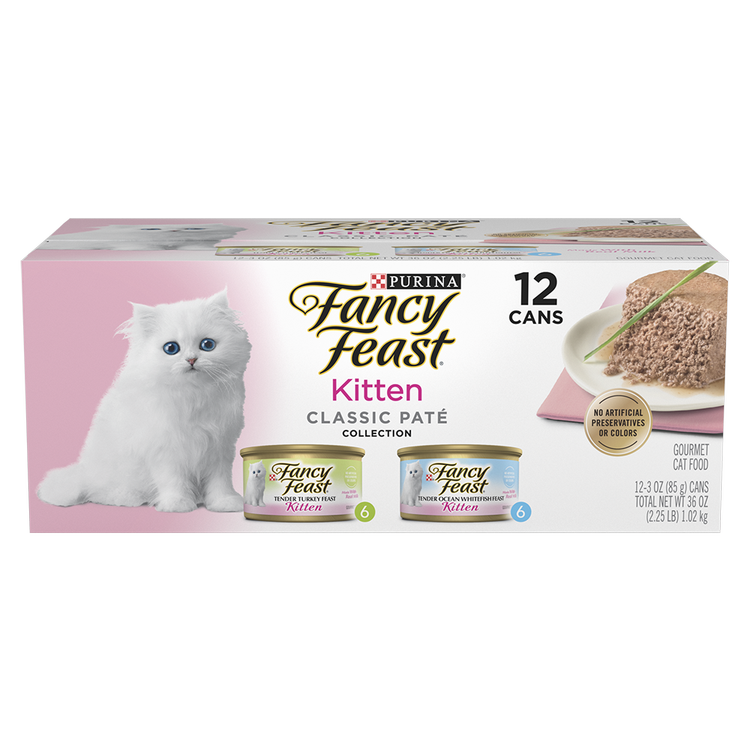
Credit: www.purina.com
When Kitten Food Might Be Suitable
There are times when feeding an adult cat kitten food can actually be helpful rather than harmful. While adult cats generally need a different balance of nutrients compared to kittens, certain situations call for the richer, more calorie-dense kitten formulas. Understanding these exceptions can help you make better choices for your cat’s health.
Recovery And Illness
If your adult cat is recovering from surgery or illness, kitten food might be a good option temporarily. The higher protein and calorie content can help support healing and regain strength faster. Have you noticed your cat losing weight or energy after being sick? Offering kitten food during recovery can provide the extra nutrition needed without forcing large portions.
Pregnant Or Nursing Cats
Pregnant and nursing cats require more calories and nutrients than usual to support themselves and their kittens. Kitten food provides the extra protein, fat, and vitamins needed during this demanding time. Feeding your cat kitten food can ensure she stays strong and healthy while producing quality milk for her babies.
Senior Cats With Specific Needs
Some senior cats face challenges like poor appetite or difficulty digesting regular adult food. Kitten food’s softer texture and richer nutrient profile can sometimes help these cats maintain weight and vitality. Is your older cat struggling to eat or losing weight? Trying kitten food might be a practical way to boost their nutrition when advised by your vet.
Expert Recommendations
Understanding expert recommendations can guide you in deciding if your adult cat should eat kitten food. Professionals focus on your cat’s health needs, growth stage, and nutritional balance. Their advice helps avoid common feeding mistakes that can affect your pet’s well-being.
Consulting A Veterinarian
Your vet is the best resource for personalized advice. They consider your cat’s age, weight, and health conditions before suggesting diet changes. Have you asked your vet about kitten food for your adult cat during your last visit?
Sometimes, vets recommend kitten food temporarily if your adult cat is underweight or recovering from illness. But long-term feeding without supervision can cause nutrient imbalances. Regular check-ups ensure your cat’s diet stays appropriate for their life stage.
Balanced Feeding Practices
Adult cats need a diet tailored to maintain their weight and energy levels. Kitten food is richer in calories and protein, which might lead to weight gain if given excessively. Could mixing small amounts of kitten food help if your cat has higher energy needs?
Try balancing meals with adult cat food to avoid overfeeding nutrients. Monitor your cat’s weight weekly and adjust portions accordingly. This way, you provide enough nutrition without risking obesity or nutrient overload.
Choosing The Right Cat Food
Not all cat foods are created equal. Look for brands that list high-quality protein sources and meet AAFCO standards for adult cats. Have you checked if your current cat food matches your pet’s activity level and health needs?
- Adult cat food supports maintenance of muscle and organs.
- Kitten food supports growth but may be too rich for adult cats.
- Senior cat formulas focus on joint health and lower calories.
Consider your cat’s lifestyle and preferences when selecting food. Switching gradually helps avoid digestive upset. What food choices have worked best for your cat’s health and happiness?
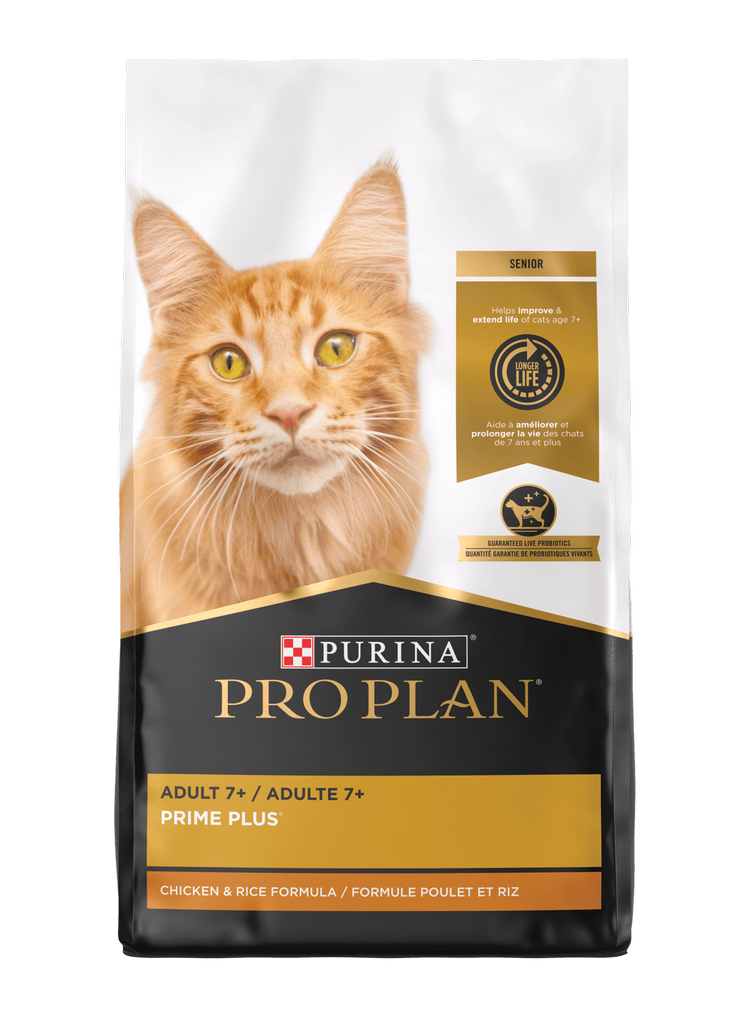
Credit: www.purina.com
Alternatives To Kitten Food For Adults
Adult cats need food that fits their specific health needs. Kitten food is rich in calories and nutrients designed for growth. Feeding adult cats kitten food regularly can cause weight gain and nutrient imbalance. Choosing the right alternative keeps cats healthy and happy.
High-quality Adult Cat Food Options
Adult cat food has balanced nutrients to maintain energy without excess calories. Look for foods labeled for adult cats that include:
- High protein sources like chicken, turkey, or fish
- Essential vitamins and minerals
- Moderate fat content to prevent obesity
- Ingredients that support digestive health
Wet and dry adult cat foods are available. Wet food helps with hydration. Dry food supports dental health. Choose based on your cat’s preferences and needs.
Supplementing Diets Safely
Adding supplements can improve your cat’s diet but must be done carefully. Avoid extra calories that cause weight gain. Useful supplements include:
- Omega-3 fatty acids for coat and skin health
- Taurine, an essential amino acid for heart and eye health
- Probiotics to support digestion
Always consult a veterinarian before adding supplements. Over-supplementing can harm your cat’s health. Balanced meals remain the foundation of a healthy diet.
Monitoring Your Cat’s Health
Monitoring your cat’s health is essential when feeding kitten food to an adult cat. Adult cats have different nutritional needs than kittens. Keeping an eye on their health helps prevent problems early. Watch how your cat reacts to the diet and note any changes.
Signs Of Nutritional Imbalance
- Weight gain or loss
- Changes in energy levels
- Dull or patchy fur
- Digestive issues like vomiting or diarrhea
- Increased thirst or urination
- Behavioral changes such as irritability
Spotting these signs quickly can protect your cat’s well-being. It may indicate that the food is too rich or lacking certain nutrients.
Adjusting Diet As Needed
Adjust your cat’s diet based on observed health signs. You can mix adult cat food with kitten food to balance nutrients. Gradually change the portions over several days to avoid upset stomachs.
Consult a vet for advice on proper nutrition. A vet can recommend supplements or special diets if needed. Always prioritize your cat’s health and comfort.

Credit: www.petscare.com
Frequently Asked Questions
Is It Safe For Adult Cats To Eat Kitten Food?
Yes, adult cats can eat kitten food occasionally. Kitten food is richer in calories and nutrients. However, it’s not ideal long-term due to higher fat and protein levels, which may lead to weight gain or health issues in adult cats.
What Are The Differences Between Kitten And Adult Cat Food?
Kitten food contains more protein, fat, and calories to support growth. Adult cat food has balanced nutrients for maintenance. These differences ensure kittens grow healthy and adults maintain ideal weight and health without excess nutrients.
Can Adult Cats Gain Weight From Kitten Food?
Yes, adult cats may gain weight if they eat kitten food regularly. Kitten food is calorie-dense, which can cause obesity in less active adult cats. Feeding appropriate adult cat food helps manage a healthy weight.
How Often Can Adult Cats Eat Kitten Food?
Occasional kitten food treats are fine for adult cats. Daily feeding is not recommended because excess nutrients can cause health problems. Always consult a vet before making diet changes.
Conclusion
Adult cats can eat kitten food now and then without harm. Kitten food has more nutrients for growing cats. But adult cats need a balanced diet made for them. Eating only kitten food may cause weight gain or health issues.
Watch your cat’s weight and energy closely. Choose food that fits your cat’s age and needs. Consult a vet for the best advice. Feeding your cat well keeps them happy and healthy. Simple care makes a big difference in their life.


Leave a Reply