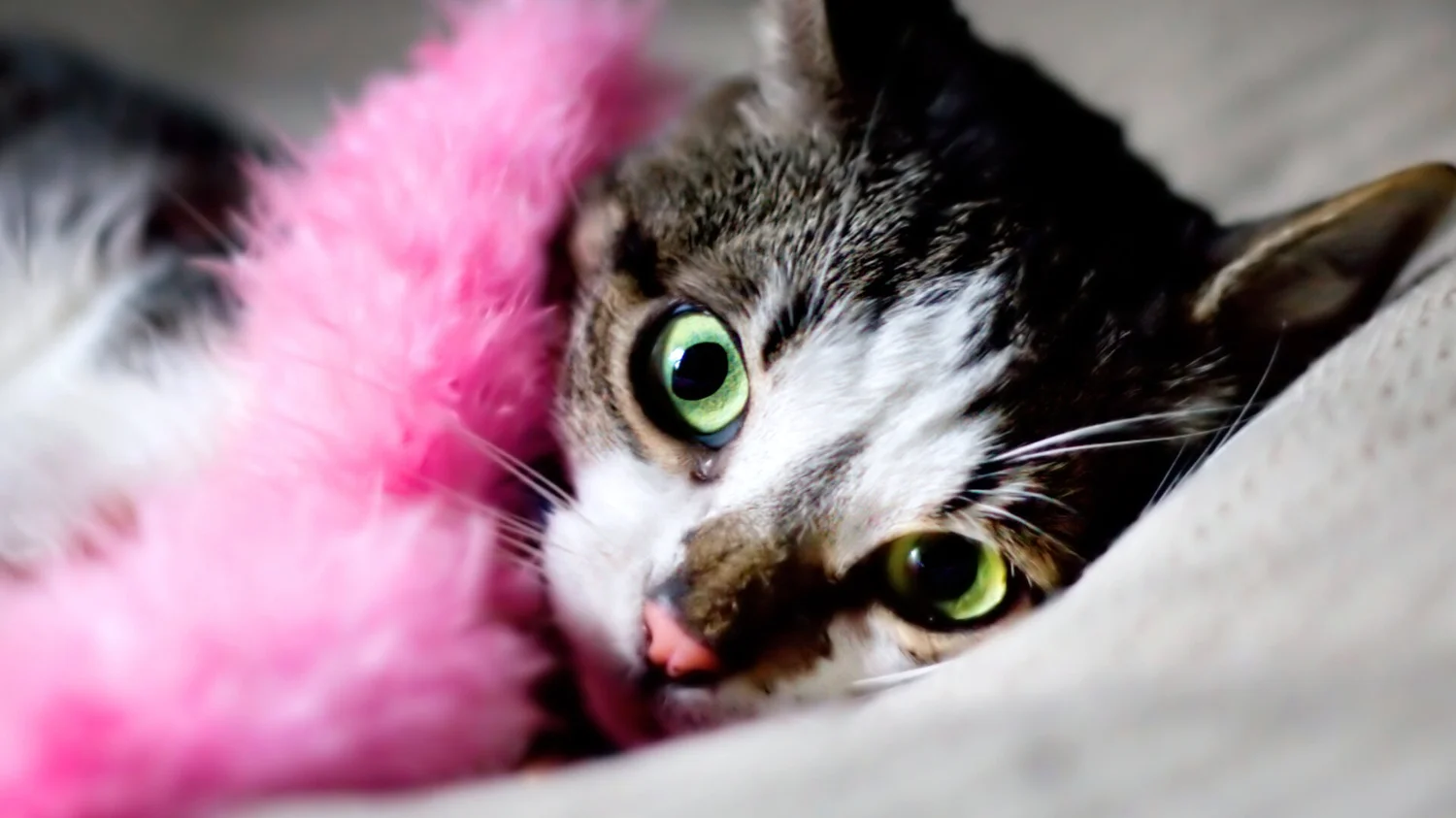
Have you ever noticed your cat meowing at her toy and wondered why she’s doing it? It can be both puzzling and amusing to see her vocalize at something that isn’t alive.
You might be curious if she’s trying to tell you something or if it’s just a quirky behavior. Understanding why your cat meows at her toy can help you connect better with her and even improve her playtime. Keep reading, and you’ll discover the surprising reasons behind this common cat behavior and what it means for your furry friend.

Credit: moderncat.com
Cat Communication Basics
Cats use sounds, body language, and expressions to communicate. Meowing is a key part of this communication. It helps cats express needs, emotions, or reactions. Understanding basic cat communication can explain why your cat meows at her toy.
Different Types Of Meows
Cats have many kinds of meows. Each type shows a different feeling or message. Some common types include:
- Short meows: A simple greeting or attention request.
- Long meows: Express excitement or demand.
- Repeated meows: Often a sign of impatience or urgency.
- Trills and chirps: Usually happy or playful sounds.
- Yowls: Indicate distress or frustration.
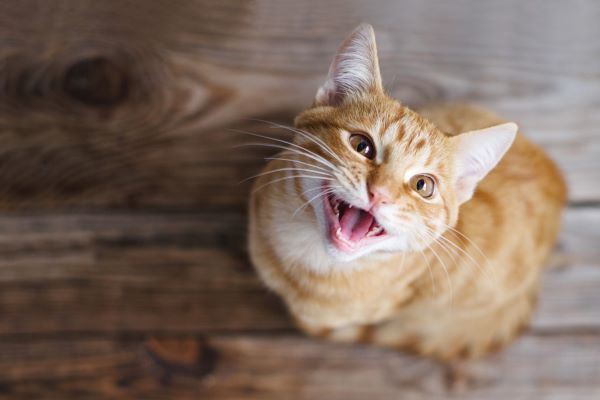
Your cat’s meowing at her toy might be playful or curious sounds. Watch her tone and frequency for clues.
What Meowing Means To Cats
Meowing is mainly for talking to humans, not other cats. Cats rarely meow to each other. They use meows to ask for food, attention, or to show feelings.
When meowing at a toy, your cat might:
- Express excitement about the toy.
- Try to get your attention to play.
- React to the toy as if it were alive.
- Show frustration if the toy isn’t moving.
Understanding these signals helps you respond better to your cat’s needs.
Credit: bowwowinsurance.com.au
Toys As Playmates
When your cat meows at her toy, she isn’t just making noise for no reason. Toys become more than objects—they turn into companions and playmates that spark her attention and emotions. Understanding this bond can help you create a more enriching playtime experience for your feline friend.
How Cats Interact With Toys
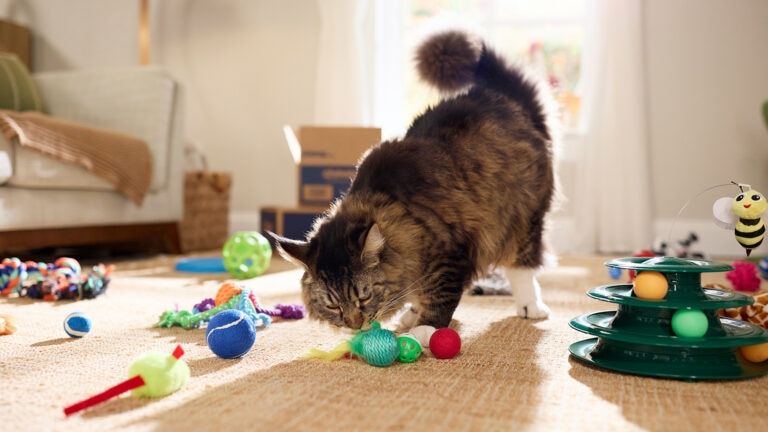
Cats don’t see toys as mere objects; they treat them like living things. Your cat might meow to communicate excitement, challenge, or even frustration during play.
She may paw, pounce, or carry the toy around as if it’s a real prey or friend. This interaction mimics natural behaviors that satisfy her need for stimulation and engagement.
Have you noticed your cat “talking” to her toy differently depending on the type of toy? That’s her way of expressing how she feels about this particular playmate.
Toys Triggering Hunting Instincts
Your cat’s meowing can also be a sign that her hunting instincts are fully activated. Toys that move or make noise simulate the movements of prey, which grabs your cat’s attention instantly.
She might vocalize to announce a “catch” or to invite you to join the chase. This behavior reflects deep-rooted instincts that drive her to stalk, hunt, and capture.
Try using interactive toys that mimic real prey movements. Notice how your cat’s meowing changes as she gets more involved—this can tell you a lot about what kind of play excites her most.
Attention-seeking Behavior
Cats meow at their toys to get your attention or express excitement. This behavior shows they want to interact or play with you. Sometimes, it’s their way of sharing their feelings or seeking company.
Cats have a way of expressing themselves that can sometimes puzzle us. If you’ve ever caught your feline friend meowing at her toy, it might seem a bit odd. However, this behavior often ties back to attention-seeking. Cats are incredibly social creatures, and their meows are more than just random sounds; they’re often trying to communicate something specific.Why Cats Want You To Notice
Have you ever wondered why your cat seems to vocalize when you’re around? Cats often meow to get their owner’s attention. They might be feeling playful or simply want to interact with you. Your cat might be inviting you to join in the fun. By meowing at her toy, she could be signaling that she wants to engage in playtime with you. Consider it her way of saying, “Let’s play together!”Meowing To Engage Owners
Cats are clever communicators. When your cat meows at her toy, she’s not just talking to the toy; she’s reaching out to you. This behavior can be a call for companionship. Think about the last time you sat down to relax, only to have your cat meow persistently. Could it be that she’s seeking some quality time with you? Your presence and interaction are valuable to her. Next time you hear those meows, take a moment to respond. Engage with her toy, and you’ll likely find your cat is delighted with your attention. After all, isn’t it wonderful to feel wanted and needed by our furry companions?Frustration And Excitement
Cats often meow at their toys out of strong feelings. These feelings are usually frustration or excitement. Both emotions cause different types of meows and behaviors. Understanding these signs helps you respond well to your cat’s needs.
Frustration happens when a cat cannot catch or control the toy. Excitement comes from the fun and thrill of play. Each feeling shows in the way your cat meows and moves.
Signs Of Play Frustration
- Repeated, sharp meows while pawing at the toy
- Swatting hard but missing the target
- Backing away suddenly then rushing forward again
- Fixating on the toy but not grabbing it
- Tail flicking quickly or twitching
- Restlessness and pacing around the toy
These signs mean your cat wants to catch the toy but feels stopped. It may need a different toy or more playtime.
Expressing Excitement Through Meows
- Short, quick meows mixed with purring sounds
- Bright eyes and alert ears
- Playful chasing and jumping
- Gentle biting or nibbling on the toy
- Wagging tail or slow tail swishing
- Happy body language, like rolling or stretching
Excited meows show your cat enjoys the game. It feels happy and energized by the play session.
Imitating Social Interaction
When your cat meows at her toy, she might be trying to recreate the social moments she shares with you or other cats. Cats use vocalizations to connect, communicate, and express feelings. Sometimes, their toys become stand-ins for real companions, allowing them to practice these social skills.
Treating Toys Like Real Cats
Many cats treat their toys as if they were live animals. Your cat might nudge, paw, or even meow at her toy just like she would with a playmate. This behavior shows she sees the toy as more than just an object—it’s a social partner in her eyes.
If you observe closely, you might notice your cat mimics the way she interacts with other cats. This includes gentle meows, purring, or even playful growls. Why not try joining her play and see if she responds differently when you speak or meow back?
Meows As Social Signals
Meowing is a key way cats communicate with others. When your cat meows at her toy, she might be sending social signals as if expecting a response. It’s a form of interaction that builds connection, even if the other “participant” is a stuffed mouse or feather wand.
Think about how your cat uses meows with you. Often, those sounds get your attention or invite play. By vocalizing to her toy, she’s practicing these social calls, reinforcing her communication skills and keeping her mind active.
Next time you hear your cat meowing at her toy, ask yourself: Is she trying to start a conversation? This simple act highlights how important social interaction is to her, even in play.

Credit: moderncat.com
Health And Comfort Factors
Health and comfort play a big role in why a cat meows at her toy. Cats often express their feelings through sounds. Meowing can be a sign of pain, stress, or discomfort. Watching your cat closely helps you understand what she needs.
Checking For Stress Or Discomfort
Stress can make a cat meow more than usual. Changes in the home or loud noises might upset your cat. Also, physical discomfort can cause vocalization. Look for signs like:
- Hiding or avoiding interaction
- Restlessness or pacing
- Changes in eating or sleeping habits
Touch your cat gently to see if she reacts to pain. Check her paws, mouth, and body for injuries or swelling. A toy might remind her of a sore spot or cause frustration if she cannot catch it.
When To Consult A Vet
Persistent meowing at toys might mean a health issue. If your cat shows other symptoms, consult a vet. Signs to watch include:
- Loss of appetite
- Weight loss
- Lethargy or weakness
- Excessive grooming or scratching
A vet can check for hidden problems like dental pain or arthritis. Early care helps your cat feel better faster. Do not ignore unusual or loud meowing, as it may signal discomfort.
Enhancing Playtime Experience
Enhancing playtime with your cat makes her more active and happy. Play helps strengthen your bond and keeps her mind sharp. A good playtime routine also reduces stress and unwanted behaviors.
Choosing The Right Toys
Pick toys that match your cat’s size and energy level. Soft toys, balls, and feather wands often attract cats. Toys that move or make noise can catch her attention. Avoid toys with small parts that might break or be swallowed. Rotate toys regularly to keep her interest high.
Interactive Play Tips
Spend time playing together to make playtime exciting. Use toys that you can control to mimic prey movements. Let your cat catch the toy sometimes to keep her motivated. Keep play sessions short but frequent throughout the day. Watch her body language to know when she is tired or bored.
Frequently Asked Questions
Why Does My Cat Meow At Her Toy?
Cats meow at toys to express excitement or frustration. It mimics hunting behavior and helps them engage mentally and physically. Meowing can also be a way to get your attention or communicate their playful mood.
Is My Cat Meowing At Her Toy Normal Behavior?
Yes, meowing at toys is a normal behavior. It shows your cat is stimulated and interacting with her environment. This vocalization is common during play and reflects natural hunting instincts and curiosity.
How Can I Stop My Cat Meowing At Her Toy?
Provide interactive play and attention to reduce excessive meowing. Use puzzle toys to keep her engaged. Avoid rewarding meowing with attention to prevent reinforcing the behavior.
Does Meowing At Toys Indicate Stress In Cats?
Not usually. Meowing at toys often signals playfulness, not stress. However, if accompanied by other signs like hiding or aggression, it may indicate anxiety. Observe your cat’s overall behavior to assess her well-being.
Conclusion
Cats meow at their toys for many simple reasons. They might want to play or feel curious. Sometimes, meowing shows they want your attention. Understanding your cat’s sounds helps you bond better. Watch how your cat acts with the toy.
This way, you know what she needs or feels. Enjoy these moments—they show your cat’s unique personality. Keep giving her love and fun playtime. This keeps her happy and healthy every day.

Leave a Reply