Have you noticed your cat licking or grooming more than usual? It might seem harmless at first, but excessive grooming can signal something important about your furry friend’s health or emotions.
Understanding why your cat grooms excessively can help you spot problems early and keep your pet happy and comfortable. Keep reading to discover what this behavior means and what you can do to help your cat feel their best.
Signs Of Excessive Grooming
Noticing your cat grooming more than usual can be worrying. Excessive grooming is more than just a quirky habit—it often signals that something is off. To understand if your cat’s grooming is excessive, you need to watch for specific signs.
Behavioral Indicators
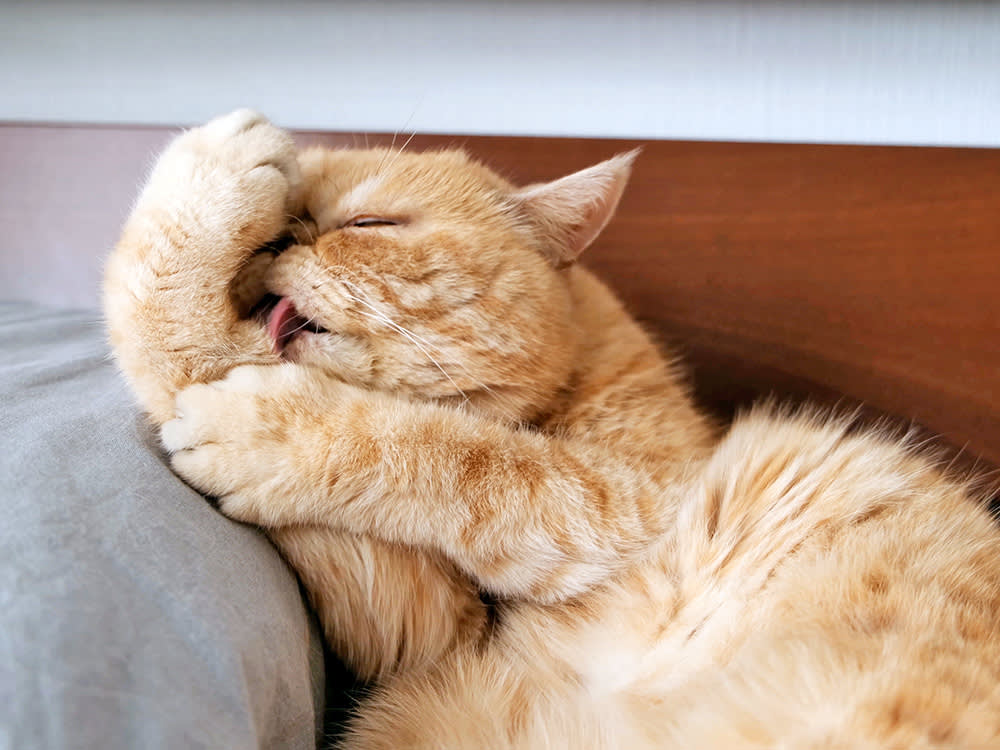
Is your cat spending hours licking the same spot repeatedly? This is a clear behavioral sign of excessive grooming. You might see your cat scratching or biting at its fur, especially in one area.
Another sign is restlessness or irritability. If your cat seems anxious or stressed and uses grooming as a coping mechanism, it could be a red flag.
Have you noticed your cat grooming in unusual places, like the legs or belly, which are not typical grooming spots? This shift in behavior often indicates discomfort or distress.
Physical Symptoms
Look closely at your cat’s skin and coat. Bald patches or thinning fur are obvious signs that grooming has gone overboard.
Skin redness, inflammation, or sores can develop from constant licking and biting. These wounds might become infected if left untreated.
Sometimes, you may spot scabs or crusty areas, showing that your cat’s skin is irritated. If you notice these symptoms, it’s time to act.
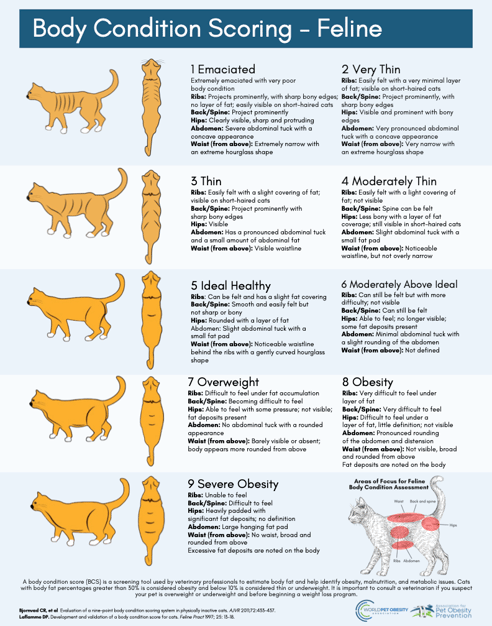
Credit: www.preventivevet.com
Common Causes
Excessive grooming in cats can be a puzzling behavior for many cat owners. It’s natural for cats to groom themselves regularly, but when it becomes excessive, it could indicate underlying issues. Understanding the common causes can help you address the problem effectively.
Allergies And Skin Irritations
Allergies can make your cat’s skin itchy and uncomfortable. Cats may react to food, pollen, or even dust, causing them to groom excessively to alleviate the itch. Have you noticed any changes in your cat’s diet or environment lately?
Parasites And Infections
Parasites like fleas and mites are notorious for causing itchiness. They can lead to infections if left unchecked, prompting your cat to groom more than usual. Regular check-ups and flea prevention can be a lifesaver in these situations.
Stress And Anxiety
Just like humans, cats can feel stressed or anxious, leading to compulsive grooming. Changes in their environment, like moving house or a new pet, can be triggers. Observing your cat’s behavior might give you clues about their stress levels.
Boredom Or Lack Of Stimulation
If a cat doesn’t have enough to keep them occupied, they might resort to grooming as a pastime. Engaging toys and interactive playtime can provide the necessary mental stimulation. Is your cat getting enough playtime and attention?
Medical Conditions
Sometimes, excessive grooming can be linked to underlying medical conditions, such as hyperthyroidism or pain from arthritis. Consulting a veterinarian can help rule out these possibilities. It’s essential to listen to your instincts if something seems off with your cat’s health.
Understanding these common causes can empower you to take the right steps. Whether it’s adjusting their environment or seeking veterinary advice, your proactive approach can make a big difference in your cat’s well-being.
Health Risks Linked To Overgrooming
Excessive grooming in cats may seem harmless at first, but it often signals underlying health issues that shouldn’t be ignored. Overgrooming can lead to serious complications that affect your cat’s skin and overall well-being. Understanding these health risks helps you act quickly to protect your furry friend.
Skin Damage And Hair Loss
When a cat grooms too much, it can cause their skin to become irritated and inflamed. Constant licking or biting strips away protective oils, leaving the skin dry and vulnerable.
You might notice raw patches, redness, or scabs on your cat’s body. Hair loss often follows, especially in spots they can reach easily like the belly or legs. This damage weakens the skin’s barrier, making it harder for your cat to heal naturally.
Secondary Infections
Damaged skin opens the door to bacteria and fungi, increasing the risk of infections. These infections can cause your cat pain and discomfort, sometimes requiring antibiotics or other treatments.
Secondary infections often worsen the original problem, creating a cycle of itching and grooming that’s hard to break. If you see oozing sores or your cat seems unusually sensitive to touch, it’s time to consult your vet.
Have you ever noticed your cat obsessively licking one area, only to find the skin looking worse over time? That’s a clear sign these health risks are at play and need attention.
Diagnosing The Issue
Excessive grooming in cats can signal underlying health or emotional problems. To find the root cause, a thorough diagnosis is essential. Understanding how professionals evaluate your cat can help you provide the right support and treatment.
Veterinary Examination
Your vet starts with a detailed physical checkup, looking for skin irritations, parasites, or wounds that might cause discomfort. They may take skin scrapings or blood tests to detect allergies or infections.
Sometimes, underlying medical conditions like thyroid issues or pain can trigger over-grooming. Have you noticed if your cat licks one spot continuously or if the behavior is more general? Sharing these details with your vet can make a big difference.
Behavioral Assessment
Behavior plays a big role in excessive grooming. A vet or animal behaviorist will observe your cat’s environment and daily routine to identify stressors or triggers.
Changes like a new pet, moving house, or lack of stimulation can lead to compulsive grooming. Could your cat be bored or anxious? Simple changes like more playtime or a quiet space might reduce the behavior.
Treatment Options
Excessive grooming in cats can signal underlying health or emotional issues that need attention. Addressing the problem often requires a combination of approaches tailored to your cat’s specific situation. Understanding the available treatment options empowers you to make informed decisions that improve your cat’s well-being and restore their natural grooming habits.
Medical Interventions
Sometimes, excessive grooming points to medical problems like allergies, skin infections, or parasites. A vet visit is essential to identify any physical causes. Treatments might include medication, special shampoos, or dietary changes to reduce irritation and inflammation.
If your cat has anxiety-related grooming, vets may prescribe calming supplements or anti-anxiety medications. Always follow your vet’s instructions carefully and monitor your cat’s response. Have you noticed if your cat’s grooming spikes after certain activities or environments? This insight can help your vet tailor treatment.
Behavioral Therapy
Behavioral therapy helps cats manage stress and anxiety that trigger over-grooming. You can work with a veterinary behaviorist to develop a plan that suits your cat’s personality and lifestyle. Techniques often include positive reinforcement for calm behavior and redirecting attention away from grooming.
Training your cat to engage with toys or interactive play sessions can reduce nervous energy. Consistency is key here—small, daily efforts can lead to big improvements. Do you find your cat responds well to certain toys or games that might serve as a distraction?
Environmental Enrichment
Creating a stimulating environment is crucial to keep your cat mentally and physically satisfied. Adding climbing structures, puzzle feeders, or cozy hideouts can reduce boredom, a common cause of excessive grooming.
Try to maintain a stable routine for feeding, playtime, and rest to minimize stress. Even subtle changes like playing calming music or using pheromone diffusers can make a difference. What simple changes can you make today to enrich your cat’s environment?

Credit: www.purina.com
Preventive Measures
Excessive grooming in cats can signal underlying problems that need your attention. Taking preventive measures helps you protect your feline friend’s health and well-being before issues escalate. Here are some practical steps you can take to keep your cat comfortable and reduce overgrooming behavior.
Regular Vet Checkups
Schedule routine vet visits to catch skin allergies, parasites, or infections early. These conditions often cause itching that leads to excessive grooming.
Your vet can also identify behavioral or medical issues like pain or hormonal imbalances. Early diagnosis means you can treat the root cause, not just the symptoms.
Stress Reduction Techniques
Cats often groom excessively due to stress or anxiety. You can help by creating a calm environment with quiet spaces and consistent routines.
Try interactive play sessions to keep your cat mentally engaged and physically active. Have you noticed if your cat’s overgrooming increases during loud noises or changes at home? Addressing those triggers can make a huge difference.
Proper Grooming Routine
Regular brushing removes loose fur and reduces the need for your cat to groom itself too much. Tailor the grooming frequency to your cat’s coat type and sensitivity.
Use gentle brushes and watch for any skin irritations. If your cat enjoys grooming sessions with you, it can also strengthen your bond and lower stress levels.
Credit: www.fullbuckethealth.com
Frequently Asked Questions
Why Does My Cat Groom Excessively?
Excessive grooming often signals stress, anxiety, or skin issues in cats. It can also indicate allergies or parasites. Identifying the cause helps in managing the behavior effectively and ensures your cat’s health and comfort.
Can Excessive Grooming Harm My Cat?
Yes, excessive grooming can cause skin irritation, hair loss, and sores. It weakens the skin’s protective barrier and may lead to infections. Timely intervention is essential to prevent further damage and maintain your cat’s well-being.
How To Stop A Cat From Grooming Too Much?
Address underlying causes like stress, allergies, or parasites first. Provide environmental enrichment and regular vet checkups. Using calming products or medications may also help reduce excessive grooming behavior in cats.
When Should I See A Vet About Grooming?
Consult a vet if grooming causes hair loss, sores, or behavioral changes. Persistent excessive grooming often signals medical or psychological problems requiring professional diagnosis and treatment.
Conclusion
Excessive grooming in cats often signals stress or health issues. Watch your cat closely for changes in behavior. Sudden or constant licking needs attention. Sometimes, allergies or skin problems cause this. A vet visit can help find the cause. Early care prevents serious problems later.
Keep your cat calm and comfortable daily. Understanding this habit helps you care better. Remember, your cat’s health depends on your observations. Stay patient and act when needed.

Leave a Reply