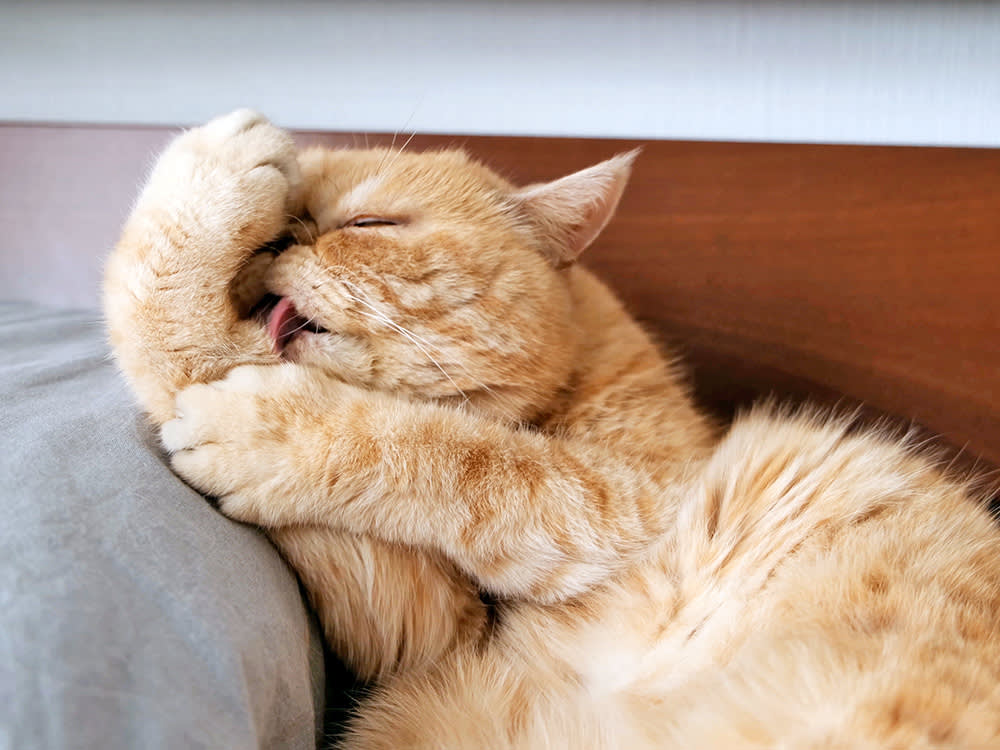
Have you ever wondered when your kitten will start cleaning itself? Understanding when cats begin grooming themselves can help you care for your furry friend better.
Grooming is more than just keeping clean—it’s a sign of health and comfort. If you want to know what to expect and how to support your cat’s self-care habits, keep reading. You’ll discover the key moments when grooming starts and why it matters for your cat’s well-being.
Credit: pethelpful.com
Early Grooming Behaviors
Early grooming behaviors are a fascinating part of a kitten’s development. Before they can clean themselves properly, kittens rely heavily on instincts and care from their mother. Observing these early stages helps you understand how your cat learns important habits that last a lifetime.
Grooming In Newborn Kittens
Newborn kittens don’t groom themselves right away. Their eyes are closed, and they are completely dependent on their mother for cleanliness. In these first few weeks, their tiny bodies are too weak to perform any self-grooming actions.
Despite this, you might notice small movements like licking or pawing as they get older, usually around two to three weeks. These early attempts are clumsy but mark the beginning of their grooming skills. Watching this can remind you how quickly kittens grow and gain independence.
Mother Cat’s Role In Grooming
The mother cat plays a crucial role in teaching grooming habits. She cleans her kittens by licking them, which stimulates circulation and digestion. This care also helps the kittens stay warm and free from dirt or parasites.
As the kittens grow, the mother gradually encourages them to groom themselves by demonstrating how to lick and clean. If you see a mother cat meticulously grooming her kittens, you’re witnessing essential training in action. Have you ever noticed how patient and thorough a mother cat can be during this process?
Credit: hellopetsinc.com
First Signs Of Self-grooming
Watching a kitten start to groom itself is a fascinating moment. It marks the beginning of independence and self-care. You’ll notice small, subtle behaviors that show your cat is learning to take care of their own fur.
Typical Age For Self-grooming
Kittens usually begin showing signs of self-grooming around 3 to 4 weeks old. Before this, their mother does most of the cleaning. By the time they reach 6 to 8 weeks, many kittens have developed a good grooming routine.
Every kitten is different, though. Some may start a little earlier or later depending on their environment and health. Have you noticed your kitten licking its paws or face at this age? That’s a key sign they’re practicing self-care.
Common Grooming Actions
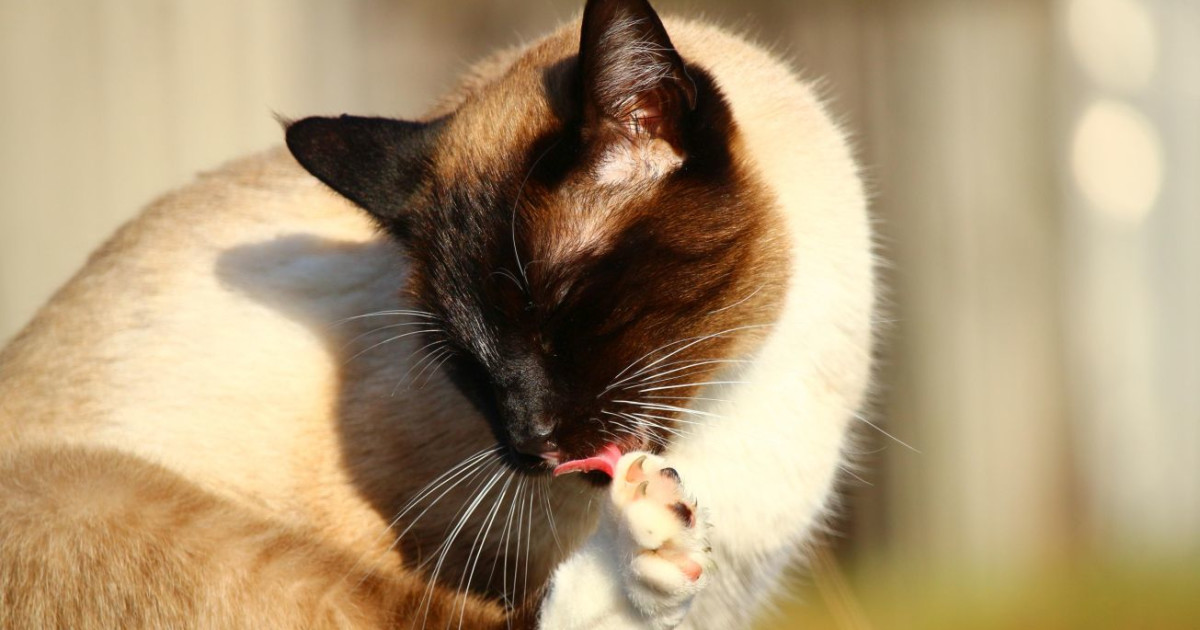
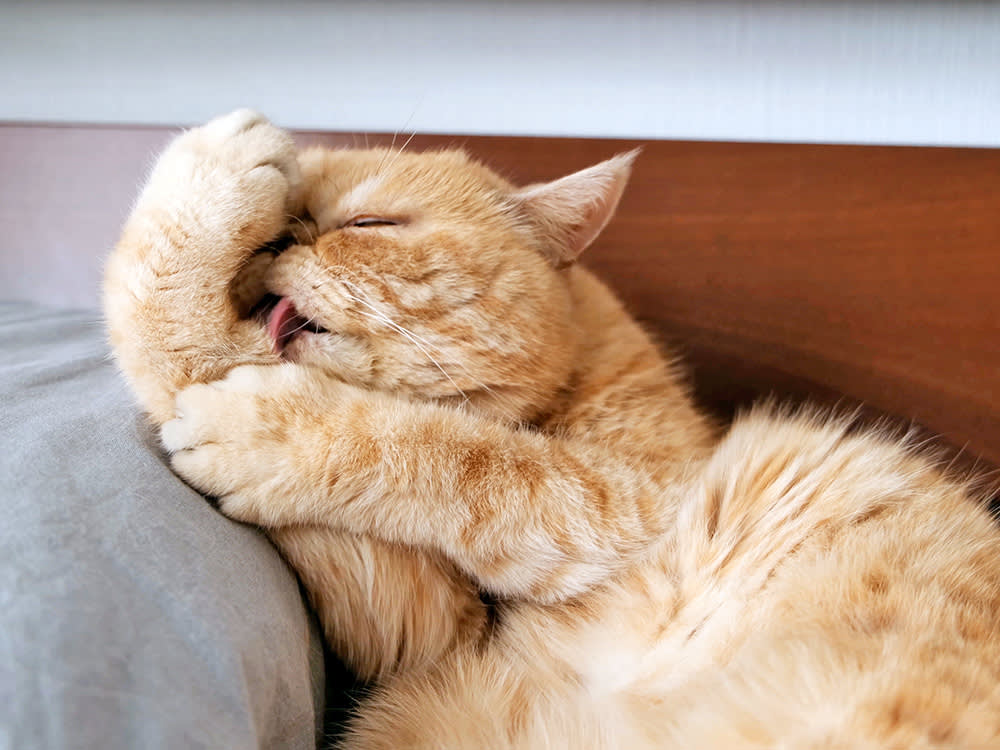
Self-grooming includes several distinct actions that kittens pick up over time. These often start as quick licks of the paws, followed by rubbing the face and ears. You might also see gentle biting or nibbling at fur to remove dirt or loose hair.
- Licking paws and rubbing them over the face
- Cleaning around the ears and neck
- Nibbling or biting at tangled fur
- Occasionally licking the tail and back
As your cat grows, these actions become more thorough and frequent. Have you tried gently encouraging your kitten by mimicking grooming or praising their efforts? That interaction can strengthen their confidence in self-grooming.
Developmental Stages Of Grooming
Watching a kitten transform into a self-sufficient groomer is a fascinating journey. Cats are naturally meticulous about their cleanliness, and this behavior begins quite early in their life. Understanding the developmental stages of grooming can help you appreciate just how intricate and learned this instinctual behavior truly is.
From Basic Licking To Advanced Techniques
In the early weeks, kittens start by simply licking themselves. This basic form of grooming is mainly to get used to the sensation and method of cleaning. As they grow, they observe their mother and siblings, mimicking more complex grooming actions.
Have you ever noticed a kitten awkwardly trying to clean its ears or tail? These attempts, though clumsy, are crucial as they lay the foundation for more advanced grooming techniques. It’s interesting to note how quickly they adapt, refining their skills over time.
Improvement In Grooming Skills
By the time a kitten is a few months old, their grooming skills have significantly improved. They can now reach and clean difficult areas with ease and precision. This improvement is often accompanied by their growing independence.
As you watch your feline friend, you may notice how they develop a routine, similar to humans brushing their teeth every morning. They take pride in their appearance, and their grooming rituals reflect this. Have you ever wondered how your cat learns to groom so effectively?
It’s a combination of instinct, observation, and practice. By encouraging and observing these stages, you can support your cat’s development and ensure they grow into a healthy, happy adult.
)
Credit: www.northroadvet.com.au
Factors Influencing Grooming Habits
Grooming is an essential part of a cat’s daily routine, but various factors shape how and when your feline friend starts to groom themselves. These factors can influence the frequency, style, and effectiveness of their grooming habits. Understanding these elements helps you better support your cat’s hygiene and overall well-being.
Health And Physical Ability
Your cat’s health plays a big role in their grooming behavior. Cats with joint pain or dental problems might struggle to clean themselves properly. Have you noticed your older cat grooming less? It could be a sign of discomfort or health issues that need attention.
Physical ability also affects grooming. Kittens start grooming themselves around three weeks old, but if they have physical limitations, they might take longer to develop this skill. Keep an eye on your cat’s movements to ensure they can reach all areas comfortably.
Environmental Impact
The environment where your cat lives influences their grooming habits. Cats in clean, safe spaces tend to groom more regularly since they feel secure. On the other hand, stress or a dirty environment can reduce grooming, leading to mats or skin problems.
Changes in your cat’s surroundings, like moving to a new home, can temporarily disrupt their grooming routine. How do you create a calm space for your cat to feel confident enough to maintain their hygiene daily?
Breed Differences
Different cat breeds have unique grooming needs and habits. Long-haired breeds like Persians require more intensive grooming and may start self-grooming later due to the complexity of their coats. Short-haired cats often groom themselves more quickly and thoroughly.
Some breeds are more prone to skin conditions, affecting their grooming frequency. Knowing your breed’s specific needs can help you assist with brushing or bathing when necessary, keeping your cat comfortable and clean.
Signs Of Grooming Problems
Recognizing signs of grooming problems in your cat can save their health and comfort. Grooming issues often signal underlying stress, illness, or skin problems that need your attention.
Pay close attention to changes in your cat’s grooming habits. These changes can show up as either too much grooming or too little, both of which can cause serious issues.
Over-grooming Symptoms
Is your cat licking or scratching more than usual? Over-grooming can lead to bald spots, red skin, and even sores. You might notice your cat obsessively cleaning one area, which often points to pain or irritation.
Watch for:
- Patchy fur loss
- Scabs or wounds
- Constant licking or chewing
Over-grooming might be a sign of allergies, parasites, or anxiety. Have you seen your cat acting restless or nervous alongside these symptoms?
Neglecting Grooming
On the other hand, a cat that stops grooming can be just as concerning. Cats usually keep themselves clean, so a sudden neglect might mean they’re feeling unwell or depressed.
Look out for:
- Mattes or tangled fur
- Dull or dirty coat
- Unpleasant odor coming from fur
Neglecting grooming may indicate pain, arthritis, or dental issues that make self-cleaning difficult. Does your cat seem less active or hide more than usual?
When To Consult A Vet
Not sure if your cat’s grooming behavior is normal? If you spot persistent over-grooming or neglect, it’s time to seek professional advice.
Contact your vet when you notice:
- Open wounds or infected skin
- Sudden changes in grooming patterns
- Signs of distress or discomfort
Your vet can diagnose the root cause and recommend treatment. Have you experienced a sudden grooming change in your cat that worried you?
Frequently Asked Questions
When Do Kittens Start Grooming Themselves?
Kittens begin grooming around 3 to 4 weeks old. Initially, mother cats clean them. Self-grooming develops gradually as they grow stronger and more coordinated.
Why Is Grooming Important For Cats?
Grooming helps cats remove dirt and loose fur. It also regulates body temperature and reduces stress. Regular grooming maintains a cat’s health and comfort.
How Often Do Cats Groom Themselves Daily?
Cats typically groom themselves several times a day. This behavior keeps their fur clean and prevents matting. Grooming also strengthens their bond with other cats.
What Triggers A Cat’s Grooming Behavior?
Cats groom due to instinct, hygiene, and stress relief. They use grooming to calm down and mark their scent. Environmental factors can also influence grooming frequency.
Conclusion
Cats start grooming themselves at about three weeks old. This behavior helps them stay clean and healthy. Grooming also builds comfort and trust with their surroundings. Watching kittens learn to groom is fascinating and natural. Early grooming shows their growing independence and care habits.
Understanding this helps owners support their pets better. Healthy grooming habits lead to happy, well-kept cats. Keep an eye on your kitten’s grooming progress daily. This simple act says a lot about their well-being. Caring for your cat means knowing when and how they groom.

Leave a Reply