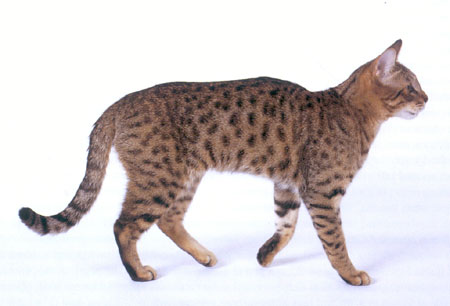
Are you curious about how many cat breeds are officially recognized by TICA in 2019? If you love cats, knowing the variety of breeds can help you understand their unique personalities and traits better.
Whether you’re thinking of adopting a new feline friend or just want to impress others with your cat knowledge, this article will give you clear and simple answers. Keep reading, and you’ll discover the fascinating world of cat breeds as counted by TICA in 2019—there might be more surprises than you expect!

Credit: cats.fandom.com
Cat Breed Classification
Cat breed classification helps organize the many types of cats worldwide. It groups cats based on their traits, history, and genetics. This system makes it easier for breeders, cat lovers, and organizations to understand and identify different breeds. The International Cat Association (TICA) is one of the leading bodies that classify and recognize cat breeds. Their standards guide how cats are categorized and registered.
What Is Tica?
TICA stands for The International Cat Association. It is one of the largest cat registries globally. Founded in 1979, TICA promotes the welfare and recognition of all cat breeds. It registers pedigreed cats and supports cat shows and breeders. TICA sets breed standards and rules for competition. The association also recognizes new and developing breeds.
Criteria For Breed Recognition
TICA uses strict criteria to recognize a breed officially. The breed must have a stable and consistent appearance. Breeders must show a clear history of the breed’s traits. The breed should breed true to type over several generations. Health and temperament also play a role in recognition. TICA requires a minimum number of cats and litters for registration. This ensures the breed is viable and sustainable.
Categories Of Cat Breeds
TICA divides cat breeds into several categories based on coat length and origin. These categories include:
- Short Hair:Cats with short, dense fur.
- Long Hair:Cats with long, flowing coats.
- Oriental:Breeds with slender bodies and large ears.
- Hybrid:Cats bred from domestic and wild ancestors.
- Natural Breeds:Cats that developed without human intervention.
Each category contains breeds with unique traits and histories. This system helps breeders and owners understand breed diversity better.
Number Of Recognized Cat Breeds In 2019
The number of recognized cat breeds has always fascinated cat lovers and breeders alike. In 2019, TICA (The International Cat Association) provided a clear snapshot of the diversity found in the feline world. Understanding how many breeds were officially recognized can help you appreciate the variety and uniqueness each breed brings to your home or cat community.
Total Breeds Listed By Tica
In 2019, TICA officially recognized 73 cat breeds. This number reflects a wide range of cats, from the sleek Siamese to the fluffy Maine Coon. Each breed has distinct traits and histories, making the total count both diverse and exciting.
Knowing this number helps you realize how many options you have if you’re thinking about adopting or learning more about cats. Have you ever wondered why some breeds are rarer than others? The official count gives you a clear perspective on the breed variety available worldwide.
Comparison With Other Cat Registries
TICA isn’t the only organization that recognizes cat breeds. Other registries like CFA (Cat Fanciers’ Association) and FIFe (Fédération Internationale Féline) have different breed counts.
| Registry | Number of Recognized Breeds (2019) |
|---|---|
| TICA | 73 |
| CFA | 44 |
| FIFe | 48 |
Why such differences? Each registry has its own rules and standards for breed recognition. This can influence which cats are accepted and promoted, affecting what you might see at shows or in breeder listings.
Emerging And Experimental Breeds
Beyond officially recognized breeds, TICA also tracks emerging and experimental breeds. These cats are in the process of becoming recognized but still undergo evaluation and breeding standards development.
Examples include breeds like the Toybob and the Dwelf, which have unique traits but require more generations to stabilize their characteristics. Watching these breeds evolve offers insight into how new feline varieties are created and accepted.
Are you curious about what the future holds for cat breeds? Keeping an eye on emerging breeds can show you the next big thing in the cat world before everyone else does.
Popular Cat Breeds In 2019
Cats are loved worldwide. In 2019, certain breeds stood out. Their popularity soared, drawing attention from cat lovers everywhere. Let’s explore the most popular cat breeds of 2019.
Top Pedigree Breeds
Pedigree cats have distinct features. The Maine Coon is a giant among cats. It is gentle and friendly. The Siamese is elegant and vocal. It has striking blue eyes. The Persian is known for its long, luxurious fur. It is calm and affectionate. The Ragdoll is large with blue eyes and a soft coat. It is known for its relaxed nature. The Abyssinian is active and playful. It has a short, ticked coat.
Unique Traits Of Popular Breeds
Each breed has unique traits. The Maine Coon has tufted ears and a bushy tail. The Siamese is sleek with a pointed coat. The Persian has a flat face and a thick coat. The Ragdoll goes limp when held. The Abyssinian has a wild, jungle-like appearance.
Breed Popularity Trends
Breed popularity shifts over time. In 2019, many preferred the Maine Coon for its size and temperament. The Siamese remained a favorite for its beauty and sociability. The Persian continued to charm with its fluffy appearance. The Ragdoll’s easygoing nature gained fans. The Abyssinian’s lively personality attracted those seeking an active companion.

Credit: en.wikipedia.org
Breed Characteristics And Standards
Understanding breed characteristics and standards is key to appreciating the diversity within the 2019 TICA recognized cat breeds. Each breed follows specific physical and behavioral traits that set it apart from others. These standards help breeders and cat lovers identify and maintain the unique qualities that define each breed.
Physical Features
Physical traits vary widely across the 73+ breeds recognized by TICA in 2019. Some cats boast sleek, slender bodies like the Oriental Shorthair, while others have a robust, muscular build such as the Maine Coon. Coat patterns and colors also differ—ranging from the striking pointed colors of the Siamese to the dense, plush fur of the British Shorthair.
Eye shape and color are important too. For example, the Russian Blue is known for its vivid green eyes, whereas the Abyssinian features large, almond-shaped eyes. These features are carefully described in breed standards to ensure consistency and breed purity.
Temperament And Behavior
Temperament plays a huge role in why people choose certain breeds. The Ragdoll is famous for its docile and affectionate nature, often going limp when held, making it a favorite for families. Contrast that with the energetic and curious Bengal, which enjoys climbing and interactive play.
Knowing a breed’s typical behavior helps you decide if it fits your lifestyle. If you prefer a calm companion, breeds like the Scottish Fold might suit you. On the other hand, if you want a playful and active pet, consider breeds known for their high energy.
Care Requirements
Care needs differ significantly between breeds. Long-haired cats like the Persian require daily grooming to prevent mats and tangles. Short-haired breeds such as the Burmese generally need less maintenance but still benefit from regular brushing.
Diet and health concerns also vary. Some breeds are prone to specific genetic conditions—Maine Coons can suffer from hypertrophic cardiomyopathy, so regular vet checks are vital. Understanding these needs upfront saves you time and stress while keeping your cat happy and healthy.
How New Breeds Get Recognized
Understanding how new cat breeds gain official recognition helps you appreciate the effort behind every unique feline you see in shows or shelters. Recognition is not instant; it’s a careful journey involving breeders, associations, and strict rules. This process ensures that each breed has distinct traits and a healthy gene pool before it becomes part of the official feline family.
Breeding Programs
Breeding programs play a crucial role in developing new cat breeds. Breeders carefully select parent cats to emphasize specific physical and behavioral traits over several generations. You might not realize, but these programs often take years of patience and detailed record-keeping to stabilize a breed’s characteristics.
During this time, breeders monitor health, temperament, and appearance to maintain consistency. Have you ever wondered how a rare coat pattern or eye color becomes a breed standard? It starts here, within these dedicated breeding programs.
Approval Process By Tica
The International Cat Association (TICA) has a structured approval process for new breeds. Breeders submit detailed documentation about the breed’s history, genetics, and characteristics. TICA then places the breed in different categories like “Preliminary New Breed” or “Advanced New Breed” before full championship status.
This phased approach lets TICA evaluate the breed’s stability and popularity over time. You get to see breeds like the Lykoi or Serengeti gradually move through these stages before becoming fully recognized. It’s a way to ensure quality and authenticity.
Challenges In Breed Recognition
Getting a new breed recognized is not without hurdles. One major challenge is maintaining genetic diversity while preserving unique traits. Breeders must avoid inbreeding, which can cause health problems.
Another obstacle is meeting TICA’s strict standards and convincing the community that the breed deserves recognition. Sometimes, breeds with fascinating traits face rejection because they don’t meet health or consistency criteria. It makes you think—what qualities should define a breed beyond just looks?
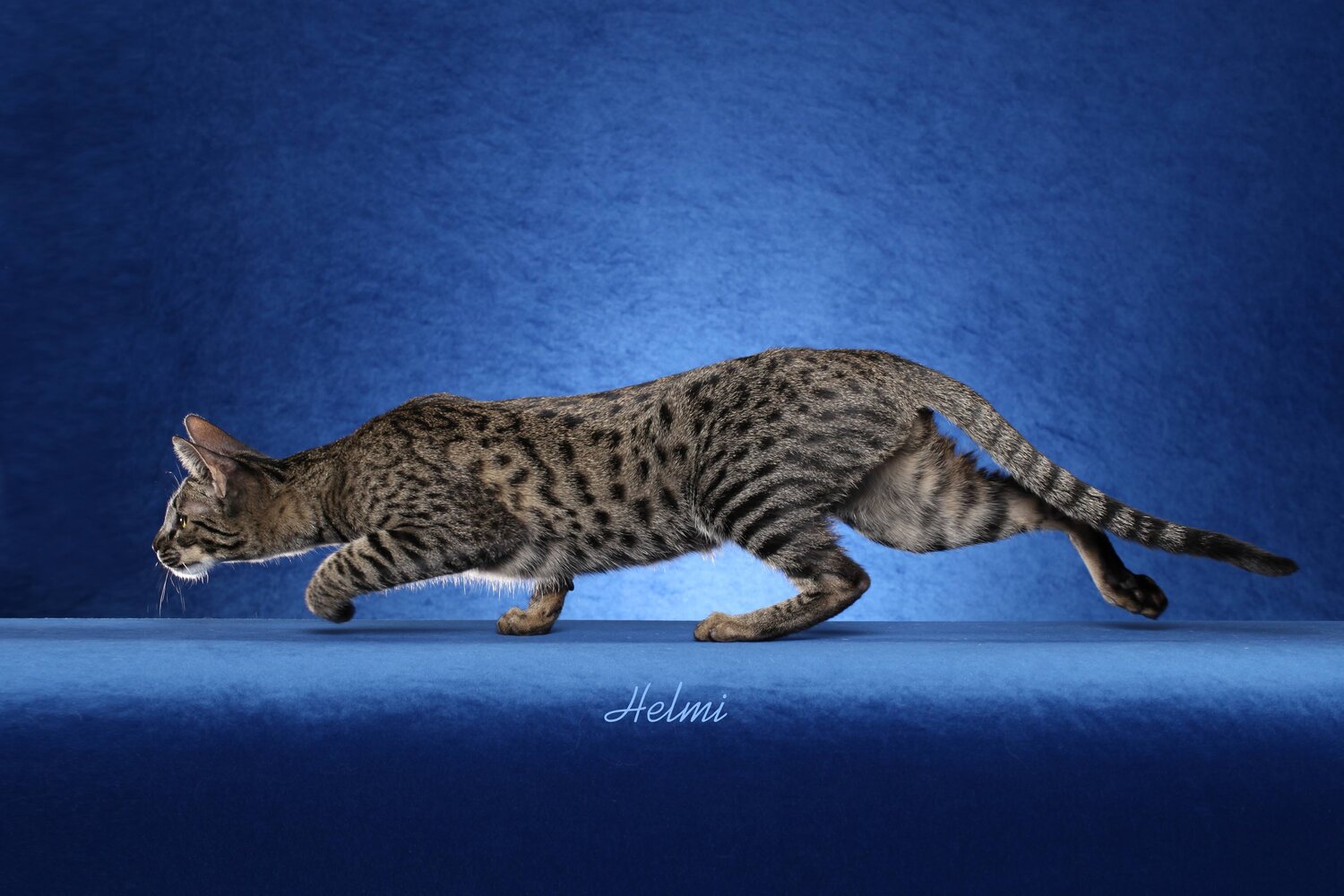
Credit: www.savannahgans.com
Resources For Cat Breed Enthusiasts
Cat breed enthusiasts have many resources to explore. These sources offer detailed information about different breeds. They help deepen knowledge and connect with other cat lovers. Reliable resources make learning about cats easier and more fun.
Tica Official Publications
The International Cat Association (TICA) publishes guides and newsletters. These materials cover breed standards and care tips. They also share updates about new cat breeds recognized by TICA. Reading these publications keeps enthusiasts well-informed.
Cat Shows And Competitions
Cat shows provide a chance to see many breeds in person. Judges explain breed traits and history during events. Visitors learn about breed differences and meet breeders. Competitions highlight the best examples of each breed.
Online Breed Databases
Many websites offer detailed cat breed databases. These include photos, descriptions, and origin stories. Users can search breeds by size, coat, or personality. Online forums also let enthusiasts share experiences and ask questions.
Frequently Asked Questions
How Many Cat Breeds Did Tica Recognize In 2019?
In 2019, TICA recognized 73 official cat breeds. This number includes both pedigreed and newly accepted breeds. TICA updates its list regularly to reflect new standards and breed developments worldwide.
What Criteria Does Tica Use To Recognize Cat Breeds?
TICA recognizes breeds based on pedigree, genetics, and distinct physical traits. Breeds must have stable breeding populations and consistent characteristics. The organization also considers health, temperament, and breed history before official recognition.
Are New Cat Breeds Added Frequently By Tica?
Yes, TICA occasionally adds new breeds as they meet specific standards. This process involves thorough evaluation by breed committees. New breeds reflect evolving feline genetics and breeder efforts globally.
How Does Tica Differ From Other Cat Registries?
TICA focuses on both pedigreed and household pet cats, promoting diversity. It emphasizes genetic health and breed preservation. Unlike some registries, TICA has a broader breed acceptance policy.
Conclusion
The cat world is rich with many unique breeds. TICA recognized 73 breeds in 2019. Each breed has its own charm and traits. Whether you prefer fluffy or sleek, there is a cat for you. Exploring different breeds helps you find the perfect pet.
Cats bring joy and comfort to many homes. Keep learning about these wonderful animals every day. The variety makes cat ownership exciting and fun.




Leave a Reply