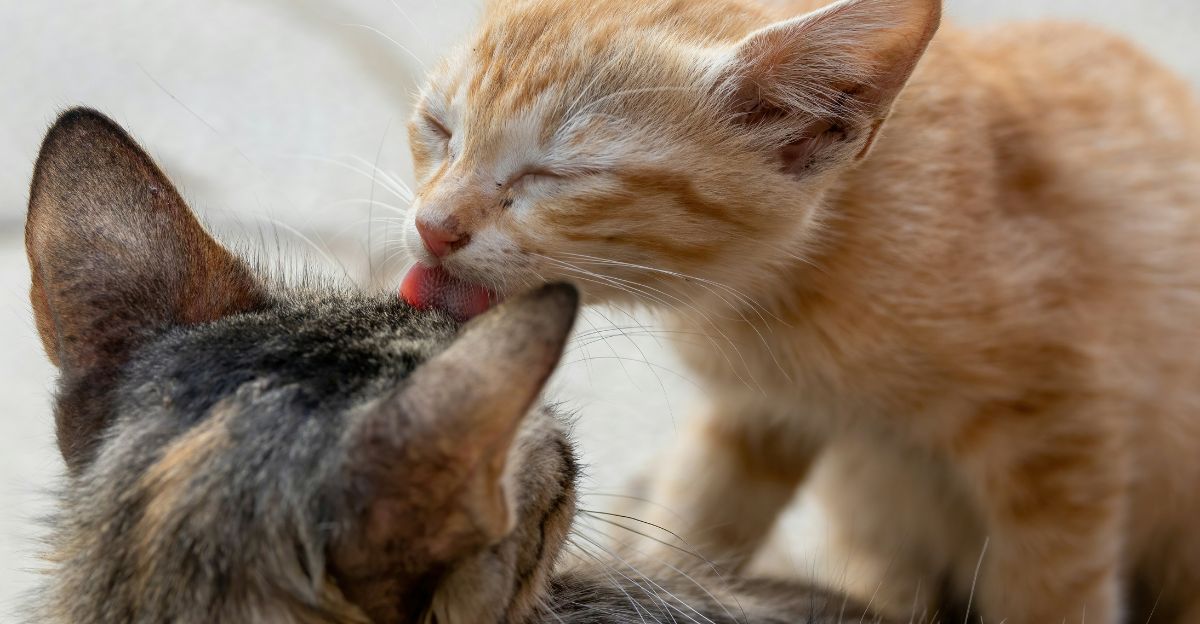
Have you ever watched two cats quietly cleaning each other and wondered, “Do cats like grooming each other?” It’s more than just a cute moment. This behavior tells you a lot about their feelings and social bonds.
If you want to understand what your furry friends are really saying when they groom one another, keep reading. You’ll discover surprising facts that will change how you see your cats’ friendships forever.

Credit: catcuddlezone.com
Why Cats Groom Each Other
Have you ever watched cats gently licking each other and wondered why they do it? Grooming between cats is more than just about keeping clean. It’s a powerful way they communicate, care for one another, and even manage their emotions. Understanding why cats groom each other can help you better interpret their social behaviors and strengthen your bond with them.
Social Bonding Benefits
Cats don’t just groom each other to stay clean; they use it to build trust and friendship. When your cats groom each other, it shows they feel safe and connected. This shared grooming, often called allogrooming, helps reduce tension and creates a peaceful environment in multi-cat households.
Have you noticed your cats grooming only certain friends? That’s because they form special bonds, much like close friendships among humans. Watching these moments can tell you which cats are the closest in your home.
Health And Hygiene Reasons
Besides social reasons, grooming helps your cats stay healthy. Some areas, like the head and neck, are hard for a cat to reach alone. When they groom each other, they can clean spots that would otherwise be missed.
Grooming also removes dirt, parasites, and loose fur. This mutual care reduces the chance of skin problems and helps keep their coats shiny. If you see your cats grooming each other often, it’s a sign they’re looking out for each other’s well-being.
Stress Relief Effects
Grooming isn’t just about physical care—it’s a natural way for cats to calm down. When your cat licks a friend, it releases feel-good hormones that reduce stress. This behavior can lower anxiety in tense situations, like during loud noises or when meeting new pets.
Think about how you feel after a calming activity—grooming offers a similar comfort to cats. If your cats groom each other frequently, it may mean they are helping each other stay relaxed and happy.
How Cats Choose Grooming Partners
Understanding how cats pick their grooming partners reveals a lot about their social lives. Grooming is more than hygiene; it’s a way cats build and maintain bonds. Let’s look at the key factors that influence these choices.
Family And Familiarity
Cats often groom those they know well, especially family members. Siblings or mother and kitten pairs tend to groom each other frequently. Familiarity creates a safe space where cats feel comfortable enough to engage in close contact.
If you’ve ever observed a multi-cat household, you might notice that cats stick to grooming their “inner circle.” This behavior helps reduce tension and strengthens family ties. Are there cats in your home that always groom each other?
Hierarchy And Dominance
Grooming also reflects social ranking within a group. Dominant cats may groom subordinates more often, asserting their status gently. Meanwhile, lower-ranking cats might groom higher-ups to gain favor or show submission.
This hierarchy isn’t about aggression; it’s a subtle way cats communicate respect. Watch how grooming patterns shift when a new cat joins the group—it’s often a dance of establishing roles. Have you noticed who takes the lead during grooming sessions?
Trust And Comfort Levels
Trust is essential for grooming partners. Cats only allow those they feel safe around to groom their sensitive areas, like the head and neck. If a cat seems tense or tries to escape, it’s a clear sign trust hasn’t been established yet.
Comfort grows over time through positive interactions, including play and shared resting spots. You can encourage this by giving your cats space to bond naturally. Are your cats showing signs of trust when they groom each other?
Signs Cats Enjoy Mutual Grooming
Cats show enjoyment in mutual grooming by staying calm and purring softly. They gently lick each other and take turns, showing trust and friendship. Mutual grooming helps them feel safe and close.
Cats are fascinating creatures with complex social behaviors, and one of the most heartwarming is their tendency to groom each other. But how can you tell if your cats genuinely enjoy this mutual grooming? Understanding the signs can deepen your appreciation for your feline friends and their unique ways of bonding.Body Language Cues
Observing your cats’ body language can offer clues about their grooming preferences. Cats that enjoy grooming each other often display relaxed and open body postures. Look for tails that are not bristled, ears in a neutral position, and eyes that are soft and half-closed. These cues suggest your cats are comfortable and happy in each other’s company.Purring And Relaxed Posture
Purring is one of the most obvious indicators that your cats are enjoying their grooming session. It’s a sign of contentment and relaxation. When cats groom each other, they often lie side by side, completely at ease. This relaxed posture, coupled with a gentle purr, indicates a strong bond and mutual trust.Reciprocal Grooming Behavior
In a delightful display of reciprocity, cats that enjoy grooming each other often take turns. One cat might start by licking the other’s head, and after a while, they switch roles. This back-and-forth grooming is not just about cleanliness; it’s a powerful social ritual. Have you noticed your cats engaging in this behavior? It’s a clear sign they value and enjoy each other’s company. Understanding these signs not only helps you appreciate your cats’ relationship but also provides insights into their emotional well-being. By recognizing and encouraging their grooming habits, you can help foster a harmonious and happy environment for your furry friends.
Credit: www.youtube.com
When Cats Avoid Grooming Each Other
Cats usually groom each other to show care and build trust. But sometimes, they stop this behavior. Understanding why cats avoid grooming helps in keeping them happy and healthy.
Stress And Anxiety Factors
Stress can make cats avoid grooming their friends. Changes in the environment, loud noises, or new pets cause anxiety. Stressed cats may hide or act distant. Grooming feels less important during these times.
Illness Or Discomfort
Sick cats often stop grooming others. Pain or discomfort lowers their interest in social activities. Illness can also make them sensitive to touch. Watch for changes in behavior or appetite as signs.
Territorial Conflicts
Territory matters to cats. When conflicts arise, grooming stops. Cats may hiss, growl, or avoid each other. This behavior protects their space and shows dominance.
Grooming Differences Among Cat Breeds
Cats groom each other to build bonds and stay clean. Yet, grooming habits vary across different cat breeds. These differences depend on coat length, personality, and early life experiences. Understanding these factors helps explain why some cats groom more than others.
Long-haired Vs Short-haired Cats
Long-haired cats need more grooming to prevent mats and tangles. They often enjoy grooming sessions with others to keep their fur neat. Short-haired cats usually groom themselves and others less often. Their coats are easier to maintain and do not tangle easily.
Temperament Variations
Some breeds are more social and enjoy grooming others. For example, Siamese cats are known for their friendly nature and often groom friends. More independent breeds, like the Russian Blue, may groom less frequently. Temperament affects how much cats engage in grooming each other.
Influence Of Early Socialization
Kittens raised with siblings and their mother learn grooming habits early. These cats tend to groom each other more as adults. Cats without early social contact may groom less or avoid it. Early socialization shapes grooming behavior and comfort with others.
Tips To Encourage Mutual Grooming
Encouraging your cats to groom each other can strengthen their bond and promote a peaceful home. It’s not always natural for every pair, but with patience and the right environment, you can help your cats enjoy mutual grooming. Here are some practical ways to support this behavior.
Creating A Calm Environment
Your cats are more likely to groom each other when they feel safe and relaxed. Make sure their space is quiet and free of sudden noises or distractions. Soft lighting and cozy spots can invite calm interaction.
Have you noticed your cats groom each other more after a nap? That’s because they feel secure and comfortable. Try to keep their environment consistent to maintain this sense of peace.
Introducing Cats Gradually
If your cats are new to each other, don’t rush their interactions. Let them sniff and observe from a distance before allowing closer contact. Short supervised meetings can build trust over time.
Keep an eye on their body language. If either cat shows signs of stress, such as hissing or hiding, give them space and try again later. Slow introductions help prevent negative associations and encourage friendly grooming.
Positive Reinforcement Techniques
Reward your cats when they show friendly behavior toward each other. Use gentle praise, petting, or treats to encourage grooming and closeness. Your cats will begin to associate grooming with positive outcomes.
Try saying a calm word or clicking softly when they start to groom each other. This helps them link the action with your approval. Over time, positive reinforcement can turn mutual grooming into a natural habit.

Credit: catgroomerla.com
Frequently Asked Questions
Do Cats Enjoy Grooming Each Other?
Yes, cats often enjoy mutual grooming as it strengthens social bonds and reduces stress. It’s a sign of trust and affection among cats.
Why Do Cats Groom Each Other Frequently?
Cats groom each other to maintain hygiene, remove dirt, and strengthen their social relationships. It also helps in establishing group harmony.
Can Grooming Reduce Cat Stress Or Anxiety?
Mutual grooming helps cats feel calm and secure. It lowers stress hormones and promotes relaxation, making cats feel emotionally balanced.
Is Grooming A Sign Of Cat Friendship?
Absolutely, grooming each other is a strong indicator of friendship and trust between cats. It shows they feel safe together.
Conclusion
Cats grooming each other shows trust and friendship. This behavior helps them stay clean and calm. Grooming also strengthens bonds between cats in a group. It is a natural way for cats to show care. Watching cats groom each other can be very comforting.
It reminds us how animals connect and support one another. Understanding this helps cat owners create a happy home. Cats enjoy grooming each other because it feels good and safe. This simple act says a lot about their social life.

Leave a Reply