Have you noticed your cat acting restless or more vocal as the days get longer? You might be wondering if spring is the time when cats start their breeding season.
Understanding when and why cats go into heat can help you take better care of your furry friend and avoid unexpected litters. You’ll discover the truth about spring and cat breeding, what signs to watch for, and how to manage this natural cycle.
Keep reading to learn what every cat owner needs to know about this important time of year.
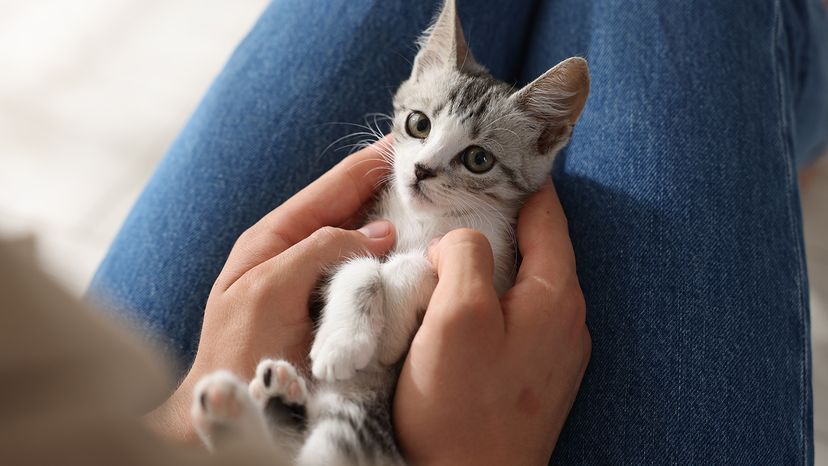
Credit: animals.howstuffworks.com
Cat Breeding Cycles
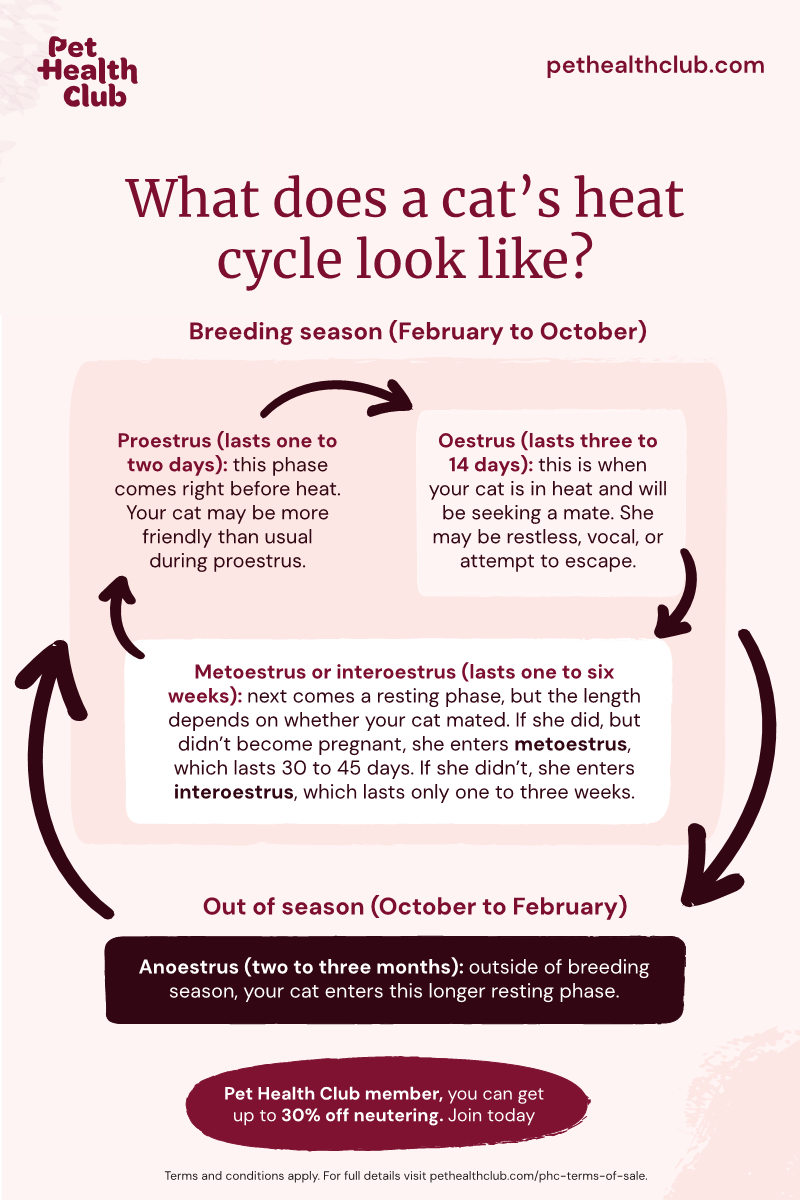
Cats have distinct breeding cycles that influence their reproductive behavior. Understanding these cycles helps in managing and predicting their mating habits. These cycles depend on several natural factors and vary throughout the year.
Seasonal Patterns
Most cats are seasonal breeders. Their breeding season usually starts in early spring. It lasts through summer and ends by late fall. During this time, female cats go into heat multiple times. They may have several litters in one season. Shorter daylight hours in winter reduce breeding activity.
Influencing Factors
Light exposure plays a key role in triggering breeding cycles. Longer days stimulate hormone production in cats. Temperature changes also affect their mating behaviors. Indoor cats may breed year-round due to artificial lighting. Nutrition and health status impact fertility too. Stress or illness can delay or stop breeding cycles.
Spring And Cat Reproduction
Cats often show changes in their reproductive behavior during spring. This season plays a special role in their breeding cycle. The amount of daylight increases, which affects their hormones. These hormonal changes trigger mating behaviors. Many cats become more active in seeking mates during this time.
Why Spring Matters
Spring brings longer days and warmer weather. These conditions stimulate cats’ reproductive systems. The rise in daylight causes the release of hormones like melatonin. This hormone controls the cat’s heat cycle. Female cats, called queens, enter estrus more often in spring. Male cats, known as toms, become more eager to find mates. The environment supports raising kittens with more food and safer conditions.
Comparison With Other Seasons
Winter usually brings less breeding activity due to shorter days. Cats tend to rest more and show fewer mating behaviors. Summer can also see some breeding, but it often slows down. Autumn marks the decline of breeding activity as days get shorter. Spring stands out as the peak season with the highest breeding rates. This seasonal cycle helps ensure kittens grow in favorable weather.
Indoor Vs Outdoor Cats
Spring is the prime breeding season for cats, especially outdoor ones exposed to natural light. Indoor cats may breed less often due to controlled environments and limited daylight. Understanding these differences helps manage cat populations and health better.
Indoor vs Outdoor Cats The debate between keeping cats indoors versus allowing them outdoor freedom is a common topic among cat owners. This discussion becomes even more critical during the spring breeding season. Both environments offer distinct advantages and challenges, impacting not only your cat’s lifestyle but also their breeding habits.Effect Of Environment
Cats living indoors enjoy a controlled environment. They are safe from predators, traffic, and harsh weather conditions. However, this protected lifestyle can also mean limited exposure to natural breeding cues like temperature changes and daylight variations. Outdoor cats, on the other hand, have more interactions with the natural world. This exposure means they can experience the full range of seasonal changes, which can trigger the breeding season more robustly. But this freedom comes with risks such as getting lost or injured.Impact On Breeding Timing
Indoor cats may have a delayed or less intense breeding season due to their stable environment. Without the external cues from nature, their biological clocks can be less predictable. This unpredictability can be a blessing or a challenge, depending on your perspective. Outdoor cats typically follow a more traditional breeding cycle. Springtime brings longer days and warmer temperatures, both of which can signal the start of the breeding season. Have you noticed your outdoor cat becoming more restless or vocal during this time? Ultimately, the choice between keeping a cat indoors or allowing it outside impacts not only their safety and lifestyle but also their breeding patterns. Consider what environment best suits your cat’s needs and your lifestyle. What factors are most important to you in making this decision?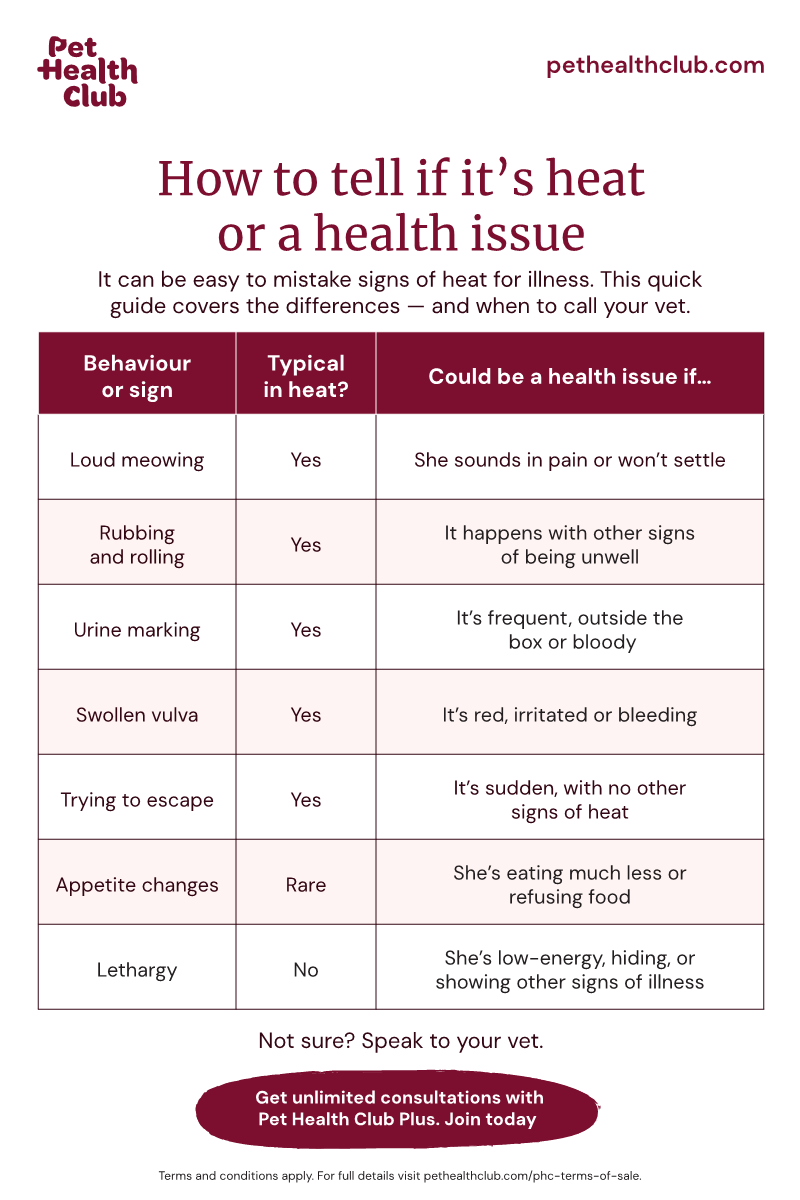
Credit: www.pethealthclub.com
Signs Of Cat Heat
Recognizing the signs of cat heat can help you manage your pet’s needs more effectively during the breeding season. Cats in heat display distinct behaviors and physical changes that signal their readiness to mate. Understanding these signs lets you respond appropriately, whether it’s preparing for kittens or seeking veterinary advice.
Behavioral Changes
During heat, your cat may become unusually affectionate, constantly seeking your attention. She might rub against furniture, walls, or even your legs more frequently than usual.
Expect increased vocalization too—loud meowing or yowling is common as your cat tries to attract mates. You might notice restless pacing or attempts to escape the house in search of a partner.
Have you seen your cat suddenly rolling on the floor or assuming a mating position? These are clear signals she’s in heat and ready to breed.
Physical Symptoms
Physically, cats in heat often have a slightly swollen, pinkish vulva. Unlike dogs, cats usually do not bleed, but you might spot some clear discharge.
Your cat may also display a raised rear end with the tail held to the side, a posture known as lordosis, which facilitates mating. This position is a strong physical cue that your cat is fertile and receptive.
Pay attention to any changes in appetite or grooming habits. Some cats groom themselves more obsessively, while others might eat less during this period.
Managing Cat Breeding
Managing cat breeding is vital for pet owners and animal welfare. Uncontrolled breeding leads to many unwanted cats. These cats often face health and safety risks. Responsible care includes understanding breeding cycles and taking action. This helps reduce stray cat populations and protects your pets.
Spaying And Neutering Benefits
Spaying and neutering prevent unwanted pregnancies. They reduce the risk of certain cancers in cats. These procedures also help control aggressive behaviors. Cats live healthier and calmer lives after surgery. It lowers the chance of roaming and fights. It is a simple step that saves many lives.
Controlling Breeding Cycles
Monitoring your cat’s heat cycles is important. Female cats enter heat every few weeks during breeding season. Males become more active and vocal. Keeping cats indoors limits accidental mating. Use barriers and supervision to prevent escapes. Regular vet check-ups help track your cat’s health. This control reduces surprise litters and stress for cats.
Common Myths About Cat Breeding
Many people have wrong ideas about cat breeding. These myths cause confusion about when cats mate and how often. Understanding the truth helps cat owners take better care of their pets and manage breeding responsibly.
Some myths come from old beliefs or incomplete facts. Sorting out these myths clears up common misunderstandings about cat behavior and breeding cycles.
Spring Breeding Misconceptions
- Cats only breed in spring because of the season.
- All cats go into heat at the same time every year.
- Indoor cats do not experience breeding seasons.
- Only female cats control when they mate.
- Neutered cats can still breed if they show heat signs.
Factual Clarifications
- Cats are seasonal breeders but can cycle outside spring.
- Heat cycles vary by cat and environmental factors.
- Indoor lighting can affect a cat’s breeding cycles.
- Male cats can attempt to breed anytime females are in heat.
- Neutering prevents breeding and reduces heat behaviors.
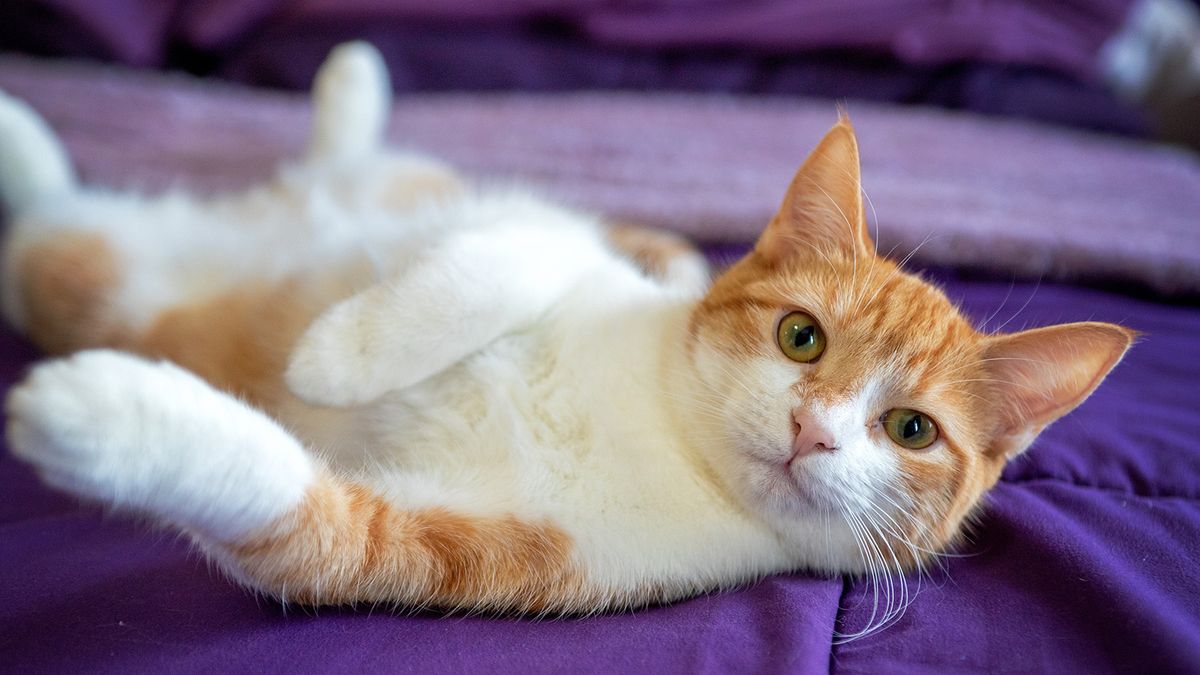
Credit: animals.howstuffworks.com
Frequently Asked Questions
Is Spring The Main Breeding Season For Cats?
Yes, spring is the primary breeding season for cats. Warmer temperatures and longer daylight trigger their reproductive cycles. This season promotes mating and kitten births, increasing feline population growth during spring and summer months.
Why Do Cats Breed More In Spring?
Cats breed more in spring due to increased daylight and warmth. Longer days stimulate hormone production, making females go into heat. This natural cycle helps ensure kittens are born in favorable conditions.
How Long Is A Cat’s Breeding Season?
A cat’s breeding season typically lasts from early spring to late fall. During this period, females experience multiple heat cycles, increasing chances of reproduction. Some cats may breed year-round in mild climates.
Can Cats Breed Outside Spring Season?
Yes, cats can breed outside spring in warm or indoor environments. Indoor cats with controlled lighting may cycle year-round. However, breeding frequency usually peaks during natural spring conditions.
Conclusion
Cats often begin breeding as spring arrives. Warmer days and more daylight trigger their instincts. This season sees more kittens born and cat activity rises. Understanding this helps pet owners prepare well. Controlling breeding can prevent unwanted litters and health issues.
Keep cats indoors or consider spaying and neutering. Knowing the spring breeding trend supports better pet care. It also helps reduce stray cat populations. Simple actions make a big difference for cats and communities alike.

Leave a Reply