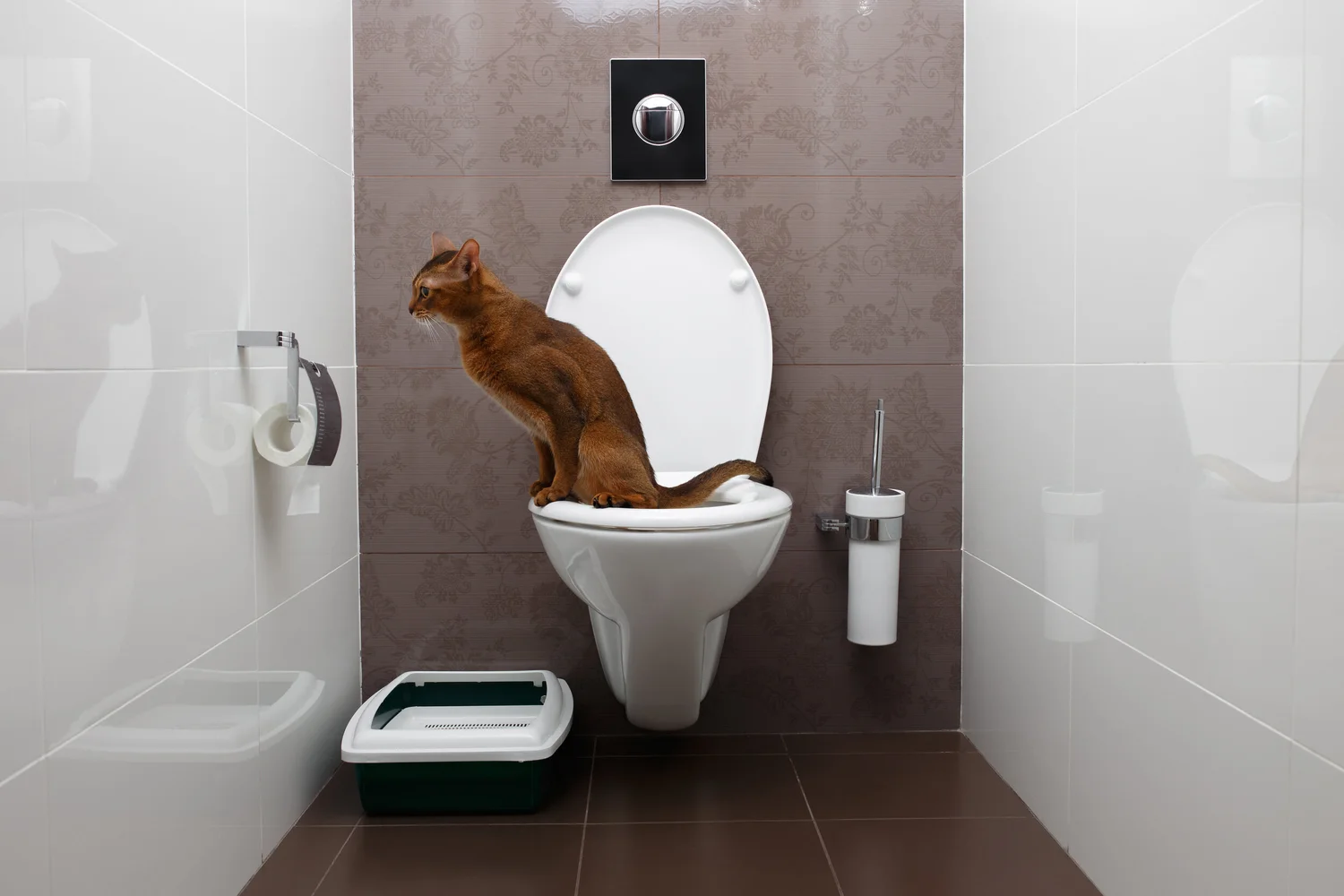
Have you ever wondered if you can potty train your cat? Imagine no more litter box messes or constant scooping.
It sounds almost too good to be true, right? But what if you could teach your furry friend to use the toilet just like you do? You’ll discover whether potty training your cat is possible, how it works, and what challenges you might face along the way.
Keep reading to find out if this game-changing trick could work for your home and your cat’s comfort.
Credit: www.amazon.com
Potty Training Cats Basics
Potty training cats is a topic many pet owners wonder about. Cats naturally use a litter box, but some owners seek cleaner or more convenient options. Understanding the basics of potty training cats helps create a smooth experience for both the cat and owner. Patience and consistency are key during this process.
Why Train Your Cat
Training your cat to use the toilet can save space and reduce litter mess. It can make cleaning easier and keep your home fresher. Toilet training can also be helpful for cats with allergies to litter. Some owners enjoy the challenge and bonding that comes with training.
Not every cat suits toilet training. Some may feel stressed or refuse the change. Assess your cat’s personality before starting.
Cat Behavior And Litter Habits
Cats are naturally clean animals. They bury their waste to hide scent from predators. This instinct drives them to use litter or soil.
Cats prefer quiet, private spots for bathroom use. A stable and clean litter box is important. Sudden changes in litter type or location can confuse cats.
Understanding these habits helps guide the potty training process. Gradual changes work best. Rewarding positive behavior encourages your cat to learn.
Credit: kmccberwick.ca
Choosing The Right Equipment
Choosing the right equipment is key to potty training cats successfully. Cats need tools that feel natural and comfortable. The right setup can ease the transition from litter box to toilet. This section covers the best types of cat toilets and litter options. Understanding these choices helps create a smooth training experience.
Types Of Cat Toilets
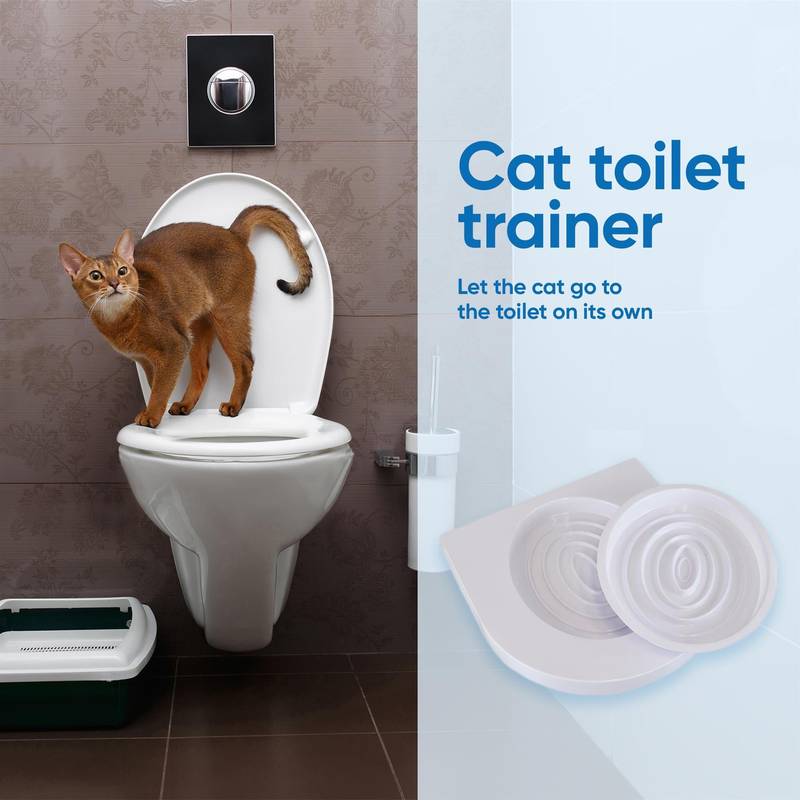
Several cat toilets are designed to fit on a regular human toilet. They vary in shape, size, and features. Some have multiple stages to slowly reduce litter use. Others are simple trays that sit on the seat.
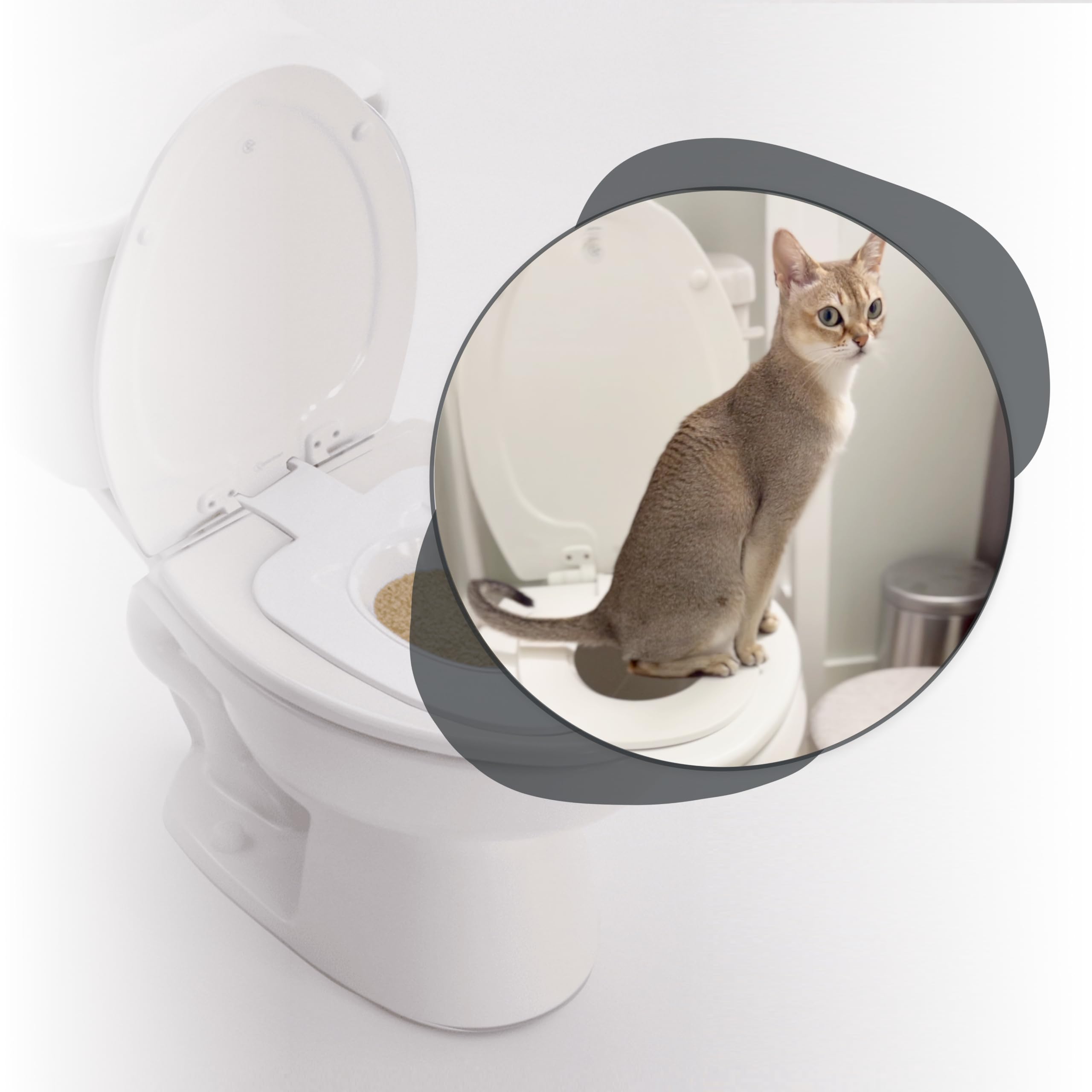
- Training Seats:These fit over the toilet bowl and hold litter. They often come with removable inserts to reduce litter gradually.
- Complete Cat Toilets:These are standalone units shaped like a toilet. They connect to plumbing and flush waste away.
- Toilet Adaptors:Simple rings or trays that fit on the toilet seat. They hold litter and help cats adjust to the new spot.
Choosing a type depends on your cat’s comfort and your home setup. Start with a design that feels stable and secure to your cat.
Litter Options And Preferences
Cat litter plays an important role in training success. Cats prefer certain textures and smells. The litter should feel familiar yet easy to reduce over time.
- Clumping Clay Litter:Common and easy to clean. Many cats like its texture.
- Natural Litters:Made from materials like corn, wheat, or paper. They are softer and often less dusty.
- Silica Gel Litter:Absorbs moisture well and controls odor. Some cats dislike its rough texture.
Start with your cat’s usual litter. Gradually mix less litter as training progresses. Watch your cat’s reaction to changes in texture and smell.
Step-by-step Training Process
Begin by introducing your cat to the potty area and letting it explore freely. Reward small successes and be patient as your cat learns new habits. Gradually guide your cat towards consistent use of the potty spot.
Potty training cats might sound like a quirky idea, but it can be a practical solution for many pet owners. The process requires patience and understanding of your cat’s behavior. With the right steps, you can guide your feline friend from litter box to toilet with ease.Introducing The Toilet
Start by moving your cat’s litter box closer to the bathroom. Over a few days, gradually move it closer to the toilet. This helps your cat associate the bathroom with their bathroom needs. Once your cat is used to the new location, raise the litter box slightly each day. You can use phone books or small boxes to elevate it. The goal is to get it level with the toilet seat.Gradual Transition Techniques
Replace the litter box with a training seat that fits over your toilet. Many pet stores sell these special seats designed for cats. Secure it properly to prevent accidents. Initially, keep a small amount of litter in the training seat. Gradually reduce the amount of litter until your cat is comfortable using the seat without it. Encourage your cat with treats and gentle praise after each successful attempt.Dealing With Setbacks
Every cat is different. Some might take longer to adjust than others. If your cat seems stressed or refuses to use the toilet, take a step back. Reintroduce the litter box for a few days before trying again. Stay patient and consistent. Remember, setbacks are a normal part of the process. What if your cat never adapts? That’s okay, too. Not every cat is suited for toilet training. Consider what’s best for your pet’s comfort and your own convenience. Have you tried these steps with your cat? Share your experiences or questions in the comments below!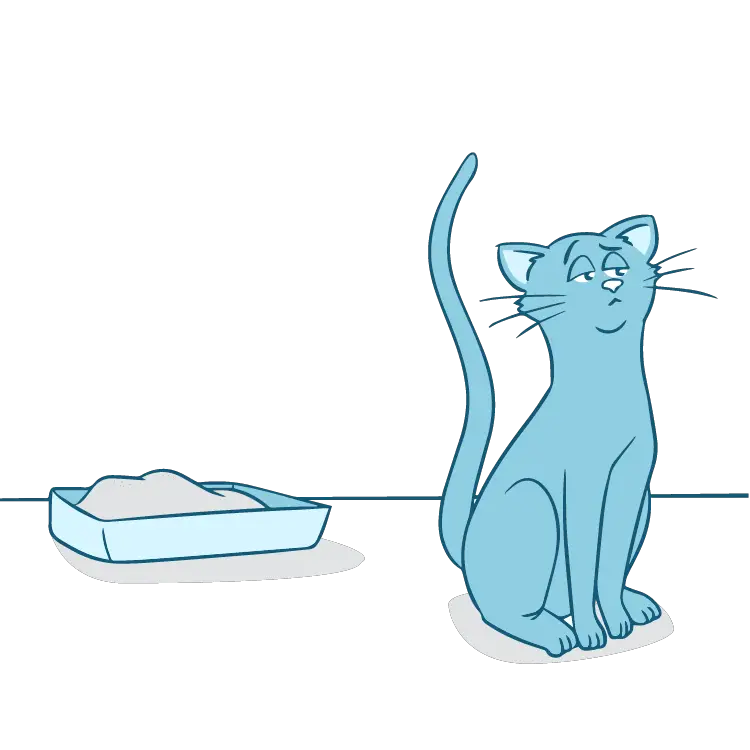
Credit: www.francisurology.com
Tips For Faster Success
Potty training a cat can seem like a big challenge, but the right approach can speed up the process. Success doesn’t come from rushing; it comes from smart, consistent efforts that respect your cat’s natural habits. Here are some practical tips to help you and your feline friend reach your goal faster.
Positive Reinforcement
Reward your cat immediately after they use the litter box or potty area. Treats, gentle petting, or a soft voice saying “good job” can make a huge difference. This helps your cat connect the right behavior with a positive outcome.
Avoid punishment—it only creates fear and confusion. Instead, focus on celebrating small wins to encourage your cat to repeat the behavior. Have you noticed how your cat responds when you praise them? Use that to your advantage.
Consistency And Patience
Stick to a regular routine for feeding and litter box cleaning. Cats thrive on predictability, so keeping things consistent helps them understand what you expect. Patience is key—some cats take longer than others, and that’s okay.
Don’t switch litter types or box locations abruptly, as it can confuse your cat. If accidents happen, clean the area thoroughly to remove any scent that might attract your cat back there. Remember, progress might be slow, but steady effort pays off.
Recognizing Cat Signals
Learn to spot signs your cat needs to go, such as sniffing around, scratching, or restlessness. Acting quickly when you see these signals can prevent accidents and reinforce good habits. You might even start to predict their bathroom times.
Watching your cat’s behavior closely helps you time your encouragement and guidance perfectly. Have you ever noticed your cat’s unique ways of letting you know they need the litter box? Paying attention to these cues makes training smoother and less stressful for both of you.
Common Challenges
Potty training cats can be tricky. Many owners face common challenges that slow progress or cause setbacks. Understanding these challenges helps prepare for a smoother training journey.
Fear And Resistance
Cats may fear new objects like a toilet seat or training tools. They prefer familiar places for bathroom needs. Resistance often shows as avoidance or accidents outside the toilet area. Patience and gentle encouragement are key to easing their fears.
Health Concerns
Some cats have medical issues affecting bathroom habits. Urinary tract infections or constipation can cause pain during toilet use. Health problems may lead to accidents even after training starts. Regular vet visits ensure your cat stays healthy and comfortable.
Cleaning And Maintenance
Toilet training requires frequent cleaning. Residual smells can confuse cats and cause accidents. Proper maintenance keeps the toilet area hygienic and inviting. Use pet-safe cleaners and remove waste quickly to maintain a fresh environment.
When To Seek Professional Help
Potty training a cat can be challenging. Sometimes, despite your best efforts, your cat may not adapt well. Signs of stress, confusion, or persistent accidents may show. These moments suggest it’s time to seek professional help. Experts can provide guidance tailored to your cat’s needs. They can identify underlying issues and offer solutions you might not know.
Behavioral Experts
Behavioral experts study animal habits and responses. They understand why cats act a certain way. These professionals can spot anxiety or fear causing potty problems. They suggest training methods that suit your cat’s personality. Consulting a behavioral expert helps create a clear plan. They can teach you how to communicate with your cat better.
Veterinary Advice
Sometimes, potty issues stem from health problems. A veterinarian can check for infections or illnesses. Pain or discomfort may cause your cat to avoid the litter box. Vets can recommend treatments or diet changes. They also rule out medical causes before behavior training starts. Timely veterinary advice ensures your cat stays healthy and happy.
Frequently Asked Questions
Can Cats Really Be Potty Trained Successfully?
Yes, cats can be potty trained with patience and consistency. It requires gradual steps to transition from litter boxes to the toilet. Success depends on the cat’s age, temperament, and owner’s dedication.
How Long Does It Take To Potty Train A Cat?
Potty training a cat typically takes 4 to 8 weeks. Some cats may learn faster, while others need more time. Consistency and positive reinforcement speed up the process.
What Tools Help In Potty Training Cats?
Special potty training kits include toilet seat inserts and training seats. These tools make the transition easier and more comfortable for cats, encouraging them to use the toilet.
Are There Risks In Potty Training Cats?
Yes, potty training can cause stress or accidents. Some cats may refuse the toilet and revert to inappropriate elimination. It’s important to monitor and adjust training accordingly.
Conclusion
Potty training cats takes patience and consistency. Not all cats will learn easily. Some enjoy using a litter box more. Training can save space and reduce odor. Remember, every cat is different and special. Success depends on your cat’s personality.
Try small steps and praise good behavior. Keep the process calm and positive. Cats may surprise you with their skills. Patience pays off when teaching new habits.

Leave a Reply