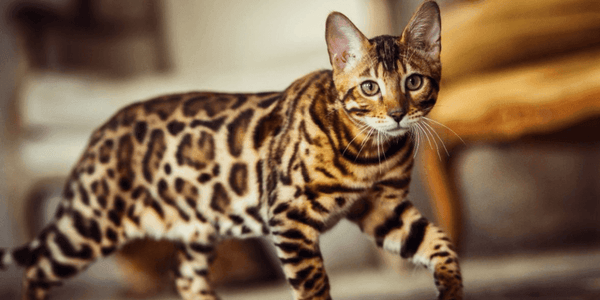
Are you curious about what makes Bengal cats so unique and striking? If you’ve ever admired their wild-looking spots and sleek bodies, you might wonder where these beautiful traits come from.
Understanding the breeds that make up a Bengal cat will give you a clearer picture of their personality, appearance, and care needs. Keep reading, and you’ll discover the fascinating mix of breeds behind this amazing feline, helping you connect even more with your Bengal or the one you dream of owning.
Bengal Cat Appearance
The Bengal cat’s appearance is one of its most captivating features, blending wild beauty with domestic charm. This breed stands out in any room, not just because of its striking looks but also due to its unique genetic background. Understanding what makes a Bengal cat look the way it does helps you appreciate the careful breeding that brings together the best of both wild and tame traits.
Distinctive Coat Patterns
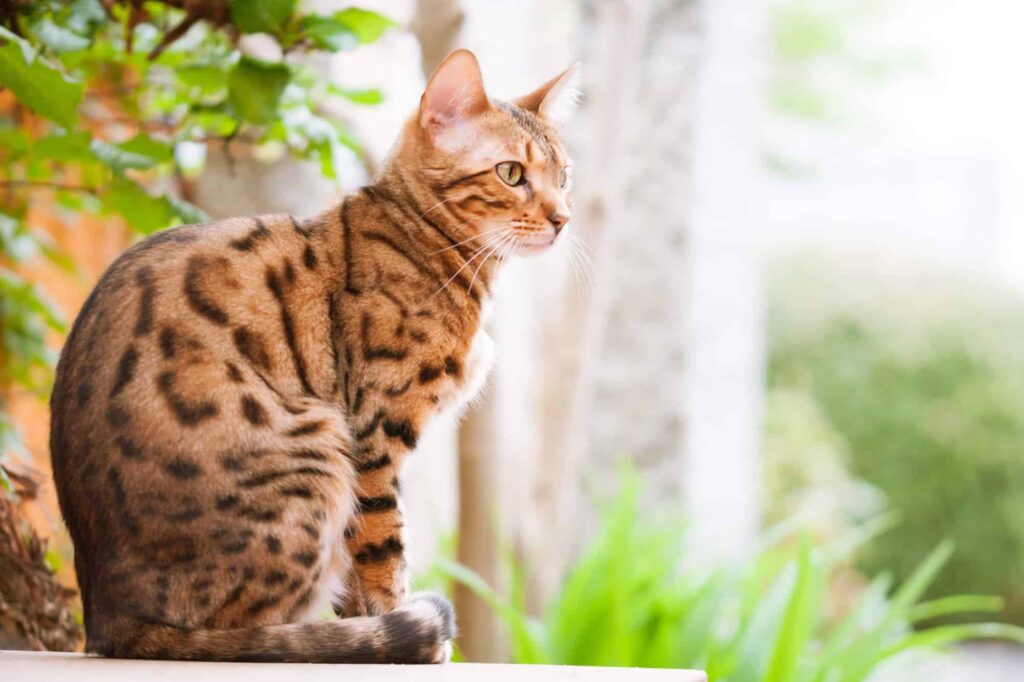
The Bengal’s coat is instantly recognizable, featuring bold patterns that resemble those of a wild leopard. These patterns include rosettes, spots, and marbling, each contributing to the cat’s exotic appeal.
- Rosettes:Look like small clusters of spots with a darker outline and lighter center, giving a 3D effect.
- Spots:Solid and varied in size, these dots cover the Bengal’s body like a miniature leopard.
- Marbled:Swirling patterns that resemble flowing water or clouds, less common but equally stunning.
Did you know the softness of their coat often surprises first-time Bengal owners? The fur feels like velvet, something you wouldn’t expect from a cat with such a wild look.
Physical Traits And Build
Bengal cats have a muscular and athletic build that reflects their active nature. They are medium to large in size, with a strong frame that supports their energetic lifestyle.
- Head Shape:Rounded with high cheekbones and a broad nose, giving a powerful yet friendly expression.
- Eyes:Large and almond-shaped, often green or gold, adding intensity to their gaze.
- Body:Long and sleek, with well-defined muscles that make them excellent jumpers and climbers.
Your Bengal’s physical traits are a direct result of crossing domestic cats with Asian leopard cats. This blend creates a unique pet that combines wild strength with affectionate behavior. Have you noticed how their movement often looks like a small wild cat prowling around your home?
Wild Ancestors
Bengal cats have a unique heritage rooted in wild ancestry. Their striking appearance and lively nature come from blending domestic cats with wild species. These wild ancestors give Bengals their distinctive spots and energetic personality. Understanding the wild roots helps appreciate the breed’s charm and special traits.
Role Of The Asian Leopard Cat
The Asian Leopard Cat is the main wild ancestor of Bengal cats. This small wild cat lives in forests across Asia. Breeders crossed it with domestic cats to create Bengals. The Asian Leopard Cat’s sleek body and spotted coat passed on to Bengals. Its wild nature also influences the Bengal’s playful and curious behavior.
Impact On Bengal Genetics
The Asian Leopard Cat’s genes shape much of the Bengal’s look. Bengals inherit unique coat patterns that resemble wild cats. Their fur often shows rosettes, spots, and marbled designs. These patterns come from the wild ancestor’s DNA. The mix of wild and domestic genetics makes Bengals robust and active. This genetic blend creates a beautiful, strong breed with a wild spirit.
Domestic Cat Breeds Involved
Bengal cats come from crossing domestic cats with Asian leopard cats. This mix gives Bengals their unique spotted look and lively personality. Domestic breeds like the Egyptian Mau and Abyssinian also influenced their appearance and behavior.
Bengal cats are a striking blend of exotic allure and domestic charm, resulting from the combination of various domestic cat breeds. Understanding the breeds involved in creating the Bengal can deepen your appreciation for these captivating felines. Each breed contributes unique traits that make the Bengal cat so distinctive.Contribution Of The Egyptian Mau
The Egyptian Mau is pivotal in the Bengal’s lineage, contributing its natural spotting and graceful physique. Known for its agility and speed, the Egyptian Mau’s athletic build is echoed in the Bengal’s playful and energetic nature. Have you ever noticed a Bengal’s spotted coat and wondered about its origins? Those beautifully arranged spots are reminiscent of the Egyptian Mau, adding to the Bengal’s wild appearance.Influence Of The Abyssinian
The Abyssinian breed adds a touch of elegance and a ticked coat pattern to the Bengal mix. This breed is renowned for its lively temperament and affectionate nature, traits that Bengals often showcase. Imagine the Abyssinian’s rich, ruddy coat interwoven with the Bengal’s spots, creating a stunning visual blend. If you’ve ever cuddled a Bengal, you might have felt the Abyssinian’s influence in its social and friendly demeanor.Other Domestic Breeds
While the Egyptian Mau and Abyssinian are significant, other domestic breeds also play a role in the Bengal’s creation. The domestic shorthair, for example, adds robustness and adaptability to the Bengal’s genetic makeup. Each of these breeds contributes to the Bengal’s unique personality, making it both an independent explorer and a loyal companion. Have you considered how these diverse traits come together to form the Bengal’s captivating character?
Credit: zigly.com
Breeding History
The breeding history of the Bengal cat is a fascinating journey that combines wild beauty with domestic charm. Understanding how this unique breed came to be helps you appreciate its striking appearance and playful personality even more. Let’s look closely at the key moments and people behind the Bengal’s creation.
Early Crossbreeding Efforts
The Bengal cat was originally created by crossing the Asian leopard cat, a small wild feline, with domestic cats. Breeders aimed to keep the leopard cat’s exotic look while making a friendly pet suitable for home life.
Early attempts began in the 1960s and 1970s, involving several generations of backcrossing to domestic cats. This process was slow and required patience because breeders had to ensure the offspring had good temperaments and health.
Did you know that the name “Bengal” comes from the Bengal region in India, where the wild Asian leopard cat is found? This link to the wild is part of what makes the breed so special.
Key Breeders And Milestones
Jean Mill is often credited as the pioneer of the modern Bengal breed. In the 1980s, she successfully bred a domestic cat with an Asian leopard cat, producing kittens that looked wild but behaved like pets.
Her work led to the Bengal’s official recognition by cat associations in the 1990s. This milestone helped the breed gain popularity quickly.
Other breeders contributed by refining the breed’s traits, focusing on health and personality. They carefully selected cats with strong spotted coats and friendly temperaments to create the Bengals we see today.
- 1980s: Jean Mill’s initial successful breedings
- 1991: The Bengal cat’s official recognition by The International Cat Association (TICA)
- Ongoing: Breeders improving health, coat patterns, and temperament
Thinking about getting a Bengal? Understanding this history gives you insight into why these cats combine exotic looks with a loving nature. How might this knowledge affect the way you care for your Bengal?
Genetic Traits And Temperament
Bengal cats are a unique mix of wild and domestic bloodlines. Their genetic traits shape their looks and behavior. Understanding these traits helps explain why Bengals are so special.
Inherited Wild Characteristics
Bengals carry genes from the Asian leopard cat. This wild ancestor gives Bengals their distinctive spots and rosettes. It also affects their agility and energy levels. Bengals often display hunting instincts and love climbing. These traits make them active and curious pets.
Personality Traits From Domestic Cats
The domestic cat genes balance the wild traits. Bengals are social and enjoy human company. They tend to be affectionate and playful. Bengals often learn tricks and respond to training. Their temperament is lively but loyal, making them great companions.
Credit: rawznaturalpetfood.com
Modern Bengal Variations
The Bengal cat is a stunning blend of wild beauty and domestic charm. Modern Bengal variations showcase the breed’s diversity, especially in coat patterns and colors. These differences highlight the careful breeding efforts to keep the exotic look while maintaining a friendly temperament.
Spotted Vs. Rosetted Patterns
One of the most striking features of Bengal cats is their coat pattern. You’ll notice some Bengals have simple spots, while others display rosetted patterns that look like tiny, broken circles.
Spotted Bengals have clear, round or oval spots scattered across their body, similar to a leopard’s. Rosetted Bengals, on the other hand, feature spots with darker edges and lighter centers, creating a more complex and layered appearance.
This variation is not just about looks; it reflects the Bengal’s wild ancestry. Have you ever wondered how these patterns affect a Bengal’s personality or energy? While patterns don’t change behavior, they definitely make each cat unique in appearance.
Color Variations
Bengal cats come in a wide range of colors beyond the classic golden and brown. You might find snow Bengals with creamy white or pale backgrounds and striking blue or green eyes.
Other popular colors include marbled patterns in silver and charcoal shades. These colors highlight different parts of the cat’s coat and can dramatically change how the patterns stand out.
Choosing a Bengal color often depends on your personal style and home décor. Do you prefer a bold, wild look or something softer and more subtle? The variety means there’s a Bengal to match almost any taste.

Credit: www.outdoorbengal.com
Frequently Asked Questions
What Breeds Are Combined To Create A Bengal Cat?
Bengal cats are a hybrid breed created by crossing the Asian leopard cat with domestic cats, mainly the Egyptian Mau and Abyssinian. This mix gives Bengals their wild appearance and playful personality. Breeders aim to preserve the leopard cat’s striking coat patterns and lively temperament.
How Does The Asian Leopard Cat Influence Bengal Cats?
The Asian leopard cat contributes the Bengal’s distinctive spotted or marbled coat and agile nature. Its wild genes add to the breed’s exotic look and energetic behavior. This influence makes Bengals unique compared to other domestic cats.
Are Bengal Cats Related To Egyptian Mau Or Abyssinian Breeds?
Yes, Bengals share lineage with Egyptian Mau and Abyssinian cats. These breeds add domestic traits like friendliness and adaptability. Their genes help balance the wild features from the Asian leopard cat, making Bengals both exotic and sociable.
Can Bengal Cats Be Considered Fully Domestic?
Bengal cats are considered domestic but retain some wild ancestry. They are bred to be friendly, social, and suitable as pets. While they have wild-looking coats, their behavior aligns with typical house cats, making them great companions.
Conclusion
Bengal cats come from a mix of wild and domestic breeds. Their unique look comes from crossing Asian leopard cats with house cats. This blend gives Bengals their spotted coat and playful nature. Knowing their roots helps understand their energy and behavior.
Bengals need love, care, and space to explore. They make great pets for active families. Understanding their breed mix helps you appreciate these beautiful cats more. They bring both wild beauty and friendly charm into your home. A perfect choice for those who want a lively, loving companion.

Leave a Reply