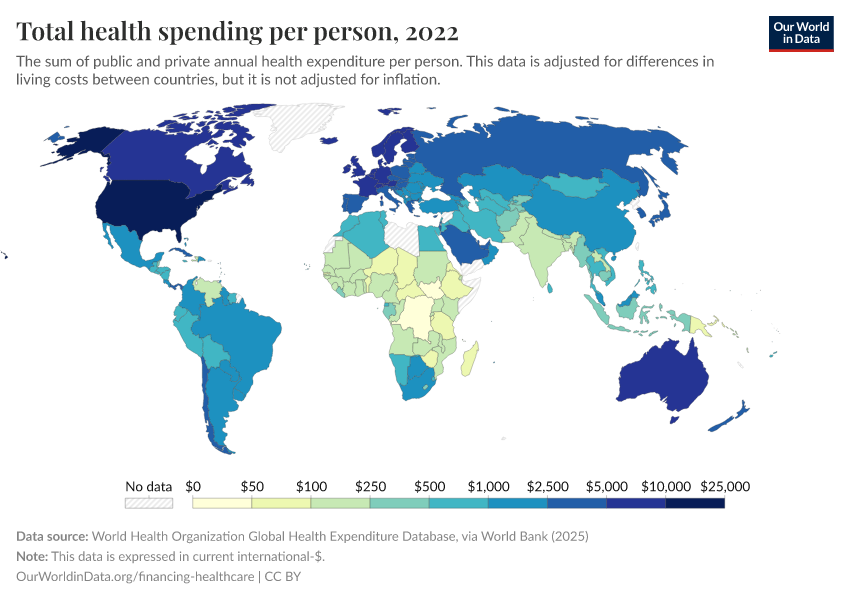
Have you ever wondered which country spends the most on health care? Understanding this can reveal a lot about how different nations prioritize your well-being and the quality of medical services you might expect.
Knowing where your country stands can also help you make smarter choices about your own health care. Keep reading to discover surprising facts and insights that could change the way you think about health care spending worldwide.
Global Health Care Spending Trends
Health care spending across the globe has been climbing steadily, reflecting changes in demographics, technology, and policy. Understanding these trends can help you grasp why certain countries invest more in health care than others. It also opens up questions about sustainability and the impact on your own health care experience.
Rising Costs Worldwide
Health care costs have increased in nearly every country over the past decade. Aging populations demand more medical services, and new treatments often come with higher price tags. Even countries with universal health coverage are feeling the pressure to balance quality care with budget constraints.
Consider how prescription drug prices have surged, sometimes doubling in just a few years. This doesn’t just affect governments—it directly impacts your out-of-pocket expenses too.
Factors Driving Health Expenditure
Several key factors push health care spending upward:
- Population Aging:Older adults require more frequent and complex care.
- Technological Advancements:New medical devices and treatments can be costly.
- Chronic Diseases:Rising rates of diabetes and heart disease increase long-term costs.
- Health Care Access:Expanding coverage often means higher spending initially.
Ask yourself, how does your country manage these challenges? Do you see innovations that make health care more affordable, or do costs keep rising unchecked? Your awareness can guide better choices and conversations about health care policy.
Top Countries By Health Care Spending
Understanding which countries spend the most on health care reveals a lot about their priorities and challenges. Health care spending reflects not just wealth but also the structure of health systems and population needs. Let’s look closely at how different nations allocate resources to keep their people healthy.
Spending In Developed Nations
Developed countries often top the list for health care spending. The United States leads by a wide margin, spending nearly 18% of its GDP on health care. This level of investment translates into advanced medical technology and extensive services, but it also raises questions about efficiency and equity.
Other nations like Germany, France, and Switzerland spend between 11% to 12% of their GDP on health. Their systems combine public and private funding to cover a broad range of care. This mix often results in better access for most citizens without breaking the bank.
Have you ever wondered why high spending doesn’t always mean better health outcomes? The differences in how money is used can explain much of this puzzle. It’s not just the amount but the strategy behind spending that matters.
Emerging Economies And Health Budgets
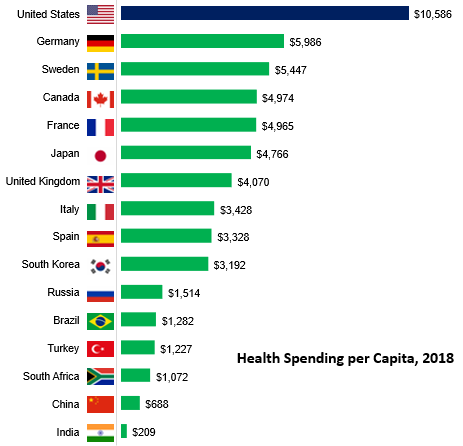
Emerging economies like China, Brazil, and India are increasing their health care budgets rapidly. While their spending as a percentage of GDP is lower—often between 4% to 6%—the absolute amounts are growing due to expanding populations and rising incomes.
These countries face unique challenges, such as infectious diseases and limited infrastructure, which influence how they allocate funds. You might notice that investments focus heavily on primary care and expanding access rather than high-tech treatments.
What if these emerging nations could balance spending between expanding access and improving quality? Learning from developed nations’ experiences could help you better understand the complexities behind health care budgets worldwide.
The Biggest Spender: A Closer Look
When you think about healthcare spending, the numbers can be staggering. Some countries invest heavily to ensure their citizens have access to top-notch medical services. But who is leading the charge in healthcare expenditure? Let’s dive into the details of the biggest spender and see what sets them apart.
Per Capita Health Expenditure
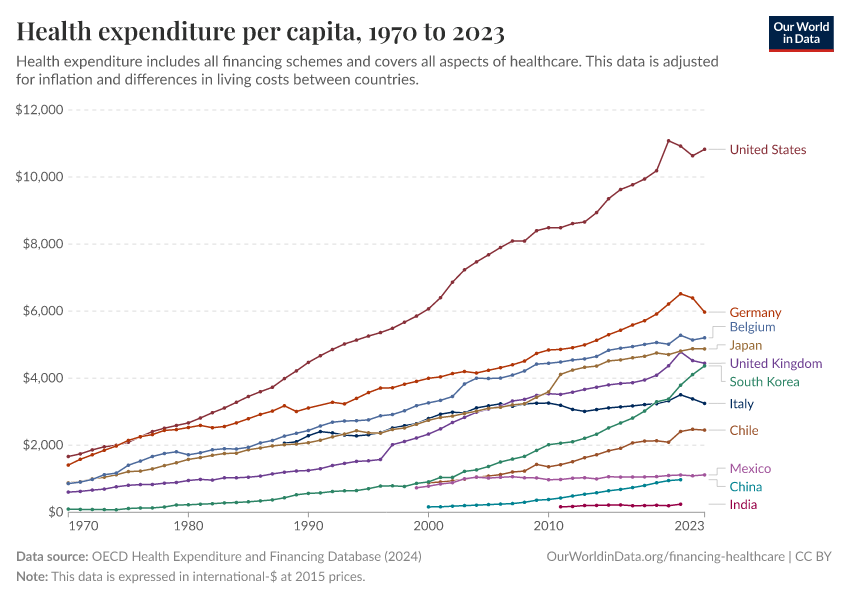
Per capita health expenditure is a crucial metric in understanding how much a country values its healthcare system. The United States consistently tops the list, spending significantly more per person than any other nation. This high expenditure reflects the country’s focus on advanced medical technology and specialized treatments.
However, spending more doesn’t always translate to better outcomes. The U.S. faces challenges with healthcare accessibility and affordability, prompting questions about the efficiency of these investments. Is there a more balanced approach that can provide quality care without breaking the bank?
Government Vs Private Spending
The healthcare spending landscape in the U.S. is unique due to its reliance on both government and private sectors. Government programs like Medicare and Medicaid cover a substantial portion of the population, but private insurance companies also play a significant role.
This dual system creates a complex web of funding and administration, often leading to higher costs. Private spending accounts for a significant chunk of the total expenditure, influencing how resources are allocated and prioritized. As a reader, you might wonder how this balance impacts the overall quality and accessibility of healthcare services.
Understanding the dynamics between government and private spending can offer insights into the strengths and weaknesses of the U.S. healthcare system. Can other countries learn from this model, or is it a cautionary tale of unchecked spending?
Reasons Behind High Spending
Understanding why some countries spend more on health care helps reveal the challenges they face. High spending often results from complex factors. These factors include technology, disease rates, and system costs. Each plays a crucial role in driving expenses upward.
Advanced Medical Technology
New medical technology improves patient care but costs a lot. Machines like MRI scanners and robotic surgery tools are expensive. Hospitals invest heavily in these devices to offer the best treatments. This investment raises overall health care spending.
Technology also requires skilled staff to operate it. Training and maintenance add to the costs. Often, newer technology means higher prices for patients and insurers.
Chronic Disease Management
Chronic diseases such as diabetes and heart disease require long-term care. Managing these illnesses involves constant monitoring and medication. Patients need regular doctor visits and tests. This ongoing care increases health care expenses.
More people now live with chronic conditions due to aging populations. This trend pushes spending higher. Health systems must focus on prevention and management to control costs.
Administrative Costs
Health care involves many administrative tasks. Billing, insurance claims, and paperwork require large staff teams. Complex regulations and multiple insurers add layers of work. These factors lead to high administrative costs.
Countries with simpler systems often spend less on administration. Reducing bureaucracy can lower overall health care expenses. Streamlining processes benefits both providers and patients.
Impact Of Health Care Spending
Health care spending impacts many areas of society. It shapes the quality of care people receive and affects the economy. Higher spending often aims to improve health services and outcomes. Yet, it also brings financial challenges for governments and individuals. Understanding these effects helps reveal the true cost of health care.
Quality Of Care And Outcomes
More spending can lead to better medical technology and treatments. Hospitals may have more staff and updated equipment. This often improves patient care and recovery rates. Yet, higher costs do not always guarantee better results. Efficiency and proper management also matter a lot.
Countries with high spending sometimes show mixed health outcomes. Some patients get excellent care, while others face delays. Balancing cost with quality remains a key challenge. Care must reach all people equally to truly improve health.
Economic Implications
Health care spending affects national budgets and economic growth. Large health costs can strain government resources. This may lead to higher taxes or reduced spending in other areas. Individuals also face higher insurance premiums and out-of-pocket costs.
On the positive side, health investments create jobs and support industries. A healthy population tends to be more productive. This boosts the economy in the long term. Finding a balance between spending and economic stability is critical for a country’s future.
Credit: ourworldindata.org
Comparing Efficiency Across Countries
Spending a lot on health care does not always mean better health for a country. Some countries spend less but achieve good results. Comparing how countries use their health care funds shows who spends wisely and who wastes resources. This comparison helps understand which systems work best for people’s health.
Cost Vs Health Outcomes
High spending on health care can lead to better services and technology. Yet, it does not always improve health outcomes like life expectancy or disease control. Some countries spend less but have healthier populations. This means they use their money more efficiently. Factors like prevention, access, and quality of care matter a lot. Good management and policies can lower costs while improving health.
Lessons From Lower-spending Countries
Countries that spend less on health care often focus on prevention and primary care. They invest in healthy living and early treatment. These steps reduce the need for expensive hospital care. They also use health workers effectively and avoid unnecessary tests. Simple, clear policies and good planning help control costs. Other countries can learn from these approaches to improve their systems.
Future Trends In Health Care Spending
Health care spending is evolving rapidly, driven by new technologies and shifting policies. Understanding future trends can help you prepare for changes that might affect your access to care and out-of-pocket costs. Let’s look at the key factors shaping where health care dollars will go next.
Innovations And Cost Control
New technologies like AI diagnostics, telemedicine, and personalized medicine promise better outcomes at lower costs. However, they also require significant upfront investment, which could temporarily increase spending.
For example, telemedicine expanded quickly during the pandemic, making it easier for many people to see doctors without travel. This convenience might reduce costs over time by catching problems earlier.
But will these innovations always save money? Sometimes new treatments can be expensive, even if they improve health. Your challenge is to stay informed and ask whether new options truly add value to your care.
Policy Changes And Their Effects
Government policies can dramatically shift health care spending patterns. Changes in insurance coverage, drug pricing laws, or funding for public health programs often impact your bills and access to services.
Take the recent efforts in some countries to cap prescription drug prices. These moves aim to make medicines more affordable but might influence how companies invest in new drug development.
How will upcoming policy shifts affect your health care costs? Keep an eye on local and national legislation, and consider how changes in coverage or regulations might alter your choices and expenses.

Credit: www.youtube.com
Credit: apendora.medium.com
Frequently Asked Questions
Which Country Spends The Most On Healthcare?
The United States spends the most on healthcare globally. It allocates over 17% of its GDP to health services, outpacing other nations significantly.
Why Does The Us Have High Healthcare Spending?
High costs in the US stem from expensive medical technology, administrative costs, and drug prices. Additionally, higher wages and chronic disease rates contribute to spending.
How Does Healthcare Spending Affect A Country’s Economy?
High healthcare spending can strain public budgets and increase insurance premiums. However, it may also drive medical innovation and improve population health outcomes.
Which Countries Have The Lowest Healthcare Spending?
Countries like India and Indonesia spend the least on healthcare relative to GDP. They often face challenges with infrastructure and access to quality services.
Conclusion
The United States spends the most on health care worldwide. This spending affects many parts of life and the economy. High costs do not always mean better health. Other countries spend less but achieve good results. Understanding spending helps us learn about health priorities.
It shows where improvements and savings might happen. Health care costs will keep changing over time. Watching these trends is important for everyone.



Leave a Reply