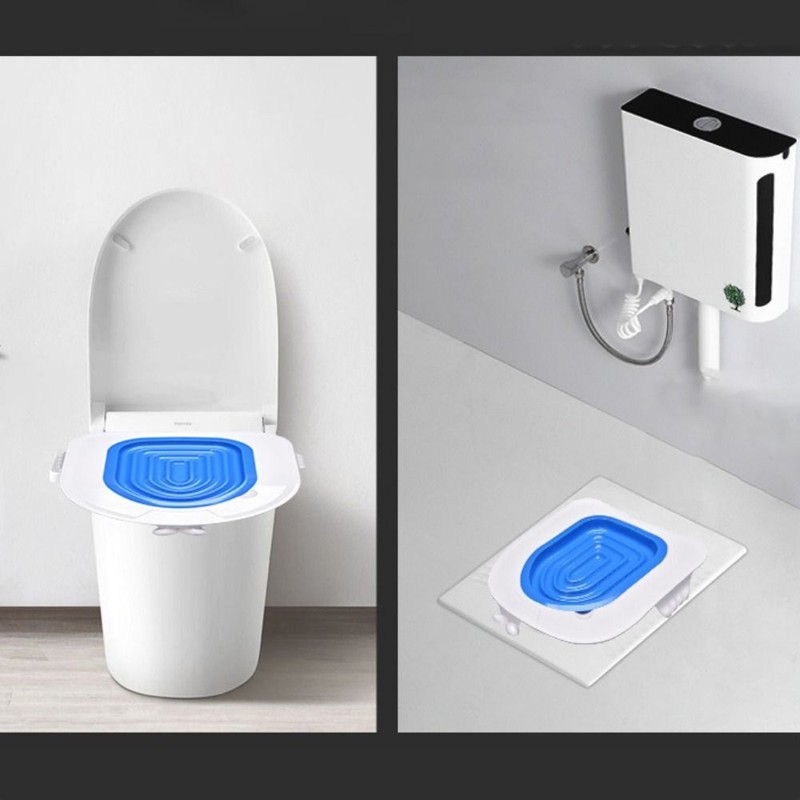
Are you tired of cleaning the litter box every day? Imagine teaching your cat to use the toilet just like you do.
It might sound tricky, but with the right steps, you can make it happen. In this guide, you’ll discover simple and effective ways to potty train your cat in the toilet. By following these tips, you’ll save time, reduce mess, and enjoy a cleaner home.
Keep reading to find out how to start this exciting change for both you and your furry friend.
Preparing Your Cat
Preparing your cat for toilet training is a key step. It helps make the process smooth and stress-free. Cats need time to adjust to new routines. Start by understanding your cat’s personality and habits. Create a calm space where your cat feels safe. Gather all the supplies needed before starting. Patience and gentle encouragement work best.
Choosing The Right Cat
Not all cats adapt easily to toilet training. Younger cats often learn faster than older ones. Cats with calm and curious nature do well. Avoid cats that show fear or aggression easily. Healthy cats with no litter box issues are ideal. Watch your cat’s behavior to decide readiness.
Gathering Necessary Supplies
Prepare these items before training begins:
- Special cat toilet training seat or kit
- Regular litter box for transition
- Flushable cat litter
- Treats and toys for rewards
- Cleaning supplies for accidents
Having everything ready prevents delays and frustration.
Creating A Calm Environment
Choose a quiet bathroom with a stable toilet seat. Keep the area clean and free of noise. Let your cat explore the space slowly. Avoid sudden changes that may cause stress. Use soft lighting and gentle voices. Comfort helps your cat stay relaxed and confident.
Credit: advantia.com.au
Introducing The Toilet
Introducing the toilet to your cat starts with patience and gentle changes. Cats need time to adjust to new surroundings, especially something as different as a toilet. Begin by making the toilet area familiar and comfortable. This helps reduce any fear or confusion your cat may feel.
Keep the process slow. Let your cat explore the toilet space before expecting any use. Watch their behavior closely and encourage them with soft praise or treats. This builds trust and makes the next steps easier.
Moving The Litter Box
Begin by moving the litter box closer to the bathroom. Shift it a few inches every day. This helps your cat get used to the new location. Place the box near the toilet at first. Once your cat is comfortable, move it right next to the toilet.
The goal is to have the litter box beside the toilet. This makes the next steps smooth and natural for your cat.
Using A Training Seat
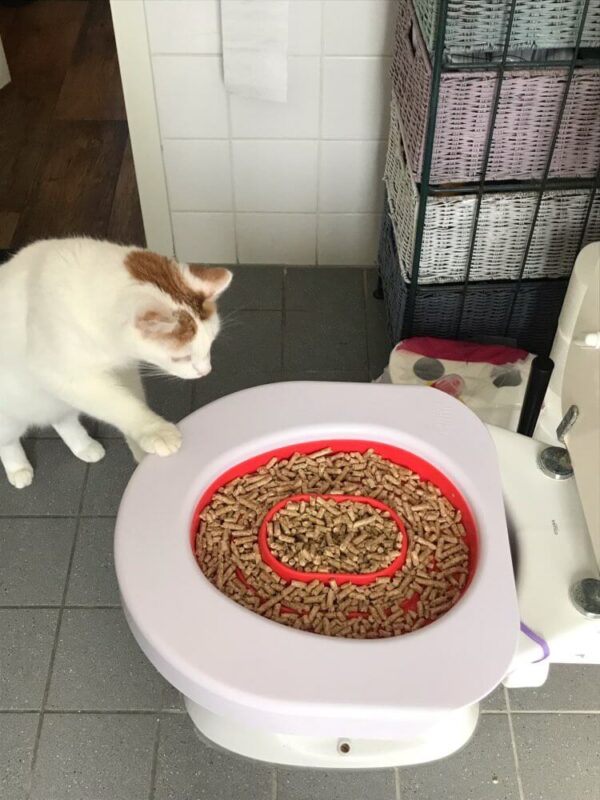
Replace the litter box with a special cat toilet training seat. These seats fit over the toilet bowl. They hold a small amount of litter at first. Your cat uses the seat like a regular litter box.
Let your cat explore the training seat without pressure. Keep the litter familiar to encourage use. This step bridges the gap between box and toilet.
Gradual Height Adjustment
Once your cat uses the training seat comfortably, adjust the height slowly. Raise the seat a little every few days. This teaches your cat to balance and jump up to the toilet.
Keep the litter amount decreasing as the height increases. Soon, your cat will use the toilet without litter. Patience in this phase prevents accidents and stress.
Training Steps
Potty training a cat to use the toilet is possible. It takes patience and consistency. Following a step-by-step approach can make the process smoother. Here are some essential training steps to guide you.
Encouraging Toilet Use
Start by placing the litter box near the toilet. Gradually move it closer over a few days. Once near the toilet, raise it gradually. Use sturdy objects to lift it a bit higher each day. The goal is to align it with the toilet seat’s height. This helps the cat get used to the new location. Praise your cat when it uses the raised litter box. Positive reinforcement encourages continued use.
Reducing Litter Gradually
Reduce the amount of litter in the box over time. This helps the cat adjust to less litter. Eventually, replace the litter box with a training seat on the toilet. Many training seats are available in pet stores. Choose one that fits well on your toilet. Ensure it is stable to avoid accidents. Cats need time to adapt to this new setup. Be patient and supportive during this transition.
Monitoring Progress
Keep an eye on your cat’s behavior. Watch for signs of discomfort or hesitation. If the cat resists, slow down the process. Every cat learns at its own pace. Celebrate small victories to build confidence. If needed, take a step back to a previous stage. Adjustments may be necessary based on your cat’s comfort. Consistent monitoring ensures your cat adapts well.

Credit: www.amazon.com.au
Troubleshooting Challenges
Potty training a cat to use the toilet can be a rewarding experience, but it doesn’t always go smoothly. You might face some bumps along the way that test your patience and commitment. Understanding common challenges and how to handle them can keep you and your feline friend on track.
Dealing With Accidents
Accidents are almost inevitable, especially during the early stages of toilet training. Instead of getting frustrated, see them as learning opportunities for your cat. Clean the area thoroughly to remove any lingering scent that might encourage repeat mistakes.
If your cat has an accident outside the toilet, ask yourself if the setup might be uncomfortable or confusing. Sometimes, cats miss the toilet because the seat is cold or slippery. Placing a non-slip mat nearby can make a big difference.
Handling Resistance
Your cat may resist toilet training for various reasons, including fear or lack of understanding. Pay close attention to their behavior—are they hesitant to jump on the seat or avoid the bathroom altogether? Identifying the root cause helps you adjust your approach.
Try to make the toilet area inviting by adding familiar scents or toys nearby. Patience is key here; pushing your cat too fast often backfires. Instead, move at their pace and celebrate small wins to build confidence.
Maintaining Consistency
Consistency is essential to successful toilet training, but it’s easy to slip up, especially if multiple people are involved. Ensure everyone in your household follows the same routine and encourages the cat similarly. Mixed signals can confuse your pet and slow progress.
Set a regular schedule for bathroom visits and stick to it, even on weekends. Have you noticed how your cat responds best to routine? Use that to your advantage by reinforcing training during those times.
Tips For Long-term Success
Consistency and patience matter most for long-term success in toilet training a cat. Building good habits early helps your cat stay comfortable using the toilet. Small routines and a calm environment make learning easier. Focus on positive experiences and keep the toilet area inviting. Watch your cat’s progress and adjust as needed.
Positive Reinforcement
Reward your cat after every successful attempt. Use treats, gentle petting, or soft praise. Rewards create happy associations with toilet use. Avoid punishment or negative reactions. Cats respond best to encouragement and kindness. Celebrate small wins to keep your cat motivated.
Keeping The Toilet Clean
Maintain a clean toilet to encourage use. Flush regularly and wipe the seat dry. Remove any odors that might upset your cat. A clean toilet feels safe and inviting. Dirty areas can confuse or scare your cat. Cleanliness supports good habits and comfort.
Adapting For Multiple Cats
Each cat may learn at a different pace. Provide separate toilet access when possible. Monitor interactions to prevent stress or competition. Some cats prefer privacy, while others need company. Observe your cats’ behavior and adjust training steps. Patience and flexibility help all cats succeed.

Credit: www.walmart.com
Frequently Asked Questions
How Long Does Toilet Training A Cat Usually Take?
Toilet training a cat typically takes 4 to 8 weeks. Patience and consistency are key during this period. Some cats may learn faster, while others need extra time to adjust to the new habit.
What Supplies Are Needed For Cat Toilet Training?
You need a cat toilet training seat, flushable litter, and patience. Gradually transition your cat from the litter box to the toilet. Avoid harsh cleaners or scents that may confuse your cat.
Can All Cats Be Toilet Trained Successfully?
Most cats can be trained, but some may resist. Age, temperament, and past habits influence success. Older or anxious cats might struggle more, so assess your cat’s willingness before starting.
What Are Common Mistakes In Cat Toilet Training?
Rushing the process and using strong cleaners are common mistakes. Also, skipping gradual steps confuses cats. Always be patient, use gentle training methods, and maintain a calm environment.
Conclusion
Potty training a cat on the toilet takes time and patience. Start slow and be consistent every day. Celebrate small progress and stay calm with setbacks. Each cat learns at its own pace, so don’t rush. This method can save litter and keep your home cleaner.
Your efforts will pay off with a well-trained cat. Keep encouraging your cat gently, and success will come.

Leave a Reply