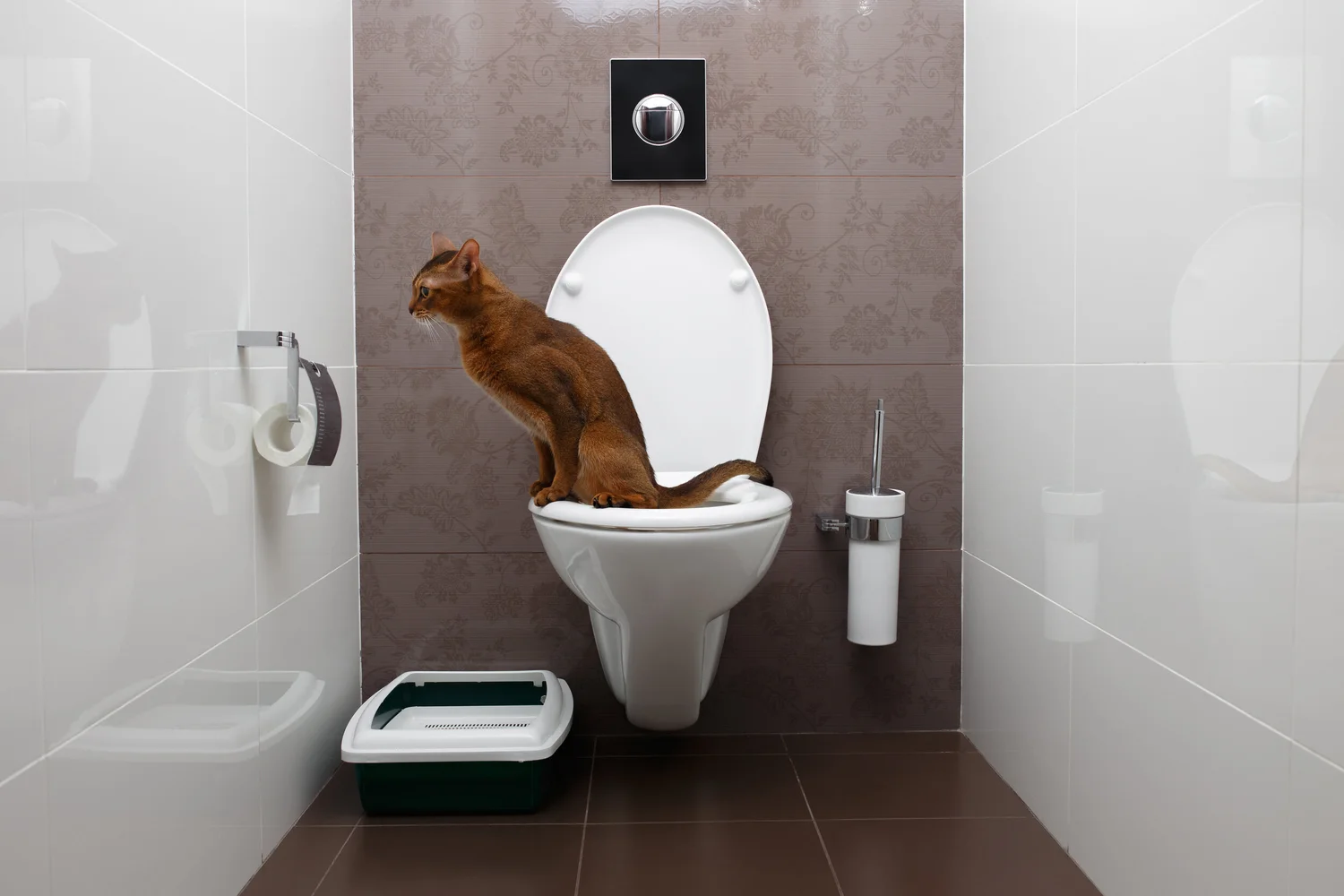
Have you ever wondered if it’s possible to potty train your cat? You’re not alone.
Many cat owners wish their furry friends could skip the litter box and use the toilet like humans do. But is it really okay for your cat to potty train? Before you start, it’s important to know what this means for your cat’s health and happiness.
Keep reading to discover the truth about potty training cats and whether it’s the right choice for you and your pet.
Potty Training Cats Basics
Potty training cats might sound tricky, but understanding the basics makes it easier than you think. Cats have natural instincts for where and how they relieve themselves. By tapping into these instincts and setting up the right environment, you can guide your cat to develop good litter habits quickly.
Natural Litter Habits
Cats instinctively bury their waste to hide their scent from predators. This behavior means they prefer a clean, private spot to do their business. You might notice your cat digging or pawing at the litter before settling down—this is part of their natural routine.
Have you seen your cat avoiding the litter box? It could be a sign they don’t like the type of litter or how often it’s cleaned. Cats are very particular, so maintaining cleanliness and mimicking their natural habits helps encourage proper use.
Choosing The Right Litter Box
Picking the right litter box can make a big difference in your cat’s potty training success. Size matters—a box too small can be uncomfortable, and one too high can be hard for kittens or older cats to enter.
Consider the box’s location as well. Cats prefer quiet, low-traffic areas where they feel safe. You might need to try a few spots before finding the perfect one.
- Open vs. Covered:Some cats like privacy, while others prefer an open space. Watch your cat’s preference.
- Type of Litter:Clumping, non-clumping, scented, unscented—experiment to find what your cat prefers.
- Number of Boxes:If you have multiple cats, provide one box per cat plus one extra.
Have you noticed your cat’s reaction to different boxes or litter types? Paying attention to these details can save you frustration and keep your cat happy and clean.
Selecting The Best Litter
Choosing the right litter is crucial when potty training your cat. The litter you pick can affect how quickly your cat adapts and how comfortable they feel using their new bathroom spot. Understanding different types of litter and your cat’s preferences will help you make the best choice.
Types Of Cat Litter
There are several types of cat litter available, each with unique features. Clay-based litter is popular because it clumps well and controls odor, but it can be dusty and heavy. Natural options like corn, wheat, or wood-based litters are biodegradable and less dusty, which some cats and owners prefer.
Crystal litter, made from silica gel, absorbs moisture efficiently and controls odor for longer periods, but not every cat likes its texture. You might need to try a few types to see which one your cat responds to best. Have you noticed your cat avoiding their litter box? The type of litter could be why.
Litter Preferences And Sensitivities
Cats have sensitive noses and paws, so litter texture and scent matter a lot. Some cats reject scented litters because the smell is overwhelming. Others might avoid litters that are too rough or gritty on their paws.
If your cat has allergies or respiratory issues, dust-free and hypoallergenic litter is safer. Watch how your cat reacts when you introduce new litter. If they hesitate or stop using the box, try a different texture or scent. What signs does your cat show when they like or dislike their litter?
Training Techniques
Cats can learn to use a litter box with patience and gentle guidance. Consistent routines and positive reinforcement help them understand where to go. Training focuses on clear signals and rewarding good behavior.
Training your cat to use the litter box is an essential part of ensuring a happy and healthy home environment. Effective training techniques can make this process smoother and less stressful for both you and your feline friend. By focusing on patience and positive reinforcement, you can guide your cat to develop good bathroom habits.Introducing The Litter Box
Start by placing the litter box in a quiet, accessible location. Cats value privacy when doing their business. Ensure the box is easily reachable and not near their food or water. Observe your cat’s behavior. If they begin to scratch or sniff around, gently place them in the litter box. This helps them associate the box with their natural instincts. Keep the litter box clean. Cats are particular about cleanliness, and a dirty box might deter them from using it. Scoop daily and change litter regularly to maintain hygiene.Positive Reinforcement Methods
Reward your cat with treats or affection when they use the litter box. This positive association encourages them to repeat the behavior. Be consistent with your praise. Immediate reinforcement helps your cat understand which actions are appreciated. Avoid punishing your cat for accidents. This can lead to fear and confusion. Instead, focus on reinforcing the right behavior. Consider using clicker training. A clicker can provide an immediate signal that your cat has done something right, followed by a treat. Is your cat responding well to these methods? Every cat is unique, so tailor your approach to fit their personality and preferences.
Credit: www.francisurology.com
Common Challenges
Potty training cats can bring several challenges for pet owners. Cats have strong habits, and changing their bathroom routine takes patience. Some cats may resist the new training methods. Others might have accidents around the house. Understanding these challenges helps prepare for a smoother training experience. This section covers common problems faced during cat potty training and ways to handle them effectively.
Avoiding Accidents
Accidents happen as cats learn new habits. Place the litter box in a quiet and easy-to-find spot. Clean accidents immediately to remove smells that attract cats back. Use gentle cleaning products safe for pets. Watch for signs that your cat needs to go, like sniffing or scratching. Offer praise when your cat uses the litter box correctly. Consistency in routine reduces mistakes and confusion.
Dealing With Fear Or Resistance
Some cats feel scared or unsure about potty training changes. Introduce new items slowly and with patience. Let your cat explore the litter box without pressure. Avoid loud noises or sudden movements during training. Use calm and soft voices to comfort your cat. Reward small steps of progress with treats or affection. Respect your cat’s pace to build trust and reduce stress.
Health Considerations
Health considerations play a crucial role when deciding to potty train your cat. It’s not just about teaching them where to go but also about ensuring their well-being throughout the process. Recognizing signs of health problems early can save your cat from discomfort and serious issues down the line.
Spotting Urinary Issues
Changes in your cat’s bathroom habits can signal urinary problems. If your cat suddenly starts avoiding the litter box or has accidents outside it, this might indicate pain or discomfort during urination.
Look for signs like frequent attempts to urinate with little success, blood in the urine, or vocalizing while going. These symptoms could suggest a urinary tract infection or bladder stones, which need prompt attention.
Sometimes, cats may lick their genitals excessively or hide more than usual. These behaviors often point to irritation or pain that you should not ignore.
When To Consult A Vet
If you notice any unusual changes in your cat’s potty habits or signs of distress, don’t wait to contact your vet. Early diagnosis and treatment can prevent complications and make potty training easier and safer for your feline friend.
Even if your cat is successfully using the litter box, regular vet check-ups help catch hidden issues. Ask your vet about what specific symptoms to watch for during potty training.
Have you ever wondered if your cat’s sudden litter box avoidance is more than just behavior? Discussing these concerns openly with your vet can clarify whether health problems are at play.

Credit: www.youtube.com
Maintaining Cleanliness
Maintaining cleanliness is key when potty training cats. A clean environment helps your cat feel comfortable and encourages good habits. It also keeps your home fresh and free of unpleasant smells. Regular care makes potty training easier for both you and your cat.
Cleaning Schedules
Set a daily cleaning routine for your cat’s litter box. Scoop waste at least once a day. Change the litter completely every one to two weeks. Clean the box with mild soap and water before adding fresh litter. A consistent schedule keeps the area hygienic and inviting.
Preventing Odors
Good litter helps control smells effectively. Use clumping litter to trap moisture and odors. Place the litter box in a well-ventilated area. Avoid strong scented cleaners that can bother your cat. Baking soda sprinkled under the litter can reduce odors naturally.
Advanced Tips For Success
Getting your cat to potty train can be challenging, especially if you want to ensure lasting success. Advanced tips can help you handle more complex situations and keep your cat confident and comfortable. These strategies focus on practical adjustments you can make at home or on the go.
Multiple Cats And Litter Boxes
Do you have more than one cat? Managing litter boxes becomes crucial. Cats prefer privacy, and competition over a single box can cause accidents or stress.
Here’s what to do:
- Provide enough litter boxes:A good rule is one box per cat plus one extra.
- Place boxes in different quiet locations:Avoid putting all boxes in one spot. Spread them out to reduce territorial disputes.
- Keep boxes clean:Scoop daily and change litter regularly to encourage use.
I’ve seen cats refuse a box simply because it was too close to another cat’s territory. Are you giving your cats enough space to feel secure while using their litter boxes?
Travel And Temporary Setups
Travel can disrupt your cat’s potty routine. When staying in hotels or visiting friends, your cat may hesitate to use a new litter box.
To ease this transition:
- Bring your cat’s usual litter and box:Familiar smells can reduce anxiety.
- Set up the box in a quiet, accessible spot:Avoid busy or noisy areas where your cat may feel unsafe.
- Maintain your cat’s schedule:Feed and check the litter box at regular times.
Once, on a weekend trip, I noticed my cat refused to use a strange box. Bringing her own litter made all the difference. What small changes can you make to keep your cat comfortable away from home?
Credit: www.amazon.com
Frequently Asked Questions
Can Cats Be Potty Trained Like Dogs?
Yes, cats can be potty trained using consistent litter box training. They naturally bury their waste, making training easier than dogs.
How Long Does It Take To Potty Train A Cat?
Potty training usually takes 1 to 3 weeks with patience and consistency. Age and cat temperament affect training duration.
What Are Common Potty Training Mistakes For Cats?
Common mistakes include inconsistent training, dirty litter boxes, and punishing accidents. Positive reinforcement and cleanliness improve success.
Is Potty Training Stressful For Cats?
Potty training can cause mild stress if rushed. Gentle encouragement and a calm environment reduce anxiety.
Conclusion
Cats can learn to use a litter box with patience and care. Training helps keep your home clean and your cat happy. It takes time, but many cats respond well to simple steps. Consistency and gentle guidance work best for success.
Remember, each cat is different and learns at its own pace. Potty training is possible and worth the effort. Enjoy a cleaner, fresher home with a well-trained cat. Small steps lead to big changes for you and your pet.



Leave a Reply