Have you ever wondered if the British have a special connection with cats beyond just being pet lovers? You might be surprised to learn that the UK has a rich history when it comes to breeding some of the world’s most beloved cat breeds.
If you’re curious about where famous cats like the British Shorthair come from or how cat breeding evolved in Britain, this article is made just for you. Keep reading to discover fascinating stories and facts that will change the way you see your furry friends.
Origins Of Cat Breeding In Britain
The origins of cat breeding in Britain trace back to centuries of close human-cat relationships. Cats were valued for their hunting skills and companionship. Over time, selective breeding shaped unique British cat breeds.
Early Domestication And Cat Presence
Cats first appeared in Britain during the Roman era. They were brought to control rodents in homes and farms. The wildcat, native to Britain, also influenced early domestic cats.
Through the Middle Ages, cats became common in villages and castles. They were often seen as protectors against pests. Their role in society helped establish a bond between cats and people.
Introduction Of Breeds In Britain
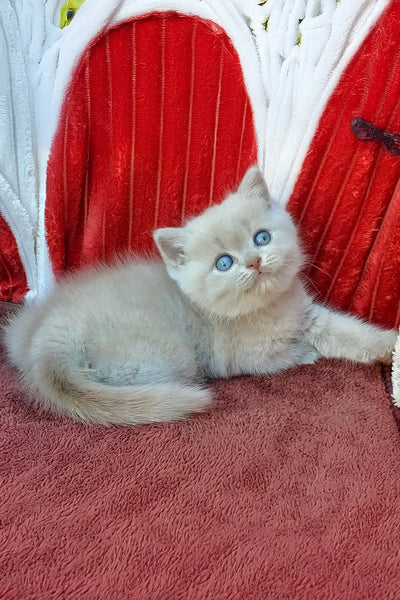
British cat breeds began to form in the 19th century. Breeders focused on traits like coat color, texture, and size. The British Shorthair became one of the most famous breeds.
Other breeds, such as the Burmese and Cornish Rex, were introduced later. These breeds brought new characteristics to British cat populations. Selective breeding continued to improve health and appearance.

Credit: purebredkitties.com
Famous British Cat Breeds
British cat breeds have a rich and fascinating history that reflects the country’s love for feline companions. These breeds are well-known worldwide for their unique looks and charming personalities. If you’ve ever wondered what makes British cats stand out, let’s take a closer look at some famous examples and what you can expect from them.
British Shorthair Characteristics
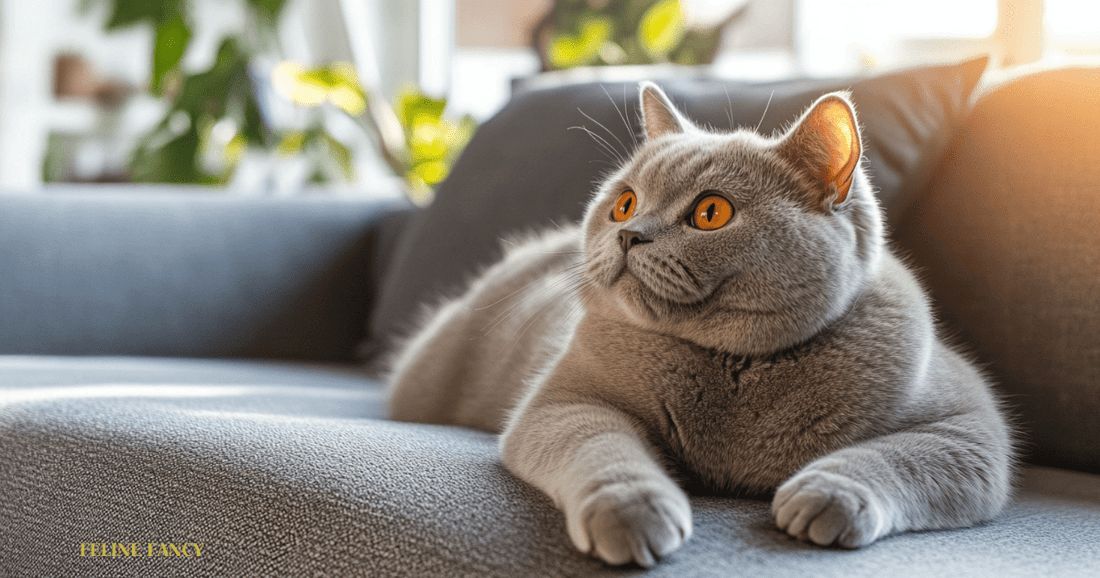
The British Shorthair is one of the most iconic cat breeds from the UK. Known for its dense, plush coat and round face, this breed has a calm and easygoing nature that many cat lovers appreciate.
These cats are sturdy and medium to large in size, with a muscular build that gives them a solid presence. Their eyes are usually large and round, often in striking copper or gold tones.
What makes the British Shorthair special is its balance of independence and affection. They enjoy spending time with their owners but don’t demand constant attention, making them ideal for many households.
Other Notable British Breeds
- Scottish Fold:Famous for their folded ears, Scottish Folds have a unique look that sets them apart. They are playful and sociable, often forming strong bonds with their families.
- Selkirk Rex:This breed is known for its curly fur and relaxed temperament. The Selkirk Rex feels like a soft, living teddy bear and is great if you want a cat that’s both quirky and gentle.
- Manx:Originating from the Isle of Man, the Manx is famous for its taillessness or very short tail. These cats are agile and affectionate, often described as “dog-like” in their loyalty.
Each of these breeds reflects a different aspect of British culture and environment. Do you see yourself fitting in with the calm British Shorthair or the playful Scottish Fold? Understanding these traits can help you find the perfect feline friend.
Historical Breeding Practices
The history of breeding cats in Britain is a tapestry of selective practices and passionate enthusiasts. These practices reveal not only the evolution of feline companions but also how cultural shifts influenced breeding techniques. By diving into the past, you can gain insights into how these practices have shaped the cats we know and love today.
Selective Breeding In The Victorian Era
In the Victorian Era, the British fascination with pedigree animals extended to cats. Breeders began to selectively breed cats to enhance specific traits such as coat color, fur length, and temperament. This era marked the beginning of recognizing cats as more than just pest control; they became prized companions.
Imagine the excitement of seeing a strikingly beautiful cat, one that stands out because of its unique features. This was the goal for many breeders of the time. They aimed to create breeds that were visually appealing and that could thrive in domestic environments.
Role Of Cat Shows And Clubs
Cat shows and clubs played a pivotal role in standardizing cat breeds in Britain. These events provided a platform for breeders to showcase their cats and exchange ideas. The first organized cat show in 1871 at the Crystal Palace in London set the stage for the formalization of cat breeding.
Clubs, such as the Governing Council of the Cat Fancy, established breed standards that guided breeders in their efforts. They fostered a community where enthusiasts could share their passion and knowledge. Through these gatherings, breeders could refine their practices and contribute to the rich tapestry of British cat breeds.
Have you ever considered how much of your cat’s personality and appearance is a result of these historical practices? Reflecting on this history not only deepens your appreciation for your feline friend but also connects you to a legacy of dedication and passion for these enchanting creatures.
Credit: felinefancy.co.uk
Cultural Impact On Cat Breeding
The cultural impact on cat breeding in Britain runs deep. Cats have long held a special place in British homes and hearts. This affection shaped breeding choices and preferences over centuries. Traditions, stories, and popular beliefs influenced which cats were favored. These cultural elements helped define British cat breeds as unique and cherished.
Cats In British Literature And Media
British literature often features cats as clever and mysterious animals. Writers like Beatrix Potter and T.S. Eliot included cats in their stories. Cats appear as symbols of independence and curiosity. British media has shown cats in films, TV shows, and cartoons. This exposure boosted public interest in certain breeds. Cats became icons, reflecting British culture and values.
Public Attitudes Toward Cats
British people generally view cats as friendly and loyal pets. Many see them as companions rather than just animals. This attitude encouraged selective breeding for temperament. Traits like calmness and sociability became important. Public love for cats led to organizations promoting breed standards. This shaped the development of distinct British cat breeds.
Modern Cat Breeding Trends In Britain
Modern cat breeding trends in Britain reflect a careful balance between tradition and responsibility. Breeders today are more aware of the health and well-being of cats, focusing on ethical practices. You might be surprised how much care goes into preserving the unique qualities of popular breeds while ensuring their welfare.
Ethical Breeding And Welfare
Ethical breeding has become the cornerstone of British cat breeders’ work. Many follow strict guidelines to avoid genetic diseases and promote healthy temperaments. You’ll find that reputable breeders often provide detailed health records and support for new cat owners.
Welfare is not just about health but also about environment and socialization. Breeders pay close attention to creating stress-free spaces for kittens, which helps shape confident and well-adjusted cats. What would you expect from a breeder when it comes to the lifelong happiness of their cats?
Popular Breeds Today
British Shorthairs still hold a special place, known for their calm nature and plush coats. However, newer trends have brought breeds like the Bengal and the Scottish Fold into the spotlight. These cats attract owners looking for unique looks and engaging personalities.
- British Shorthair:Favored for their round faces and gentle demeanor.
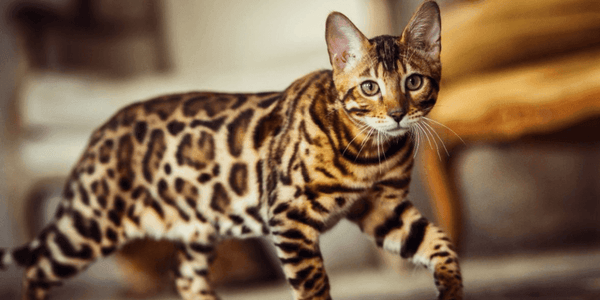
- Bengal:Recognized for their striking spotted coats and energetic behavior.
- Scottish Fold:Popular for their distinctive folded ears and affectionate nature.
Choosing a breed involves understanding their specific needs and traits. How well do you know the breed that fits your lifestyle? This question can help you find a cat that truly becomes part of your family.
Myths And Facts About British Cat Breeding
British cat breeding has sparked many stories and beliefs. Some are true. Others are just myths. Knowing the facts helps us appreciate these cats better. It also clears up confusion about their origins and traits.
Common Misconceptions
- All British cats come from royal breeding programs.
- British Shorthairs are the oldest cat breed worldwide.
- British cats were bred only for appearance, not health.
- They are all blue-gray in color.
- British cats are naturally aggressive or shy.
Many believe these ideas without proof. These myths often come from stories passed down over time. Some confuse British cats with other breeds or local cats.
Historical Truths Revealed
British cats have a long history but not exactly as people think. They likely descend from native European cats. These cats lived in Britain for centuries. Breeders refined their traits in the 19th century.
The British Shorthair became popular due to its round face and dense coat. Breeders focused on health and temperament too. The breed is not only about looks. It is known for being calm and friendly.
Colors vary widely beyond just blue-gray. British cats come in many patterns and shades. Their breeding history is rich and diverse, reflecting natural evolution and selective breeding.

Credit: wildearth.com
Frequently Asked Questions
Do The British Have A Long History Of Breeding Cats?
Yes, the British have a rich history of breeding cats, especially the British Shorthair. This breed dates back to Roman times and was selectively bred in Britain for its robust traits and distinctive appearance. The UK remains a key center for cat breeding traditions.
Which Cat Breeds Originated In Britain?
Several popular cat breeds originated in Britain, including the British Shorthair, Scottish Fold, and the Manx. These breeds are known for their unique features and have been bred for generations in the UK, making Britain a significant contributor to global feline diversity.
Why Is British Shorthair Popular Worldwide?
The British Shorthair is popular due to its calm temperament, plush coat, and round face. Its adaptability to indoor living and friendly nature make it a favored pet globally. The breed’s British heritage adds to its appeal among cat enthusiasts.
How Did British Cat Breeding Influence Modern Breeds?
British breeders emphasized health, temperament, and unique physical traits. Their selective breeding helped establish standards for modern breeds. This influence shaped popular cats, blending natural traits with desired characteristics in many contemporary breeds.
Conclusion
The British have a rich history with cats. They bred unique and beloved cat breeds. Cats have been part of British homes for centuries. These cats show special traits and charm. Many people still admire British cat breeds today. Their history helps us appreciate these cats more.
Breeding cats has shaped their look and nature. This story connects people with their furry friends. It shows how culture and animals grow together. The British love for cats remains strong and alive.

Leave a Reply