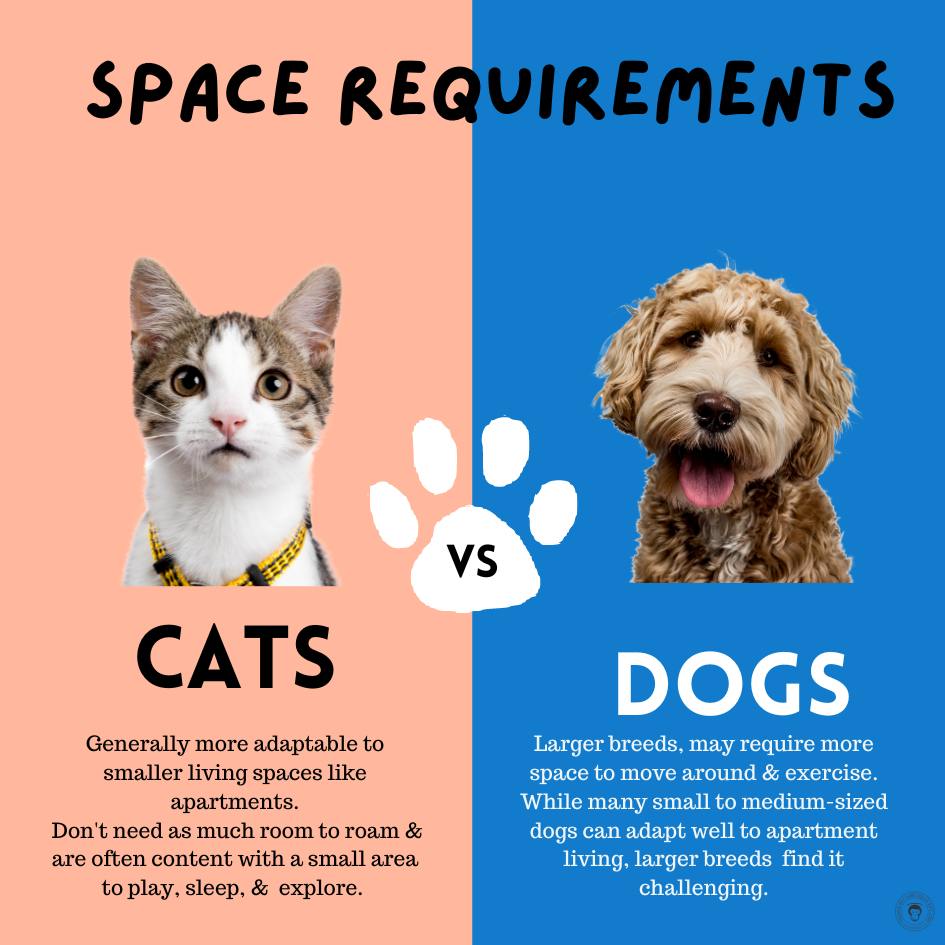
Have you ever wondered why dogs come in so many shapes and sizes, while cats mostly look alike? It’s something you might have noticed but never really thought about.
Your curiosity is about to pay off. Understanding this mystery will change the way you see your furry friends forever. Keep reading, and you’ll discover surprising facts that explain why dog breeds are so different, but cats stay pretty much the same.
This knowledge will not only amaze you but also help you connect more with your pets.
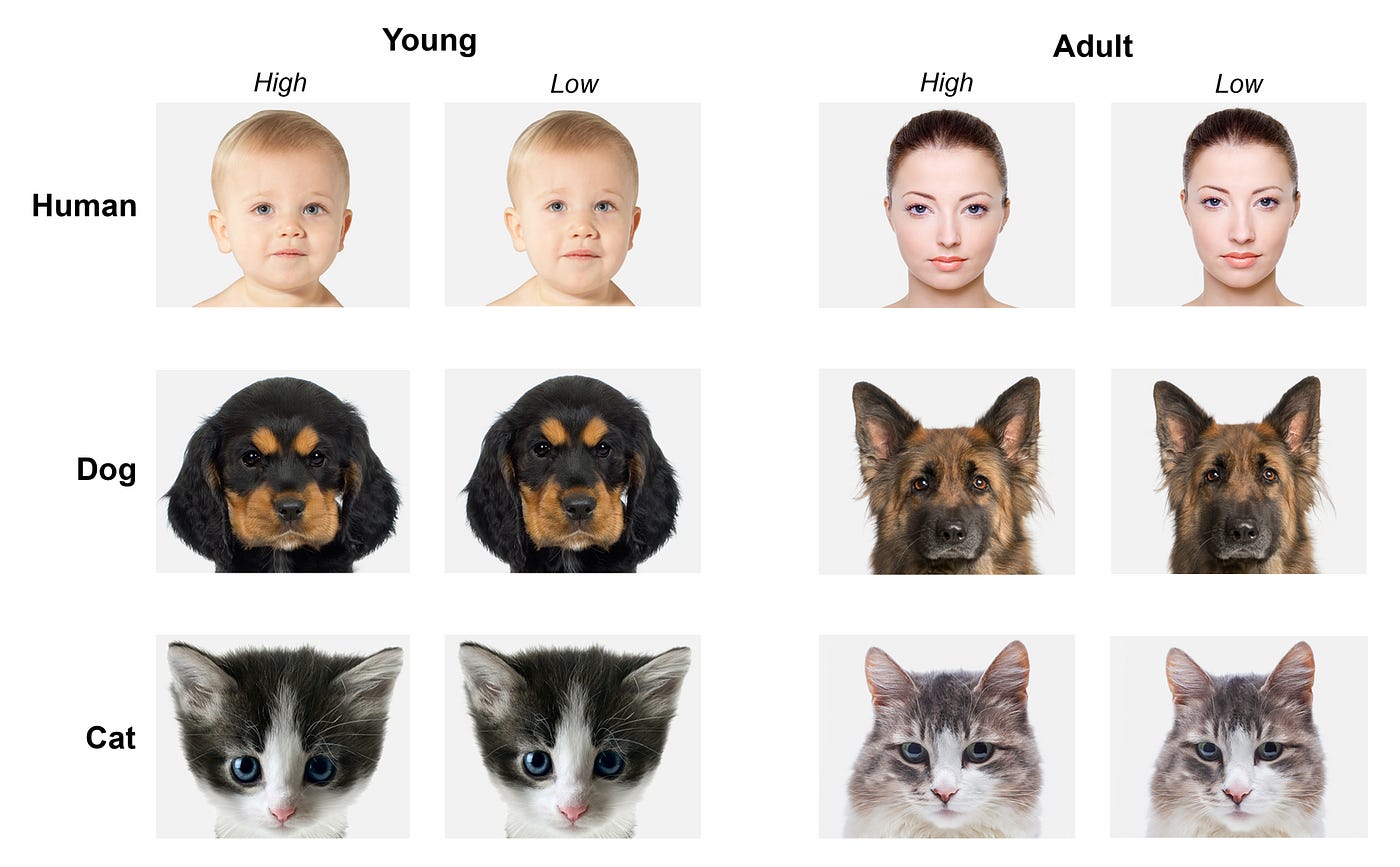
Credit: medium.com
Breed Diversity In Dogs
Dogs come in an incredible array of shapes, sizes, and colors that can surprise even the most casual observer. This diversity is not random—it reflects thousands of years of human influence shaping each breed for specific needs and environments. Understanding why dogs look so different opens a window into their history and the close bond they share with humans.
Selective Breeding And Purpose
Humans have selectively bred dogs to emphasize traits useful for particular tasks. Whether it’s herding sheep, hunting game, or guarding property, each breed was developed with a clear purpose in mind. This focused breeding led to physical and behavioral traits becoming more pronounced over generations.
Think about the sleek Greyhound built for speed versus the sturdy Bulldog bred for strength. Their looks tell you about what they were designed to do. Have you noticed how some dog breeds seem almost custom-made for specific jobs?
Genetic Variation Among Dogs
Dogs have a high level of genetic variation, which gives breeders a large palette to work with. This diversity in genes allows for a wide range of appearances, from tiny Chihuahuas to giant Great Danes. This genetic flexibility helps explain why dogs can have such different coat colors, ear shapes, and body sizes.
On a personal note, I once met two dogs from the same litter that looked nothing alike—one was fluffy and white, the other short-haired and black. This shows how genetic variation can create striking differences even among siblings.
Historical Roles Influencing Traits
Each breed’s history influences its physical traits. Working dogs like Border Collies developed sharp intelligence and agility, while sled dogs like Huskies evolved thick fur to endure cold climates. These roles shaped not only their skills but also their appearance.
Imagine how a dog bred to retrieve waterfowl needs webbed feet, while a lapdog’s tiny size suits indoor life. These historical roles explain why some breeds look so different—they were designed to thrive in very different environments and tasks.
Cat Breed Similarities
Cats show less variety in looks than dogs, but they still have unique traits. Their breeds share many physical features. This similarity comes from their natural history and breeding practices. Understanding why cat breeds look alike helps us appreciate their subtle beauty.
Natural Evolution Of Cats
Cats evolved as hunters with strong survival skills. Their body shapes stayed similar to support agility and speed. This natural evolution limited drastic changes in appearance. Wild ancestors passed on traits needed to survive, keeping cats’ looks consistent.
Limited Selective Breeding
Cat breeding is less intense than dog breeding. Breeders focus on health and small changes in fur or color. This careful approach prevents extreme differences. Cats were not bred for work or specific jobs. This means fewer variations in size and shape.
Genetic Constraints In Cats
Cats have fewer genes controlling their physical traits. These genetic limits reduce how much they can change. Traits like body size, ear shape, and fur type stay close to the original cat form. This keeps cat breeds looking alike despite minor differences.
Genetics Behind Physical Differences
Physical differences in dogs and cats come from their genetics. Genes control traits like size, shape, and color. Dogs have many variations due to their unique genetic makeup. Cats show fewer differences because their genes are less varied. Understanding these genetics helps explain why dogs look so diverse, while cats look more alike.
Key Genes Affecting Appearance
Several genes influence how dogs and cats look. In dogs, genes control traits such as:
- Coat color and pattern
- Ear shape and size
- Body size and length
- Snout shape
These genes work together in complex ways. In cats, fewer genes affect their physical traits. Most cats share similar body shapes and fur patterns.
Role Of Mutations In Dogs
Mutations are changes in DNA that create new traits. Dogs have many mutations that cause different looks. Breeders select these traits to create breeds. This selection speeds up diversity in dogs. Mutations affect:
- Coat length and texture
- Facial structure
- Body proportions
These changes make dogs very diverse in appearance.
Why Cats Show Less Variation
Cats have fewer mutations that affect their looks. Their breeding history is shorter and less varied. Most domestic cats come from a common ancestor. Cats have less human selection for traits. This keeps their physical traits more uniform. Cats often have similar body shapes and sizes.
Credit: worldanimalfoundation.org
Human Influence On Breeds
Human choices have shaped dog and cat breeds differently over centuries. Dogs show vast diversity because people bred them for distinct tasks. Cats, mostly pets, did not undergo intense selective breeding.
This difference explains why dog breeds look so varied while cats appear more alike. Human influence played a key role in this contrast.
Purpose-driven Dog Breeding
Humans bred dogs for hunting, guarding, herding, and companionship. Each purpose required specific traits like size, strength, or speed. Breeders selected dogs with desired features to improve tasks. This created a wide range of dog appearances and abilities.
Dogs evolved into many breeds, each with unique looks and skills. The focus on function led to clear physical differences.
Cats As Companions Vs. Working Animals
Cats mainly served as companions and pest controllers. They were not bred for many different jobs. People cared more about cats’ behavior than appearance.
This limited selective breeding. Cats kept similar body shapes and sizes. Their natural traits stayed stable over time.
Cultural Impact On Breed Development
Cultural needs influenced dog breed creation worldwide. Different regions valued certain dog traits. For example:
- In cold climates, thick-furred dogs were bred.
- In warm places, small and agile dogs thrived.
- Some cultures prized dogs for hunting speed or guarding skills.
Cats did not face such strong cultural demands. Their breeding remained simple and less varied.
Health Implications Of Breed Differences
Dog breeds show many health differences due to selective breeding for appearance and traits. Cats have fewer breed variations, so their health risks are less varied. These differences affect how each animal should be cared for and treated.
Diving into the health implications of breed differences between dogs and cats reveals intriguing insights into the world of our beloved pets. Dogs, with their vast array of breeds, showcase an incredible variety in their physical appearances, each with unique traits and characteristics. However, this diversity also comes with specific health challenges, unlike cats who, despite their variations, generally maintain a more consistent genetic blueprint.Breed-specific Health Issues In Dogs
Dogs’ breed diversity is a double-edged sword. While it’s fascinating to see a Great Dane’s towering stature or a Dachshund’s low-slung body, these physical traits often come with health risks. For example, flat-faced breeds like Bulldogs are prone to breathing difficulties, while larger breeds might face hip dysplasia. These health issues can significantly affect a dog’s quality of life. When choosing a breed, consider not just the appearance, but the potential health challenges. Are you prepared for the vet visits that might come with your chosen breed?Health Challenges In Cats
Cats, on the other hand, exhibit fewer breed-specific health issues. Despite their physical similarities, some breeds like Persians can face unique challenges such as kidney disease or dental issues. Yet, these are not as prevalent or varied as in dogs. The genetic consistency in cats means fewer surprises in terms of health. This can be reassuring for cat owners who prefer predictability. But even with fewer breed-specific issues, regular health check-ups remain crucial.How Diversity Affects Longevity
The stark contrast in diversity between dogs and cats also influences their longevity. Mixed-breed dogs often live longer due to a more varied gene pool, whereas purebreds might encounter genetic health problems. Does this mean mixed-breed dogs are a safer choice for long-term companionship? In cats, longevity is less about breed and more about overall care and lifestyle. While breed can play a role, factors like diet and environment are crucial. Are you providing the right care to ensure your pet’s long life? Understanding these health implications can help you make informed decisions when choosing a pet. Whether you’re a dog lover or a cat enthusiast, being aware of these factors can lead to a healthier, happier life for your furry friend.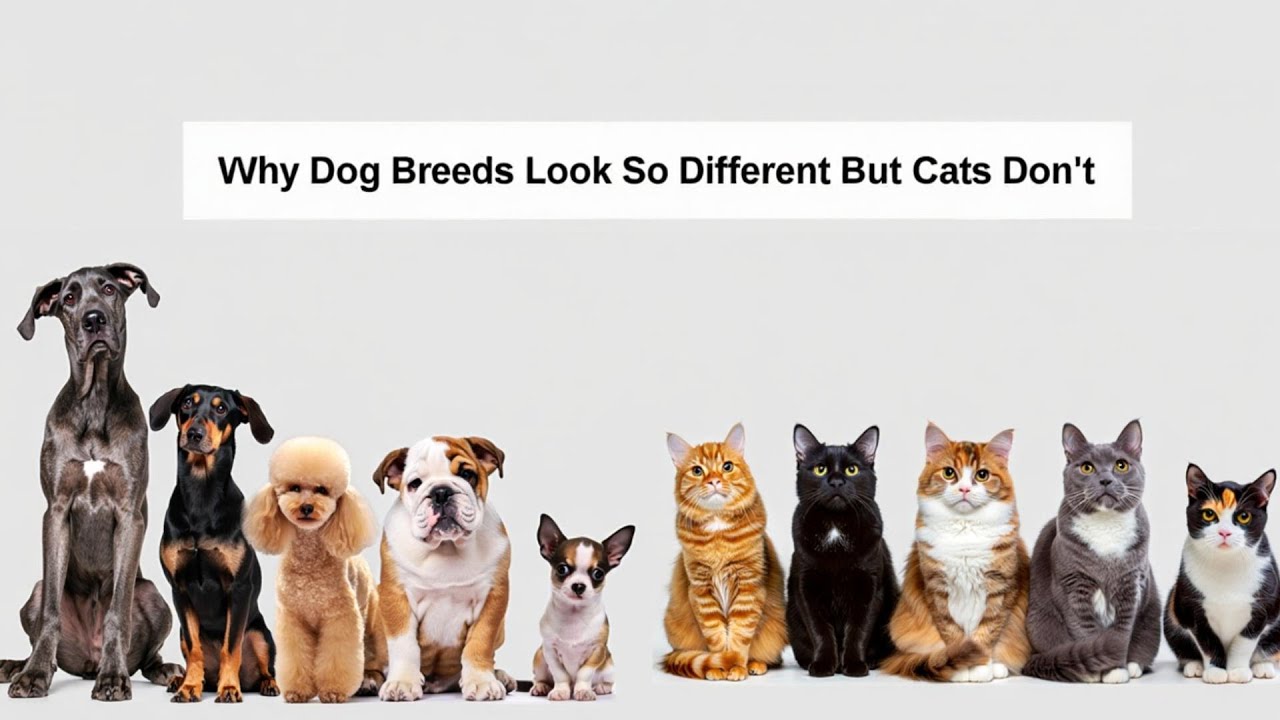
Credit: www.youtube.com
Future Of Dog And Cat Breeding
The future of dog and cat breeding is shaping up to be quite different, reflecting their unique histories and roles in our lives. While dogs continue to show a wide variety of looks and traits, cats remain more uniform. What will breeding look like as we move forward? Let’s explore the trends, ethical questions, and the possibility of new breeds emerging.
Trends In Breeding Practices
Dog breeding is increasingly focused on health and temperament, not just appearance. Many breeders now prioritize reducing genetic diseases and promoting well-balanced dogs that fit family lifestyles.
Cat breeding, however, tends to emphasize maintaining breed standards without drastic changes. The focus remains on preserving traits rather than creating new variations.
Have you noticed how some dog breeds now appear healthier than decades ago? This shift is thanks to breeders paying closer attention to genetics and behavior.
Ethical Considerations
Ethics play a huge role in how breeders approach their work. For dogs, concerns about overbreeding and exaggerated physical features, like extremely flat faces or tiny limbs, are leading to calls for more responsible practices.
Cat breeders face similar challenges but often deal with fewer extreme physical modifications. Still, ensuring cats have good health and quality of life remains critical.
Are you aware of the ethical debates around breeding practices? Your choices as a pet owner can support breeders who prioritize animal welfare.
Potential For New Breeds
The future could see new dog breeds emerging, especially as people seek pets that fit specific lifestyles or environments. Mixing breeds to combine desirable traits is more common now than ever.
In contrast, new cat breeds appear less frequently. The genetic diversity in cats is narrower, and breeders tend to avoid creating drastic changes.
Will you be interested in a new dog breed tailored to your needs? Or do you prefer the classic traits that cats have kept over time?
Frequently Asked Questions
Why Do Dog Breeds Have Varied Appearances?
Dog breeds have varied appearances due to selective breeding for specific traits. Humans bred dogs for size, coat, color, and purpose. This created a wide variety of physical features and behaviors among breeds. Cats, however, were less selectively bred, leading to more uniform appearances.
How Do Cat Breeds Differ From Dog Breeds?
Cat breeds differ less because cats were domesticated for companionship, not work. Selective breeding in cats focuses mostly on coat colors and patterns. Dogs were bred for diverse roles, causing greater physical variety. Cats’ natural traits remain more consistent across breeds.
What Role Does Selective Breeding Play In Dog Diversity?
Selective breeding plays a major role in dog diversity. Breeders choose dogs with desired traits to reproduce. Over generations, this creates distinct breeds with unique looks and skills. This process is less intense in cats, resulting in fewer physical differences.
Why Don’t Cats Show As Much Breed Variation?
Cats show less breed variation because they were domesticated later and bred less intensively. Most cat breeds evolved naturally or through mild selective breeding. Dogs have been bred for thousands of years for various tasks, leading to their diverse appearances.
Conclusion
Dog breeds show many differences because of human choices in breeding. Cats stay alike due to less breeding variety. This makes dogs more diverse in size, shape, and color. Cats keep a simpler look and behavior. Both animals are special in their own way.
Understanding their differences helps us appreciate them better. Each pet brings joy, no matter how they look. This makes every dog and cat unique and loved.



Leave a Reply