Are you wondering how much dry food your adult cat really needs each day? Feeding your cat the right amount is more important than you might think.
Too little food can leave your furry friend hungry and weak, while too much can lead to weight gain and health problems. You’ll discover simple guidelines to help you find the perfect portion size for your cat. Keep reading to ensure your pet stays happy, healthy, and full of energy every day.
Credit: ziggyfamily.com
Daily Calorie Needs
Understanding an adult cat’s daily calorie needs helps maintain its health and weight. Cats need the right amount of calories to stay active and avoid obesity. Too few calories can lead to weight loss and weakness. Too many calories cause weight gain and related health problems.
Factors Affecting Calorie Requirements
Several factors change how many calories a cat needs each day.
- Activity Level:Active cats burn more calories than less active ones.
- Age:Older cats usually need fewer calories than young adults.
- Weight:Larger cats require more calories to maintain their body.
- Health Status:Illness or medical conditions can increase or decrease calorie needs.
- Spaying/Neutering:Altered cats tend to have lower calorie requirements.
- Environment:Cats living indoors may need fewer calories than outdoor cats.
Average Calorie Intake For Adult Cats
On average, an adult cat needs about 20 calories per pound of body weight daily.
For example, a 10-pound cat requires roughly 200 calories each day. This amount keeps the cat healthy and at an ideal weight. Calorie needs vary by individual, so adjustments may be needed.
| Cat Weight (lbs) | Daily Calories Needed |
|---|---|
| 8 | 160 |
| 10 | 200 |
| 12 | 240 |
| 15 | 300 |
Check your cat’s weight regularly to adjust food amounts. Feeding the right calories supports a long, healthy life.
Credit: www.petsmart.com
Measuring Dry Food Portions
Measuring dry food portions for your adult cat is crucial to maintain their health and avoid overfeeding. Precise portions help control weight and ensure your cat receives the right balance of nutrients. Let’s look at how you can measure these portions effectively.
Reading Food Labels
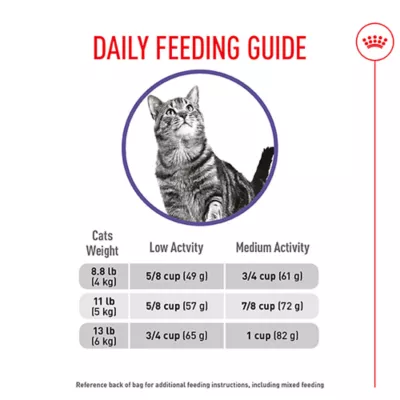
Food labels are your first guide to understanding how much to feed your cat. They usually list recommended daily amounts based on your cat’s weight and activity level.
Look for feeding guidelines that specify grams or cups per day. These numbers are a good starting point but remember, every cat is different. Adjust portions based on your cat’s appetite and weight changes.
Have you ever noticed how some cats stay slim while others gain weight on the same amount? This often comes down to interpreting these labels correctly and tailoring them to your pet’s needs.
Using Measuring Tools
Using the right tools makes measuring dry food simple and accurate. A standard measuring cup designed for pet food works well. Avoid guessing by eye—small errors add up quickly.
Digital kitchen scales are even better for precision. They let you measure food in grams, which is especially useful if the packaging lists feeding amounts by weight.
Try measuring your cat’s food for a week and note any changes in their weight or energy. This helps you fine-tune portions and avoid overfeeding without stress.
Adjusting Portions By Cat’s Lifestyle
Adult cats need different amounts of dry food based on their activity and health. A calm cat eats less, while an active one requires more to stay healthy. Adjust portions carefully to match your cat’s lifestyle and keep it fit.
Adjusting the portions of dry food for your adult cat can make a significant difference in their health and well-being. Each cat has its unique needs based on its lifestyle. By understanding your cat’s daily activities, you can tailor their diet to ensure they receive the right amount of nutrition.Active Vs. Sedentary Cats
Active cats, like those that love to climb or chase toys, burn more calories. They need more food to fuel their energy. If your cat is a bundle of energy, consider gradually increasing their portion sizes. On the other hand, sedentary cats, who prefer lounging around, require fewer calories. Overfeeding them can lead to weight gain. You might need to reduce their portions to maintain a healthy weight.Indoor Vs. Outdoor Cats
Indoor cats usually have a more controlled environment. They tend to be less active compared to outdoor cats. You might notice they need less food to prevent them from gaining extra weight. Outdoor cats explore and move more, hunting or roaming in the neighborhood. This lifestyle requires more energy, which means they may need more food. Keep an eye on their weight to ensure they are not losing or gaining too much. How does your cat’s lifestyle impact their eating habits? By observing their behavior, you can find the perfect balance for their diet. Adjusting their food portions isn’t just about food; it’s about understanding your pet’s unique lifestyle.
Credit: companion-vets.com
Common Feeding Mistakes
Feeding an adult cat the right amount of dry food is vital for its health. Many cat owners make common feeding mistakes that harm their pet’s wellbeing. Understanding these errors helps maintain your cat’s ideal weight and energy.
Overfeeding Risks
Giving too much dry food leads to obesity. Overweight cats face joint pain and diabetes. Excess food also causes digestive problems and poor coat condition. Portion control avoids these health issues. Follow feeding guidelines on the cat food package. Measure food with a cup or scale. Avoid free-feeding with unlimited dry food access.
Underfeeding Concerns
Feeding too little food causes weight loss and malnutrition. Cats may become weak and have low energy. A lack of nutrients harms the immune system. Underfeeding also leads to behavioral problems like irritability. Always provide enough food for your cat’s size and activity. Monitor your cat’s weight regularly. Adjust portions if the cat loses weight or seems hungry.
Tips For Feeding Dry Food
Feeding your adult cat dry food might seem straightforward, but there are smart ways to do it that can improve your cat’s health and happiness. Knowing how to balance nutrition and keep your cat interested in meals makes a big difference. Let’s look at some practical tips that will help you get the most out of dry food feeding.
Combining Wet And Dry Food
Mixing wet and dry food can offer the best of both worlds. Wet food adds moisture, which helps with hydration and digestion, while dry food supports dental health by reducing plaque buildup.
You don’t need to feed equal amounts; try offering wet food once or twice a day alongside dry food. This variety can prevent your cat from getting bored with meals and encourage better eating habits.
Have you noticed your cat’s preference between wet and dry food? Adjusting the balance based on their taste can lead to a happier eater and fewer leftovers.
Maintaining Fresh Water Access
Dry food lacks moisture, so it’s essential your cat always has access to clean, fresh water. Cats can be picky about water, so place bowls in quiet, accessible spots.
Some cats prefer running water, so a pet water fountain might encourage them to drink more. Drinking enough water supports kidney health and overall well-being.
Think about how often you change the water and clean the bowl. Regular maintenance prevents bacteria buildup and keeps your cat’s water appealing.
Signs Of Proper Nutrition
Knowing if your adult cat is getting the right amount of dry food goes beyond measuring cups and feeding schedules. You can tell a lot by observing clear signs of proper nutrition. These signs help you adjust feeding amounts and ensure your cat stays healthy and happy.
Healthy Weight Indicators
One of the easiest signs to check is your cat’s weight. You should be able to feel their ribs easily without pressing hard, but they shouldn’t be visible. A slight waistline when viewed from above is a good indicator of a healthy weight.
Keep an eye on any sudden weight changes. If your cat is losing or gaining weight rapidly, it’s a warning to reassess their diet. Have you noticed your cat’s clothes getting tighter or looser? Even though cats don’t wear clothes, this question helps you think about their body shape.
Coat And Energy Levels
A shiny, smooth coat often reflects a balanced diet. If your cat’s fur looks dull or feels brittle, it might be time to reconsider their dry food quantity or quality. Healthy skin and coat are signs of enough nutrients and hydration.
Energy levels tell you a lot too. Is your cat playful and alert? Or are they lethargic and sleepy all day? Proper nutrition supports an active lifestyle, so noticing changes in energy can guide you in feeding the right portions.
Frequently Asked Questions
How Much Dry Food Should An Adult Cat Eat Daily?
An adult cat typically needs 1/4 to 1/3 cup of dry food daily. This varies by weight, activity, and food type. Always check the feeding guidelines on the package and adjust based on your cat’s needs and health.
Can Feeding Too Much Dry Food Harm My Cat?
Yes, overfeeding dry food can lead to obesity and health issues. It can cause diabetes and joint problems. Monitor portion sizes and avoid free-feeding to maintain a healthy weight for your cat.
Does Activity Level Affect Dry Food Quantity For Cats?
Yes, active cats need more calories, so they require slightly more dry food. Less active cats need less food to prevent weight gain. Adjust portions based on your cat’s lifestyle and energy needs.
Should I Mix Dry Food With Wet Food For Adults Cats?
Mixing dry and wet food offers balanced nutrition and hydration. It keeps meals interesting and supports urinary health. Ensure total daily calories meet your cat’s needs to avoid overfeeding.
Conclusion
Feeding your adult cat the right amount of dry food keeps them healthy and happy. Watch their weight and energy to adjust portions. Every cat’s needs can vary, so observe and learn what suits yours best. Clean water should always be available alongside dry food.
Remember, balanced feeding helps your cat live a long, comfortable life. Stay mindful and enjoy caring for your furry friend.



Leave a Reply