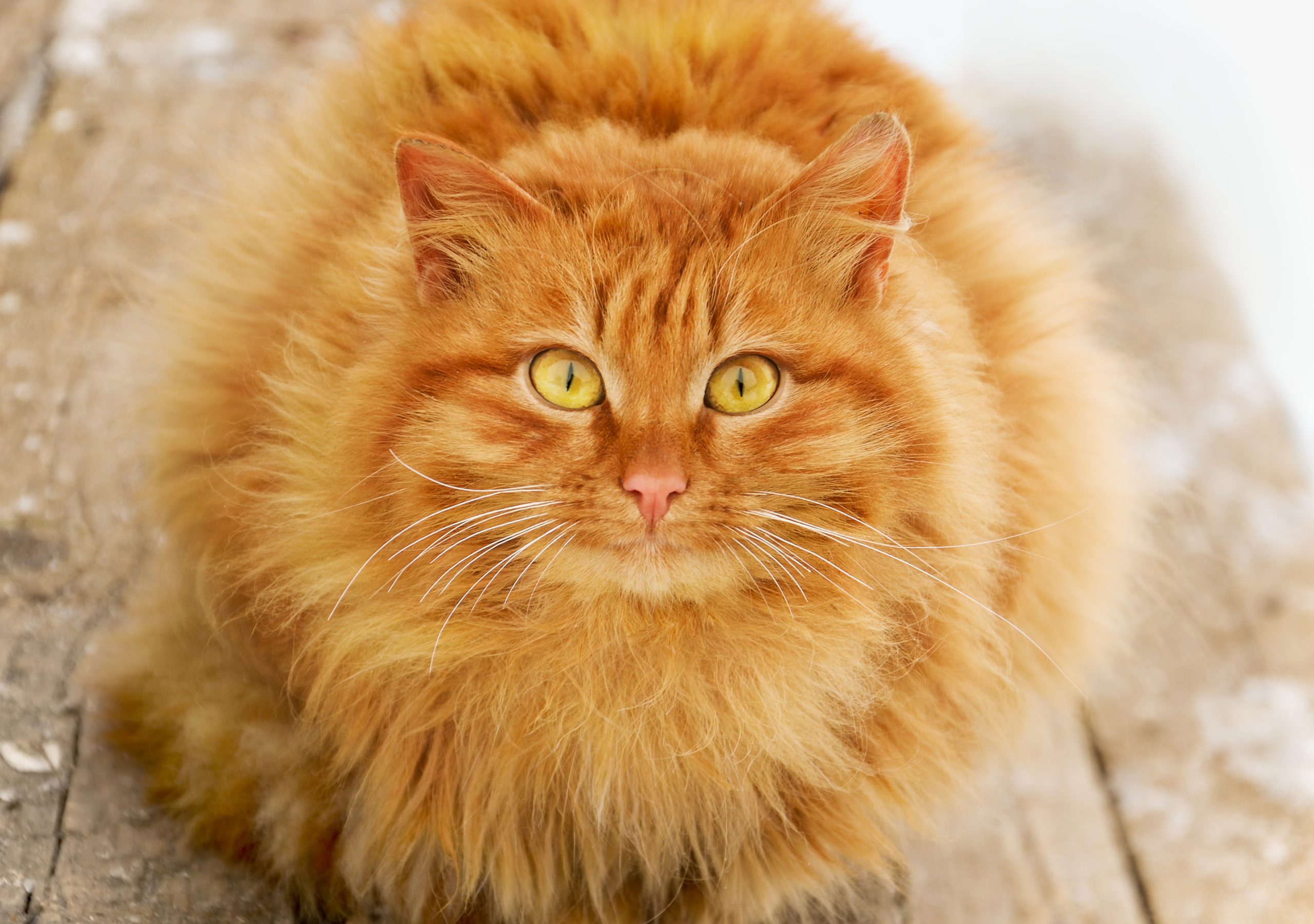
Have you noticed your cat licking or chewing its fur more than usual? Excessive grooming in cats can be worrying, and you might be wondering what’s behind this behavior.
It’s not just a quirky habit—sometimes, it signals that something is wrong. Understanding what causes your cat to over-groom is key to helping them feel comfortable and happy again. You’ll discover the common reasons behind this behavior and what you can do to support your furry friend.
Keep reading to learn how to spot the signs and find solutions that truly work.
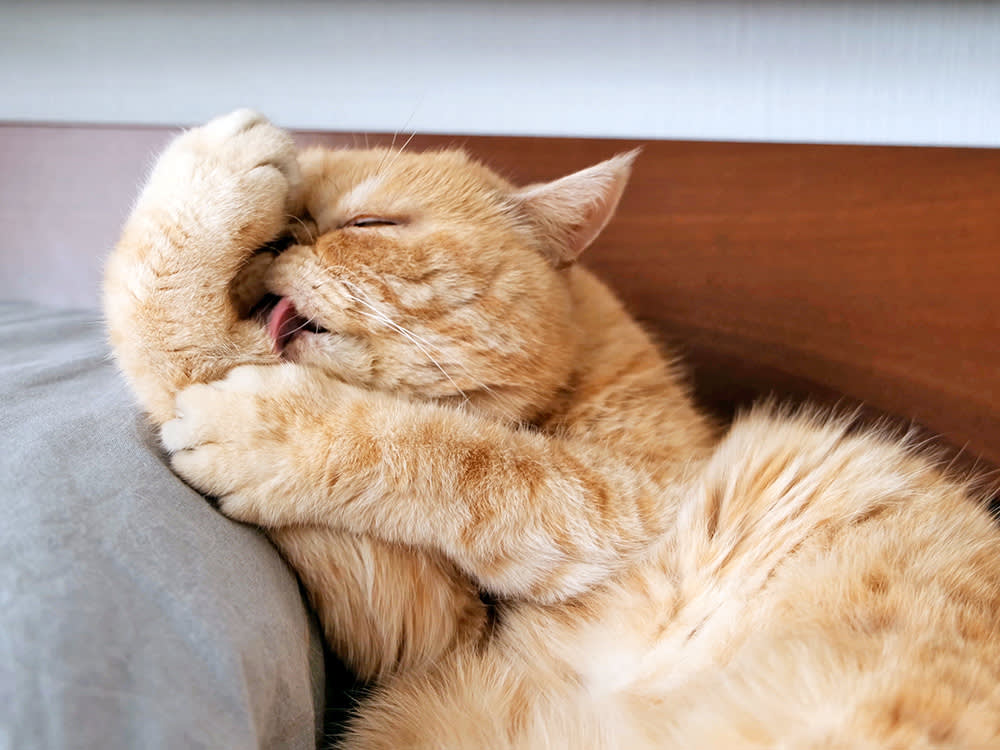
Credit: www.kinship.com
Behavioral Causes
Excessive grooming in cats often stems from behavioral issues. Cats use grooming to calm themselves and manage emotions. When normal grooming turns into over-grooming, it signals underlying behavioral problems. Understanding these causes helps pet owners address the root of the problem effectively.
Stress And Anxiety
Stress triggers excessive grooming in cats. Changes in environment, loud noises, or new pets cause anxiety. Grooming acts as a coping mechanism to relieve tension. Cats may lick or bite their fur repeatedly to feel safe. Persistent stress can lead to bald patches and skin sores.
Boredom And Lack Of Stimulation
Bored cats groom more to fill time and reduce restlessness. Indoor cats without enough play often over-groom. Lack of mental and physical activity leads to frustration. Grooming becomes a way to self-entertain and pass long hours. Providing toys and playtime helps reduce this behavior.
Territorial Marking
Cats mark their territory by rubbing and grooming. Excessive grooming can signal a need to claim space. This behavior is common in multi-cat households or new environments. Grooming leaves scent marks from glands in their skin. It reassures cats and deters other animals from invading.
Medical Causes
Excessive grooming in cats often stems from medical issues like allergies, skin infections, or parasites. Pain or discomfort from arthritis or injuries can also trigger over-grooming. Identifying these causes helps in providing the right treatment for your cat’s health.
Excessive grooming in cats can often be traced back to various medical causes. Understanding these can help you address the root of the problem and ensure your feline friend remains healthy and comfortable. Let’s explore some of the medical reasons behind this behavior.Allergies And Skin Irritations
Cats, like humans, can develop allergies to different substances. These could include food ingredients, pollen, or even household cleaning products. When a cat is allergic, it may experience skin irritations that lead to excessive grooming as a way to relieve the itch. Have you ever noticed your cat licking a specific area more often during certain seasons? This could be a sign of a seasonal allergy. It’s important to monitor these patterns and consult with a veterinarian for potential allergy testing.Parasites And Infections
Parasites like fleas and mites are common culprits of excessive grooming in cats. These tiny invaders cause significant discomfort, prompting your cat to lick persistently. Infections, whether bacterial or fungal, can also lead to similar behaviors. A telltale sign is if your cat is focusing on a particular spot that looks red or inflamed. Regular check-ups and maintaining a clean environment can help prevent these issues.Pain And Discomfort
Pain is another reason cats might groom excessively. This could be due to arthritis, an injury, or even dental issues. Cats often hide their pain, so grooming might be their way of self-soothing. Have you ever had a day when a minor injury made you focus on that area more than usual? Cats do the same, but they rely on grooming to address their discomfort. Observing your cat’s behavior and noting any changes can be crucial in identifying underlying pain. Understanding these medical causes can guide you in providing the best care for your cat. If you suspect any of these issues, a visit to the vet can be an invaluable step.Environmental Factors
Environmental factors play a big role in a cat’s grooming habits. Cats often react to changes around them by grooming more than usual. This behavior can be a sign of stress or discomfort caused by their surroundings. Understanding these triggers helps in managing your cat’s health and happiness.
Changes In Surroundings
Cats dislike sudden changes in their environment. Moving to a new home or rearranging furniture can stress them out. Strange smells, noises, or new people also make cats uneasy. These changes can cause a cat to groom excessively as a way to calm down.
Household Conflicts
Conflicts between pets or family members affect cats deeply. Loud arguments or tension in the house can increase a cat’s anxiety. Cats may groom themselves more to cope with the stress. This behavior helps them feel safer and more secure.
Temperature And Humidity
Hot and humid weather can irritate a cat’s skin. Excessive heat makes cats lick or scratch more often. Grooming helps them cool down but can become excessive. On the other hand, very dry air may cause itchy skin, leading to more grooming as well.
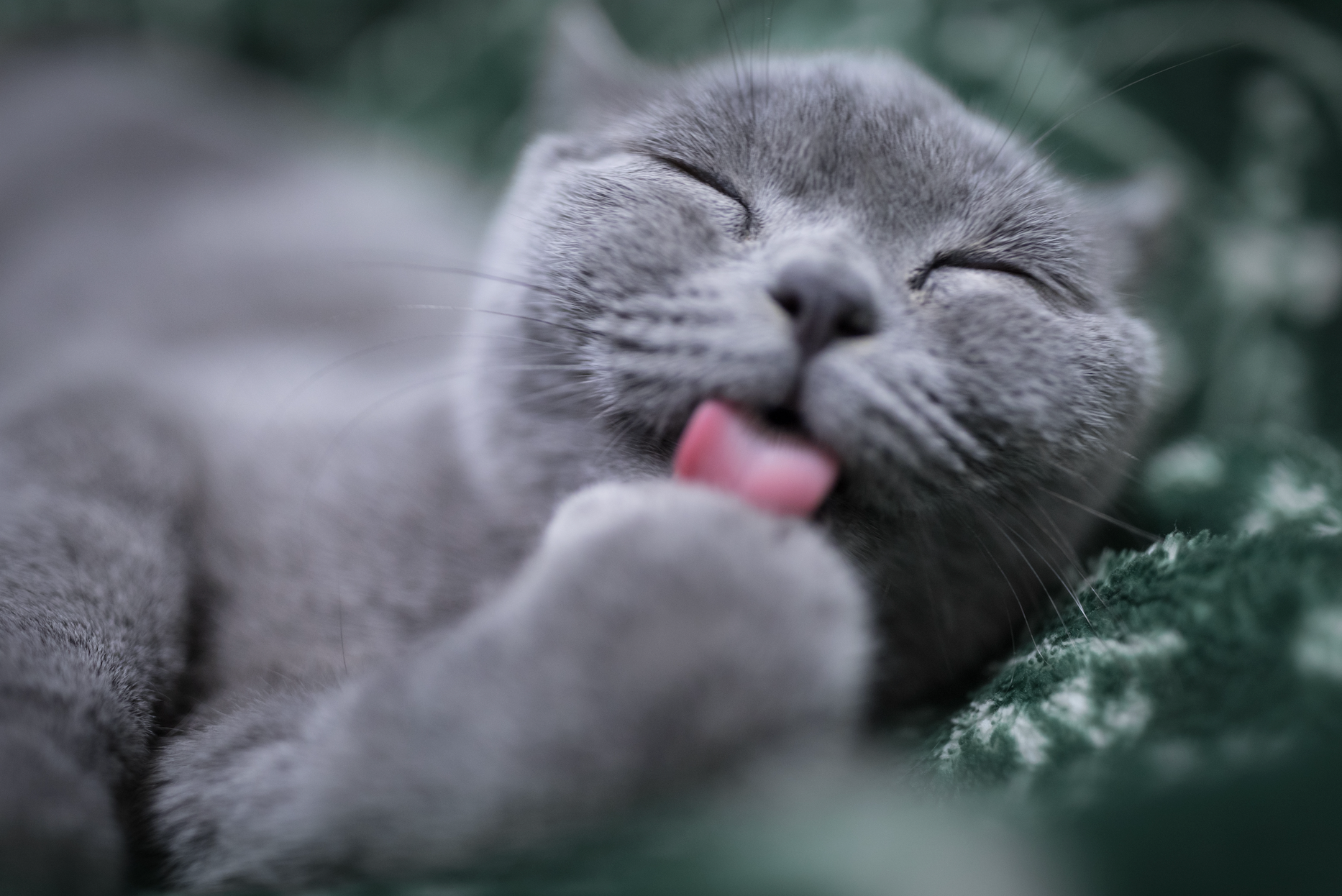
Credit: www.fullbuckethealth.com
Breed And Genetic Influences
Breed and genetic influences play a significant role in a cat’s grooming habits. Some cats naturally groom more due to their genetic makeup or the traits passed down through generations. Understanding these factors can help you better manage and support your cat’s health and comfort.
Predisposed Breeds
Certain breeds are known to groom excessively more often than others. For example, Siamese and Burmese cats frequently show higher grooming activity. Their sleek coats and sensitive skin may make them more prone to over-grooming.
Persian cats are another breed to watch closely. Their long fur requires more maintenance, which sometimes leads to compulsive grooming behaviors. If your cat belongs to one of these breeds, you might notice more licking or biting than usual.
Inherited Behaviors
Grooming habits can also be inherited. Cats from families with a history of excessive grooming often develop similar patterns. This suggests a genetic component influencing how they respond to stress or skin irritation.
Have you observed your cat grooming more after stressful events? Some inherited behaviors trigger over-grooming as a coping mechanism. Recognizing these signs early can help you intervene before it becomes a problem.
Identifying Excessive Grooming
Identifying excessive grooming in cats can be tricky because grooming is a natural behavior for them. However, when grooming becomes too frequent or intense, it might signal a problem. Recognizing the difference early can help you address underlying issues before they worsen.
Signs To Watch For
Keep an eye out for bald patches or thinning fur on your cat’s body. These areas often appear where your cat licks or bites repeatedly. You might also notice redness, scabs, or irritated skin.
Another sign is if your cat spends an unusual amount of time grooming—more than an hour a day. Watch if your cat seems restless or anxious, pacing between grooming sessions. These behaviors can hint that grooming is more than just cleaning.
Distinguishing Normal From Excessive
Normal grooming involves short sessions that keep your cat clean and comfortable. Cats usually lick their fur to remove dirt and loose hair, but they rarely create raw spots.
Excessive grooming often looks repetitive and obsessive. If your cat grooms until the skin is raw or bleeding, that’s a red flag. Ask yourself: Is your cat grooming as part of routine care, or is it a reaction to stress or discomfort?
Think about your cat’s environment and recent changes. Have there been new pets, loud noises, or changes in routine? These can trigger stress-related grooming. Observing these details helps you understand if grooming is a problem to address or just normal cat behavior.

Credit: www.holistapet.com
Managing And Reducing Grooming
Managing and reducing excessive grooming in cats requires a thoughtful approach. Understanding your cat’s needs helps improve their comfort and behavior. Tailoring solutions to each cat’s situation brings the best results. Below are key ways to help your cat stop over-grooming.
Environmental Enrichment
Providing a stimulating environment reduces stress and boredom. Cats need space to explore and play. Simple changes can make a big difference, such as:
- Adding scratching posts and climbing trees
- Offering puzzle feeders and interactive toys
- Creating quiet areas for rest and privacy
- Providing windows with outside views
- Keeping a regular playtime routine
These enrichments keep your cat mentally and physically active. A busy cat grooms less due to lower stress levels.
Medical Treatments
Excessive grooming can stem from health problems. Skin allergies, parasites, or pain often cause this behavior. A veterinarian can diagnose underlying issues. Treatments may include:
- Medications for allergies or infections
- Topical creams to soothe irritated skin
- Parasite control such as flea treatment
- Pain relief if arthritis or injury is present
Early medical care prevents worsening symptoms. Follow your vet’s advice closely for best results.
Behavioral Interventions
Behavioral strategies help address emotional causes of grooming. Stress, anxiety, or boredom can trigger over-grooming. Techniques to try include:
- Using pheromone diffusers to calm your cat
- Establishing a consistent daily routine
- Redirecting attention with toys or treats
- Providing gentle affection and reassurance
- Consulting a cat behaviorist for complex cases
These steps encourage healthy habits and reduce anxiety. Patience is key during behavior change.
Frequently Asked Questions
What Triggers Excessive Grooming In Cats?
Excessive grooming in cats is often caused by stress, allergies, skin infections, or parasites. It can also result from boredom or underlying medical conditions like arthritis or pain.
How Can Allergies Cause Over-grooming?
Allergies irritate a cat’s skin, leading to itching and discomfort. Cats groom excessively to relieve this irritation, which can worsen skin damage if untreated.
Can Stress Lead To Excessive Grooming In Cats?
Yes, stress and anxiety can cause cats to groom excessively. It acts as a coping mechanism but may result in bald patches or skin sores over time.
When Should I See A Vet About My Cat’s Grooming?
If your cat grooms to the point of hair loss, skin wounds, or behavioral changes, consult a vet promptly. Early diagnosis prevents complications and improves treatment success.
Conclusion
Excessive grooming in cats can signal health or stress issues. Watch your cat closely for changes in behavior or skin condition. Stress, allergies, or parasites often cause this problem. Early action helps prevent serious harm. Talk to a vet if grooming seems out of control.
A calm, safe environment supports your cat’s well-being. Understanding these causes keeps your cat happy and healthy. Small steps make a big difference in your cat’s life. Stay patient and observant to catch problems early. Your cat depends on you for care and comfort.



Leave a Reply