Potty training a 1-year-old cat might seem tricky, but with the right steps, you can make it happen smoothly. You want your home to stay clean, and your cat to feel comfortable using the litter box every time.
If you’ve been struggling or just want to start fresh, this guide is for you. Keep reading to discover simple, effective tips that will help you teach your cat good habits quickly and without stress. Your cat—and your floors—will thank you!

Credit: www.purina.com
Choosing The Right Litter Box
Choosing the right litter box plays a key role in potty training a 1-year-old cat. The right box makes your cat comfortable and encourages good habits. Pay close attention to size, type, and placement to help your cat adapt quickly.
Size And Accessibility
Pick a litter box that fits your cat’s size. The box should be large enough for your cat to turn and dig comfortably. Avoid boxes with high sides if your cat is small or older. Easy access encourages your cat to use the box without trouble.
Types Of Litter Boxes
Several litter box types exist. Open boxes provide good ventilation and easy entry. Covered boxes offer privacy and contain odors but might feel cramped. Self-cleaning boxes reduce maintenance but can scare shy cats. Choose a box that suits your cat’s personality and needs.
Placement Tips
Place the litter box in a quiet, low-traffic area. Avoid noisy or busy spots that might scare your cat. Keep the box away from food and water bowls. Ensure the location is easy to find and always accessible. Consistent placement helps your cat develop a routine.
Selecting The Best Litter
Selecting the best litter is a crucial step in potty training your 1-year-old cat. The right litter encourages your cat to use the box consistently and keeps your home fresh. Choosing the wrong type might cause your cat to avoid the litter box altogether, leading to frustration for both of you.
Material Options
You have several litter materials to choose from, each with its own pros and cons. Clay-based litters are popular because they clump well and are easy to scoop. However, they can be dusty and may trigger allergies in some cats.
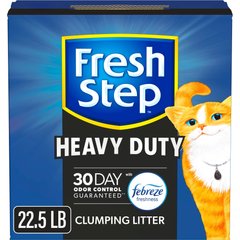
Natural options like corn, wheat, or pine are biodegradable and often less dusty. I once switched to a pine litter for my cat, and she seemed to prefer the texture immediately. Consider your cat’s preferences and any sensitivities when picking a material.
Scented Vs Unscented
Scented litters can mask odors, but many cats dislike artificial fragrances. They might avoid the box if the smell is too strong. Unscented litter tends to be more neutral and usually better accepted by cats.
Think about your cat’s behavior and your tolerance for odors. Would you rather have a fresher smelling room or a cat that willingly uses the litter box? Sometimes, unscented litter combined with regular cleaning solves both problems.
Cleaning Frequency
How often you clean the litter box affects your cat’s willingness to use it. Most cats prefer a clean box and may refuse to use it if it smells or feels dirty. Scoop the litter at least once a day to keep it inviting.
Complete litter changes depend on the type you choose but generally should happen weekly or biweekly. Ask yourself: are you ready to commit to this routine? Your cat’s potty habits will improve with consistent cleaning.
Creating A Training Schedule
Set specific times each day for training sessions to build routine. Keep sessions short and consistent to help your cat learn quickly. Patience and repetition are key for success.
Creating a training schedule is key to successfully potty training your cat. A structured approach helps your cat learn quickly and adapt to new habits. Consistency is crucial in forming these new behaviors.Establishing Routine
Cats thrive on routine and predictability. Set specific times for feeding and potty breaks. This helps your cat know what to expect each day. Regular meal times lead to regular potty times. Keep a consistent schedule to reinforce this habit.Monitoring Behavior
Watch your cat’s behavior closely. Notice signs that your cat needs to go. Signs include scratching or sniffing around. Act quickly and guide your cat to the litter box. This reinforces where they should go.Reward System
Positive reinforcement encourages your cat to repeat desired actions. Use treats or praise when your cat uses the litter box correctly. Immediate rewards help your cat make the connection between the action and the reward. Keep rewards small and consistent.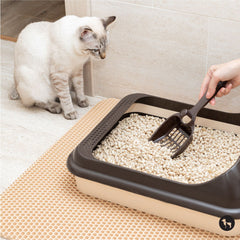
Credit: headsupfortails.com
Encouraging Proper Use
Encouraging your 1-year-old cat to use the litter box properly is all about patience and understanding. Cats respond best when they feel safe and rewarded for good behavior. Your role is to guide them gently while making the litter box a positive place.
Positive Reinforcement
Reward your cat immediately after they use the litter box correctly. This can be with a treat, gentle petting, or soft praise. Cats quickly link rewards to their actions, so timing is key.
Try keeping a small stash of your cat’s favorite treats nearby during training sessions. This helps create a strong connection between the litter box and something enjoyable.
Handling Accidents
Accidents are bound to happen. Instead of scolding, clean the area thoroughly to remove any lingering smell. Cats often return to spots where they’ve urinated before if the scent remains.
Consider using an enzymatic cleaner to eliminate odors effectively. Ask yourself, could your cat be avoiding the box because it’s dirty or in a noisy spot?
Adjusting Techniques
If your cat ignores the litter box, try changing the type of litter or the box’s location. Some cats prefer unscented, fine-grain litter, while others may like a covered box for privacy.
Observe your cat’s behavior closely. Are they avoiding the box only at certain times? Adjusting your approach based on their preferences can make a big difference.
Addressing Common Challenges
Potty training a 1-year-old cat can bring unexpected hurdles. Each cat has a unique personality and past experiences that shape how they respond. Tackling common challenges head-on will help you create a smooth and positive training experience for both of you.
Avoiding Fear And Stress
Fear and stress can block your cat’s willingness to learn new habits. If your cat seems anxious around the litter box, try placing it in a quiet, low-traffic area. Sudden changes in environment or harsh reactions from you can make matters worse.
Use calm voices and gentle encouragement. I once saw a cat avoid the litter box because of loud noises nearby. Moving the box helped the cat feel safe and start using it again. Could your cat’s environment be triggering hidden fears?
Dealing With Resistance
Resistance is common, especially in cats older than kittens. Some cats simply don’t want to change their habits quickly. Instead of forcing, observe what your cat prefers—type of litter, box size, or location.
Try offering different options and watch their reactions. Praise and small treats when they use the box can boost motivation. Remember, patience beats frustration. Have you noticed any patterns in your cat’s behavior that hint at what they dislike?
Health Considerations
Sometimes, potty problems are not behavioral but health-related. Urinary tract infections, kidney issues, or digestive problems can cause accidents outside the litter box. If your cat suddenly stops using the box, a vet visit is essential.
Keep an eye on signs like frequent urination, straining, or blood in the urine. Treating health issues promptly can solve potty problems faster than training alone. Is your cat showing any unusual symptoms that might explain their potty habits?
Credit: www.petmd.com
Maintaining Long-term Success
Maintaining long-term success in potty training a 1-year-old cat requires ongoing effort and attention. Cats thrive on routine, and keeping good habits helps prevent accidents. Consistency and patience make all the difference in this process.
Consistent Cleaning
Clean the litter box daily to keep it inviting. Cats avoid dirty spaces and may go elsewhere. Use mild, unscented cleaners to remove odors. Avoid strong chemicals that might scare your cat. Regular cleaning helps maintain your cat’s interest in using the box.
Transitioning To New Environments
Introduce the litter box slowly when moving homes. Place the box in a quiet, accessible spot right away. Keep the box location similar to the old home if possible. Carry some litter from the previous box to the new one. This helps your cat feel comfortable and secure.
Ongoing Monitoring
Watch your cat’s behavior for signs of distress or accidents. Check if the cat is using the box regularly. Address any changes quickly to avoid bad habits. Consult a vet if problems persist. Early action keeps potty training on track.
Frequently Asked Questions
How Long Does Potty Training A 1 Year Old Cat Take?
Potty training a 1 year old cat usually takes 1 to 3 weeks. Consistency and patience are key. Provide a clean litter box and positive reinforcement. Monitor progress and adjust as needed for best results.
What Litter Type Is Best For Potty Training Cats?
Clumping, unscented, and fine-grained litter works best for potty training cats. It mimics natural sand texture and is easy to clean. Avoid scented or dusty litters as they may deter your cat from using the box.
How To Handle Accidents During Potty Training?
Clean accidents immediately with an enzymatic cleaner to remove odors. Avoid punishment, as it confuses the cat. Instead, gently guide your cat back to the litter box to encourage proper use.
Can I Potty Train A 1 Year Old Cat To Use The Toilet?
Yes, you can train a 1 year old cat to use the toilet. It requires gradual training with a specialized seat and patience. However, litter training is easier and more natural for most cats.
Conclusion
Potty training a 1-year-old cat takes time and patience. Stay calm and consistent with your approach. Reward your cat for using the right spot. Keep the litter box clean and in a quiet place. Watch your cat’s behavior and adjust if needed.
Small steps lead to better habits. Soon, your cat will learn where to go. Enjoy a cleaner home and a happy pet.



Leave a Reply