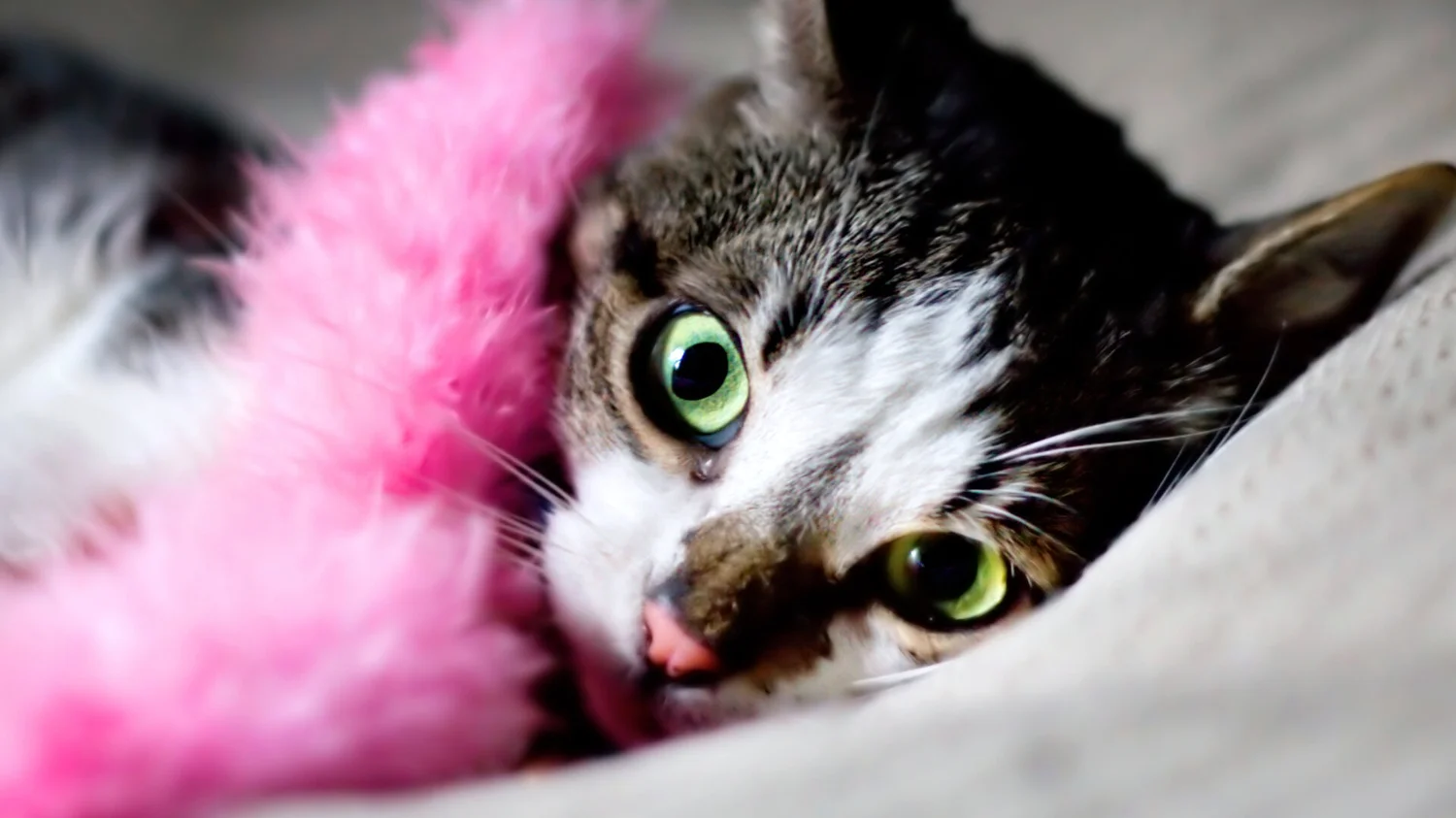
Have you ever noticed your cat carrying a toy around and crying? It’s a strange sight that can leave you wondering, “Why is my cat doing this?” Your furry friend isn’t just being playful—they’re trying to tell you something important.
Understanding this behavior can help you connect with your cat on a deeper level and meet their needs better. Keep reading, and you’ll discover the surprising reasons behind this odd habit and what it means for your special bond.
Cat Carrying Behavior
Have you ever noticed your cat quietly carrying a toy around the house while making soft cries? This behavior might puzzle you, but it’s deeply rooted in your cat’s instincts and emotions. Understanding why your feline friend does this can help you respond better to their needs and strengthen your bond.
Instinctive Hunting Drive
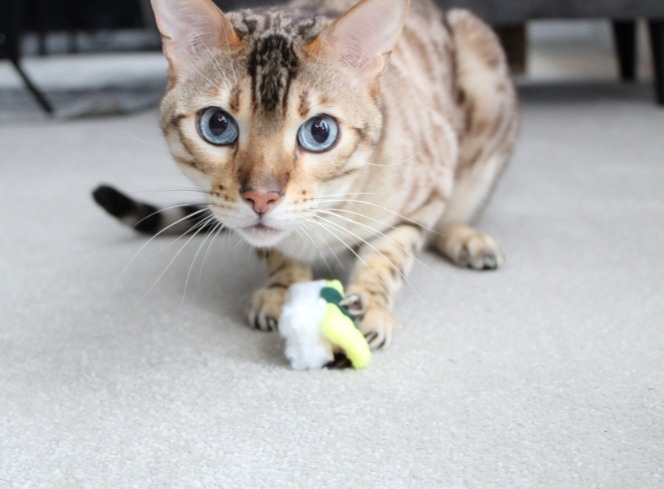
Cats are natural hunters, even if they live indoors and don’t need to catch real prey. Carrying toys mimics the act of catching and transporting prey back to a safe place. When your cat cries while holding a toy, it might be expressing excitement or frustration linked to this instinct.
Think about the last time your cat brought you a toy—they were showing you a part of their natural behavior. Have you noticed if they prefer certain toys that resemble small animals? This preference can tell you a lot about their hunting style and needs.
Maternal Instincts
Even if your cat isn’t a mother, she might display maternal behaviors by carrying toys gently and vocalizing. This can be her way of practicing care and protection, similar to how a mother cat would carry her kittens. Some cats comfort themselves this way, especially if they feel anxious or lonely.
Observe if your cat’s crying changes in tone when carrying a toy—does it sound more like a call for attention or a soothing murmur? Understanding these subtle cues can help you provide comfort or companionship as needed.
Territory And Ownership
Carrying a toy can also be a way for your cat to claim ownership. By moving the toy from place to place, your cat marks their territory and asserts control over their environment. The crying might serve as a signal to other pets or humans that this item is important.
You might see your cat hiding toys in favorite spots or bringing them to you as a “gift.” This behavior shows trust and a desire to share a prized possession. Have you considered offering new toys or rotating their toys to keep this behavior positive and engaging?
Credit: www.lordsandlabradors.co.uk
Reasons Behind Crying
Understanding why your cat carries a toy and cries can shed light on their emotional world. Cats use vocalizations and behaviors to communicate, and crying while holding a toy is no exception. This section will explore key reasons behind this curious action, helping you connect better with your furry friend.
Seeking Attention
Sometimes, your cat cries while carrying a toy simply because they want your focus. They might be inviting you to play or interact with them. Have you noticed how your cat’s meows become louder or more persistent when they drop a toy near you? This is their way of saying, “Look at me!”
If your cat feels ignored, carrying a toy and crying can be their way to pull you into their world. You can respond by engaging in a short play session or simply giving them some affection. This helps build trust and keeps your cat happy and mentally stimulated.
Expressing Frustration
Your cat might also cry while holding a toy if they feel frustrated. Maybe the toy is not “prey” enough, or they can’t quite figure out how to catch it properly. This can lead to vocal expressions as a way to vent their feelings.
Think about a time when you struggled with a puzzle or a game; your cat’s frustration is similar. To help, try introducing different types of toys or interactive play that better satisfies their hunting instincts. This can reduce their frustration and the crying behavior.
Communicating Needs
Crying while carrying a toy can be a way for your cat to communicate specific needs. They might be hungry, thirsty, or even feeling unwell. Carrying the toy becomes a sort of “calling card” to alert you.
Pay attention to other signals like changes in appetite or energy levels. When your cat cries in this way, consider checking their food and water or scheduling a vet visit if you suspect something is wrong. Your cat relies on you to understand these subtle messages.
Toy Selection By Cats
Cats often carry toys and cry to show they want to share their catch or need attention. This behavior mimics hunting and helps them bond with you. It reveals their playful and caring nature in a simple way.
Cats are curious creatures with unique behaviors. One fascinating habit is their toy selection. This behavior is more than play; it reflects their instincts and preferences. Understanding why cats choose certain toys can give insights into their wild nature.Preference For Prey-like Toys
Cats often choose toys resembling their natural prey. Mice-shaped toys or small, moving objects catch their interest. These toys stimulate their hunting instincts, making playtime more exciting. A toy that moves unpredictably can mimic the thrill of a real hunt. Cats enjoy the chase and pounce, which these toys provide.Significance Of Texture And Size
Texture plays a crucial role in a cat’s toy choice. Soft, plush toys feel like prey, appealing to their tactile senses. Cats also enjoy toys with varied textures, offering a sensory experience. Size matters too. Smaller toys are easier for cats to bat around and carry. A toy that fits comfortably in their mouth can become a favorite. They can easily transport it around, simulating carrying prey.Emotional Connection To Toys
Your cat carrying a toy and crying might seem puzzling at first, but it often points to a deep emotional connection with their treasured object. Toys aren’t just playthings for cats—they can hold significant meaning and fulfill emotional needs. Understanding this bond can help you respond better to your cat’s behavior.
Comfort And Security
Many cats use toys as a source of comfort, much like a child might with a favorite blanket. When your cat carries a toy around and cries, they might be seeking reassurance or trying to soothe themselves in stressful moments.
Think about times your cat has been anxious, like during loud noises or a visit to the vet. Did they cling to a particular toy? This shows how toys can provide a sense of security, helping cats cope with unfamiliar or upsetting situations.
Play And Mental Stimulation
Carrying a toy and vocalizing could also be your cat’s way of inviting you to play or expressing excitement. Cats often use toys to simulate hunting, which keeps their minds sharp and bodies active.
If your cat cries while holding a toy, it might be their way of sharing their “catch” with you, showing pride or asking for interaction. This behavior keeps their instincts engaged and strengthens your bond.
When To Be Concerned
Not all instances of your cat carrying a toy and crying require worry. However, knowing when this behavior signals a deeper problem can save your cat from prolonged distress or health complications. Paying close attention to changes in behavior, vocalization intensity, and physical condition is key.
Signs Of Stress Or Anxiety
If your cat suddenly starts crying while carrying a toy, it might be feeling stressed or anxious. Look for other signs like pacing, excessive grooming, or hiding more than usual.
Notice if the crying is high-pitched or persistent, as this can indicate emotional discomfort. Has your cat’s environment changed recently? New pets, visitors, or rearranged furniture can trigger anxiety.
Stress can also show through aggressive behavior or loss of appetite. If you see these signs, try to create a calm space and observe if the crying lessens. Sometimes, simple changes like spending more quality time with your cat help soothe its nerves.
Health Issues To Watch
Physical problems might also cause your cat to carry a toy and cry. Dental pain, ear infections, or injury can make your cat vocalize more and seek comfort in familiar objects.
Watch for symptoms like limping, scratching at ears, or drooling. These clues suggest your cat is in pain and needs a vet visit. Don’t ignore sudden changes in eating or litter box habits either.
Sometimes, cats carry toys as a coping mechanism when they feel unwell. If the crying is accompanied by lethargy or vomiting, it’s time to get professional help.
Have you noticed other unusual signs along with the toy carrying? Your cat’s behavior can be a message—are you ready to listen closely?
Credit: www.youtube.com
Enhancing Cat’s Playtime
Enhancing your cat’s playtime helps reduce stress and boosts their happiness. Play encourages natural hunting instincts and keeps cats active. A happy cat is less likely to carry toys and cry for attention.
Choosing The Right Toys
Select toys that mimic prey to engage your cat’s hunting instincts. Soft, small toys like mice or balls are great for carrying and tossing. Toys with feathers or bells add sound and movement to catch their eye.
- Use lightweight toys for easy carrying
- Choose different textures to keep interest
- Rotate toys regularly to prevent boredom
Interactive Play Techniques
Interactive play strengthens your bond and provides mental exercise. Use wand toys or laser pointers to simulate chasing prey. Move toys slowly and unpredictably to mimic real hunting.
- Set aside 10-15 minutes twice daily for play
- Encourage stalking, pouncing, and catching behaviors
- Reward your cat with praise or treats after play

Credit: www.reddit.com
Frequently Asked Questions
Why Does My Cat Carry Toys And Cry Loudly?
Cats carry toys and cry to mimic hunting and communicate. This behavior shows their natural instinct and desire for attention or play.
Is Crying With A Toy A Sign Of Distress?
Not always. Crying with a toy often signals excitement or a call for interaction, rather than distress.
Do Cats Carry Toys To Show Affection?
Yes, carrying toys can be a way cats express affection and share their “prey” with their owners or other pets.
How Can I Stop My Cat From Crying With Toys?
Provide more playtime and interactive toys. Meeting their hunting needs reduces crying and toy-carrying behavior.
Conclusion
Cats carry toys and cry to show love, hunger, or hunting instincts. This behavior helps them feel safe and connected to you. Paying attention to these signs builds trust between you and your cat. Toys are their way to practice skills or seek comfort.
Understanding your cat’s feelings creates a happier home for both of you. Keep watching your cat’s actions to respond with care and kindness. Small moments like these reveal your cat’s unique personality and needs.



Leave a Reply