Have you ever heard your cat making a strange noise that sounds just like a squeaky toy? It can catch you off guard and leave you wondering, “Why does my cat sound like that?” You’re not alone.
Cats use their voices to communicate in many surprising ways, and sometimes those sounds can be puzzling. You’ll discover the real reasons behind your cat’s squeaky noises and what they mean. Understanding these sounds will help you connect with your furry friend on a whole new level.
Keep reading—you might be surprised by what you learn!
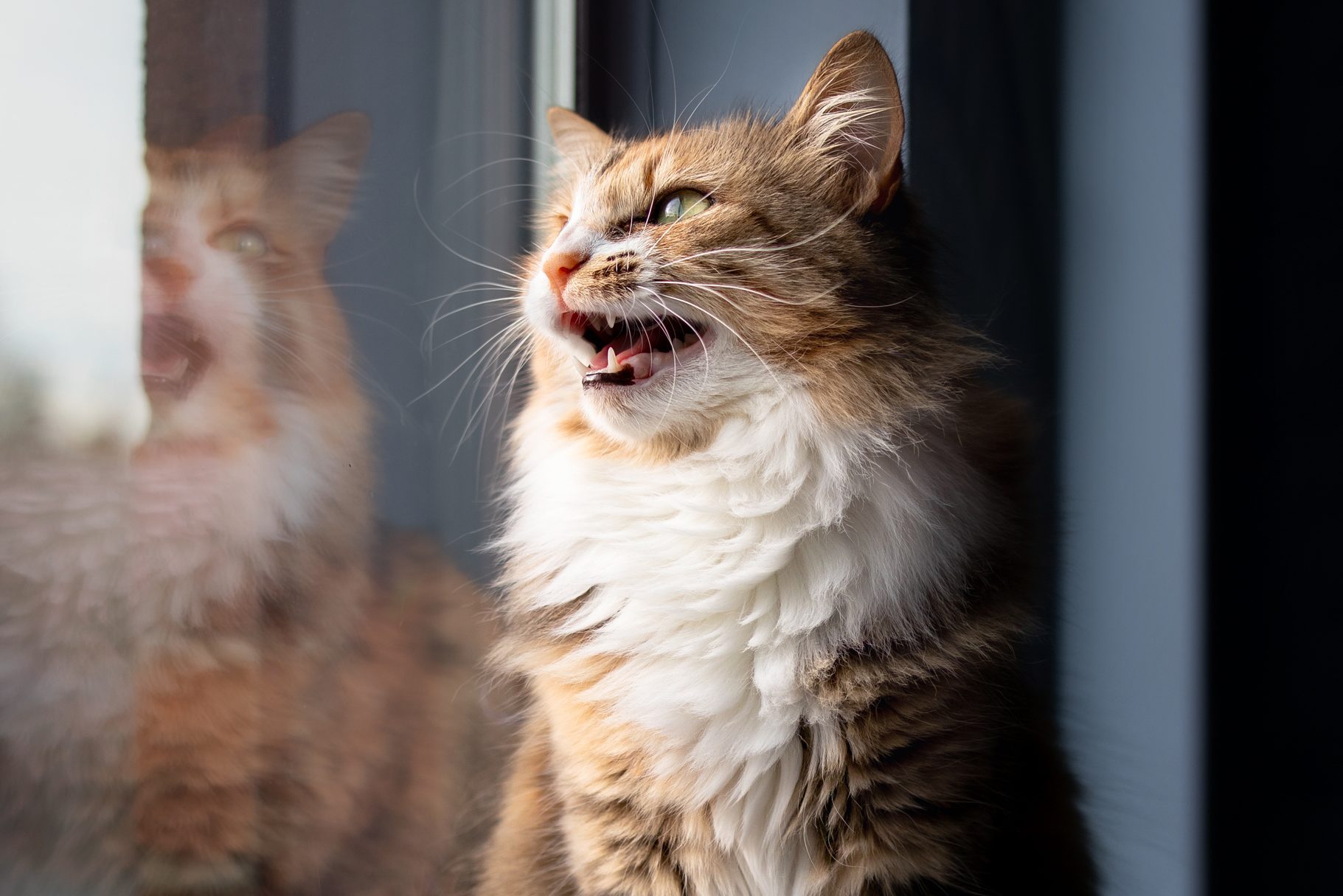
Credit: www.rd.com
Common Cat Sounds
Cats make squeaky toy sounds when they feel excited, curious, or want attention. These high-pitched noises show their playful or alert mood. Understanding these sounds helps build a stronger bond with your pet.
Cats communicate with a range of sounds. These sounds convey emotions and needs. Understanding these sounds can deepen your bond with your feline friend. Some cat sounds are typical, while others are unique. Let’s explore these fascinating vocalizations.Typical Meows And Purrs
Cats often meow to interact with humans. A short meow can mean a greeting. Longer meows might indicate a request or complaint. Purring is usually a sign of contentment. Cats purr when they feel safe and relaxed. Occasionally, purring can also signify discomfort. Observe your cat’s behavior to understand the context.Unique Vocalizations
Some cats have unique sounds resembling squeaky toys. These high-pitched sounds can express excitement or curiosity. Chirping is another unique sound. Cats chirp when watching birds or other prey. It reflects their hunting instincts. Each cat may have its own special sounds. Spend time with your cat to learn these distinctive vocal cues.Squeaky Toy Sounds Explained
Have you ever been puzzled by your cat’s unusual squeaky sounds? These noises can be surprisingly high-pitched and toy-like, catching your attention in the quietest moments. Understanding why your cat sounds this way helps you connect better with their unique personality and health.
What Causes High-pitched Noises
High-pitched squeaky sounds from cats often come from how they use their vocal cords. Cats can vary their meows, purrs, and chirps depending on mood or need. When your cat’s voice sounds like a squeaky toy, it’s often due to the tightness and speed of air passing through their vocal cords.
Sometimes, kittens or smaller cats produce higher-pitched sounds because their vocal cords are shorter and thinner. Older cats might also change their vocal tone if they have respiratory issues or throat irritation. Have you noticed if your cat’s squeaky sounds happen more when they’re excited or trying to get your attention?
Anatomy Of A Cat’s Voice Box
The cat’s voice box, or larynx, plays a key role in the sounds they make. It contains vocal cords that vibrate as air passes through, creating different noises. The size and tension of these cords influence whether your cat sounds deep and growly or high and squeaky.
Inside the larynx, muscles adjust the cords to change pitch and volume. Even slight changes can make your cat’s meow sound like a tiny squeaky toy. This is why some cats have naturally squeaky voices, while others have a richer tone.
Understanding these details can help you better interpret your cat’s vocal signals. Next time your cat lets out that squeaky noise, you’ll know it’s all about their unique anatomy and how they’re communicating with you.
Health-related Causes
When your cat sounds like a squeaky toy, health issues might be the cause. Cats rely on their voice box to communicate, and any problem there can change their sounds. Some health problems affect their breathing and voice, making their meows unusual.
Respiratory Infections
Respiratory infections can cause a cat’s voice to change. Infections affect the nose, throat, and lungs, leading to congestion. This congestion makes the meow sound weak or squeaky. Cats with these infections may also cough or sneeze often. These infections are common in young or outdoor cats.
Voice Box Irritation
Irritation in the voice box can make a cat’s meow sound strange. This irritation may come from excessive meowing or swallowing harmful substances. The voice box, or larynx, controls the sound a cat makes. When irritated, the vocal cords do not vibrate normally. This leads to a squeaky or hoarse voice.
Allergies And Their Impact
Allergies can cause changes in a cat’s voice. Allergens irritate the throat and airways, leading to inflammation. This inflammation can make the meow sound high-pitched or squeaky. Cats with allergies might also show symptoms like itching or watery eyes. Identifying and avoiding allergens helps reduce these voice changes.
Behavioral Reasons
When your cat sounds like a squeaky toy, it often points to interesting behavioral reasons behind those unique vocalizations. Understanding these behaviors can help you connect better with your feline friend and respond in ways that meet their needs. Let’s look at some common behavioral triggers that might explain this unusual sound.
Seeking Attention
Cats quickly learn that certain sounds get your attention. If your cat’s squeaky noises make you look their way or come closer, they’ll likely use those sounds more often. Think about times your cat suddenly started “talking” this way—were you busy, or maybe ignoring them?
You can try to observe if these squeaks happen when your cat wants food, playtime, or just some petting. Responding to these cues with gentle attention can reinforce positive interaction and reduce their need to squeak excessively.
Stress And Anxiety
Stress can cause your cat to make unusual sounds, including squeaky ones. Changes in the environment like new pets, loud noises, or even rearranged furniture might trigger this. These noises serve as a way for your cat to express discomfort or seek reassurance from you.
If you notice your cat squeaking more during stressful times, try creating a calm and safe space for them. Soft music, familiar blankets, or quiet corners can help lower anxiety and reduce these vocalizations.
Playful Communication
Sometimes, your cat’s squeaky sounds are just part of their playful nature. Cats often use high-pitched, quirky noises during interactive play to express excitement or invite you to join in. This playful communication is their way of saying, “Let’s have fun!”
Next time your cat squeaks during play, respond with enthusiasm or toys to encourage this positive interaction. It’s a simple way to strengthen your bond and enjoy more joyful moments together.
Breed And Age Factors
Cats have many ways to express themselves through sounds. Some cats make noises that remind us of squeaky toys. This can be due to their breed or age. Both factors affect how a cat’s voice sounds. Understanding these helps explain why your cat may sound unique.
Breeds Known For Unique Sounds
Certain cat breeds have voices that stand out. For example:
- Siamese catsare famous for loud, high-pitched meows.
- Oriental Shorthairsalso produce sharp, squeaky sounds.
- Burmese catsoften have soft, chirpy voices.
The shape of their vocal cords and mouth affects their sounds. These breeds naturally make noises that can seem like squeaky toys. Their vocal style is part of their charm.
How Age Affects Vocalizations
Young cats and kittens usually have higher-pitched voices. Their small vocal cords create soft, squeaky sounds. As cats grow, their voices deepen and change.
Older cats might develop weaker voices or unusual sounds. This can result from health or muscle changes. Age influences how often and how loudly a cat meows. The squeaky toy sound often comes from younger or very vocal cats.
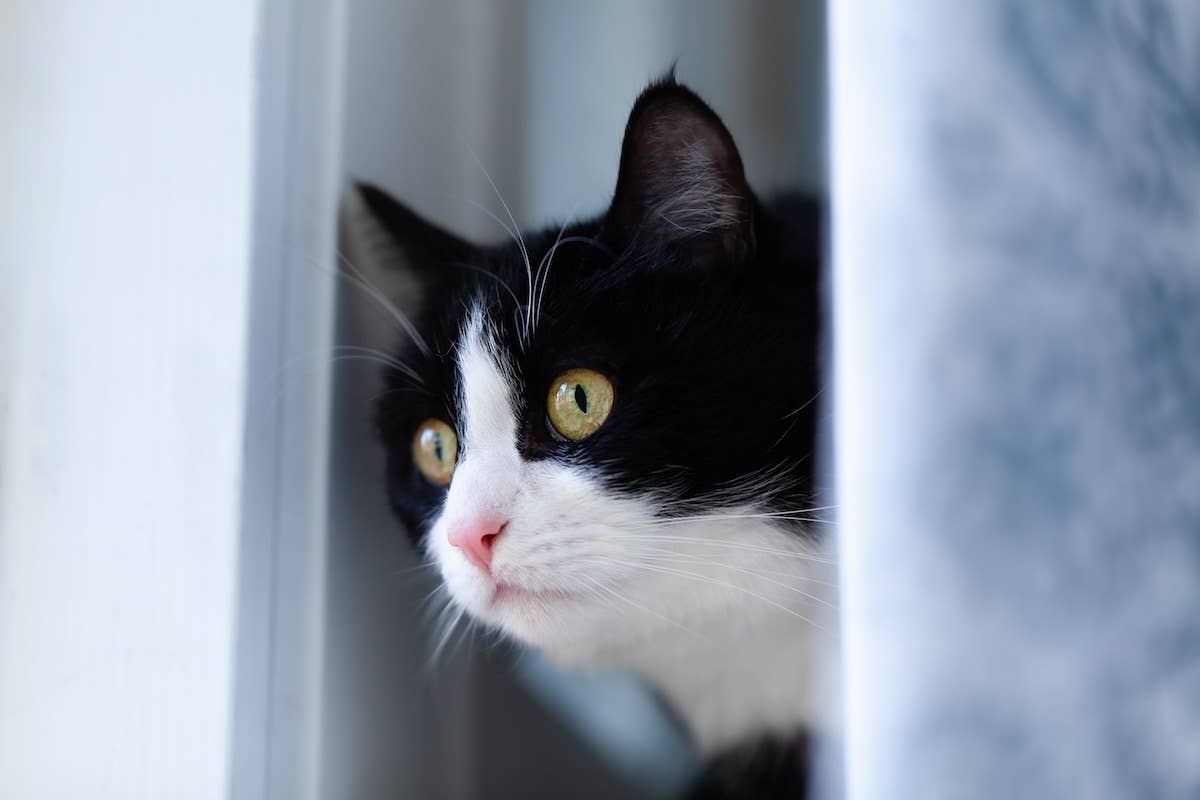
Credit: paradepets.com
When To See A Vet
Noticing your cat’s voice sounding like a squeaky toy can be surprising. While this can sometimes be harmless, it’s important to recognize when this change in sound signals a need for veterinary care. Knowing when to seek professional help ensures your cat stays healthy and avoids unnecessary discomfort.
Signs Of Serious Issues
If your cat’s squeaky voice comes with coughing, difficulty breathing, or excessive drooling, don’t ignore it. These symptoms can indicate infections or respiratory problems that need immediate attention.
Watch for changes in appetite, lethargy, or sudden weight loss alongside the voice change. Such signs often point to deeper health concerns beyond just a hoarse meow.
Is your cat pawing at their throat or sneezing a lot? These behaviors might suggest irritation or injury in the vocal cords or airway. A vet can diagnose and treat these conditions properly.
Preventive Care Tips
Keep your cat’s environment free of smoke, strong chemicals, or dust that could irritate their throat. Regularly cleaning their living space helps reduce airborne irritants.
Maintain a consistent feeding routine with high-quality food to support overall health. Nutritional balance strengthens your cat’s immune system and vocal health.
Schedule regular vet checkups to catch any issues early. Preventive visits can identify subtle changes before they become serious problems.
Tips To Help Your Cat
If your cat sounds like a squeaky toy, you might wonder how to help them feel and sound better. Paying attention to their vocal health and overall environment can make a big difference. Small changes in your routine and surroundings can ease their discomfort and even improve their voice quality.
Improving Vocal Health
Just like people, cats need care for their vocal cords. Encourage your cat to stay hydrated by providing fresh water daily. Dry vocal cords can cause that unusual squeaky sound.
Also, avoid exposing your cat to smoke or strong cleaning chemicals. These irritate the throat and worsen vocal issues.
Has your cat been meowing more than usual? It might be a sign to check with a vet. Early attention can prevent long-term problems.
Creating A Calm Environment
Stress can change how your cat sounds. Loud noises or sudden changes in the home may make your cat feel anxious, which affects their voice.
Try to keep a peaceful space where your cat can relax. Soft music, cozy spots, and gentle playtime help reduce stress.
Observe your cat’s behavior—do they hide or seem nervous often? Addressing these signs can improve their comfort and vocal expression.

Credit: moderncat.com
Frequently Asked Questions
Why Does My Cat Make A Squeaky Noise?
Cats may make squeaky sounds due to excitement, stress, or respiratory issues. It’s often a unique vocalization reflecting their mood or health.
Can A Cat’s Squeaky Sound Indicate Illness?
Yes, persistent squeaky sounds can signal respiratory infections or throat problems. If unusual, consult a vet promptly for diagnosis.
Is A Squeaky Cat Voice Normal Behavior?
Sometimes, yes. Cats have diverse vocal patterns. Squeaky sounds can be normal communication or a sign of playfulness or attention-seeking.
How Can I Stop My Cat’s Squeaky Noises?
Identify triggers like hunger, anxiety, or discomfort. Provide comfort, toys, and regular vet checks to reduce unwanted squeaky noises.
Conclusion
Cats making squeaky toy sounds can be normal and harmless. Sometimes, it shows they feel playful or excited. Other times, it may signal a health issue. Watching your cat closely helps you understand better. If the sound worries you, consult a vet soon.
Enjoy your cat’s unique voice—it’s part of their charm. Simple care keeps your pet happy and safe. Every cat has its own way to communicate. Listen, learn, and love your furry friend more.



Leave a Reply