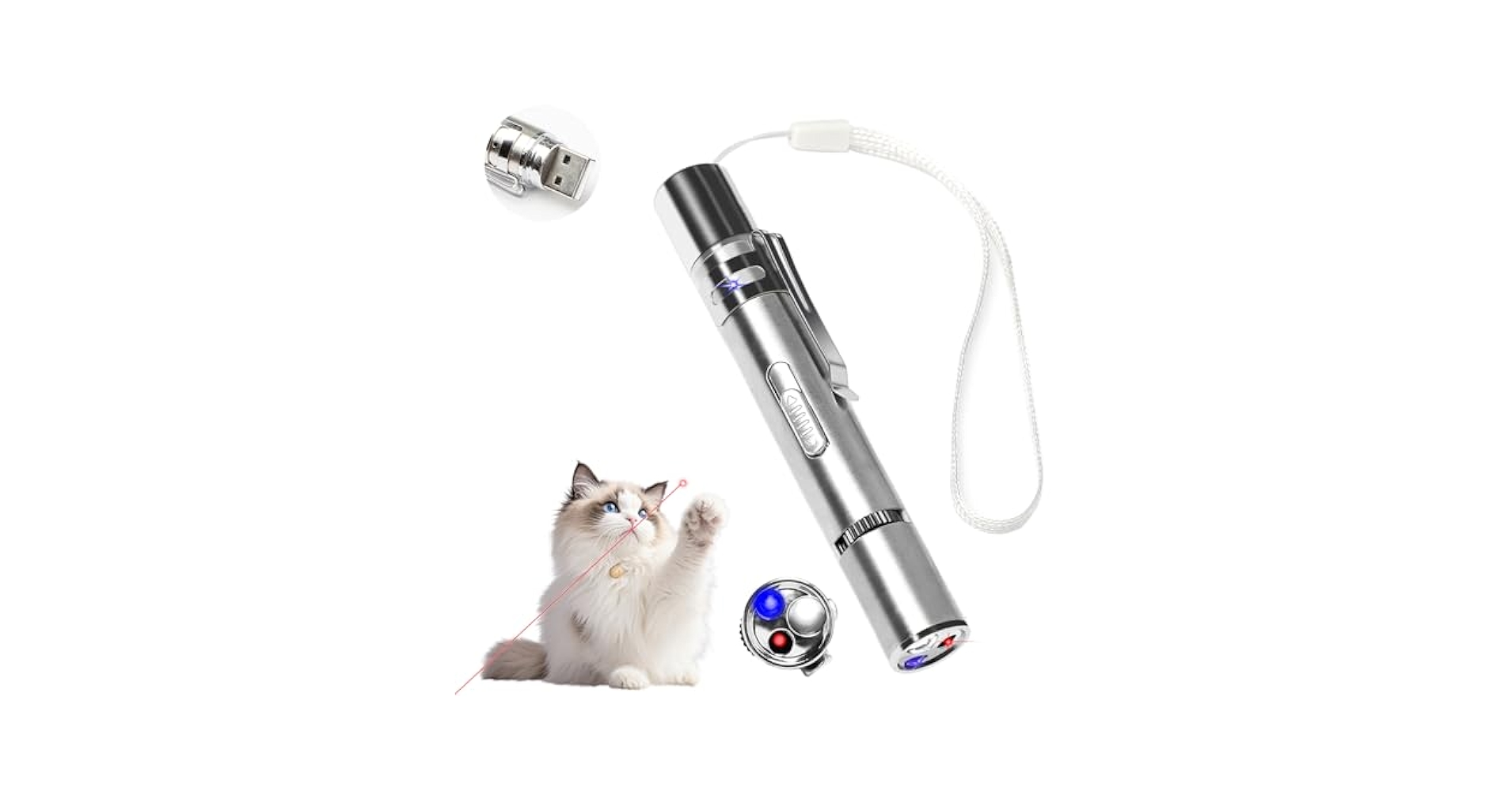
Have you ever watched your cat chase that tiny red dot from a laser pointer and wondered if they actually know it’s just a toy? It’s fascinating to see them pounce, dart, and spin with such focus and energy.
But what’s really going on in their mind? Are they aware it’s not real, or are they just caught up in the thrill? If you want to understand your furry friend better and make playtime more fun and safe, keep reading.
You’ll discover surprising facts that will change how you see your cat’s favorite game forever.
Cat Behavior With Laser Pointers
Watching a cat chase a laser pointer is a fascinating glimpse into their natural instincts. But what exactly is happening in your cat’s mind during the game? Understanding how cats behave with laser pointers can help you make playtime both fun and safe for your furry friend.
Chasing Instincts Triggered
Laser pointers tap directly into your cat’s hunting instincts. The quick, unpredictable movements mimic the way small prey scurries, prompting your cat to pounce and chase.
Even indoor cats, who rarely hunt, can’t resist this trigger. The laser’s movement activates their natural drive to stalk and capture, which is why you often see intense focus and sudden bursts of energy.
Signs Of Play Versus Hunting
How can you tell if your cat sees the laser as a toy or real prey? Watch their body language closely.
- Play:Your cat may pause and look around for you, or engage in other playful behaviors like batting at the spot or rolling over.
- Hunting:You’ll notice a rigid body, low crouch, and intense, fixed gaze with minimal distraction.
Sometimes the line blurs, but recognizing these signs helps you decide when to slow down or switch activities.
How Cats React Differently
Not every cat reacts to laser pointers the same way. Some become obsessed, chasing endlessly without satisfaction. Others might lose interest quickly or even get frustrated.
In my experience, one of my cats would chase the light fiercely but stop abruptly, looking confused—almost as if wondering why she never catches it. This shows that some cats understand the laser is a game, while others might see it as an unsolvable challenge.
Have you noticed your cat’s unique reaction? Observing their behavior can guide you to tailor play sessions that keep them happy and stress-free.
Do Cats Recognize The Laser?
Do cats recognize the laser? It’s a question many cat owners ponder as they watch their feline friends chase that elusive red dot. At first glance, it may seem that cats are fully aware that the laser is just a game. But is it really that simple? Let’s dive into the intriguing world of cat perception and unravel the mystery behind their fascination with laser pointers.
Understanding Cat Perception
Cats see the world differently than we do. Their eyes are adapted for low light and quick movements. They are excellent at detecting motion, which is why a swiftly moving laser captures their attention. The rapid flicker of the laser mimics the erratic movement of prey, triggering their hunting instincts.
However, unlike humans, cats do not see colors in the same way. The red dot may not appear as vividly to them, but its movement is enough to spark their curiosity. Have you ever noticed how your cat sits transfixed, even if the laser isn’t moving? This suggests that their fascination is not just about color, but movement and unpredictability.
Visual Tracking Abilities
Cats are natural predators, equipped with exceptional visual tracking abilities. They can follow fast-moving objects with precision, making them adept hunters. When a laser zips across the floor, their eyes and body work in harmony to track it.
But why do they seem to lose interest if the laser stops moving? This is because their brains are wired to respond to movement. A stationary dot doesn’t provide the same thrill. Next time you’re playing with your cat, try varying the speed and direction to keep them engaged. Do you notice a difference in their excitement?
Distinguishing Real Prey From Light
One of the fascinating aspects of a cat’s interaction with lasers is their ability to distinguish between real prey and a mere light. Although they may chase the dot with enthusiasm, they eventually realize it’s intangible. This realization doesn’t deter them from the chase, though. The thrill of the hunt is often enough to keep them engaged.
Some cats may even try to paw at the light source, attempting to understand its origin. Have you ever caught your cat investigating the laser pointer itself? This behavior highlights their curiosity and problem-solving skills. It’s a playful reminder that while they may be fooled temporarily, their instincts are sharp and always on the lookout for the next adventure.
- Have you noticed your cat’s reaction to a stationary laser?
- Does your cat seem to understand the difference between real and light-based prey?
- How does your cat respond when the laser pointer is introduced during playtime?
These observations not only enhance our understanding of feline behavior but also enrich the bond we share with our pets. Next time you pick up a laser pointer, remember that it’s not just a toy—it’s a window into the complex and fascinating world of your cat’s perception.
Why Cats Love Laser Pointers
Understanding why cats love laser pointers helps you see more clearly how these simple toys can spark so much excitement in your furry friend. It’s not just about chasing a dot of light; it taps into deep instincts and offers valuable physical and mental benefits.
Stimulating Natural Predatory Drive
Laser pointers mimic the quick, erratic movements of prey, triggering your cat’s hunting instincts. Cats are natural hunters, and the darting light gives them a target to stalk and chase.
Have you noticed how your cat’s eyes widen and their body tenses just before a pounce? This is their brain responding to a simulated hunt, which keeps their predatory skills sharp.
Exercise And Mental Engagement
Chasing a laser pointer encourages your cat to move around, jump, and sprint, helping them stay physically fit. It’s a fun way to add exercise without needing a lot of space or equipment.
Mentally, your cat stays alert and focused on following the unpredictable path of the light. This mental stimulation can reduce boredom and prevent unwanted behaviors caused by inactivity.
Interactive Play Benefits
Laser pointer play strengthens the bond between you and your cat through shared activity. Your involvement makes the game more exciting and satisfying for your pet.
Playing together also helps reduce stress and anxiety for your cat. You can easily turn a few minutes of laser play into a meaningful routine that supports your cat’s overall wellbeing.

Credit: catit.ca
Potential Downsides Of Laser Play
Laser pointers can be fun for cats, but they come with some risks. It is important to understand these downsides before playing. Cats may react differently to laser play, and some effects can harm their well-being.
Frustration From Uncatchable Prey
Laser dots move fast and never stop for cats to catch. This can cause frustration and stress. Cats enjoy hunting and catching prey. When they cannot catch the light, they may feel confused or upset. This can lead to boredom or even behavior problems.
Eye Safety Concerns
Laser beams can harm cat’s eyes if shined directly. The light is very bright and can damage the retina. Cats may not avoid the beam quickly enough. Always avoid pointing the laser near their eyes. Use laser pointers with low power to reduce risks.
Balancing Play With Other Toys
Laser play should not be the only way cats exercise. They need toys they can catch and touch. Physical toys help cats use their claws and teeth. Mixing laser play with real toys keeps cats happy. It also supports their natural hunting instincts.
Tips For Safe And Fun Laser Play
Laser pointers can be a fantastic way to engage your cat’s hunting instincts and provide them with active playtime. However, there are important safety tips to keep in mind to make sure the experience is enjoyable and safe for your furry friend. These simple tips help you avoid potential risks and ensure your cat stays happy and healthy while chasing that elusive red dot.
Avoid Shining In Eyes
Never point the laser directly into your cat’s eyes. The intense light can cause discomfort and even damage their vision over time. Instead, aim the laser at the floor or walls where your cat can safely chase the dot without risk.
End With Tangible Toys
Cats need to feel a sense of accomplishment after laser play. If the game ends abruptly with no catch, your cat might get frustrated. Finish the session by letting your cat catch a physical toy like a feather or small ball to satisfy their natural hunting instincts.
Short Play Sessions
Keep laser play sessions brief—around 5 to 10 minutes. This prevents overstimulation and helps maintain your cat’s interest without causing stress. Short bursts of play are more fun and healthier than long, tiring chases.

Credit: www.amazon.com
Alternative Toys For Cats
Cats need more than just laser pointers to stay happy and active. Alternative toys offer variety and mental stimulation. They keep cats engaged and prevent boredom. These toys also encourage natural hunting and playing instincts. Explore some great options that provide fun and exercise.
Interactive Wand Toys
Interactive wand toys are great for bonding with your cat. They mimic the movement of birds or small animals. Cats love to chase and pounce on the feathers or strings. These toys promote exercise and help reduce stress. Moving the wand in different ways keeps cats interested and sharp.
Puzzle Feeders And Treat Games
Puzzle feeders challenge cats to work for their food. They encourage problem-solving and slow down eating. Treat games reward cats for using their brains. These toys provide mental stimulation and reduce boredom. They also help maintain a healthy weight by controlling portions.
Diy Cat Toys
DIY cat toys are fun and easy to make at home. Simple items like paper balls or cardboard boxes can entertain cats. Use string, cotton balls, or old socks for more creative toys. Homemade toys save money and allow customization. Cats enjoy new textures and shapes to explore.

Credit: www.walmart.com
Frequently Asked Questions
Do Cats Understand Laser Pointers Are Toys?
Cats do not fully understand laser pointers as toys. They see the light as prey, triggering hunting instincts. This makes laser pointers effective for play, but cats may get frustrated as they cannot catch the light.
Why Do Cats Chase Laser Pointer Lights?
Cats chase laser pointers due to their natural hunting drive. The fast-moving light mimics prey, stimulating their instinct to stalk and pounce. This activity provides mental and physical exercise, keeping cats engaged and entertained.
Can Laser Pointer Play Harm Cats?
Laser pointer play is generally safe but can cause frustration. Cats may become stressed if they never catch the light. It’s best to end play with a tangible toy to satisfy their hunting urges.
How To Use Laser Pointers Safely With Cats?
Use laser pointers briefly and avoid shining in cats’ eyes. Always follow up with a physical toy to catch. Monitor your cat’s behavior and stop if signs of stress appear.
Conclusion
Cats chase laser pointers because they see the moving light as prey. They do not understand it is a toy but enjoy the hunt. This playful behavior helps keep them active and sharp. Using laser pointers can be fun, but watch for signs of frustration.
Give your cat other toys to catch and hold. This keeps playtime healthy and satisfying. Remember, a happy cat needs variety and safe play. Keep your pet engaged and enjoy the fun moments together.



Leave a Reply