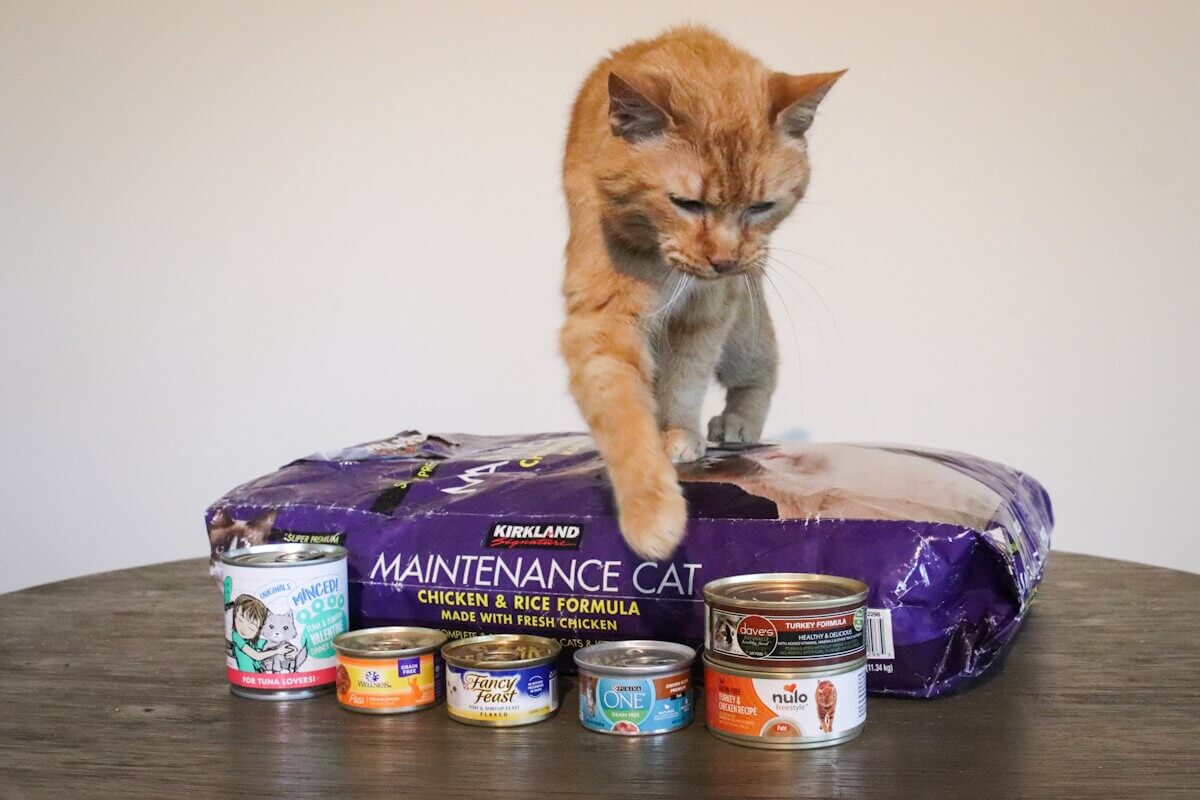
Are you wondering what the best food for your adult cat is? Choosing the right diet can feel overwhelming with so many options available.
But the truth is, what you feed your cat directly affects their health, energy, and happiness. You’ll discover simple, clear answers to help you pick the perfect food that keeps your feline friend thriving. Keep reading to make sure your cat gets the nutrition they truly deserve.
Nutritional Needs Of Adult Cats
Understanding the nutritional needs of adult cats is key to keeping your feline friend healthy and active. Cats have unique dietary requirements that differ from other pets. Meeting these needs ensures they get the energy and nutrients required for daily life and long-term wellbeing.
Essential Nutrients For Cats
Cats are obligate carnivores, meaning their diet must include specific nutrients found primarily in animal tissues. These essential nutrients include amino acids, fatty acids, vitamins, and minerals. Without them, your cat can develop serious health problems.
Think about taurine, an amino acid only found in meat. Lack of taurine can cause heart and vision issues in cats. This highlights why plant-based diets can’t fully support your cat’s health.
Protein Requirements
Protein is the cornerstone of a cat’s diet. Your cat needs high-quality protein to maintain muscles, skin, and organ function. Unlike many animals, cats require a higher amount of protein daily, around 26-30% of their diet.
Look for foods with named meat sources like chicken, beef, or fish listed as the first ingredient. Avoid generic terms like “meat meal” without specifics, as protein quality varies greatly.
Fats And Fatty Acids
Fats provide concentrated energy and help absorb fat-soluble vitamins like A, D, E, and K. Your cat’s diet should include omega-3 and omega-6 fatty acids to support skin health, brain function, and inflammation control.
Fish oil is a great source of omega-3s, while chicken fat supplies omega-6s. If you notice your cat’s coat looking dull or dry, their fat intake might need adjustment.
Vitamins And Minerals
Vitamins and minerals play vital roles in your cat’s metabolism, immune system, and bone health. Important vitamins include B-complex, vitamin A, and vitamin D. Essential minerals include calcium, phosphorus, and potassium.
Too much or too little of these can cause health issues. Commercial cat foods are usually balanced, but if you prepare homemade meals, you must be very careful to include the right amounts.
Types Of Cat Food
Choosing the right type of food for your adult cat can feel overwhelming with so many options available. Each type offers distinct benefits and drawbacks depending on your cat’s health, preferences, and lifestyle. Understanding these differences helps you make a choice that keeps your feline friend happy and healthy.
Dry Food Benefits And Drawbacks
Dry cat food is popular because it’s easy to store and usually more affordable. It also helps keep your cat’s teeth clean by reducing tartar buildup through the crunching action.
However, dry food often contains more carbohydrates and less moisture, which may not be ideal for cats prone to urinary issues or dehydration. Have you noticed if your cat drinks enough water when eating mostly dry food?
Wet Food Advantages
Wet food contains high moisture content, which supports hydration and urinary tract health. It’s also typically more palatable, making it great for picky eaters or cats needing extra encouragement to eat.
The downside is that wet food is more expensive and spoils quickly once opened. Do you find that your cat prefers wet food during warmer months or when they need a little extra care?
Raw And Homemade Diets
Raw or homemade diets offer control over ingredients, helping you avoid fillers and additives. Many owners report shinier coats and increased energy when switching to these diets.
But preparing balanced meals at home requires knowledge and time to avoid nutritional gaps. Would you consider consulting a vet nutritionist before trying a homemade diet to ensure your cat gets everything they need?
Specialty And Prescription Diets
Specialty diets target specific health issues like kidney disease, allergies, or weight management. These foods are formulated with precise nutrient profiles to support your cat’s medical needs.
Prescription diets require vet approval, so your cat’s condition should be diagnosed before starting. Have you discussed with your vet whether a special diet could benefit your cat’s overall health?
Choosing Quality Ingredients
Choosing quality ingredients is key to feeding your adult cat well. The right components not only provide essential nutrients but also support your cat’s overall health and energy. Understanding what goes into your cat’s food helps you make smarter choices that match their needs.
Animal-based Proteins
Your cat is a natural carnivore, so animal-based proteins should be the main ingredient in their food. Look for specific meats like chicken, turkey, or fish listed at the top of the ingredient list. Proteins from animals contain the amino acids your cat needs to build strong muscles and maintain healthy fur.
Have you noticed how your cat perks up after a meal rich in real meat? That’s because they absorb nutrients better from animal proteins than from plant-based ones. Choosing foods with named meat sources ensures your cat gets the best fuel for their body.
Grain-free Vs Grain-inclusive
There’s often debate about whether cat food should include grains. Some cats do well on grain-free diets, especially if they have allergies or sensitivities. Others digest grains like rice or oats without any issues, and these can provide a good source of energy and fiber.
Think about your cat’s lifestyle and health. Is your cat overweight or prone to digestive problems? Grain-free might help. But if your cat is active and healthy, including quality grains can be beneficial. Always check how your cat responds after trying new foods.
Avoiding Fillers And Additives
Fillers like corn, wheat, and soy add bulk but offer little nutritional value. These ingredients can sometimes cause allergies or digestive upset. Avoid foods that rely heavily on fillers to stretch the recipe.
Artificial colors, flavors, and preservatives don’t add any benefit to your cat’s health. Look for products with natural ingredients and minimal additives. Your cat’s body will thank you for clean nutrition without unnecessary chemicals.
Importance Of Taurine
Taurine is an essential amino acid that cats cannot produce enough of on their own. It plays a vital role in heart health, vision, and reproduction. Without enough taurine, cats can develop serious health problems.
Check the label to ensure taurine is included or that the food contains adequate animal proteins that naturally provide it. Have you ever wondered why some cats develop eye issues? It often links back to taurine deficiency. Prioritize foods that support these critical needs.
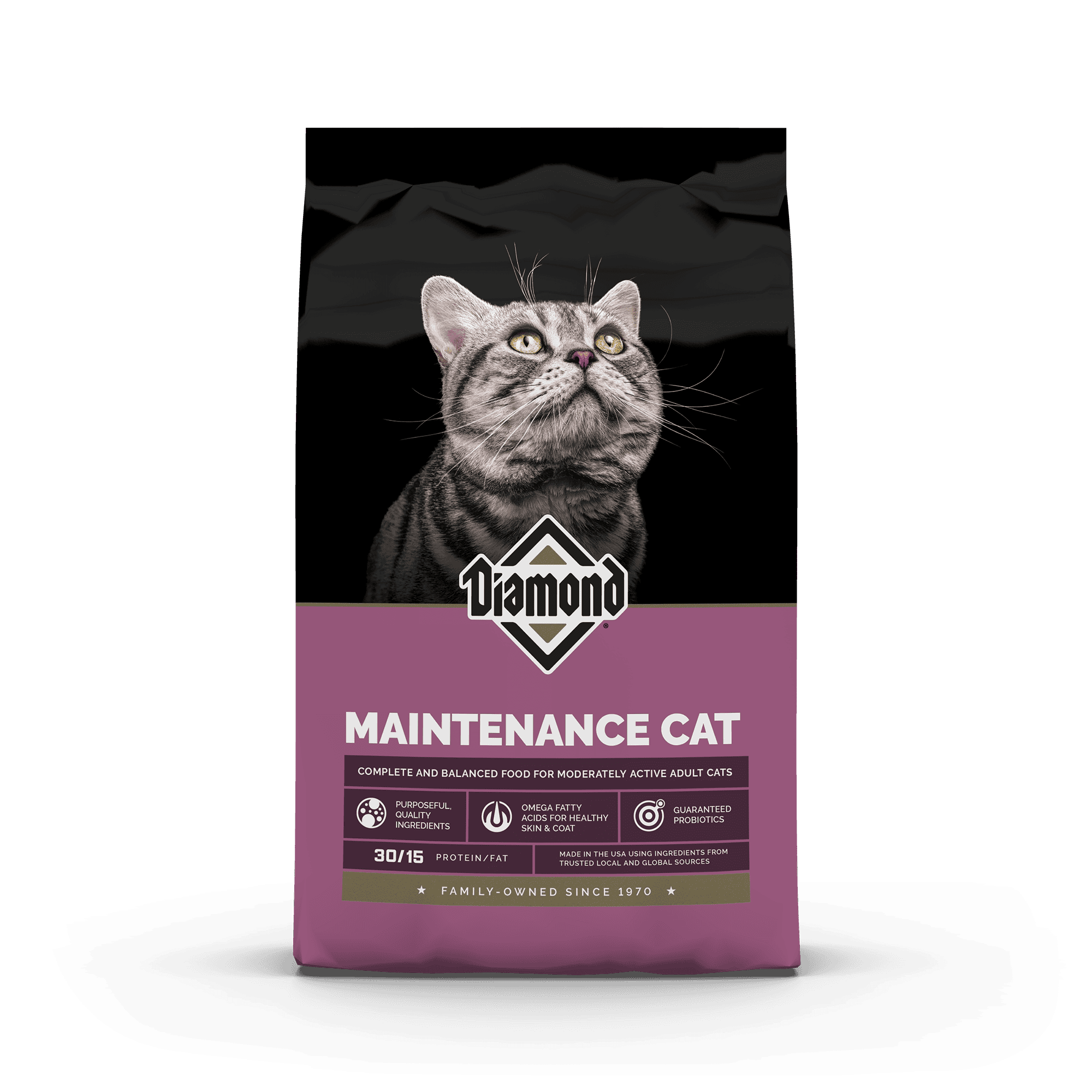
Credit: www.diamondpet.com
Reading Cat Food Labels
Understanding cat food labels is key to choosing the best nutrition for your adult cat. Labels hold a lot of information, but they can also be confusing or misleading. Learning how to read them carefully helps you make smarter choices and avoid ingredients that don’t benefit your cat’s health.
Interpreting Ingredient Lists
The ingredient list shows what’s actually inside the food, starting with the most abundant item. Look for named meat sources like chicken, turkey, or salmonrather than vague terms like “meat by-products.”
Ingredients are listed by weight before cooking, so water-rich items might appear higher even if they provide less actual nutrition. You might see fillers like corn or wheat, which offer little value and sometimes cause allergies.
Have you ever noticed “animal digest” on a label? It’s a catch-all term that can include low-quality parts. Choosing foods with clear, specific ingredients means you know exactly what your cat is eating.
Understanding Guaranteed Analysis
The guaranteed analysis gives you percentages of nutrients like protein, fat, fiber, and moisture. Protein is especially important for cats, who need a high-protein diet to stay healthy.
Check that the protein content is appropriate for adult cats—usually around 30% or higher on a dry matter basis. Fat provides energy, but too much can lead to weight gain. Fiber helps digestion but shouldn’t be too high.
Remember, moisture content affects these numbers. Wet foods have more water, so protein and fat percentages appear lower than in dry foods but can still meet your cat’s needs.
Recognizing Marketing Terms
Labels often use marketing terms like “natural”, “premium”, or “holistic”to catch your eye. These words can sound impressive but often have no strict legal meaning.
“Grain-free” might seem healthier but doesn’t always mean better nutrition for every cat. Sometimes grains are replaced with other carbohydrates that provide similar calories.
Ask yourself: does the label provide concrete information or just fancy words? Focus on clear facts like ingredient quality and nutrient levels rather than marketing buzzwords.
Feeding Tips For Adult Cats
Feeding adult cats the right way helps keep them healthy and active. Proper feeding supports their energy, digestion, and weight. Small changes in feeding habits make a big difference in their well-being.
Portion Control And Feeding Frequency
Feed cats based on their weight and activity level. Overfeeding causes obesity, which leads to health problems. Split the daily food amount into two or three meals. This keeps their energy steady and prevents overeating. Use a measuring cup to give exact portions. Avoid free-feeding dry food all day.
Hydration And Water Intake
Water is essential for cats’ kidney and urinary health. Always provide fresh, clean water nearby. Some cats prefer running water, so consider a cat water fountain. Wet cat food also helps increase fluid intake. Watch for signs of dehydration like dry gums or lethargy.
Transitioning Between Foods
Change cat food slowly to avoid stomach upset. Mix small amounts of new food with the old food. Increase new food gradually over 7 to 10 days. Observe your cat’s reaction to the new diet. Stop if vomiting or diarrhea happens, and consult a vet.
Monitoring Cat’s Health And Weight
Track your cat’s weight regularly. Use a scale or visit the vet for accuracy. Notice changes in appetite or behavior. Keep an eye on their coat and energy level. Regular vet check-ups help catch health issues early. Adjust food portions as your cat’s needs change.
Common Food Allergies And Sensitivities
Cats can have food allergies and sensitivities just like humans. These reactions are often triggered by certain ingredients. Common allergens include beef, dairy, and fish. Symptoms can range from mild to severe. Recognizing these is essential for your cat’s health.
Identifying Allergic Reactions
Watch for signs of allergies in your cat. Common symptoms include itching, vomiting, and diarrhea. You might also notice sneezing or coughing. If your cat shows any of these signs, consult a vet. Early detection is crucial for treatment.
Elimination Diets
Elimination diets help identify food allergies. Start by removing suspected allergens from your cat’s diet. Gradually reintroduce them one at a time. Monitor your cat’s reactions closely. This method can pinpoint specific triggers. Consult your vet for guidance during this process.
Alternatives For Sensitive Cats
Choose hypoallergenic food for sensitive cats. These foods contain novel proteins and limited ingredients. Options like duck, lamb, or venison are less likely to cause reactions. Grain-free options can also benefit cats with sensitivities. Always read labels carefully. Consider discussing options with your vet for best results.
Popular Cat Food Brands
Choosing the right food brand can make a big difference in your cat’s health and happiness. Popular cat food brands often stand out for their quality ingredients and nutritional balance. Knowing which brands consistently deliver can help you make confident choices for your adult cat.
Top-rated Dry Foods
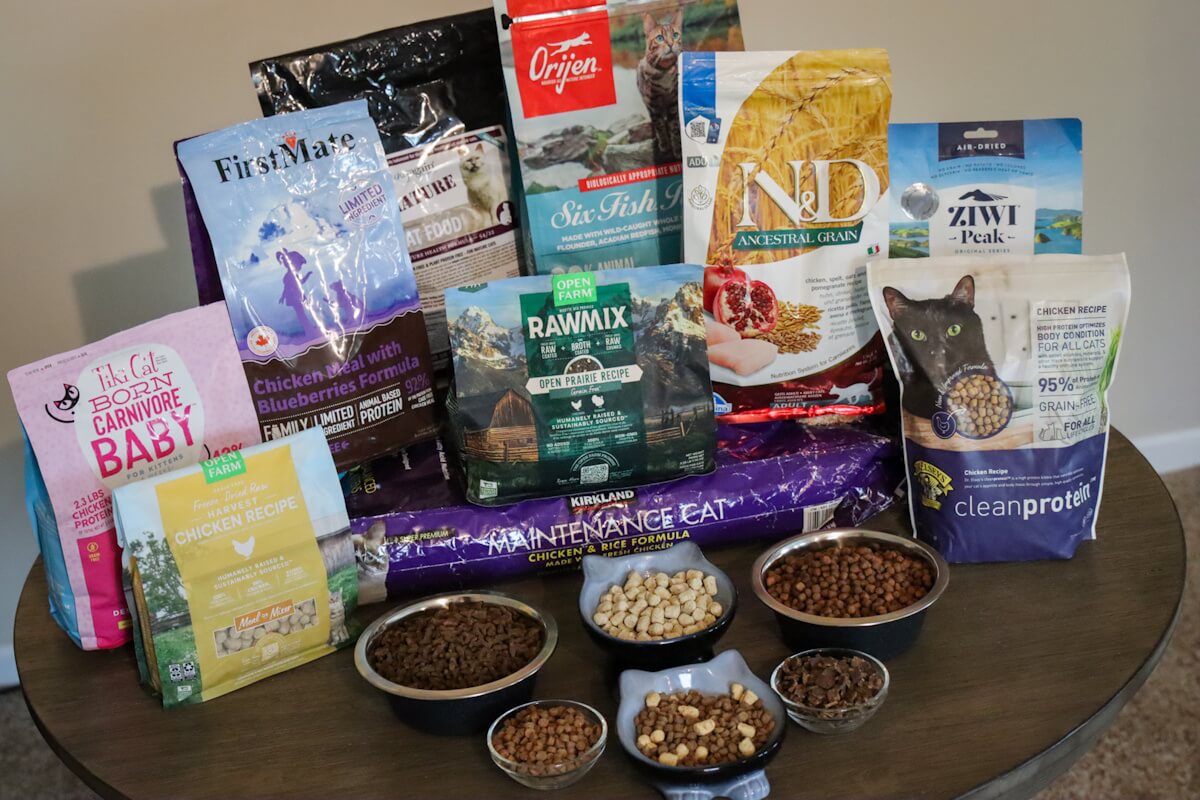
Dry food is convenient and helps keep your cat’s teeth clean. Brands like Orijenand Blue Buffaloare known for high protein content and natural ingredients.
- Orijen:Uses fresh regional ingredients and offers grain-free options.
- Blue Buffalo:Includes real meat and avoids artificial preservatives.
- Hill’s Science Diet:Recommended by many vets for balanced nutrition.
Have you noticed how some cats prefer crunchy kibble over wet food? Trying these brands might help you find the right texture and nutrition combo.
Best Wet Food Options
Wet food boosts hydration and tends to be more palatable for picky eaters. Brands such as Wellness COREand Fancy Feastoffer a variety of flavors with quality ingredients.
- Wellness CORE:Grain-free with high protein and no fillers.
- Fancy Feast:Affordable and comes in many taste options.
- Weruva:Known for human-grade ingredients and real meat chunks.
Switching to wet food even occasionally can improve your cat’s hydration. What flavors does your cat enjoy most?
Recommended Raw Diet Brands
Raw diets mimic what cats eat in the wild and can improve coat shine and energy levels. Brands like Primal Pet Foodsand Stella & Chewy’sprovide safe, balanced raw meals.
- Primal Pet Foods:Uses organic vegetables and antibiotic-free meats.
- Stella & Chewy’s:Offers freeze-dried raw patties for easy feeding.
- Nature’s Variety Instinct:Focuses on raw nutrition with added vitamins.
Thinking about trying raw food? Start slow and observe how your cat reacts to the change.
Credit: cats.com

Credit: www.businessinsider.com
Frequently Asked Questions
What Nutrients Are Essential In Adult Cat Food?
Adult cat food should contain protein, taurine, fats, vitamins, and minerals. Protein supports muscle health, while taurine aids vision and heart function. Balanced fats provide energy, and vitamins and minerals support overall wellbeing.
How To Choose The Best Wet Or Dry Cat Food?
Choose based on your cat’s preference, hydration needs, and dental health. Wet food offers moisture, while dry food supports teeth cleaning. Look for high protein and low fillers in both types for balanced nutrition.
Can Adult Cats Eat Homemade Food Safely?
Yes, homemade food can be safe if it’s balanced. Include protein, fats, vitamins, and minerals. Consult a vet or pet nutritionist to ensure recipes meet all nutritional needs and avoid deficiencies.
How Often Should I Feed My Adult Cat?
Feed adult cats twice daily in measured portions. This routine helps maintain healthy weight and digestion. Avoid free-feeding to prevent overeating and obesity.
Conclusion
Choosing the best food for adult cats keeps them healthy and happy. Protein-rich meals support strong muscles and energy. Balanced nutrients help maintain a shiny coat and good digestion. Avoid foods with fillers and artificial additives. Fresh water is important alongside their meals.
Watch your cat’s weight to prevent health issues. Every cat is different, so observe what suits yours best. Good nutrition helps your cat live a longer, active life. Simple, quality food makes a big difference daily. Care for your cat with smart food choices.



Leave a Reply