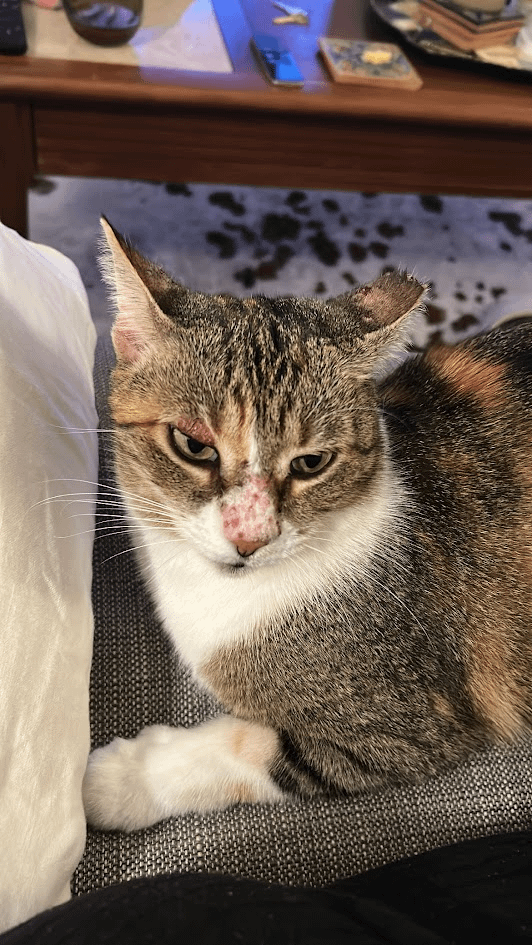
Have you ever noticed your cat licking itself more than usual? When a cat over grooms, it might seem like they’re just staying extra clean.
But what if it’s actually a sign of something deeper? Understanding why your cat is over grooming can help you keep them happy and healthy. You’ll discover what over grooming really means, what causes it, and how you can help your furry friend feel better.
Keep reading—your cat’s well-being depends on it.
:strip_icc()/the-kitty-1011094438-5c3d1af5c9e77c00015e66a6.jpg)
Credit: www.thesprucepets.com
Causes Of Excessive Grooming
Excessive grooming in cats can signal underlying issues. It is important to understand the causes to address the problem correctly. Over grooming can harm a cat’s skin and coat if not managed well. Several factors lead to this behavior, ranging from physical to emotional triggers.
Stress And Anxiety
Stress is a common cause of over grooming in cats. Changes in the environment or routine can upset them. Loud noises, new pets, or moving homes create anxiety. Grooming acts as a coping mechanism to relieve stress. Persistent anxiety may cause the cat to groom excessively.
Allergies And Skin Conditions
Allergies often cause itching and discomfort in cats. Food ingredients, pollen, or dust mites can trigger reactions. Skin conditions like dermatitis also lead to frequent grooming. Cats lick to soothe irritated or inflamed skin areas. Identifying allergies or skin issues helps reduce over grooming.
Parasites And Infections
Fleas, ticks, and mites are common parasites causing irritation. These pests make cats scratch and groom more than usual. Skin infections can develop from constant licking or biting. Parasite control and treatment of infections stop excessive grooming. Regular vet checks help detect these problems early.
Boredom And Behavioral Issues
Lonely or bored cats may over groom to pass time. Lack of mental and physical stimulation leads to this behavior. Cats need playtime and interaction to stay healthy. Over grooming can become a habit or compulsive act. Enriching the cat’s environment reduces boredom and grooming problems.
Common Signs Of Over Grooming
Over grooming in cats can signal stress or health problems. Recognizing common signs helps catch issues early. Notice changes in your cat’s grooming habits. These signs often point to discomfort or anxiety.
Hair Loss And Bald Patches
Look for areas where fur is missing or thin. Cats usually have smooth, shiny coats. Bald patches show excessive licking or biting. These spots may appear on the belly, legs, or tail.
Redness And Irritation
Check for red, inflamed skin under the fur. Over grooming can cause raw or sore spots. The skin might look dry or flaky. These signs suggest irritation or allergies.
Frequent Licking And Biting
Notice if your cat licks or bites one area nonstop. This behavior goes beyond normal grooming. It may cause wounds or scabs. Such persistent licking often means discomfort or stress.
Changes In Behavior
Watch for shifts in mood or activity. Your cat might become withdrawn or restless. Over grooming often links to anxiety or pain. Behavioral changes can help spot the problem early.
Health Risks Linked To Over Grooming
Excessive grooming in cats can cause skin irritation and hair loss. This behavior might lead to infections or wounds if not addressed promptly. Over grooming signals stress or health problems needing attention.
Cats often over groom due to stress or medical conditions. This behavior can lead to various health problems. Over grooming might seem harmless, but it poses serious risks. Understanding these risks helps in keeping your furry friend healthy.Skin Infections
Excessive grooming can remove natural oils from the skin. This causes dryness and irritation. Such conditions create a perfect environment for bacteria. Bacterial infections can develop quickly. They cause redness, swelling, and discomfort. If not treated, these infections worsen.Wounds And Scarring
Cats may bite or scratch themselves while over grooming. This leads to open wounds. Open wounds are vulnerable to infections. Continuous grooming prevents healing. Over time, this results in scarring. Scarring can be painful and unsightly. It also affects the cat’s skin texture.Stress-related Illnesses
Over grooming is often linked to stress. Stress weakens a cat’s immune system. A weak immune system invites various illnesses. Stress can also lead to behavioral changes. These changes affect a cat’s overall well-being. Addressing stress is crucial for preventing further health issues.
Credit: pennypaws.com
How To Help A Cat That Over Grooms
Over grooming in cats can be worrying to witness. It’s not just about a little extra licking; it can lead to hair loss, skin irritation, and even infections. Understanding how to help your cat through this behavior is crucial for their health and happiness.
Veterinary Diagnosis
Your first move should be a visit to the vet. Over grooming often signals underlying health issues like allergies, parasites, or skin infections. A vet can run tests to pinpoint the cause and recommend the right treatment.
Don’t ignore subtle signs like redness or bald patches. Early diagnosis can prevent more serious problems. Have you noticed your cat licking more after a new food or a change in their environment?
Environmental Enrichment
Boredom can push cats to over groom as a way to entertain themselves. Adding toys, scratching posts, and interactive playtime can redirect their energy. Cats love challenges, so puzzle feeders or hiding treats can be great.
Try rotating toys regularly to keep things fresh. A cat with a stimulating environment often feels less anxious and less likely to over groom. What small changes can you make today to brighten your cat’s day?
Stress Reduction Techniques
Stress is a major trigger for over grooming. Create a calm space where your cat feels safe and secure. Soft bedding, quiet corners, and even pheromone diffusers can help reduce anxiety.
Spend quality time with your cat through gentle petting or quiet companionship. Sometimes, simply being present can soothe their nerves. Have you observed if your cat’s grooming spikes during loud noises or changes at home?
Medications And Treatments
In some cases, vets may suggest medications like anti-anxiety drugs or topical treatments. These can help manage symptoms while addressing the root cause. Always follow your vet’s instructions carefully.
Don’t hesitate to ask questions about side effects or how long treatment might last. Your commitment to the treatment plan plays a huge role in your cat’s recovery. Could a tailored treatment plan be the key to stopping your cat’s over grooming?
Preventing Over Grooming In Cats
Preventing over grooming in cats helps maintain their health and comfort. Over grooming can cause skin problems and hair loss. Taking simple steps can reduce stress and keep your cat happy. Focus on regular care and attention to stop over grooming early.
Regular Vet Checkups
Schedule vet visits to catch health issues early. Skin infections or allergies may cause over grooming. Your vet can recommend treatments or special shampoos. Regular checkups help keep your cat healthy and comfortable.
Proper Nutrition And Hydration
Feed a balanced diet rich in essential nutrients. Poor nutrition can lead to dry skin and itching. Fresh water should always be available. Good nutrition supports healthy skin and fur, reducing grooming needs.
Interactive Playtime
Play with your cat daily to reduce boredom and stress. Toys and games keep them active and engaged. Physical activity distracts from excessive grooming habits. Spend quality time to strengthen your bond and relax your cat.
Creating A Calm Environment
Provide a quiet and safe space for your cat. Loud noises and sudden changes cause anxiety. Use soft bedding and hiding spots for comfort. A calm environment lowers stress, helping prevent over grooming.
Credit: www.preventivevet.com
Frequently Asked Questions
What Does Cat Over Grooming Indicate?
Cat over grooming often signals stress, anxiety, or skin irritation. It can also indicate allergies or parasites. Observing your cat’s behavior helps identify underlying causes. Addressing these issues improves your cat’s health and comfort.
How Can I Stop My Cat From Over Grooming?
To stop over grooming, reduce your cat’s stress and anxiety. Provide a calm environment and enrich playtime. Consult a vet for allergies or skin problems. Behavioral therapy and medications may be recommended for severe cases.
Is Over Grooming Harmful To Cats?
Yes, over grooming can cause bald patches, skin infections, and sores. It damages the skin’s protective barrier, leading to discomfort. Early intervention prevents worsening conditions and promotes healing. Monitor your cat’s grooming habits closely.
Can Diet Affect Cat Grooming Behavior?
Yes, poor diet or allergies can trigger over grooming. Nutritional deficiencies or food sensitivities cause skin irritation. Feeding a balanced, hypoallergenic diet may reduce symptoms. Consult your vet before changing your cat’s diet.
Conclusion
Cats over grooming can signal stress or health problems. Watch for bald spots or sores on their skin. These signs mean your cat may need help. Try to reduce stress and provide a calm space. Visit a vet to rule out any medical issues.
Understanding your cat’s behavior keeps them happy and healthy. Remember, early action can prevent bigger problems. Caring for your cat shows you love them. Keep a close eye and act when needed. Your cat deserves comfort and care every day.

Leave a Reply