You want the best for your kitten, and that means feeding them the right food at the right time. But when exactly should you switch your kitten to adult cat food?
Making this change too early or too late can affect your cat’s health and growth. You’ll discover the key signs to look for and the perfect timing to make this important switch. Keep reading to ensure your furry friend stays happy, healthy, and full of energy every step of the way.
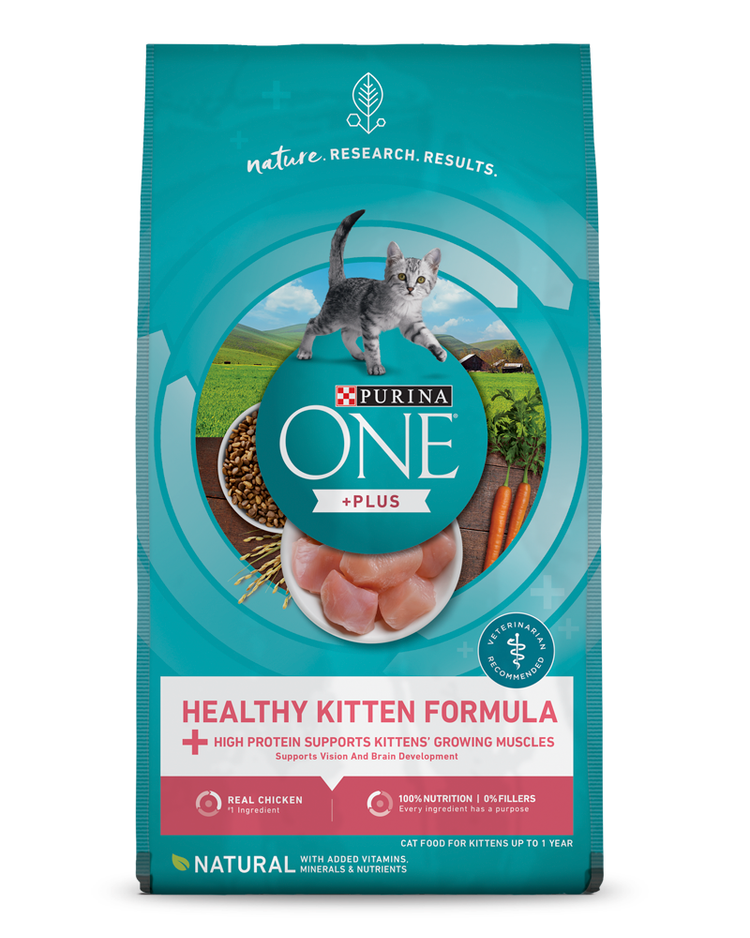
Credit: www.purina.com
Kitten Growth Stages
Understanding your kitten’s growth stages is essential before switching to adult cat food. Each phase in a kitten’s life demands specific nutrients that support their development. Recognizing these stages helps you provide the right diet at the right time, ensuring your kitten stays healthy and happy.
Newborn To Weaning
During the newborn phase, kittens rely entirely on their mother’s milk or a suitable milk replacement. This milk provides the perfect balance of nutrients, antibodies, and hydration. Around 4 weeks old, kittens start showing interest in solid food, marking the beginning of the weaning process.
At this stage, you can introduce soft, wet kitten food gradually. Mixing it with a little water or kitten milk formula makes it easier for them to eat. Patience is key—you’ll notice your kitten experimenting with different textures as they build eating skills.
Weaning To 6 Months
Once fully weaned, kittens enter a rapid growth phase where their energy needs skyrocket. High-protein, calorie-dense kitten food supports this intense development. You should feed them multiple small meals daily to keep up with their fast metabolism.
Watch your kitten’s weight and activity level closely. If they seem overly hungry or lethargic, it could indicate a need to adjust their food quantity or quality. This phase is crucial for muscle, bone, and brain growth, so quality nutrition matters more than ever.
6 Months To One Year
By six months, many kittens start slowing their growth. Their dietary needs begin to shift as their bodies prepare for adulthood. This is the time to slowly transition them from kitten food to adult cat food.
Try mixing adult food with kitten food over several weeks to ease the change. Keep an eye on their weight and coat condition during this transition. Is your kitten maintaining a healthy weight? That’s a good sign you’re on the right track.
Nutritional Needs Of Kittens
Kittens grow fast, and their nutritional needs are quite different from adult cats. Their bodies require more energy and specific nutrients to support rapid growth, strong bones, and a healthy immune system. Understanding what your kitten needs helps you decide the right time to switch to adult cat food.
Calories And Protein
Kittens need more calories than adult cats because they burn a lot of energy exploring and growing. High-quality kitten food usually contains about 30-40% more calories than adult food.
Protein is crucial for muscle development and overall growth. Look for foods that list meat as the first ingredient and provide at least 30% protein. Too little protein can slow your kitten’s growth, while the right amount helps build strong muscles and keeps them active.
Essential Vitamins And Minerals
Kittens need specific vitamins and minerals that support their development. Calcium and phosphorus are vital for strong bones and teeth, while taurine supports heart and eye health.
Vitamin A and D play important roles in immune function and bone growth. Make sure the food you choose includes these nutrients in balanced amounts. Have you checked your kitten’s food label recently to see if it meets these essential needs?
Signs Your Kitten Is Ready
Kittens ready for adult food usually weigh around 8 to 10 pounds. They start eating less often and seem less playful. Watch for changes in their teeth and appetite as signs to switch food.
Watching your kitten grow is an exciting journey, but knowing when to switch to adult cat food can be confusing. The transition is crucial for your pet’s health, and it’s essential to recognize the signs that your kitten is ready for this dietary change. Let’s explore the key indicators you should be aware of.Behavioral Changes
Kittens are known for their playful antics and boundless energy. As they mature, you might notice a shift in their activity levels. They may become more relaxed or show interest in activities that adult cats typically enjoy, like lounging in sunny spots or observing their surroundings with a calmer demeanor. You might also observe changes in their eating habits. Kittens ready for adult food often show less enthusiasm for their kitten kibble. If you find your furry friend sniffing around your adult cat’s bowl, it might be a sign they’re ready for a change.Physical Growth Indicators
One of the most apparent signs that your kitten is transitioning to adulthood is their size and weight. Generally, kittens reach about 90% of their adult size between 10 to 12 months. At this stage, their growth rate slows down, and their nutritional needs change. Check their teeth as well. Adult teeth start to replace baby teeth at around 6 months. If you notice this change, it’s a good indicator that their digestive system is also maturing, requiring a diet more suited to adult cats. Have you noticed any of these signs in your kitten? By observing these subtle yet significant changes, you can ensure a smooth transition to adult cat food, supporting your feline friend’s health and happiness.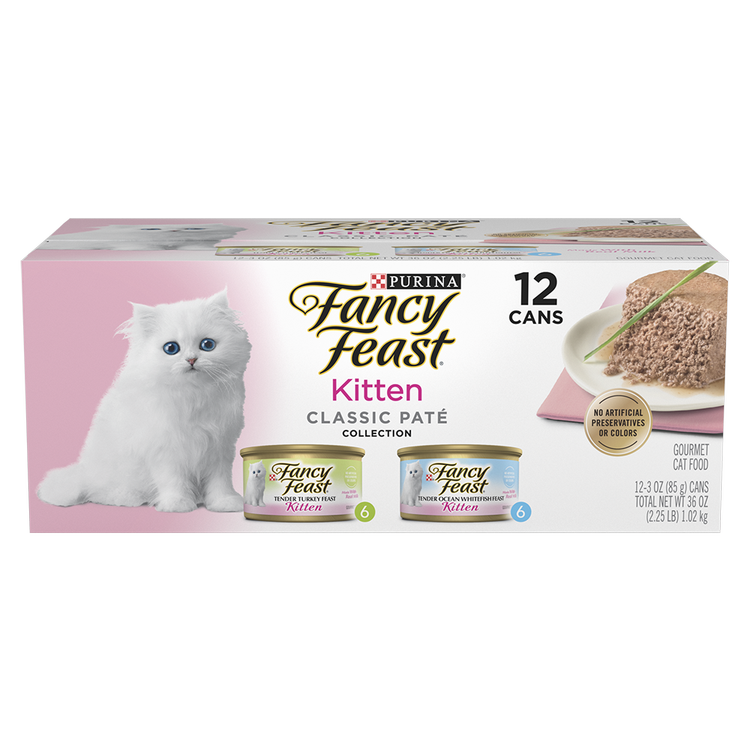
Credit: www.purina.com
Choosing The Right Adult Cat Food
Choosing the right adult cat food is key for your cat’s health and happiness. Adult cats need a diet that supports their energy and body functions. Their food should contain balanced nutrients for strong muscles, healthy skin, and a shiny coat.
Switching to adult cat food means selecting products that match your cat’s age, activity, and health. Quality ingredients help keep your cat active and prevent common health problems. Pay close attention to labels and ingredient lists for the best choices.
Ingredients To Look For
- High-quality animal protein such as chicken, turkey, or fish
- Essential fatty acids like omega-3 and omega-6 for skin and coat health
- Vitamins and minerals that support immune and bone health
- Fiber to aid digestion and maintain weight
- Natural antioxidants for overall well-being
Avoiding Common Allergens
- Grains like corn, wheat, and soy can cause allergies in some cats
- Artificial colors, flavors, and preservatives may trigger sensitivities
- Dairy products often upset adult cats’ stomachs
- Some cats react to beef or fish proteins
- Read ingredient lists carefully to spot potential allergens
Transitioning Tips
Switching your kitten to adult cat food needs care and patience. Sudden changes can upset their stomach. Follow these tips to make the transition smooth and safe. Watch your kitten closely during this time.
Gradual Mixing Method
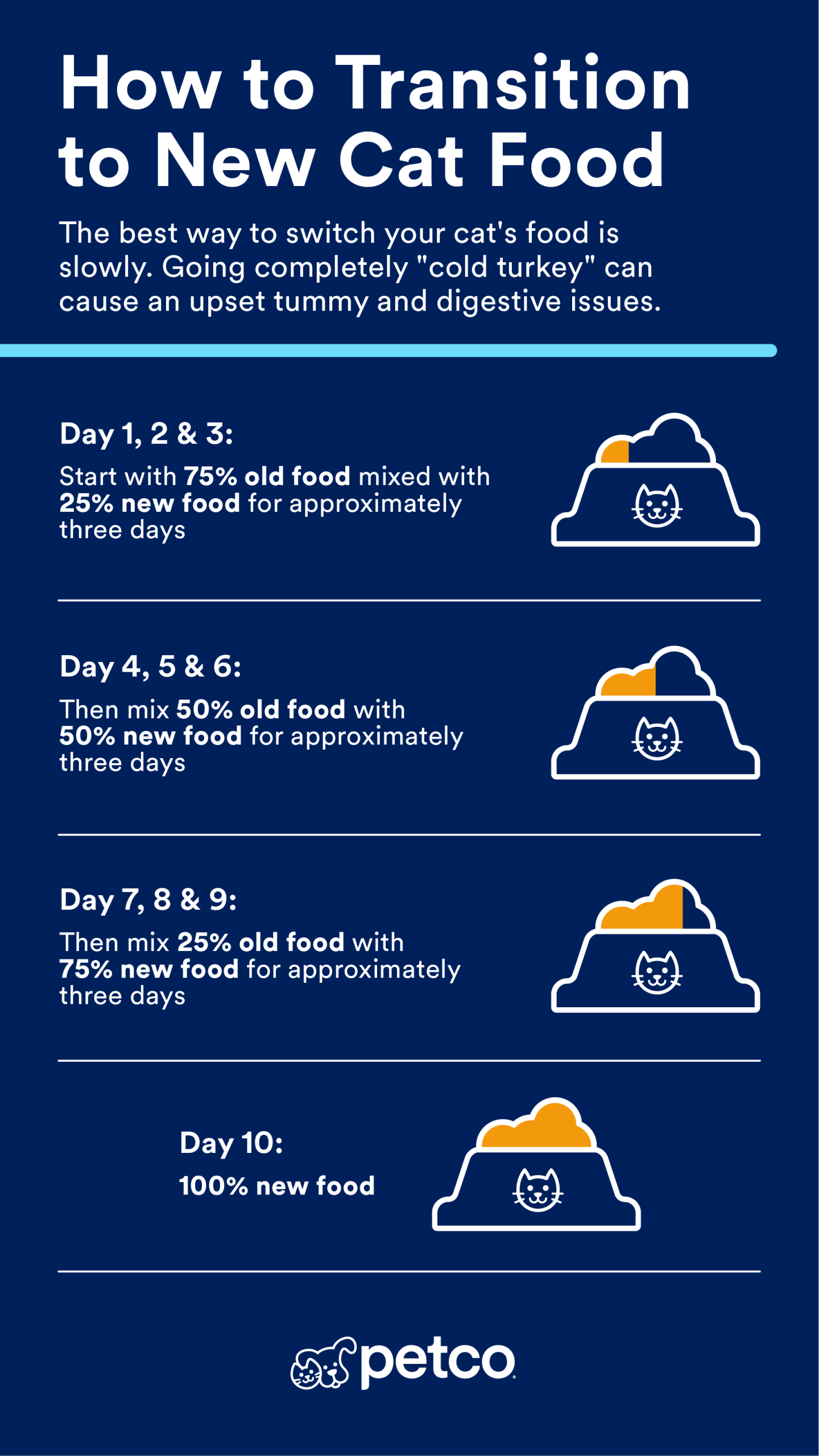
Start by mixing a small amount of adult food with kitten food. Use about 25% adult food and 75% kitten food at first. Over one to two weeks, increase the adult food portion slowly. This helps your kitten adjust to new tastes and nutrients. Keep the food fresh and clean. Offer meals at regular times to build a routine.
Monitoring Digestive Health
Check your kitten’s stool daily for any changes. Soft or loose stool may mean the food change is too fast. Watch for vomiting or loss of appetite. If any signs appear, slow down the transition. Keep your vet informed about any digestive problems. Healthy digestion means your kitten is adapting well.

Credit: www.tippaws.com
Common Mistakes To Avoid
Switching your kitten to adult cat food requires careful attention. Many pet owners make common mistakes that can upset your cat’s health. Avoid these errors to ensure a smooth transition and keep your cat happy and healthy.
Switching Too Early
Changing to adult food before your kitten is ready can cause nutritional gaps. Kittens need extra calories and nutrients for growth. Feeding adult food too soon may slow their development. Wait until your kitten is about 12 months old. At this age, most cats are ready for adult food.
Sudden Diet Changes
Switching food abruptly can upset your cat’s stomach. Digestive problems like vomiting or diarrhea may occur. Gradually mix the new food with old food over 7-10 days. Increase the amount of adult food slowly. This helps your cat adjust without stress.
When To Consult A Vet
Knowing when to consult a vet about switching your kitten to adult cat food can make a big difference in your pet’s health. Not every kitten is ready for the change at the same time, and some may need special care before making the switch. Keeping an eye on your kitten’s unique needs and health status can guide you toward the right moment to ask for professional advice.
Health Concerns
If your kitten shows any signs of illness or unusual behavior, it’s important to talk to your vet before changing their diet. Issues like digestive problems, weight loss, or allergies can mean that a standard adult cat food might not be suitable. Your vet can suggest the best food options to support your kitten’s recovery and ongoing health.
Sometimes, a kitten might have a sensitive stomach or other underlying conditions that require a gradual or specialized diet change. Don’t guess—veterinarians can help you create a feeding plan that avoids discomfort or nutritional gaps. Have you noticed your kitten struggling with certain foods or losing interest in meals?
Special Dietary Needs
Some kittens have special dietary needs that affect when and how to switch to adult food. For example, kittens with kidney issues or diabetes require diets tailored to their condition, often recommended by a vet. Your vet can recommend formulas that meet these needs without risking your kitten’s health.
Even if your kitten seems healthy, breed, size, and activity level can influence dietary timing. Larger breeds may transition later, while highly active kittens might need extra nutrients during the switch. Discussing these factors with your vet helps ensure your kitten gets the right balance of vitamins and minerals.
Frequently Asked Questions
When Is The Right Age To Switch To Adult Cat Food?
Most kittens can switch to adult cat food around 12 months old. This timing supports their growth and nutritional needs as they mature.
How To Transition Kitten Food To Adult Cat Food?
Gradually mix adult food with kitten food over 7-10 days. This helps avoid digestive upset and allows your cat to adjust smoothly.
What Signs Show My Kitten Is Ready For Adult Food?
Look for slowed growth and adult teeth development. Also, if your kitten is less active, it may be ready for adult food.
Can Switching Food Too Early Harm My Kitten?
Yes, switching too early can cause nutritional deficiencies and digestive issues. Always wait until your kitten is physically ready to switch.
Conclusion
Switching your kitten to adult cat food takes careful timing. Most cats need the change around one year old. Watch for signs like slower growth or less play. Choose a good quality adult cat food for balanced nutrition. Make the switch slowly to avoid stomach upset.
Your cat’s health depends on proper feeding. Keep checking with your vet during this change. A smooth transition helps your cat stay happy and strong. Trust your instincts and give your cat the best care.



Leave a Reply