Have you ever wondered just how many different cat breeds exist? Whether you’re a cat lover or thinking about adding a furry friend to your home, knowing the variety of breeds can help you find the perfect match.
From tiny kittens with fluffy tails to sleek, elegant cats, the diversity is surprising. Keep reading, and you’ll discover fascinating facts about cat breeds you might not have known—plus, how understanding these differences can make your bond with your cat even stronger.
Your next favorite feline could be just a few paragraphs away!

Credit: www.youtube.com
Cat Breed Count In 2025
Cat breed count in 2025 shows a rich variety of feline types worldwide. The number reflects ongoing discoveries and breed developments. This diversity fascinates cat lovers everywhere. Each breed has unique traits and histories. Understanding the breed count helps in appreciating this variety.
Official Cat Breed Numbers
Major cat associations recognize different breed totals. The International Cat Association (TICA) lists around 73 breeds. The Cat Fanciers’ Association (CFA) recognizes about 44 breeds. The Fédération Internationale Féline (FIFe) approves 48 breeds. These numbers change as new breeds gain recognition.
New Breeds Emerging In 2025
Breeders continue creating new cat breeds by crossbreeding. Some new breeds are still under evaluation. These emerging breeds add to the total count. They often have unique colors or body shapes. These new breeds attract attention from cat enthusiasts and experts.
Factors Affecting Breed Count
- Breed recognition rules vary by organization.
- Some breeds are regional and less known globally.
- Genetic studies can merge or split breed classifications.
- Crossbreeding introduces new breed possibilities.
- Changing standards affect which breeds are counted.
Why Breed Count Matters
Knowing breed count helps in cat care and breeding decisions. It supports understanding genetic health issues. Breed diversity shows the cat’s adaptability and evolution. It also guides pet owners in choosing the right cat. Breed count reflects the dynamic world of cats today.
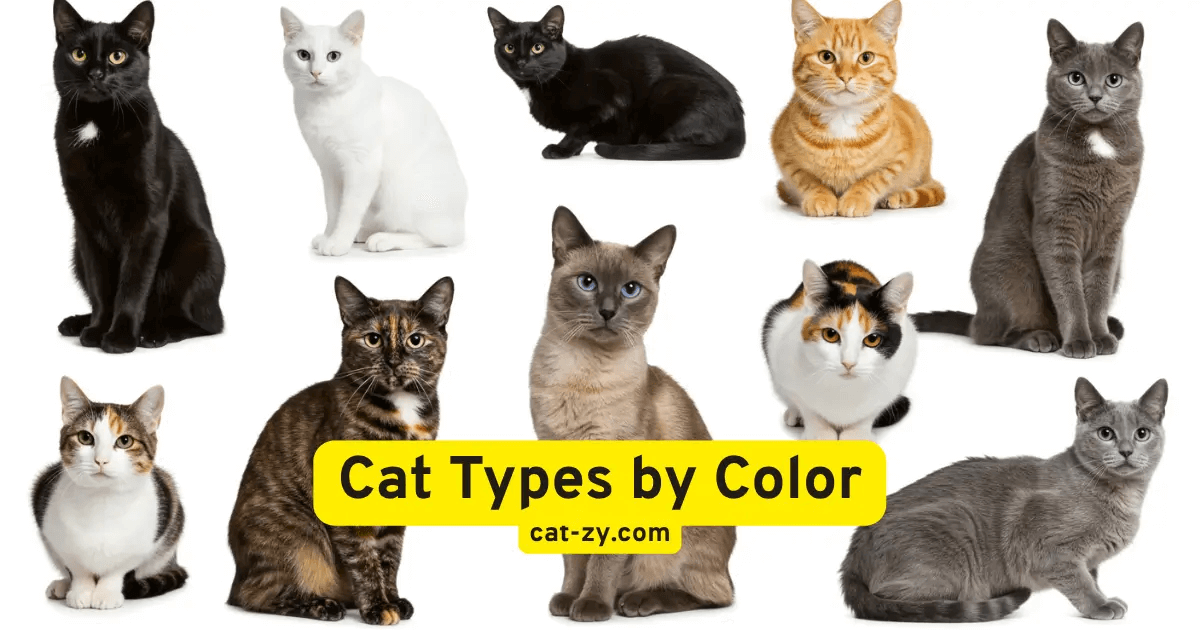
Credit: medium.com
Top Cat Breed Registries
Understanding the number of cat breeds requires knowing the key organizations behind breed recognition. These registries set breed standards and maintain official lists. Their role is vital for breeders and cat lovers worldwide.
International Cat Associations
International cat associations register and recognize cat breeds globally. They create breed standards and organize cat shows. These groups influence which breeds are officially accepted.
- The International Cat Association (TICA):One of the largest, with over 70 recognized breeds.
- Cat Fanciers’ Association (CFA):Focuses on pedigree cats and recognizes around 44 breeds.
- Fédération Internationale Féline (FIFe):A European-based group recognizing about 48 cat breeds.
Each association has unique standards and breed lists. Some breeds appear in all registries, while others are exclusive.
Regional Breed Organizations
Regional organizations focus on breeds popular in specific areas. They support local breeders and promote native cat varieties.
- Governing Council of the Cat Fancy (GCCF):Based in the UK, it recognizes over 40 cat breeds.
- Australian Cat Federation (ACF):Promotes breeds common in Australia and Oceania.
- Japan Cat Club (JCC):Focuses on breeds popular in Japan, including rare native cats.
Regional groups help preserve rare breeds and cultural cat heritage. They work closely with international bodies for breed recognition.
Popular Cat Breeds Worldwide
When it comes to our feline friends, the variety of cat breeds across the globe is nothing short of fascinating. Whether you’re a seasoned cat enthusiast or a newbie looking to welcome a new pet, understanding the different types of cat breeds can enhance your appreciation for these remarkable creatures. From long-haired beauties to sleek short-haired varieties, and even the unique hairless cats, each breed has its own charm and characteristics.
Long-haired Breeds
Long-haired cat breeds are often admired for their luxurious and flowing coats. Breeds like the Persian and Maine Coon are popular choices. Their grooming needs can be a rewarding routine for both you and your cat, creating a special bonding time.
Have you ever noticed how a Persian cat, with its plush coat, seems to glide across the floor? These cats, known for their calm demeanor and affectionate nature, are a favorite among those who love a bit of elegance in their homes.
Short-haired Breeds
Short-haired cats are perfect for those who prefer less grooming hassle. Breeds like the British Shorthair and Siamese offer low-maintenance coats without compromising on beauty. Their short, sleek fur is easy to care for, making them ideal for busy households.
The Siamese, with its striking blue eyes and vocal personality, can bring a lively energy to your home. This breed is known for its sociable nature, often enjoying interactive play and human companionship.
Hairless Varieties
Hairless cat breeds, such as the Sphynx, offer a completely different experience. With their unique appearance, these cats are known for their affectionate and playful personalities. They require special skin care, but their loving nature makes it worthwhile.
Have you ever wondered what it feels like to cuddle a Sphynx? Despite their lack of fur, they are known for being warm and velvety to the touch, often seeking warmth and snuggles from their human companions.
Exploring the world of cat breeds can open your eyes to the diverse and delightful world of felines. Which breed aligns with your lifestyle and personality? The choice is yours to make, ensuring a lifelong bond with a furry friend that suits you best.
Rare And Exotic Cat Breeds
Rare and exotic cat breeds capture the imagination of cat lovers everywhere. These breeds often have unique appearances or unusual traits that set them apart from the more common cats you see every day. If you’re curious about what makes these cats special, you’ll find some fascinating examples below.
Caracal: The Wild Beauty
The Caracal is a striking wild cat with distinctive tufted ears and a sleek, muscular build. Although not typically a household pet, some people keep Caracal hybrids, which blend wild traits with domestic cat behavior. Their exotic look often surprises visitors, making them a conversation starter in any home.
Ashera: The Controversial Giant
The Ashera cat claims to be one of the rarest and largest domestic breeds. Known for its leopard-like spots, it’s a mix of domestic cats with wild African servals and Asian leopard cats. Owning an Ashera is a serious commitment, as their care needs can be quite different from typical cats.
Kurilian Bobtail: The Fisher’s Friend
The Kurilian Bobtail is a rare breed originating from Russia and Japan, known for its short, bobbed tail and strong hunting skills. These cats are excellent swimmers and fishers, which is unusual for most domestic cats. If you want a playful and skilled hunter with a unique look, this breed might be perfect for you.
Peterbald: The Elegant Hairless Cat
With a slender body and almost no fur, the Peterbald stands out in any crowd. Their affectionate nature makes them excellent companions despite their unusual appearance. You’ll find their lack of fur requires a bit more care, like regular skin cleaning, but many owners say it’s worth it for such a loving pet.
Serengeti: The Mini Cheetah
The Serengeti cat looks like a tiny wild cheetah with long legs and spotted fur. They were bred to resemble wild cats but have the friendly temperament of domestic ones. If you admire wild cats but want a pet that fits into your home life easily, the Serengeti could be your ideal match.
Factors Influencing Breed Classification
Understanding how many different cat breeds exist involves more than just counting names on a list. Several factors influence how breeds are classified and recognized. These factors shape the diversity of cat breeds you see and help explain why breed numbers can vary depending on the source.
Genetics And Lineage
Genetics play a crucial role in defining a cat breed. Each breed has a distinct genetic makeup passed down through generations, which gives it unique physical traits and behaviors.
Lineage tracking helps breeders maintain these characteristics. Without clear lineage records, it’s hard to confirm if a cat truly belongs to a specific breed.
Have you ever wondered why some cats look so different, even within the same breed? Genetic variation can cause this, making classification a complex task.
Breed Standards
Breed standards are detailed descriptions of what each breed should look like and how they should behave. These standards cover everything from coat color to body shape and temperament.
They act as a guideline for breeders and judges during cat shows, ensuring consistency in breed characteristics. Without strict standards, breed definitions would be too vague to be useful.
Think about your favorite breed. How well does your cat match the official standard? This comparison often influences whether a cat is recognized as a purebred.
Recognition Processes
Different cat associations worldwide have their own procedures for recognizing breeds. Some are more strict, while others are open to adding new breeds more quickly.
Recognition often requires proof of consistent breeding, genetic stability, and adherence to breed standards. This process can take years, which affects how many breeds are officially counted.
Have you noticed that some breeds appear on one registry but not another? This shows how recognition processes shape the official number of cat breeds and the diversity you see in the pet world.

Credit: www.shutterstock.com
Trends In Cat Breeding
Cat breeding is evolving, reflecting new interests and discoveries in feline genetics. You might be surprised to learn how many new breeds have appeared recently, thanks to breeders’ creativity and the demand for unique pets. Understanding these trends helps you appreciate the diversity and complexity behind the cats you see today.
Emerging Breeds
New cat breeds pop up as breeders focus on specific traits like coat patterns, size, or personality. These emerging breeds often start as small groups before gaining recognition from cat associations.
Take the Lykoi, also known as the “werewolf cat,” which gained attention because of its unusual coat and striking eyes. This breed shows how a natural mutation can inspire an entirely new breed category.
Are you curious about what qualities might define the next popular breed? Keep an eye on breeders experimenting with rare traits—they often set the trends.
Hybrid Cats
Hybrid cats are created by crossing domestic cats with wild species, aiming for a blend of exotic looks and domestic temperament. These cats can be stunning but require special care and understanding of their behavior.
The Bengal cat is a famous hybrid, bred from domestic cats and Asian leopard cats. Its wild appearance makes it highly desirable, but owning one means committing to an active, intelligent companion.
Hybrid breeding raises questions about ethics and animal welfare. Would you feel comfortable owning a cat that is part wild? Consider the responsibilities before choosing a hybrid breed for your home.
Choosing The Right Cat Breed
Choosing the right cat breed matters a lot for a happy home. Each breed has its own traits and needs. Knowing these details helps find a cat that fits your lifestyle. It also keeps the cat healthy and content. Here are key points to consider when selecting a breed.
Temperament And Personality
Different cat breeds show different behaviors. Some cats are calm and quiet. Others are playful and energetic. Some love attention and cuddles. Others prefer to be independent. Think about how much time you have for play and care. Choose a breed that matches your activity level.
Care Requirements
Every breed needs special care. Some cats have long fur that needs daily brushing. Others have short hair that is easy to maintain. Some breeds shed a lot, while others shed less. Grooming, feeding, and exercise vary by breed. Knowing these needs helps keep your cat healthy and happy.
Health Considerations
Some cat breeds are prone to certain health problems. These issues can affect their quality of life. Learn about common illnesses in the breed you like. Regular vet visits and a good diet help prevent many problems. Choose a breed with health needs you can manage.
Frequently Asked Questions
How Many Cat Breeds Exist Worldwide?
There are about 70 to 100 recognized cat breeds globally. Different cat associations may list varying numbers. Each breed has unique traits and origins. This diversity offers pet lovers many choices.
What Defines A Cat Breed Officially?
A cat breed is defined by distinct physical traits and genetic lineage. Breed standards are set by cat registries. These standards guide breeding and show competitions.
Which Cat Breed Is The Most Popular?
The Persian cat is one of the most popular breeds. Its long fur and calm personality appeal to many. Popularity varies by region and culture.
How Are New Cat Breeds Created?
New breeds arise through selective breeding of specific traits. Breeders focus on appearance, behavior, and health. Sometimes, natural mutations lead to new breeds.
Conclusion
Cats come in many shapes, sizes, and colors. Over 70 cat breeds exist worldwide today. Each breed has its own unique traits and charm. Knowing the variety helps you appreciate cats more. Whether you prefer fluffy or short-haired cats, options abound.
This diversity makes cats special pets for many people. Exploring different breeds can be fun and rewarding. Choose a cat breed that fits your lifestyle and home. Enjoy the company of these wonderful animals every day.


Leave a Reply