Have you ever met a cat and wondered, “What breed is this?” Telling the difference between cat breeds can be tricky, especially when many look similar at first glance. But knowing your cat’s breed isn’t just about names—it helps you understand their personality, health needs, and quirks better.
You’ll discover simple tips and key features that make each breed unique. By the end, you’ll feel confident spotting the differences and impressing everyone with your cat knowledge. Ready to become a cat breed expert? Let’s dive in!
Key Cat Breed Features
Understanding key cat breed features helps distinguish one breed from another. Each cat breed has unique traits that make it special. These traits include coat patterns, body shape, eye color, and ear style. Observing these details makes identifying breeds easier. Let’s explore these features in detail.
Coat Patterns And Colors
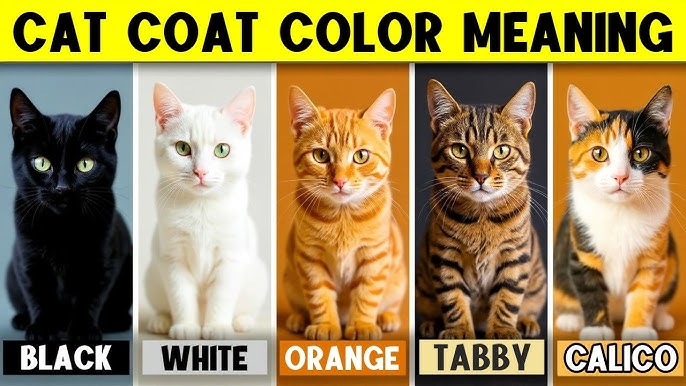
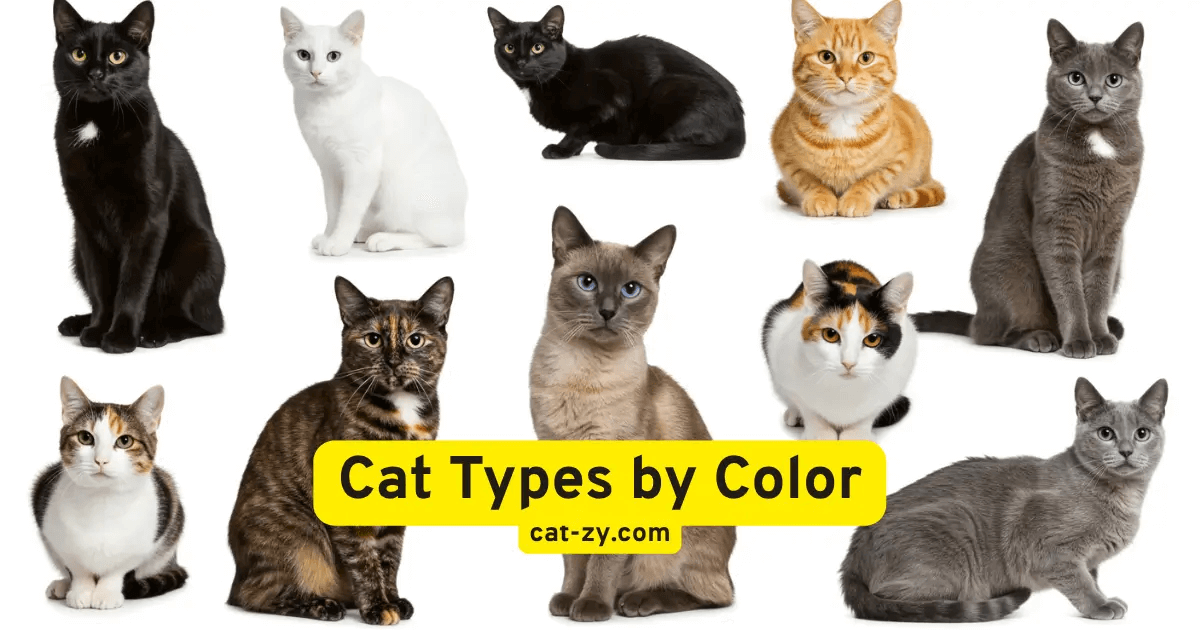
Coat patterns vary widely across cat breeds. Some cats have solid colors, while others show stripes or spots. Common patterns include:
- Tabby: Stripes, swirls, or spots with an “M” shape on the forehead
- Calico: Patches of white, black, and orange
- Tortoiseshell: Mixed black and orange, often mottled
- Pointed: Darker colors on ears, face, paws, and tail
Colors range from black, white, and gray to orange, cream, and blue. Some breeds have unique colors like the Siamese’s seal point or the Russian Blue’s silvery blue.
Body Shapes And Sizes
Cat breeds differ in body shape and size. Some are slender and graceful, while others are stocky and muscular. Key body types include:
- Slender and long-legged, like the Oriental Shorthair
- Compact and muscular, like the British Shorthair
- Large and robust, like the Maine Coon
- Small and delicate, like the Singapura
Body size can also vary from small to large. These traits help identify the breed quickly.
Eye Shapes And Colors
Eye shape and color are important breed markers. Eyes may be round, almond-shaped, or slightly slanted. Common eye colors include:
- Green
- Blue
- Amber
- Odd-eyed (two different colors)
Some breeds like the Siamese have striking blue almond eyes. Others like the Russian Blue show vivid green eyes. Eye shape adds to a cat’s unique look.
Ear Shapes And Positions
Ear shape and position vary by breed. Some cats have large, pointed ears set high on the head. Others have small, rounded ears. Look for:
- Large, upright ears in Oriental breeds
- Rounded ears in British Shorthairs
- Folded ears in Scottish Folds
- Wide-set ears in the Maine Coon
Ear position also affects the cat’s expression. These details help separate breeds visually.

Credit: www.threads.com
Common Cat Breeds To Know
Many cat breeds share some features, but each has unique traits. Knowing common cat breeds helps you spot their differences. This knowledge makes choosing a cat easier. Here are some popular breeds to recognize.
Siamese And Oriental Cats
Siamese cats are famous for their striking blue eyes and color points. Their short coat has darker colors on ears, face, paws, and tail. They have a sleek, slender body and large ears.
Oriental cats look similar but have more color variety. Their eyes are green, and their coat comes in many patterns. Oriental cats have a long, lean body and a playful nature.
Maine Coon And Norwegian Forest Cats
Maine Coons are large cats with long, thick fur. They have tufted ears and bushy tails. Their friendly personality makes them popular pets.
Norwegian Forest Cats have a sturdy build and water-resistant fur. They have almond-shaped eyes and a strong, muscular body. These cats are good climbers and love the outdoors.
Persian And Exotic Shorthair Cats
Persians have a flat face and long, fluffy fur. They move slowly and enjoy calm environments. Their large eyes give them a sweet expression.
Exotic Shorthairs look like Persians but have short fur. They are easier to care for and have the same gentle nature. Both breeds prefer quiet homes.
Bengal And Savannah Cats
Bengal cats have a spotted or marbled coat like a wild leopard. They are active and love to play. Their muscular body and sleek fur make them stand out.
Savannah cats are a mix of domestic cats and wild servals. They have tall ears, long legs, and spotted coats. These cats are curious and energetic, needing lots of attention.
Behavioral Clues To Breed
Behavior often reveals a cat’s breed through unique habits and traits. Observing play style, vocal sounds, and social behavior helps identify differences. Each breed shows distinct patterns in how they act and interact.
Understanding the subtleties of cat behavior can offer fascinating insights into their breed origins. Each breed has unique behavioral characteristics that can help you identify them. Observing these traits can be not only informative but also entertaining as you learn more about your feline friend.Activity Levels
Some cats are natural athletes, always ready for a sprint or a climb. Breeds like the Abyssinian are known for their high energy levels and will likely keep you on your toes. On the other hand, Persians prefer a more laid-back lifestyle, enjoying lounging over chasing. Consider your cat’s love for exercise and movement. Is your cat constantly exploring new heights? Or do they prefer a cozy nap spot? Noticing these patterns can give you a clue about their breed lineage.Social Traits
How does your cat react to visitors or changes in their environment? Siamese cats are incredibly social, often following their owners from room to room. In contrast, Russian Blues may be more reserved, preferring a quiet corner when guests arrive. Your cat’s social behavior can reveal much about its breed. Are they friendly and outgoing or do they value their personal space? Understanding their social traits can deepen your bond and help you cater to their needs.Vocalization Patterns
Some cats communicate with their human companions more than others. Siamese cats are known for their chatty nature, often engaging in long conversations with their owners. Meanwhile, the British Shorthair tends to be more on the quiet side, expressing themselves subtly. Listen to your cat’s vocal habits. Do they greet you with a song, or do they maintain a more dignified silence? Their vocalization can be a distinctive clue, revealing the secrets of their breed’s origins. By paying attention to these behavioral clues, you’ll not only become more attuned to your cat’s needs but also gain a deeper appreciation for the diverse world of cat breeds. What fascinating traits does your cat exhibit that might hint at their breed?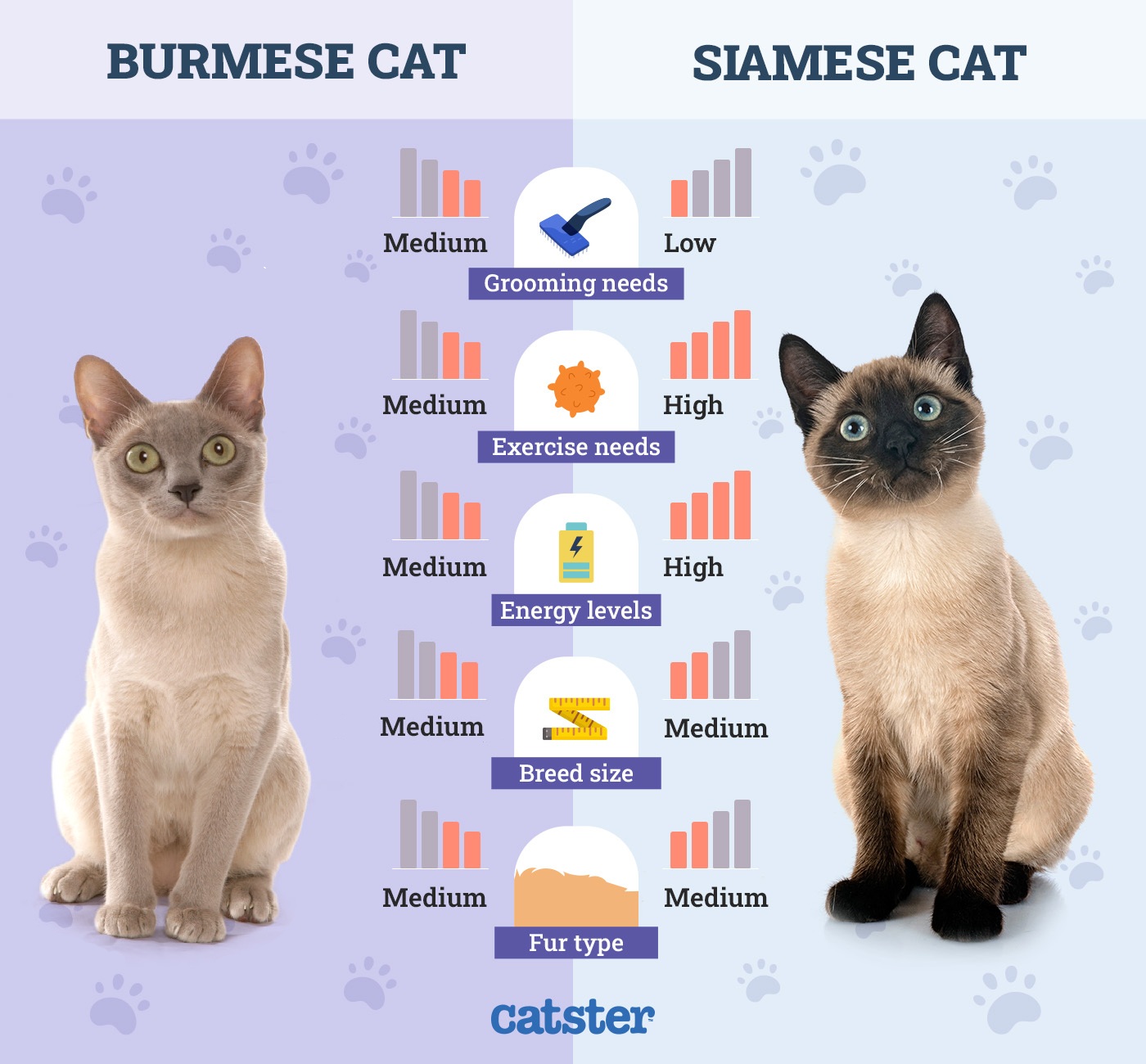
Credit: www.catster.com
Using Physical Traits For Id
Identifying cat breeds by their physical traits can be a fun and insightful way to understand your feline friend better. Each breed has unique features that set them apart, and paying close attention to these details can make recognizing them easier. Let’s break down some of the key physical traits you should look at to tell the difference between cat breeds.
Tail Length And Shape
Tail characteristics vary widely among cat breeds and can be a strong clue to their identity. Some cats, like the Manx, have a naturally short or even no tail, while others, such as the Siamese, boast long, slender tails. The shape also matters—curled tails, bushy tails, or straight tails each point toward specific breeds.
Next time you meet a cat, observe how it carries its tail. Does it have a plume-like fluffiness or is it sleek and thin? These subtle differences can help you narrow down the breed quickly.
Paw Size And Shape
Don’t overlook the paws; they reveal a lot about a cat’s background. Large, rounded paws might indicate a breed like the Maine Coon, which is known for its powerful build. Smaller, delicate paws are typical for breeds like the Burmese, which tend to be more compact.
Think about your cat’s paw size compared to its body. Are the paws unusually large, suggesting strength and agility? Or are they petite, hinting at a more refined breed? Checking the paw shape can also tell you about their lifestyle, whether they are natural climbers or ground dwellers.
Facial Structure
Facial features are some of the most recognizable traits for identifying cat breeds. Look at the shape of the head—is it round, wedge-shaped, or triangular? For example, Persian cats have a flat, round face, while Siamese cats are known for their sharp, angular features.
Eye shape and placement also offer clues. Almond-shaped eyes often belong to Oriental breeds, while large, round eyes are common in breeds like the Scottish Fold. Pay attention to the nose length too, as it varies significantly across breeds and can be a quick giveaway.
Expert Tools And Resources
Identifying cat breeds can be tricky without the right tools. Expert tools and resources help simplify this process. They offer detailed information and practical ways to spot breed differences. These resources improve your knowledge and confidence in recognizing cat breeds.
Breed Identification Apps
Breed identification apps use photos to suggest cat breeds. They analyze features like fur color, patterns, and body shape. Many apps offer quick results and easy-to-understand descriptions. Some popular apps include:
- Cat Scanner
- PetFinder
- Cat Breed Identifier
These apps help pet owners and enthusiasts learn more about their cats. They offer a handy way to compare breeds anytime and anywhere.
Cat Breed Books And Guides
Books and guides provide in-depth breed information. They include photos, breed history, and personality traits. Many guides explain subtle breed differences not obvious in photos. Some well-known books are:
- “The Complete Cat Breed Book”
- “Cat Breeds of the World”
- “The Illustrated Cat Encyclopedia”
These resources are useful for serious learners and cat lovers. They offer detailed, reliable knowledge in one place.
Veterinarian Insights
Veterinarians have hands-on experience with many cat breeds. They can identify breeds by physical traits and health characteristics. Vets also provide advice on breed-specific care needs. Consulting a vet can clear up breed confusion quickly. Their expertise adds a trusted perspective to breed identification.
Credit: medium.com
Common Mistakes In Breed Identification
Identifying cat breeds can be tricky. Many people make common mistakes that lead to confusion. These errors often arise from not seeing small but important details. Understanding these pitfalls helps you recognize breeds better. Avoiding these mistakes improves your knowledge and appreciation of cats.
Mixing Up Similar Breeds
Many cat breeds share close features. For example, Siamese and Oriental cats look alike. Both have slender bodies and large ears. However, their coat patterns differ. Mistaking one for the other is common. Learning subtle differences can prevent this. Look closely at color, eye shape, and fur length.
Ignoring Mixed Breed Traits
Many cats are mixed breeds with traits from several types. These cats do not fit perfectly into one category. Ignoring this fact causes misidentification. Mixed breeds can have unique looks. Watch for combined features like patchy fur or varied eye colors. Recognize that not all cats belong to a pure breed.
Overlooking Age And Health Effects
Age changes a cat’s appearance over time. Kittens look different from adult cats. Older cats may lose fur color or gain weight. Illness can alter coat quality and eye brightness. These changes can confuse breed identification. Consider a cat’s age and health before guessing its breed.
Frequently Asked Questions
What Are Key Features To Identify Cat Breeds?
Look at fur length, color patterns, eye shape, and ear size. These traits help distinguish breeds clearly. Behavioral traits can also aid identification.
How Does Coat Color Vary Among Cat Breeds?
Coat color ranges from solid, tabby, to pointed patterns. Each breed has typical colors, making identification easier.
Can Personality Help Differentiate Cat Breeds?
Yes, some breeds have unique temperaments. For example, Siamese cats are vocal, while Persians are calm and gentle.
Are Size And Body Shape Important For Breed Id?
Absolutely. Some breeds like Maine Coons are large and muscular, while others like Singapura are small and slender.
Conclusion
Knowing different cat breeds helps you choose the right pet. Each breed has unique looks and personality traits. Pay attention to size, fur type, and behavior to tell them apart. Observe their colors and ear shapes closely. This knowledge makes pet care easier and more fun.
Enjoy learning about cats and find your perfect companion. Keep exploring and appreciating these lovely animals every day.


Leave a Reply