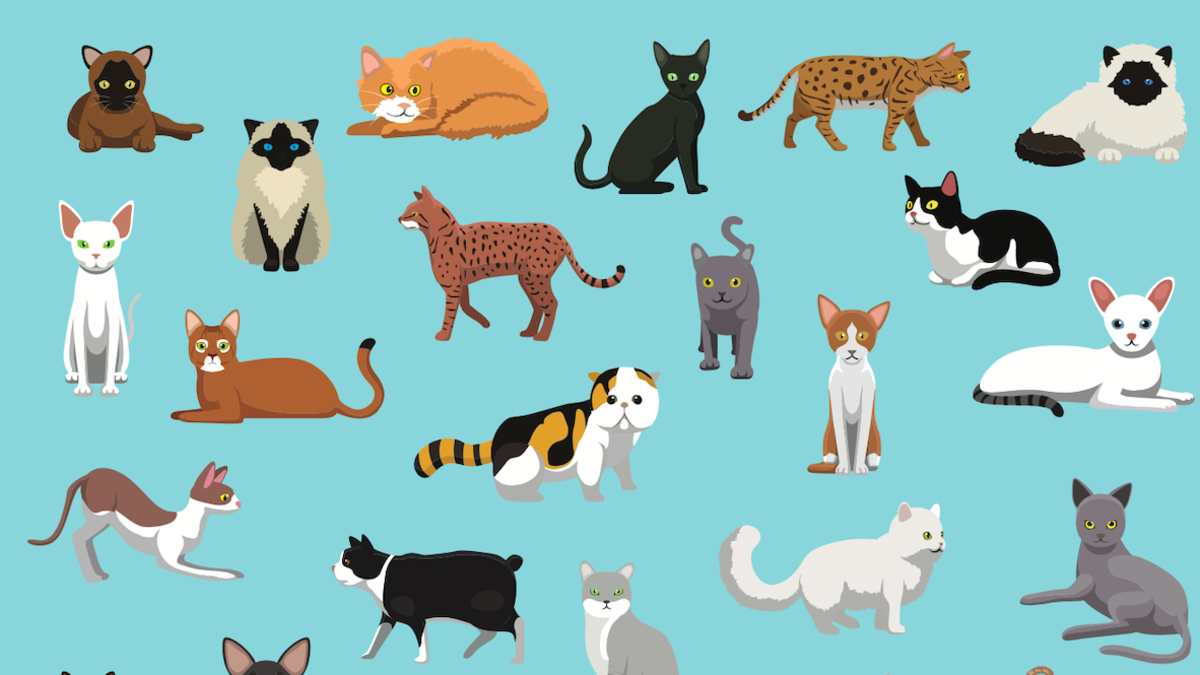
Have you ever wondered how many different cat breeds exist? Whether you’re thinking about adding a furry friend to your home or simply curious about these fascinating creatures, knowing the variety of cat breeds can open your eyes to just how diverse and unique cats really are.
You’ll discover the number of recognized cat breeds as of 2021, along with some interesting facts that might surprise you. Ready to find out which feline might be the perfect match for you? Keep reading to unlock the secrets of the cat world!
Credit: pethero.co.za
Cat Breed Counts In 2021
Tracking the number of recognized cat breeds can feel like chasing a moving target. In 2021, the count varies depending on who you ask and where you look. Understanding these differences can help you appreciate the diversity and complexity in the world of cats.
Global Breed Recognition
Worldwide, there isn’t a single, unified list of cat breeds. Different countries and cat clubs recognize breeds differently, which affects the total count. Some breeds popular in one region might be unknown or unrecognized in another, adding to the confusion.
Have you ever wondered why some breeds like the Maine Coon are universally loved, while others barely get mentioned outside their home countries? This is a direct result of how breeds gain official recognition across global cat communities.
Major Cat Registries
Most breed counts come from major cat registries, each with its own standards and criteria. The Cat Fanciers’ Association (CFA), The International Cat Association (TICA), and Fédération Internationale Féline (FIFe) are among the top registries influencing breed recognition.
- CFArecognizes about 44 breeds.
- TICAlists over 70 breeds.
- FIFeacknowledges roughly 48 breeds.
Your choice of registry can change the number of breeds you consider official. This also affects breeders, cat shows, and even your local shelter’s breed identification.
Variations In Breed Numbers
Why do these numbers vary so much? It often comes down to how new breeds are developed and accepted. Some registries are faster to recognize emerging breeds, while others require more rigorous evidence of a breed’s stability and uniqueness.
For instance, the TICA registry tends to be more inclusive, embracing experimental breeds earlier. Meanwhile, CFA maintains stricter standards, which keeps their breed list more conservative.
Are you curious how these differences might impact your next cat adoption or purchase? Knowing which registry a breed is recognized by can guide you in understanding your cat’s background and traits better.
Credit: a-z-animals.com
Popular Cat Breeds
Cats have always charmed us with their beauty and grace. Each breed has unique traits and characteristics. Some breeds are more popular due to their friendly nature or striking appearance. Let’s dive into the world of popular cat breeds.
Top Domestic Breeds
Domestic cats are beloved for their adaptability and companionship. They fit well into homes and families. Here are some top domestic breeds:
- Siamese:Known for their sleek bodies and striking blue eyes.
- Persian:Famous for their long, fluffy fur and calm demeanor.
- Maine Coon:Large and friendly, often called “gentle giants.”
- Ragdoll:Gentle and affectionate, with striking blue eyes.
- British Shorthair:Known for their dense coat and round face.
Exotic And Rare Breeds
Exotic breeds catch the eye with their unique looks and traits. They are less common but equally fascinating. Here are a few exotic and rare breeds:
- Bengal:Wild appearance with leopard-like spots.
- Sphynx:Hairless and known for their warm skin.
- Scottish Fold:Ears fold forward, giving a unique look.
- Norwegian Forest Cat:Adapted to cold with thick, water-repellent fur.
- Russian Blue:Short, dense coat and vivid green eyes.
Breed Characteristics
Each breed has distinct characteristics that make them unique. These traits influence their behavior, appearance, and needs:
- Coat Type:Ranges from hairless to long and fluffy.
- Size:Some are small and delicate, others large and sturdy.
- Temperament:Varies from playful and energetic to calm and reserved.
- Care Needs:Different grooming and activity needs depending on the breed.
Understanding these traits helps find the perfect feline companion. Each breed offers something special for cat lovers. Explore and discover your favorite among these remarkable breeds.
Breed Classification
Breed classification helps organize the many types of cats known worldwide. It sorts cats into groups based on origin, traits, and appearance. Understanding these groups makes it easier to learn about cat breeds. It also helps breeders, owners, and enthusiasts talk clearly about cats.
Pedigree Vs Non-pedigree
Pedigree cats have documented ancestry. Their lineage is recorded through official breed registries. These cats meet specific breed standards in looks and behavior. Non-pedigree cats do not have such records. They are often called domestic or mixed-breed cats. Non-pedigree cats show a wide range of traits and colors.
Natural Vs Hybrid Breeds
Natural breeds developed over time in specific regions. They adapted to local climates and lifestyles naturally. Examples include the Maine Coon and Siamese. Hybrid breeds come from crossing domestic cats with wild species. This creates unique traits and appearances. The Bengal cat is a popular hybrid breed.
Coat Patterns And Colors
Cat coats show many patterns and colors. Common patterns include:
- Solid – one color all over
- Tabby – stripes, spots, or swirls
- Bi-color – two colors mixed
- Calico – three colors in patches
- Pointed – darker colors on ears, face, paws, and tail
Colors range from black, white, and gray to orange and cream. Coat patterns and colors add to a breed’s unique look.
Breed Development History
The history of cat breed development traces back centuries. It reveals how humans influenced cat traits to create distinct breeds. Understanding this history helps explain the variety of cats today.
Origins Of Common Breeds
Many popular cat breeds have roots in natural selection. Breeds like the Siamese or Persian began in specific regions. Local climate and culture shaped their look and behavior. People favored traits such as coat color, size, or temperament. Early breeders selected cats that fit these traits. Over time, this led to recognizable breed types.
Modern Breeding Practices
Today, breeding uses controlled pairings to enhance specific features. Breeders aim for health, appearance, and personality standards. Shows and registries set clear breed guidelines. Breeders carefully track lineage to avoid health issues. Artificial insemination and genetic testing support breeding decisions. These methods speed up developing new or improved breeds.
Impact Of Genetics
Genetics plays a key role in breed traits. Genes determine coat patterns, eye color, and body shape. Some genetic diseases also appear within certain breeds. Breeders must understand genetics to maintain healthy lines. DNA testing helps identify carriers of harmful genes. This knowledge improves breed quality and longevity.
Choosing The Right Breed
Choosing the right cat breed shapes your experience as a pet owner. Each breed has unique traits that fit different homes and personalities. Understanding these traits helps in making a good match. This section breaks down key factors to consider for a happy life with your cat.
Temperament And Lifestyle
Cat breeds differ in energy levels and social needs. Some cats love being active and playing often. Others prefer quiet and calm environments. Match a breed’s temperament with your daily routine. Active breeds suit busy homes with playtime. Calm breeds fit well in peaceful, relaxed spaces. Think about how much time you spend with your cat. Choose a breed that fits your lifestyle for a strong bond.
Health Considerations
Each breed has health traits to know. Some cats are prone to specific illnesses. Others have longer lifespans and fewer health problems. Research common health issues for the breeds you like. Regular vet visits help catch problems early. Consider the cost and care needed for breed-specific health needs. A healthy cat means more years of joy and less worry.
Maintenance Needs
Grooming varies by breed and coat type. Long-haired cats need frequent brushing to avoid mats. Short-haired cats require less grooming but still benefit from regular care. Some breeds shed more, affecting allergies and cleaning. Nail trimming, ear cleaning, and dental care are important for all cats. Pick a breed with care needs you can manage easily. This keeps your cat happy and healthy every day.

Credit: www.oakleighcentralvet.com.au
Future Trends In Cat Breeding
The world of cat breeding is constantly evolving, influenced by new discoveries and changing attitudes. As you look ahead, it’s clear that the future holds exciting possibilities for both breeders and cat lovers. Understanding these trends can help you appreciate how the diversity of cat breeds might expand and improve.
Emerging Breeds
New cat breeds continue to appear, often through natural mutations or selective breeding for unique traits. Some of these breeds gain rapid popularity due to their distinct looks or friendly personalities. You might spot breeds like the Lykoi, known as the “werewolf cat,” which showcases a rare coat pattern and has captured attention worldwide.
Breeders are experimenting with combinations that highlight health and temperament, not just appearance. This raises questions: which traits will become the next big trend? And how will these emerging breeds fit into the existing cat community?
Genetic Research Advances
Genetic research is transforming how breeders understand cat traits and health risks. DNA testing now helps identify hereditary diseases before breeding decisions are made, reducing health problems in future generations.
This technology also opens doors for preserving rare breeds and maintaining genetic diversity. Imagine being able to trace your cat’s lineage with precision and making informed choices to keep your pet healthy and happy.
Ethical Breeding Practices
Ethics in breeding is becoming a top priority for many breeders and cat owners alike. The focus is shifting toward breeding cats that thrive physically and emotionally, rather than just meeting show standards.
You might wonder how you can tell if a breeder follows ethical practices. Look for transparency about health testing, living conditions, and the breeder’s commitment to the cats’ well-being. Supporting responsible breeders helps shape a future where cats live longer, healthier lives.
Frequently Asked Questions
How Many Cat Breeds Are Recognized Worldwide?
As of 2021, there are about 70 to 75 recognized cat breeds worldwide. Different cat associations may list slightly varied numbers due to breed standards.
Which Organization Defines Official Cat Breeds?
The International Cat Association (TICA) and Cat Fanciers’ Association (CFA) are leading bodies defining official cat breeds globally.
Are New Cat Breeds Still Being Developed?
Yes, new cat breeds continue to be developed through selective breeding and genetic research, enhancing diversity and traits.
What Factors Distinguish Different Cat Breeds?
Cat breeds differ by coat patterns, colors, body structure, personality traits, and sometimes specific health characteristics.
Conclusion
Cat lovers enjoy a wide variety of breeds. Over 70 recognized breeds exist worldwide in 2021. Each breed has unique traits and personalities. Choosing a cat depends on your lifestyle and preferences. Knowing breed numbers helps understand cat diversity better.
Cats bring joy in many different ways. Explore breeds, and find the perfect feline friend. Enjoy the special bond only cats can offer.


Leave a Reply