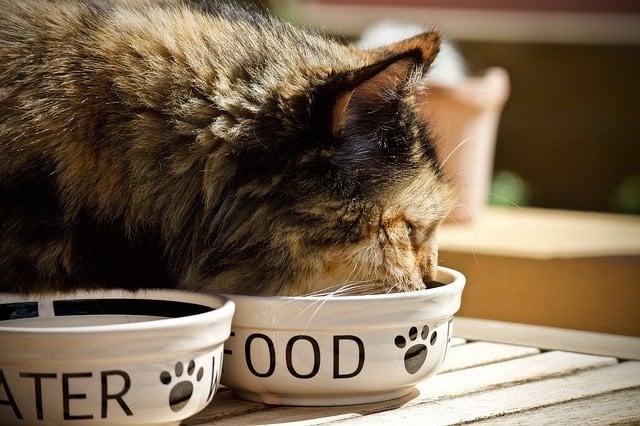
Wondering how much food your adult male cat really needs? It’s a question every cat owner faces, but finding the right answer can be tricky.
Feed too little, and your cat might feel hungry and restless. Feed too much, and you risk health problems like obesity. You want to keep your furry friend happy, healthy, and full without overdoing it. You’ll discover simple, effective ways to figure out the perfect portion size for your adult male cat.
Keep reading to learn how to satisfy your cat’s appetite and keep him feeling his best every day.
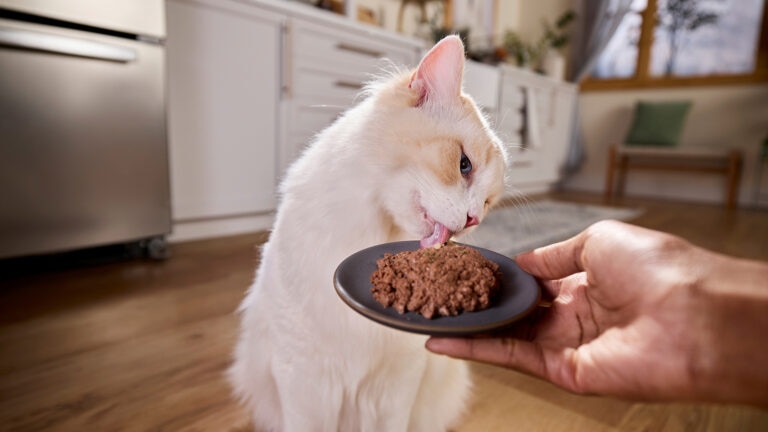
Credit: www.chewy.com
Daily Calorie Needs
Understanding the daily calorie needs of an adult male cat helps maintain his health and energy. Cats require enough calories to support their body functions and activity levels. Feeding the right amount prevents weight gain or loss. Each cat’s calorie needs vary based on several factors. Knowing these can guide feeding amounts for a happy, healthy cat.
Factors Affecting Calorie Requirements
Several factors influence how many calories a cat needs each day. Age plays a role; younger cats often need more energy. Activity level is important; active cats burn more calories. Weight also matters; heavier cats need more calories to maintain their size. Neutered or spayed cats usually require fewer calories. Health conditions can increase or decrease energy needs. Environment, like indoor or outdoor living, affects calorie burn too.
Calculating Individual Needs
Start by knowing your cat’s weight in pounds or kilograms. Use a general guide of 20 calories per pound for maintenance. Multiply your cat’s weight by this number to estimate daily calories. Adjust calories based on activity and health status. Monitor your cat’s weight and energy to fine-tune feeding. Consult a vet for precise calorie needs and diet advice.
Types Of Cat Food
Choosing the right type of food is key to keeping your adult male cat healthy and satisfied. Different foods offer unique benefits and challenges, and understanding these can help you decide what fits your cat’s lifestyle best. Let’s break down the main types of cat food and what they mean for feeding your feline friend.
Dry Food Benefits And Drawbacks
Dry cat food is popular for its convenience and long shelf life. It’s easy to store and can be left out for your cat to nibble on throughout the day without spoiling quickly.
However, dry food often contains more carbohydrates and less moisture than wet food. This can lead to dehydration if your cat doesn’t drink enough water. Have you noticed your cat drinking less when eating mostly dry food? That might be a sign to adjust their diet.
Wet Food Advantages
Wet food packs in moisture, which helps keep your cat hydrated naturally. It usually has higher protein content and fewer carbs, closely matching a cat’s natural diet.
Many cats find wet food more palatable, so it’s a great option if your feline is picky or needs encouragement to eat. Just remember, wet food spoils quickly once opened, so you’ll need to feed it promptly or refrigerate leftovers.
Raw And Homemade Diets
Feeding raw or homemade meals gives you full control over ingredients and quality. This can be especially useful if your cat has allergies or specific dietary needs.
But preparing balanced raw or homemade food requires research and time. You must ensure your cat gets all essential nutrients to avoid deficiencies. Are you ready to commit to the effort and cost that comes with DIY cat meals? Many cat owners find it rewarding but challenging.
Portion Sizes By Weight
Adult male cats usually need about 200 to 300 grams of food daily. Portion sizes depend on the cat’s weight, age, and activity level. Measuring food by weight helps avoid overfeeding and keeps your cat healthy.
Understanding how much food to give an adult male cat is crucial. Correct portion sizes ensure a balanced diet, promoting health and longevity. Cats need different amounts of food depending on their weight and activity level.Standard Weight Guidelines
Cats weighing 8 to 10 pounds require about 180 to 200 calories daily. For cats between 10 to 15 pounds, 200 to 250 calories are needed. Cats heavier than 15 pounds may require 250 to 300 calories each day. Always check food labels for calorie content.Adjusting Portions For Activity Level
Active cats burn more calories and need more food. Increase food portions for cats that play or roam a lot. On the other hand, indoor cats or less active cats need fewer calories. Reduce portions for these cats to prevent weight gain.
Credit: www.purina.com
Feeding Frequency
Feeding frequency plays a key role in maintaining a healthy adult male cat. It controls hunger, energy levels, and digestion. Cats thrive on routine, so setting a feeding schedule helps them feel secure. The right frequency depends on the cat’s age, weight, and activity. Finding a balance prevents overeating or hunger. Understanding different meal timing options guides better feeding habits.
Meal Timing Options
Adult male cats usually eat two to three meals per day. This fits their natural hunting behavior of multiple small meals. You can feed them at fixed times or spread meals throughout the day. Some owners choose morning and evening feeding times. Others prefer smaller, more frequent meals to keep energy steady.
- Two meals: morning and evening, about 12 hours apart
- Three meals: morning, afternoon, and evening
- Several small meals: every 3-4 hours, if practical
Consistency is important. Cats adjust to regular meal times and feel less anxious. Avoid sudden changes in feeding times or amount.
Free-feeding Vs Scheduled Meals
Free-feeding means leaving food out all day. Cats can eat whenever they want. This suits some cats but risks overeating and weight gain. Scheduled meals control portion size and meal times. This helps maintain a healthy weight and digestion.
| Feeding Style | Pros | Cons |
|---|---|---|
| Free-Feeding | Easy, lets cat eat freely | Risk of overeating, obesity |
| Scheduled Meals | Controls portions, supports weight | Requires regular attention |
Most vets recommend scheduled meals for adult male cats. It keeps them fit and helps spot health issues early.
Monitoring Cat’s Weight And Health
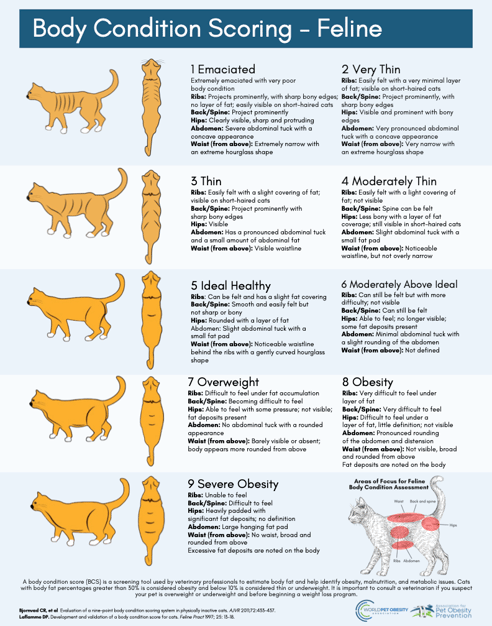
Monitoring your adult male cat’s weight and health is crucial for proper feeding. Regular checks help avoid health problems caused by improper diet. A healthy weight ensures your cat stays active and happy. Observing physical changes and behavior provides clues about their nutritional needs.
Signs Of Overfeeding
- Noticeable weight gain over a short period
- Difficulty feeling ribs or spine under fur
- Less activity and more sleeping than usual
- Increased panting or heavy breathing
- Excess fat around the belly and chest area
Signs Of Underfeeding
- Visible ribs and spine with little fat cover
- Loss of muscle tone and weakness
- Increased hunger or begging for food frequently
- Dull coat or dry skin
- Lethargy and less interest in play
Special Considerations
Feeding an adult male cat isn’t a one-size-fits-all situation. You need to think about several special factors that affect how much food your cat actually needs. These considerations help you avoid overfeeding or underfeeding, which can impact your cat’s health and happiness.
Senior Cats
Older cats usually need fewer calories because they are less active. However, some senior cats might require special diets to support kidney health or joint function. Watch your cat’s weight closely; sudden changes can signal a need to adjust food portions or consult your vet.
Indoor Vs Outdoor Cats
Indoor cats tend to burn fewer calories than outdoor cats, so they often need less food. Outdoor cats, on the other hand, are more active and may require additional calories to fuel their adventures. Think about your cat’s lifestyle before deciding on portion sizes to keep their energy balanced.
Health Conditions
Cats with health issues like diabetes, obesity, or thyroid problems need tailored feeding plans. Your vet can recommend specific diets and portion control to manage these conditions effectively. Ignoring these needs might worsen health problems or make treatment harder.
Tips For Transitioning Food
Changing your adult male cat’s food requires care and attention. Sudden switches can upset their stomach and affect appetite. Follow simple tips to make the transition smooth and safe. This helps your cat accept the new diet without stress.
Gradual Changes
Start by mixing a small amount of new food with the old. Increase the new food portion slowly over 7 to 10 days. This allows your cat’s digestive system to adjust. Keep the total food amount the same during the change. Avoid rushing to prevent vomiting or diarrhea.
Observing Reactions
Watch your cat closely during the transition. Look for signs like vomiting, diarrhea, or refusal to eat. Check if your cat shows any allergy symptoms such as itching or redness. If problems occur, slow down the change or consult a vet. Positive reactions mean your cat is adapting well to the new food.
Credit: www.preventivevet.com
Frequently Asked Questions
How Much Food Does An Adult Male Cat Need Daily?
An adult male cat typically needs 200-300 calories daily. This varies by age, activity, and health. Consult your vet for precise amounts.
What Type Of Food Is Best For Adult Male Cats?
High-quality protein is essential for adult male cats. Wet and dry foods with balanced nutrients support health and weight management.
How Often Should I Feed My Adult Male Cat?
Feed adult male cats twice daily, morning and evening. This routine helps maintain metabolism and prevents overeating.
Can Overfeeding Harm My Adult Male Cat?
Yes, overfeeding can cause obesity and health issues. Measure portions carefully and monitor your cat’s weight regularly.
Conclusion
Feeding an adult male cat the right amount keeps him healthy and happy. Watch his weight and energy to adjust food portions. Quality food matters as much as quantity for good health. Regular feeding times help your cat feel secure and satisfied.
Remember, each cat is different, so observe and adapt as needed. Small changes can make a big difference in your cat’s life. Consistent care shows love and helps your cat thrive every day.

Leave a Reply