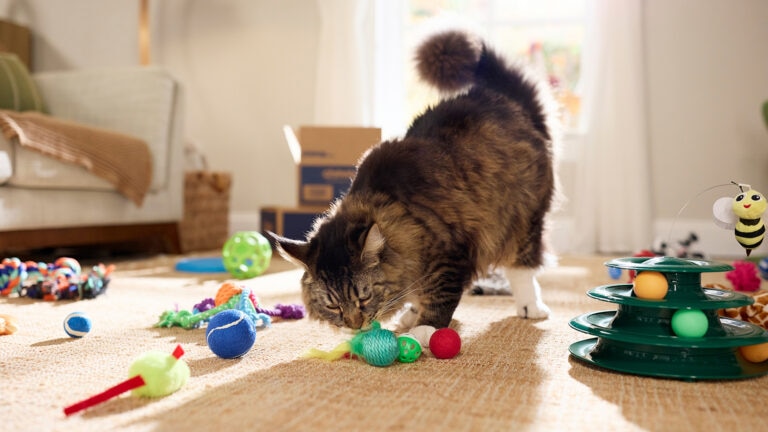
Have you ever caught your cat dropping toys into water and wondered why? It might seem strange or even confusing when your furry friend plays this unusual game.
But there’s a reason behind this quirky behavior that you’ll want to understand. By learning why your cat does this, you can better connect with your pet and keep them happy. Keep reading to discover the surprising reasons your cat loves to dunk their toys—and how you can turn this habit into a fun part of your daily routine.
Cat Play Behavior
Cats play for many reasons beyond simple fun. Play helps them learn and practice skills needed in the wild. It also provides mental and physical exercise, keeping them healthy. Watching your cat put toys in water shows a unique play style. Understanding this behavior links closely to their natural instincts and hunting habits.
Instincts Behind Toy Interaction
Cats have strong hunting instincts. They use play to mimic catching prey. Water adds a new challenge and interest. It triggers their curiosity and problem-solving skills. Toys in water feel different and move unpredictably. This makes play more exciting and realistic. The behavior is a natural way to sharpen their reflexes and focus.
Hunting Simulation In Play
Water creates a hunting environment. It simulates small prey hiding or swimming. Cats enjoy pawing and grabbing toys in water. This mimics fishing or catching amphibians in the wild. The splashing sound attracts their attention. It makes play feel like a true hunt. This simulation satisfies their natural urge to stalk and catch.

Credit: www.reddit.com
Water Attraction
Cats often show a strange fascination with water, especially when it comes to their toys. You might find your feline friend repeatedly dipping or dropping toys into their water bowl. This behavior isn’t just random; it reveals how deeply water attracts your cat and stimulates their natural instincts.
Curiosity About Water
Your cat’s curiosity about water can be surprisingly strong. Cats are known for their investigative nature, and water offers a new texture, sound, and sensation to explore. When your cat places toys in water, they might be experimenting with how the toy reacts—does it float, sink, or make ripples?
Think about the last time you watched your cat paw at their water bowl. They might be testing the water’s depth or temperature, or simply entertained by the movement. This simple act satisfies their need to learn about their environment, keeping their mind sharp and engaged.
Senses Stimulated By Water
Water activates multiple senses in your cat, making it a sensory playground. The sound of splashing water, the cool wetness on their paws, and the visual effect of toys floating or sinking all combine to hold their attention. These sensations can be both calming and exciting.
Your cat’s whiskers and paws are highly sensitive to touch and vibrations. When toys hit the water, your cat feels subtle changes through these sensors, which can be very satisfying. Have you noticed how your cat’s behavior changes when they interact with water? Observing this can give you clues about what they enjoy and how to enrich their playtime.
Reasons For Dipping Toys
Cats often dip toys in water out of curiosity or to explore new textures. This behavior may also mimic hunting instincts or serve as a way to cool down the toy before playing. Some cats simply enjoy the sensory experience of wet toys.
Cats can be quirky little creatures, and their behaviors often leave us scratching our heads. One such puzzling habit is when your feline friend decides to dip their toys in water. You might wonder, “Is this normal?” or “Why does my cat do this?” Understanding the reasons can help you appreciate your cat’s unique personality and meet their needs more effectively.Marking Territory
Cats are territorial animals. By putting their toys in water, they could be using the water as a sort of scent marker. Water in their bowl or dish is a communal resource, and by leaving their toys there, they leave their mark for others to recognize. Have you ever noticed your cat rubbing their face against furniture? This is another way they transfer their scent. Similarly, by dipping toys in water, they reinforce their presence and ownership.Cooling Down Toys
Ever thought about how your cat might be trying to cool down their toys? Cats are known to prefer cooler temperatures. If your home is warm, your cat might instinctively try to cool their toys down by dunking them in water. Imagine the difference in texture and temperature of a wet toy. Your cat might find it more enticing, adding an element of surprise to their playtime.Testing Toy Durability
Cats are curious creatures, and they love to test things out. Placing toys in water could be their way of experimenting with the toy’s durability. Think about how a toy behaves when wet versus dry. It might move differently, create new sounds, or offer a different chewing experience. This behavior might just be your cat’s way of keeping playtime exciting and varied. Next time you see your cat dipping toys in water, consider these possibilities. It’s a fascinating glimpse into their world. What other peculiar habits does your cat have that you haven’t quite figured out yet? Understanding these behaviors can deepen your bond with your furry friend.Environmental Factors
Environmental factors play a key role in your cat’s habit of placing toys in water. Cats are highly sensitive to their surroundings, and small changes can affect their behavior. Understanding these factors helps explain this curious action.
Impact Of Home Setup
The layout of your home can influence your cat’s toy placement. Cats like safe, quiet spots to play and hide their toys. If their usual play areas feel crowded or noisy, they might move toys to calmer places.
Water bowls or sinks often provide a secluded and cool spot. This environment feels secure for cats to store or interact with their toys. A cluttered or busy room might push them to find alternative areas near water.
Influence Of Water Source Location
The location of water sources affects where cats place their toys. Cats prefer fresh, running water, often found in sinks or fountains. These spots attract their attention and become natural play zones.
Water sources near favorite resting areas encourage cats to bring toys there. The sound and movement of water can stimulate their hunting instincts. This makes water areas ideal for hiding or dipping toys.
How To Respond
Knowing how to respond when your cat puts toys in water can improve both your pet’s happiness and your home’s tidiness. Instead of just stopping the behavior, think about what your cat might be trying to express or enjoy. Your response can turn a puzzling habit into a positive interaction or safe playtime.
Safe Water Play Tips
Let your cat enjoy water safely by setting up controlled play areas. Use a shallow basin or a small water fountain designed for pets.
- Choose sturdy, non-slip containers to prevent spills and accidents.
- Keep the water fresh and change it regularly to avoid bacteria buildup.
- Supervise your cat during water play to make sure they don’t drink too much or get wet in unsafe ways.
Have you noticed your cat’s fascination with splashing? Offering a special water toy or floating balls can channel that energy safely. This way, your cat gets the sensory experience without risking your electronics or furniture.
Redirecting Toy Behavior
If your cat repeatedly drops toys in water, try redirecting their focus with alternative activities. Present toys that don’t easily soak or ones that are interactive without needing water.
- Introduce puzzle feeders or treat-dispensing toys to keep their interest.
- Use wand toys or laser pointers to engage their hunting instincts away from water.
- Rotate the toys regularly to keep them fresh and exciting.
Think about what your cat enjoys most—does she like the movement, texture, or sound of the toys in water? Matching that sensation with a dry alternative can satisfy her curiosity without the mess. Have you tried switching up the toy type before noticing a change in behavior?

Credit: www.reddit.com
When To Seek Help
Noticing your cat putting toys in water can be curious. Sometimes, this behavior is normal. Other times, it might signal a deeper issue. Knowing when to seek help is important for your cat’s well-being.
Signs Of Stress Or Anxiety
Watch for changes in behavior. Your cat may:
- Hide more often
- Stop eating or grooming
- Show aggression or restlessness
- Meow loudly or frequently
- Display unusual sleep patterns
These signs could mean your cat feels stressed or anxious. Toys in water might be a coping behavior.
Consulting A Veterinarian Or Behaviorist
A veterinarian can check for health problems. Illness can cause odd behaviors. A behaviorist helps with mental or emotional issues.
Seek professional advice if your cat’s behavior disrupts daily life. Early help improves your cat’s comfort and happiness.

Credit: www.youtube.com
Frequently Asked Questions
Why Does My Cat Put Toys In Water?
Cats often put toys in water to mimic hunting behavior. It simulates catching prey near water sources. This action also satisfies their natural instincts and keeps playtime interesting.
Is Putting Toys In Water Normal Cat Behavior?
Yes, it is normal. Cats use water to explore objects differently. This behavior reflects curiosity and their predatory nature, helping mental stimulation.
Can Toy-in-water Behavior Indicate Stress In Cats?
Sometimes, yes. If excessive, it might signal anxiety or boredom. Providing more playtime and enrichment can reduce this behavior.
How Can I Stop My Cat From Soaking Toys?
Offer dry play alternatives and interactive toys. Keep water bowls away from play areas to discourage toy dunking.
Conclusion
Cats have many strange habits, and putting toys in water is one of them. This behavior shows their natural curiosity and playfulness. It may also help them explore different textures and smells. Watching your cat do this can be fun and interesting.
Understanding why they act this way helps you connect with your pet better. Keep providing safe toys and a clean water area for your cat. Enjoy the little surprises your cat brings to everyday life.

Leave a Reply