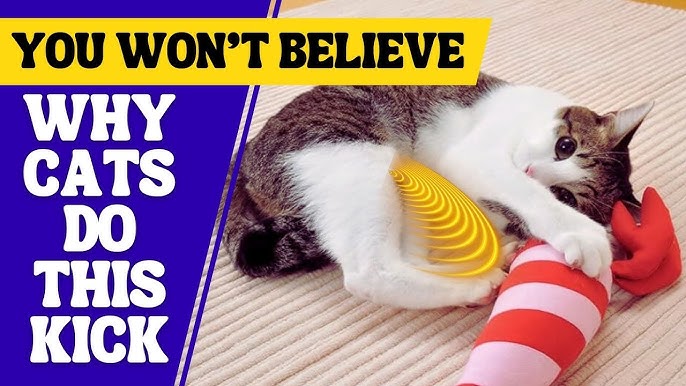
Have you ever watched your cat grab her toy and suddenly start kicking it with her back legs like a little bunny? It’s a strange but fascinating behavior that might leave you wondering, “Why does my cat bunny kick her toys?” Understanding this quirky action can help you connect better with your furry friend and even improve her playtime.
Keep reading, and you’ll discover the surprising reasons behind this cute habit—and how it shows your cat’s natural instincts at work.

Credit: www.petscare.com
Bunny Kick Behavior In Cats
Cats show many playful and hunting behaviors. One common action is the bunny kick. This behavior helps cats practice hunting skills. It also lets them release energy and stay active indoors.
Bunny kicking is a unique way cats interact with toys. It mimics how wild cats catch and hold prey. Understanding this behavior helps pet owners provide better playtime experiences.
What Is Bunny Kicking?
Bunny kicking is when a cat grabs a toy with its front paws. Then, it kicks the toy rapidly with its back legs. The motion looks like a rabbit’s powerful kick. This movement helps the cat hold the toy firmly.
This behavior shows a cat’s natural hunting instinct. It helps cats develop strength and coordination. Bunny kicking also gives cats a way to express excitement and focus.
Common Toys Targeted
Cats usually bunny kick soft, lightweight toys. These toys are easy to grab and kick. Common choices include:
- Plush mice
- Stuffed balls
- Feather wands
- Small pillows
- Crinkle toys
These toys mimic small prey. Their size and texture encourage the bunny kick behavior. Providing a variety of these toys keeps cats entertained and healthy.
Instincts Behind The Action
Watching your cat bunny kick her toys can be both amusing and puzzling. This quirky behavior actually taps into deep-rooted instincts that your feline carries from her wild ancestors. Understanding these instincts helps you appreciate why your kitty acts this way and what it means for her overall well-being.
Hunting And Predatory Drives
Your cat’s bunny kicks are more than random play—they’re tied to her hunting instincts. In the wild, cats use their powerful hind legs to kick and hold down prey after catching it. This action helps them immobilize their catch quickly and efficiently.
Even though your cat’s toy isn’t alive, her brain treats it like real prey. This instinctual behavior allows her to express natural hunting skills that she would use to survive outside your home. Have you noticed if she gets more intense or focused during these moments? That’s her predatory drive kicking in full force.
Practice For Real Prey
Bunny kicking is also a way for your cat to practice and refine essential skills. Kittens learn this technique early on by play-fighting with their siblings. This training prepares them for the challenges of hunting when they grow up.
By encouraging your cat’s play with interactive toys, you’re giving her a safe outlet to develop these skills. Toys that move or make noise can trigger her natural hunting sequence, including stalking, pouncing, and kicking. What types of toys does your cat prefer for this kind of play?
Emotional Triggers
Cats bunny kick toys to show excitement or to practice hunting skills. This action triggers their natural instincts and helps release energy. It also reflects their playful mood and emotional connection with their surroundings.
Cats are fascinating creatures, and their behaviors often leave us puzzled. One such behavior is the bunny kick, especially when your cat interacts with toys. This action is not just a random quirk but can be deeply rooted in emotional triggers. Understanding these triggers can help you provide a more enriching environment for your feline friend.Excitement And Playfulness
Cats are natural hunters, and their toys become their prey. When your cat bunny kicks a toy, it might be expressing pure excitement and playfulness. This behavior allows them to release pent-up energy and fulfill their instinctual hunting desires. Think about the last time you saw your cat enthusiastically rolling around with a toy. That gleeful display is a sign of a happy and stimulated cat. You can enhance this experience by rotating their toys regularly, keeping things fresh and exciting.Stress And Anxiety Relief
Just like humans, cats can experience stress and anxiety. Bunny kicking can be a self-soothing behavior that helps them cope with these feelings. It’s a way for them to release tension and regain a sense of control. Have you noticed your cat bunny kicking more often during a move or after introducing a new pet? These changes can be stressful for your cat, and this behavior might be their way of dealing with it. Providing a quiet, safe space with familiar scents and toys can offer comfort during these times. Encouraging your cat to engage in this behavior with toys can be beneficial. It helps them manage their emotions and stay mentally healthy. Consider the triggers that might be affecting your cat’s behavior. Are they playing because they’re excited, or are they trying to alleviate stress? Understanding these emotional triggers can make a significant difference in your cat’s well-being.Physical Benefits For Cats
Watching your cat bunny kick her toys isn’t just cute—it’s a sign of important physical activity. This behavior helps your cat stay fit and agile in ways you might not immediately realize. Understanding these physical benefits can give you a new appreciation for this playful action.
Muscle Strengthening
When your cat grabs a toy and starts bunny kicking, she’s using her back legs to push and kick repeatedly. This motion builds strength in her hind leg muscles and core. Over time, these small bursts of energy help maintain muscle tone and prevent stiffness.
Think about your own workouts. Just like leg lifts or squats strengthen your legs, your cat’s kicks target the muscles she needs for jumping and running. Giving her plenty of opportunities to bunny kick can keep her physically healthy and active.
Coordination And Reflexes
Bunny kicking also sharpens your cat’s coordination and reflexes. She has to balance herself while holding the toy and time her kicks precisely. This improves her ability to react quickly and maintain control over her body.
Have you noticed how fast your cat can switch from playing to chasing a moving object? That quick response comes from practicing these coordinated movements. Encouraging this play helps keep her reflexes sharp, which is crucial for her overall agility and confidence.
When Bunny Kicking Becomes A Concern
Bunny kicking is a common playful behavior in cats. It usually shows their excitement and hunting skills. But sometimes, this action can signal something more serious. Recognizing when bunny kicking becomes a concern helps keep your cat safe and happy.
Signs Of Overstimulation
Overstimulation happens when your cat gets too excited or stressed. Watch for these signs:
- Sudden tail flicking or twitching
- Flattened ears
- Rapid breathing
- Sudden biting or scratching
- Restlessness or pacing
These signals mean your cat might need a break from playtime. Stop the activity to avoid stress or injury.
Aggression Indicators
Sometimes bunny kicking can turn aggressive. Look for these signs:
- Growling or hissing sounds
- Stiff body posture
- Eyes wide open with dilated pupils
- Swatting with claws out
- Repeated intense attacks on toys or people
Such behaviors suggest your cat feels threatened or angry. Avoid provoking your cat and give her space to calm down.

Credit: www.reddit.com
Enhancing Playtime For Your Cat
Playtime is more than just fun for your cat—it’s a vital way for her to express natural behaviors like chasing, pouncing, and yes, bunny kicking. Enhancing playtime means creating an environment where your cat feels safe, engaged, and mentally stimulated. This can reduce boredom and help your cat build confidence and agility.
Choosing Safe Toys
Picking the right toys is essential for both your cat’s enjoyment and safety. Avoid small parts that can be swallowed or toys made from toxic materials. Opt for sturdy toys like soft balls, feather wands, or plush mice that can withstand rough play without falling apart.
Think about your cat’s preferences. Does she like to chase, pounce, or bat at things? Tailor your toy choices accordingly. Watching your cat’s reaction can guide you toward the most engaging options.
Interactive Play Techniques
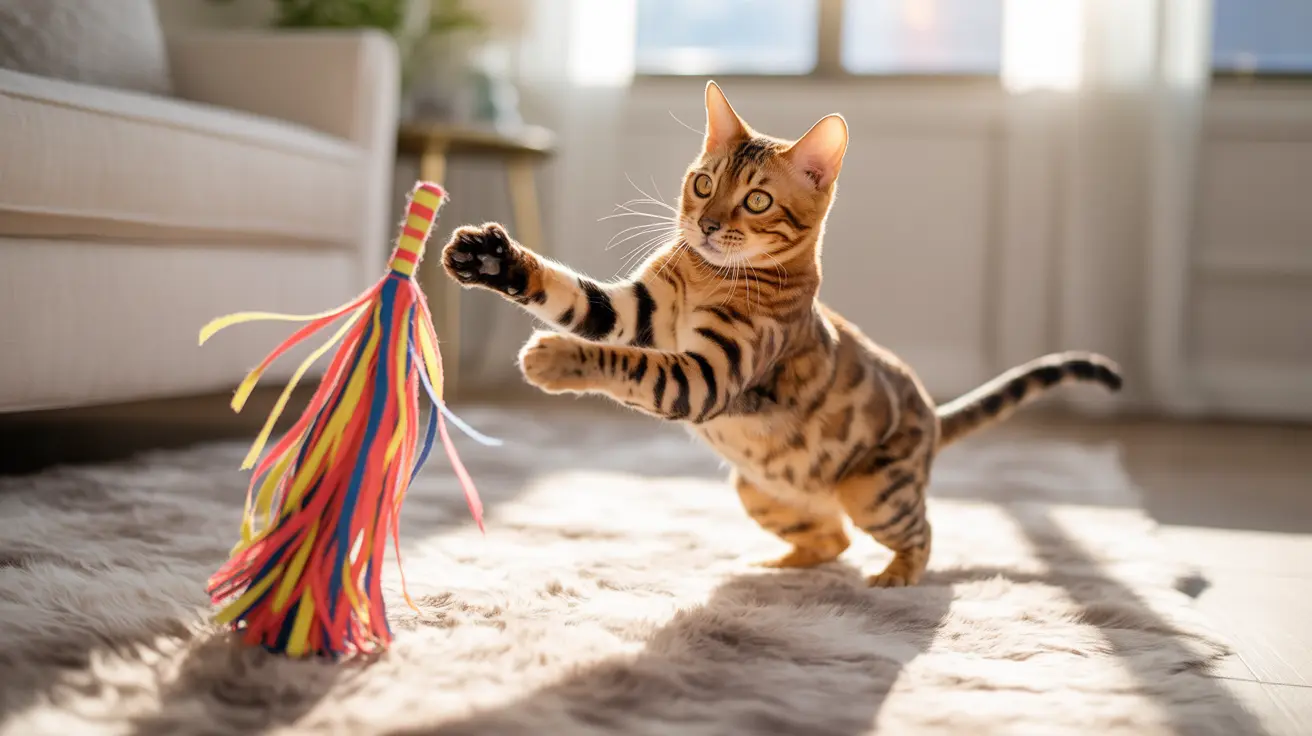
Interactive play deepens the bond between you and your cat while satisfying her hunting instincts. Use toys that mimic prey movements—fluttering feathers or erratic wand motions encourage natural stalking and attacking behaviors, including that signature bunny kick.
Try varying your play sessions in length and intensity. Short bursts of energetic play can keep your cat eager and prevent overstimulation. Have you noticed how your cat’s excitement builds when you change the speed or direction of the toy?
Finally, let your cat “win” sometimes by allowing her to catch the toy. This boosts her confidence and makes playtime more rewarding, encouraging her to bunny kick with even more enthusiasm next time.
Tips To Manage Intense Bunny Kicking
Managing your cat’s intense bunny kicking can feel challenging, especially when her energy seems endless. But with a few thoughtful adjustments, you can guide her behavior and keep playtime enjoyable for both of you. Here are practical tips to help you handle her excitement while strengthening your bond.
Redirecting Energy
Your cat’s bunny kicks are a burst of raw energy and hunting instinct. Instead of trying to stop her, channel that energy into more controlled activities.
- Offer interactive toys like wand teasers or laser pointers that encourage chasing without rough play.
- Set up puzzle feeders to mentally engage her and slow down her excitement.
- Introduce soft toys designed for kicking, so she has a safe outlet for her intense play style.
Have you noticed how your cat’s behavior shifts when she has more ways to play? Redirecting her energy helps reduce overstimulation and keeps her sharp.
Creating A Calm Environment
Sometimes, bunny kicking happens because your cat feels overstimulated or anxious. Creating a calm space can lower her stress and reduce impulsive kicks.
- Choose a quiet room with cozy spots where she can retreat and relax.
- Use calming aids like pheromone diffusers or gentle background music to soothe her senses.
- Maintain a consistent daily routine to help her feel secure and less reactive.
Think about your cat’s favorite quiet spots—can you make them even more inviting? A calm environment helps her self-regulate and enjoy play without going overboard.
Credit: www.petscare.com
Frequently Asked Questions
Why Do Cats Bunny Kick Their Toys?
Cats bunny kick toys to mimic hunting behavior. This action helps them practice capturing prey. It also releases energy and keeps them mentally stimulated.
Is Bunny Kicking A Sign Of Aggression?
No, bunny kicking is usually playful, not aggressive. It shows your cat’s natural hunting instincts. It’s a normal part of cat play and exercise.
How Can I Safely Play With A Bunny-kicking Cat?
Use toys like stuffed mice or feather wands. Keep your hands away from claws and teeth. This ensures safe, interactive play without injury.
Does Bunny Kicking Mean My Cat Is Stressed?
Bunny kicking is typically a sign of excitement, not stress. However, excessive kicking could indicate overstimulation. Monitor your cat’s overall behavior for stress signs.
Conclusion
Cats bunny kick toys to practice hunting skills and release energy. This behavior shows they feel playful and confident. It also helps them stay active and sharp. Understanding why your cat bunny kicks can improve your bond. Watch and enjoy these fun, natural actions.
Let your cat express its instincts safely. Toys and playtime keep your pet happy and healthy. Embrace these moments—they reveal your cat’s true nature.

Leave a Reply