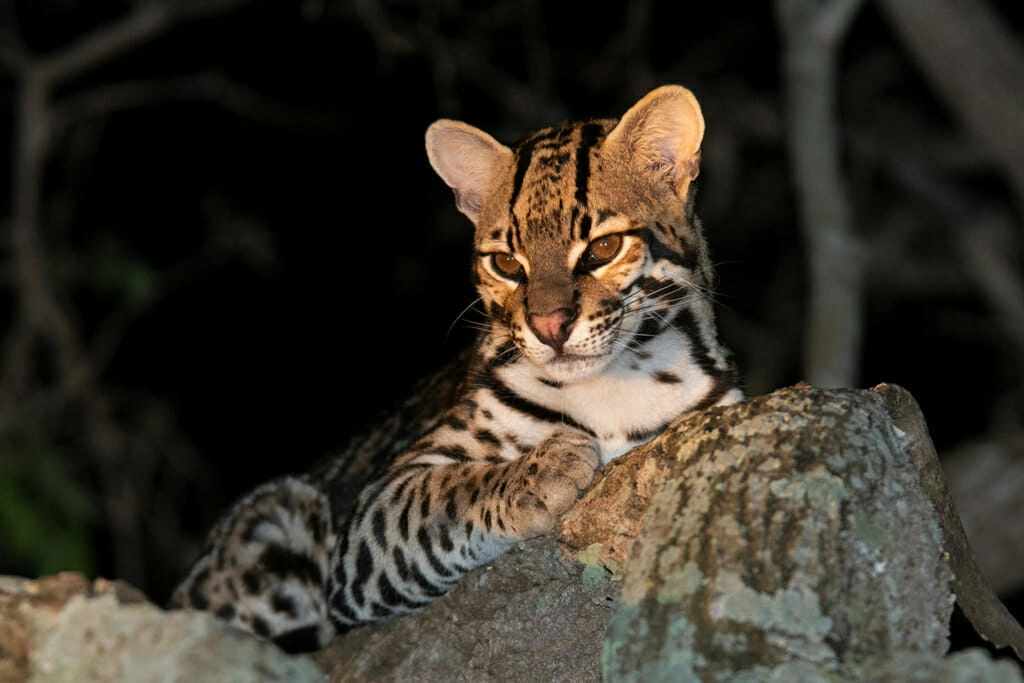
Have you ever wondered just how many different big cat breeds roam the wild? These powerful and majestic creatures capture our imagination like no others.
Knowing the variety of big cats can change how you see the animal kingdom—and maybe even inspire your next adventure or wildlife discovery. You’ll uncover the exact number of big cat breeds, learn what makes each one unique, and find out why they matter more than you might think.
Keep reading—you’re about to unlock some fascinating secrets about these incredible animals.
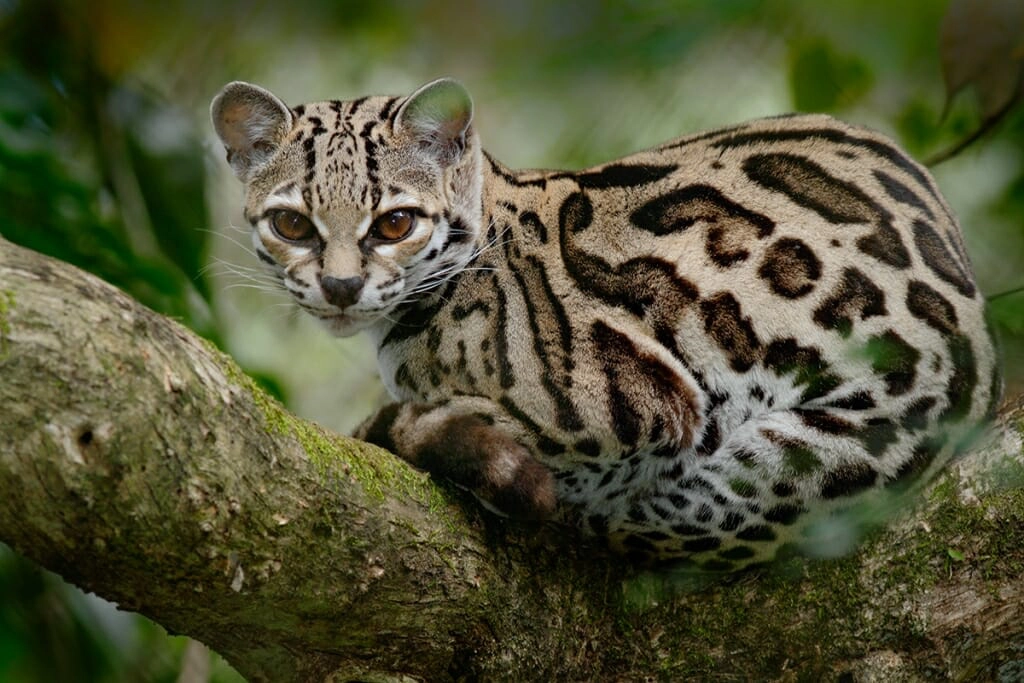
Credit: www.thewildlifediaries.com
Big Cat Classification
Big cats are among the most fascinating creatures on Earth. Their classification helps us understand which species belong to this elite group. Scientists use specific traits and genetics to classify big cats. This classification is essential to study their behavior and conservation needs.
Defining Big Cats
Big cats include the largest members of the cat family. They belong to the genus Panthera and sometimes Acinonyx. The main big cats are lions, tigers, leopards, jaguars, and snow leopards. Some experts also add the cheetah as a big cat. These animals share traits that separate them from smaller cats.
Key Characteristics
- Large body size compared to other cats
- Ability to roar, except for cheetahs and snow leopards
- Strong muscular build and sharp claws
- Powerful jaws and teeth for hunting
- Distinctive fur patterns and colors
- Solitary or social behavior depending on species
These features help identify which cats are “big cats.” They also explain how these animals survive in the wild.

Credit: www.thewildlifediaries.com
Main Big Cat Species
Big cats capture our imagination with their power, beauty, and mystery. Understanding the main big cat species helps you appreciate their unique traits and roles in nature. Each species has distinct habits and habitats that make them fascinating to learn about.
Lions
Lions are the only big cats that live in social groups called prides. You can find them mostly in Africa, with a small population in India. Their loud roar can be heard up to 8 kilometers away, marking their territory and communicating with the pride.
Tigers
Tigers are the largest of all big cats and are known for their striking striped coats. They are solitary animals that prefer dense forests across Asia. Have you ever wondered why no two tigers have the same stripe pattern? It’s nature’s fingerprint.
Leopards
Leopards are incredibly adaptable and can live in various environments, from rainforests to deserts. Their spotted coats help them blend perfectly into their surroundings. They are excellent climbers and often stash their prey in trees to keep it safe.
Jaguars
Jaguars are powerful swimmers and prefer habitats near water in Central and South America. Their rosettes have a unique pattern with spots inside, setting them apart from leopards. Jaguars have one of the strongest bites relative to their size among big cats.
Snow Leopards
Snow leopards live high in the mountains of Central Asia, expertly navigating rocky terrain. Their thick fur and long tails keep them warm in freezing temperatures. These cats are elusive, making them a rare sight even for experienced wildlife watchers.
Cheetahs
Cheetahs are the fastest land animals, capable of reaching speeds up to 70 mph in short bursts. Unlike other big cats, they rely on speed rather than strength to catch prey. Their tear-shaped facial markings reduce glare and help you see how nature has designed them for speed.
Cougars
Cougars, also known as mountain lions, have the largest range of any big cat in the Americas. They are highly adaptable, living from Canadian forests to South American mountains. Cougars are solitary and stealthy hunters, often surprising you with their ability to blend into various landscapes.
Rare And Lesser-known Big Cats
Big cats capture our imagination with their majestic presence and strength. While lions and tigers are well-known, some big cats remain in the shadows. These rare and lesser-known big cats intrigue many enthusiasts. Their unique features and elusive nature make them fascinating.
Clouded Leopards
Clouded leopards are a marvel with their beautiful spotted coats. They inhabit the dense forests of Southeast Asia. Their name comes from the cloud-like patterns on their fur. These cats are agile climbers, navigating trees with ease. Unfortunately, their numbers are dwindling due to habitat loss.
Sunda Clouded Leopards
The Sunda clouded leopard is a rare find on Borneo and Sumatra. They were once thought to be the same as the mainland clouded leopard. Recent studies show they are a distinct species. Their smaller size and different coat patterns set them apart. Conservation efforts are crucial to protect this unique species.
Other Regional Variants
Big cats also have regional variants that are lesser-known. The Asiatic cheetah roams Iran’s desert landscapes. It is critically endangered with only a few left in the wild. The Indochinese tiger is another rare variant. Found in the forests of Southeast Asia, its numbers are critically low. Each of these cats adds to the rich tapestry of wildlife diversity.
Big Cat Subspecies And Variations
Big cats are more diverse than many realize, with various subspecies adding layers of complexity to their classification. These variations often reflect adaptations to different environments, climates, and prey. Understanding these subspecies can deepen your appreciation for the diversity within the big cat family.
Tiger Subspecies
Tigers have several subspecies, each adapted to unique habitats. The Bengal tiger roams the Indian subcontinent and is known for its striking orange coat and powerful build. The Siberian tiger, found in Russia’s cold forests, is larger and has a paler coat to blend into snowy environments.
Other tiger subspecies include:
- Indochinese tiger – smaller and darker, inhabiting Southeast Asia
- Malayan tiger – found in the Malay Peninsula with distinct stripe patterns
- South China tiger – critically endangered and rarely seen in the wild
- Sumatran tiger – the smallest subspecies, adapted to dense island forests
Leopard Subspecies
Leopards show remarkable adaptability, leading to several subspecies across Africa and Asia. The African leopard dominates sub-Saharan regions with its rosette-patterned coat. The Indian leopard lives in varied habitats, from rainforests to dry scrublands.
Other leopard subspecies include:
- Javan leopard – critically endangered and restricted to Java island
- Arabian leopard – one of the smallest, adapted to arid environments
- Amur leopard – known for thick fur and extreme cold tolerance
Other Notable Subspecies
Beyond tigers and leopards, other big cats also have subspecies worth noting. Lions have African and Asiatic subspecies, with Asiatic lions being smaller and having a less developed mane. Cheetahs include the African cheetah and the critically endangered Asiatic cheetah, which has adapted to desert conditions.
These variations raise an interesting question: How might understanding these subspecies help in conservation efforts? When you learn about their distinct traits and habitats, you can better appreciate the specific challenges each faces.
Habitat And Distribution
Big cats live in many different places around the world. Their habitats vary from thick forests to open grasslands. Each species adapts to its own environment to survive and hunt. Understanding where big cats live helps us protect them better.
Global Range
Big cats are found on almost every continent except Antarctica and Australia. Tigers mainly live in Asia’s forests and grasslands. Lions roam the savannas of Africa and a small part of India. Leopards have a wider range, from Africa to parts of Asia. Jaguars prefer dense rainforests in Central and South America. Snow leopards live high in the mountains of Central Asia.
Threatened Habitats
Many big cat habitats are shrinking fast. Deforestation destroys forests where tigers and leopards live. Human farming and cities take over open lands. This leaves less space for lions and jaguars. Climate change also affects cold mountain areas for snow leopards. Loss of habitat means fewer animals and less food for big cats.
Conservation Status
The conservation status of big cats reveals a harsh reality. Many species face threats that push them toward extinction. Understanding their status helps you see why conservation matters urgently.
Endangered Species
Several big cat species are officially listed as endangered or critically endangered. The Amur leopard, with fewer than 100 individuals left in the wild, highlights how close extinction can be. Tigers also struggle, with only about 3,900 left worldwide due to habitat loss and poaching.
Have you ever wondered how losing even one species affects entire ecosystems? Each big cat plays a crucial role in maintaining balance, making their decline a warning sign for the health of nature.
Conservation Efforts
Conservation projects often focus on habitat protection, anti-poaching measures, and community education. In India, the “Project Tiger” initiative has helped increase tiger numbers through strict reserves and monitoring. Local communities get involved, which boosts success by reducing human-wildlife conflicts.
You might think that protecting big cats is just about saving animals, but it also helps preserve forests and water sources vital to people. What can you do to support these efforts? Simple actions like spreading awareness or supporting conservation groups make a difference.
Role Of Zoos And Reserves
Zoos and wildlife reserves serve as safe havens for endangered big cats. They provide controlled environments where cats can breed and thrive without the threat of poachers. These institutions also educate visitors, raising global awareness about the cats’ plight.
One surprising fact is that some zoos participate in reintroduction programs, helping bring big cats back to their natural habitats. Could visiting your local zoo inspire you to take action for wildlife conservation? Seeing these majestic animals up close often creates a lasting impact.
Big Cats In Culture And Media
Big cats have fascinated humans for centuries. Their strength, beauty, and mystery make them powerful symbols worldwide. These animals appear often in culture and media, shaping how people see nature and themselves. Stories, myths, films, and books use big cats to convey deep meanings and thrilling adventures. This connection makes big cats more than just animals; they become icons that inspire and teach.
Symbolism And Mythology
Big cats symbolize power, courage, and freedom in many cultures. Ancient civilizations often linked them to gods or spirits. For example:
- Lions represent royalty and protection in African and European traditions.
- Tigers are symbols of strength and bravery in Asian cultures.
- Leopards often signify agility and stealth in African myths.
Myths tell stories of big cats as guardians or warriors. These stories show respect and fear for these animals. They remind people to live with balance and honor.
Representation In Films And Literature
Big cats appear frequently in movies and books as heroes or villains. They add excitement and mystery to stories. Examples include:
- The lion in “The Lion King” represents leadership and family.
- Tigers in adventure tales often show wild beauty and danger.
- Leopards in detective novels symbolize cunning and survival.
These animals help create emotional connections with audiences. They teach lessons about nature and human character. Films and literature keep big cats alive in our imaginations.
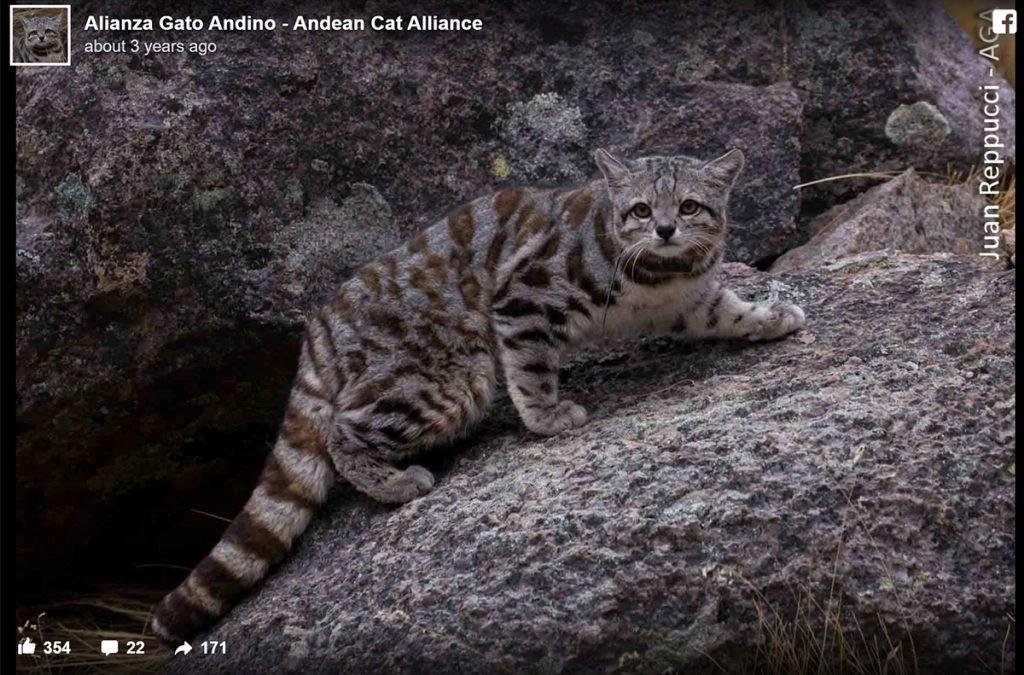
Credit: www.thewildlifediaries.com
Frequently Asked Questions
How Many Big Cat Species Exist Worldwide?
There are six primary big cat species globally: lion, tiger, leopard, jaguar, snow leopard, and cougar. Each species has unique traits and habitats. These cats belong to the Panthera genus, except the cougar. Understanding their diversity helps in conservation efforts.
What Defines A Cat As A “big Cat”?
Big cats are large wild felines capable of roaring, except the cougar. They have muscular builds, sharp retractable claws, and keen hunting skills. Size, roar ability, and genetic traits distinguish big cats from smaller felines. These traits aid in their survival and dominance.
Are All Big Cats Endangered Or Threatened?
Many big cat species face threats like habitat loss and poaching. Tigers and snow leopards are endangered, while lions are vulnerable. Conservation programs aim to protect these species. Awareness and habitat preservation are crucial for their survival.
Can Big Cats Roar And Why Is It Important?
Most big cats, except the cougar and snow leopard, can roar. Roaring helps in communication, territory marking, and mating calls. This ability is due to a specialized larynx and vocal cords. Roaring establishes dominance and warns rivals.
Conclusion
Big cats come in many types, each unique and fascinating. Knowing how many breeds exist helps us appreciate nature’s diversity. These powerful animals live in different places worldwide. Protecting their habitats keeps them safe for future generations. Learning about big cats can inspire respect and care.
Their strength and beauty make them truly special creatures. Keep exploring to discover even more about these amazing animals.



Leave a Reply