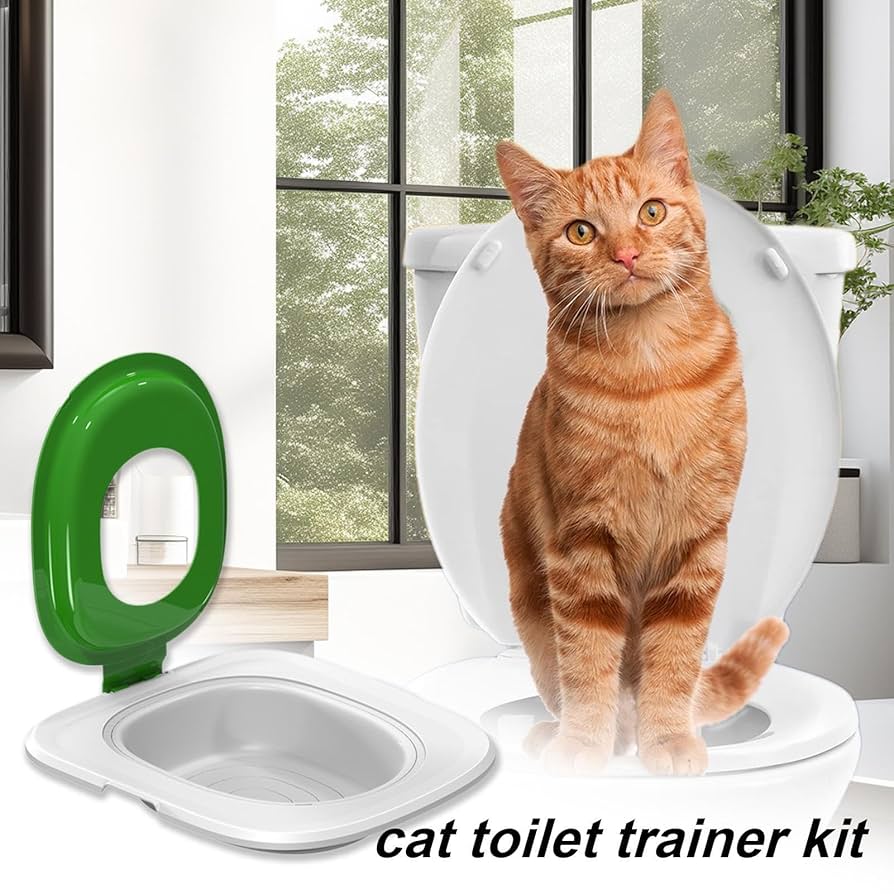
Have you ever wondered if your cat can be potty trained like a dog or even a toddler? Imagine the convenience of not having to deal with litter boxes or messy accidents.
If you’re tired of cleaning up after your furry friend and want a cleaner, fresher home, you’re not alone. The good news is, with the right approach, potty training your cat might be easier than you think. Keep reading to discover simple steps and expert tips that can transform your cat’s habits and make your life much easier.
Potty Training Basics
Potty training your cat may seem like a challenge, but understanding the basics can make the process much smoother. Cats have natural habits that guide how they use a litter box, and setting up the right environment is key. Let’s break down what you need to know to help your feline friend feel comfortable and confident with their bathroom routine.
How Cats Naturally Use The Litter Box
Cats instinctively bury their waste to hide their scent from predators. This behavior makes litter boxes a natural fit for them. You might notice your cat digging or scratching around the area before and after elimination—that’s a sign they’re comfortable with the spot.
Have you observed your cat’s behavior when they first encounter a litter box? They usually sniff and explore before deciding if it’s safe. This natural curiosity helps them learn quickly, so patience during the introduction phase is crucial.
Choosing The Right Litter Box
The size and design of the litter box play a big role in your cat’s willingness to use it. Boxes that are too small or have high sides can discourage some cats, especially older or less agile ones. Consider an open box if your cat likes easy access or a covered one if they prefer privacy.
Think about where you place the box, too. Cats prefer quiet, low-traffic areas away from their food and water. Have you noticed your cat avoiding the litter box? It might be the location rather than the box itself.
Selecting The Best Litter Type
Not all litters are created equal. Some cats prefer fine, clumping clay, while others like natural materials like wood pellets or corn-based options. Texture and scent affect their comfort and willingness to use the box consistently.
Try offering a few different types and watch your cat’s reaction. You might find that switching litters solves issues like avoidance or accidents. What’s your cat’s favorite? Finding the right litter can save you both a lot of frustration.
Preparing For Training
Preparing your cat for potty training creates a smooth learning process. This phase sets the foundation for success. It involves creating a welcoming space, gathering all needed items, and setting a daily schedule. Each step helps your cat feel safe and ready to learn new habits.
Setting Up A Comfortable Space
Choose a quiet, low-traffic area for the training spot. The space should be easy to clean and free from distractions. Place the potty area on a flat surface your cat can reach comfortably. Keep this spot consistent to avoid confusion. A calm setting helps your cat focus on the new routine.
Gathering Necessary Supplies
Collect all items before starting training. You will need a litter box or potty tray suitable for your cat’s size. Use soft, unscented litter to encourage use. Have cleaning supplies ready for accidents. Consider training pads or special cat-friendly potty products. Being prepared avoids delays and stress.
Establishing A Routine
Set regular times for potty breaks throughout the day. Observe when your cat usually needs to go and plan around that. Consistency helps your cat understand what to expect. Reward your cat with gentle praise or treats after success. A steady routine builds good habits faster.
Training Techniques
Cats are naturally clean creatures, but can they be potty trained? The answer is yes, with the right techniques and a bit of patience. Training your feline friend to use the litter box can make life easier for both of you. Let’s dive into some effective training techniques that can help your cat get accustomed to their new bathroom routine.
Introducing The Litter Box
Start by placing the litter box in a quiet and accessible location. Cats appreciate privacy and might refuse to use a box placed in a high-traffic area. Observe where your cat likes to go, and put the litter box there.
Make the litter box appealing by using unscented litter. Some cats are finicky about texture and scent. Experiment with different types until you find one your cat prefers.
If your cat is hesitant, gently place them in the litter box after meals or naps. This is when they are most likely to need it. Stay patient and consistent, and your cat will start to associate the litter box with their bathroom needs.
Encouraging Proper Use
Reward your cat each time they use the litter box correctly. Positive reinforcement, like treats or praise, works wonders. It reinforces the behavior you want to see.
Keep the litter box clean. Scoop daily to remove waste, as cats might refuse to use a dirty box. A clean box invites your cat back for their next visit.
Have multiple cats? Ensure you have one litter box per cat plus one extra. Some cats prefer their own space, and this prevents territorial disputes.
Dealing With Accidents
Accidents happen, and it’s important to address them calmly. Never punish your cat, as this can create fear and anxiety around using the litter box.
Clean accidents promptly with an enzymatic cleaner to remove odors. This prevents your cat from returning to the same spot.
Reflect on potential causes, like box location or litter type. Sometimes a simple change can make all the difference in your cat’s potty training journey.
Potty training a cat requires understanding and adaptability. Each cat is unique, so what works for one may not work for another. Are you ready to embark on this rewarding journey with your feline friend?

Credit: www.purina.com
Common Challenges
Potty training a cat might seem straightforward, but you’ll likely face some hurdles along the way. Understanding these common challenges helps you prepare and respond effectively. Each cat is different, and patience combined with the right approach makes all the difference.
Avoiding Litter Box Aversion
Some cats suddenly refuse to use their litter box, which can be frustrating. This aversion often happens because the box is dirty, placed in a noisy area, or the type of litter isn’t comfortable for your cat. You might notice your cat going elsewhere around the house—this is a clear sign something about the litter box setup isn’t right.
Try cleaning the box more frequently and experiment with different types of litter. Also, place the box in a quiet, low-traffic spot where your cat feels safe. Have you checked if the litter box size suits your cat? Smaller boxes can deter bigger cats from using them.
Addressing Behavioral Issues
Sometimes, potty training struggles stem from behavioral problems like stress or territorial marking. Cats can respond to changes in their environment by urinating outside the box. If you recently added a new pet or moved furniture, your cat might feel unsettled and act out.
Watch for signs of anxiety or aggression and try to create a calm routine. You can use pheromone sprays or diffusers to help your cat relax. Have you noticed if your cat is marking vertical surfaces or just avoiding the litter box entirely? This detail helps pinpoint the root cause.
Handling Medical Concerns
Medical issues can make potty training impossible until treated. Urinary tract infections, bladder stones, or constipation cause discomfort that makes cats avoid the litter box. If your cat suddenly changes bathroom habits, a vet visit is crucial.
Don’t ignore signs like frequent attempts to urinate with little success or blood in the urine. Early diagnosis and treatment not only ease the problem but also prevent long-term complications. Have you kept a record of your cat’s bathroom behavior to share with your vet?
Advanced Tips
Advanced potty training tips help cats adjust better and faster. These tips focus on older cats, positive rewards, and moving outside. Patience and gentle guidance play key roles in success.
Training Older Cats
Older cats can learn new habits with clear routines. Keep the litter box clean and in a quiet place. Use a type of litter your cat prefers. Watch for signs when your cat needs to go. Praise or pet your cat after using the box. Avoid punishment, as it may cause stress.
Using Positive Reinforcement
Reward good behavior to encourage your cat. Offer small treats or gentle petting after successful bathroom use. Speak softly and cheerfully to create a happy mood. Positive reinforcement builds trust and makes training easier. Avoid scolding, which can confuse your cat.
Transitioning To Outdoor Training
Start by placing the litter box near the door. Gradually move it closer to the outside. Let your cat explore the yard under supervision. Create a safe outdoor bathroom spot with soft soil. Praise your cat for using the outdoor area. Be patient; some cats need time to adjust.

Credit: www.amazon.com
Maintaining Success
Keeping your cat successfully potty trained is an ongoing effort that requires attention and care. It’s not just about teaching your cat once, but about maintaining a clean and comfortable environment that encourages good habits. Small changes in routine or health can affect your cat’s behavior, so staying alert can help you avoid setbacks.
Cleaning And Maintenance
Regular cleaning is key to maintaining your cat’s litter area. Cats are very particular about cleanliness and may avoid a dirty litter box. Scoop waste daily and wash the box with mild soap weekly to keep odors and bacteria at bay.
Consider the type of litter you use. Some cats prefer finer textures, while others like clumping litter. Changing litter types without warning can confuse your cat, so introduce new litter gradually.
Monitoring Cat’s Health
Changes in your cat’s bathroom habits might signal health issues. If your cat suddenly avoids the litter box or urinates outside it, check for signs of illness like urinary tract infections or stress. Regular vet check-ups can help catch problems early.
Watch for subtle signs like frequent attempts to use the litter box or vocalizing during urination. These could mean discomfort or pain. How often do you observe your cat’s litter box routine?
Adapting To Changes
Life changes can disrupt your cat’s routine and potty training success. Moving to a new home, adding a pet, or changing litter box locations can confuse your cat. To help your cat adjust, keep the litter box setup as consistent as possible.
Be patient and provide extra attention during transitions. If your cat starts having accidents, return to basics with litter box training steps. Have you noticed how your cat reacts to changes in the household?

Credit: www.walmart.com
Frequently Asked Questions
Can Cats Be Potty Trained Like Dogs?
Yes, cats can be potty trained, but the process differs from dogs. Cats naturally use litter boxes. Training focuses on consistency and patience, often using positive reinforcement to encourage proper bathroom habits.
What Is The Easiest Way To Potty Train A Cat?
The easiest way is to use a litter box consistently. Place it in a quiet, accessible spot. Reward your cat for using it and keep it clean to encourage regular use.
How Long Does It Take To Potty Train A Cat?
Potty training a cat usually takes a few days to a few weeks. It depends on the cat’s age, personality, and your consistency in training.
Can All Cats Learn To Use A Litter Box?
Most cats can learn to use a litter box. However, some older or sick cats may face challenges. Patience and proper guidance increase success rates.
Conclusion
Cats can learn to use the potty with patience and care. It takes time and gentle training. Not all cats may adapt, but many do well. Consistency and rewards help your cat understand. Watch your cat’s comfort and progress closely.
A clean, quiet spot encourages success. Remember, every cat is different. Potty training can reduce litter mess and save money. Try small steps and stay patient. Your cat can enjoy a cleaner, healthier home. Give it a chance, and you might be surprised.



Leave a Reply