Are you wondering if your new furry friend is already potty trained? You’re not alone.
Knowing whether your cat can use the litter box right away can save you time, stress, and a lot of mess. Imagine coming home to a clean house and a happy pet, without the constant worry about accidents. You’ll discover the signs that show if your cat is ready, what to expect, and how to make the process easy for both of you.
Keep reading to find out everything you need to know about your cat’s potty training status.

Credit: www.purina.com
Natural Instincts And Litter Habits
Cats have a strong sense of where and how they prefer to do their business. This is no accident but a result of their natural instincts, shaped over thousands of years. Understanding these instincts can help you realize if your cat is already potty trained or if it needs some guidance.
How Cats Choose Their Bathroom Spot
Cats pick their bathroom spot based on safety, cleanliness, and privacy. They look for places where they won’t feel threatened by predators or disturbances. This is why many cats prefer quiet corners or hidden areas in your home.
Texture matters, too. Cats usually like soft, sandy, or fine-grain surfaces where they can easily dig and cover their waste. This natural behavior helps control their scent and avoid attracting other animals.
Have you noticed your cat sniffing around before settling down? That’s them testing the spot for comfort and safety. If the area feels right, they will mark it as their bathroom.
Wild Vs. Domestic Cat Behavior
Wild cats instinctively bury their waste to hide their presence from predators and rivals. Domestic cats carry this trait but adapt it to indoor living. They use litter boxes as a substitute for natural soil or sand.
Unlike wild cats, domestic cats rely on you to provide the right environment. If the litter box is dirty or placed in a noisy area, your cat may refuse to use it. This shows how their instincts combine with their environment to shape their habits.
Think about the last time your cat avoided the litter box. Could it be that the spot felt unsafe or uncomfortable? Paying attention to these instincts can save you a lot of frustration and help your cat feel at home.
Kittens And Early Training
Getting kittens started with potty training early can save you a lot of hassle later. Kittens are naturally curious and quick learners, so the earlier you guide them, the better their habits will form. Understanding how and when this training begins helps you create a smooth experience for both you and your furry friend.
When Litter Training Begins
Kittens usually start showing interest in the litter box as early as three to four weeks old. This is when they begin to explore their surroundings and imitate behaviors they see. You might notice them pawing at the litter or sniffing around, which signals they are ready to learn.
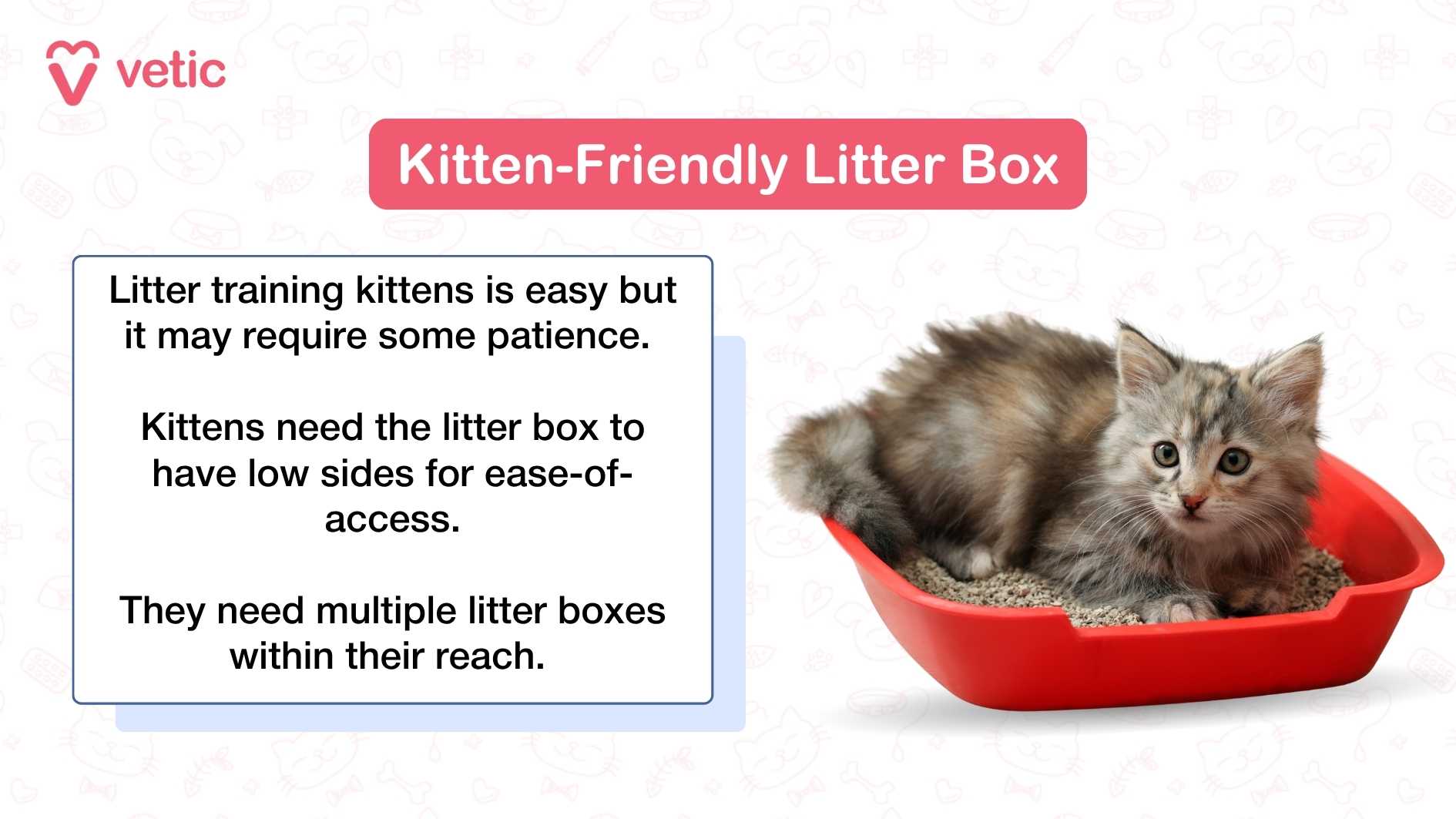
Setting up a clean, easily accessible litter box at this stage makes a big difference. Place it in a quiet, low-traffic area to help your kitten feel comfortable. Keep the litter shallow so they can dig without trouble, encouraging natural instincts.
Role Of Mother Cat In Teaching
The mother cat plays a crucial role in early potty training. She instinctively shows her kittens where and how to use the litter by digging and covering waste. Watching your kitten follow her lead is a clear sign they are absorbing these essential habits.
If the mother is absent, you’ll need to step in and gently guide your kitten. Use a soft touch to place them in the litter box after meals or naps. This mimics the mother’s teaching and helps your kitten understand where to go.
Have you noticed your kitten’s behavior after meals? That’s the perfect time to encourage litter box use and reinforce good habits early on.
Signs A Cat Is Potty Trained
Understanding if your cat is potty trained can make life a lot easier. Recognizing the signs can save you from unnecessary clean-ups and help foster a better relationship with your feline friend. Let’s look into some clear indicators that your cat has mastered the art of using the litter box.
Using The Litter Box Consistently
A key sign that your cat is potty trained is their consistent use of the litter box. If your cat heads straight to the litter box when nature calls, that’s a positive sign. You might notice them scratching around or sniffing the area, indicating they understand where to go.
Think about how nice it is to not worry about unexpected messes. Regularly cleaning the box encourages this behavior as cats appreciate a tidy space. Are you ensuring the litter box is always accessible and clean?
Avoiding Accidents Around The House
If your cat isn’t leaving surprises around the house, they likely know where to go. Avoiding accidents means they understand the distinction between their bathroom area and the rest of your home. It’s crucial to observe if your cat seems to be actively seeking out the litter box rather than using any available corner.
Have you noticed fewer accidents over time? This might mean they’re growing accustomed to their designated potty spot. Consistency in their environment can further support this habit, ensuring they feel secure in their surroundings.
Challenges In Potty Training Cats
Potty training cats can be a tricky task. Cats have unique habits that differ from dogs or other pets. Understanding these habits helps in training them effectively. Many owners face challenges that cause frustration and confusion. Recognizing common issues and health concerns can improve the training process.
Common Mistakes Owners Make
- Changing the litter box location too often confuses cats.
- Using scented litter can deter cats from using the box.
- Ignoring signs of discomfort or avoidance behavior.
- Punishing cats for accidents can increase anxiety.
- Not cleaning the litter box regularly causes bad odors.
- Choosing a litter box that is too small or hard to access.
Health Issues Affecting Bathroom Habits
Illnesses can change a cat’s bathroom behavior. Urinary tract infections cause frequent urination outside the box. Kidney problems may increase thirst and urination. Arthritis or pain can make reaching the litter box difficult.
Stress and anxiety also affect bathroom habits. Changes in the home or routine may cause accidents. It is important to consult a vet if problems persist.
Tips To Encourage Proper Litter Use
Encouraging your cat to use the litter box properly can save you from frustration and keep your home fresh. It’s not just about placing a box in the corner; the right setup and care can make all the difference. Let’s look at practical tips that help your cat feel comfortable and confident with their litter box routine.
Choosing The Right Litter And Box
Not all litters or boxes suit every cat. Some cats prefer fine-grain clumping litter, while others may like unscented or natural options.
- Box size:Make sure the box is large enough for your cat to turn around easily. If your cat is still growing, choose a bigger box from the start.
- Litter type:Try a few types—clumping clay, silica gel, or biodegradable litter—to see what your cat prefers.
- Covered vs. uncovered:Some cats feel trapped in covered boxes; others like the privacy. Watch your cat’s behavior to decide.
Have you noticed your cat avoiding the box after changing the litter brand? This is a clear sign they are picky, and adjusting the litter can solve the problem quickly.
Cleaning And Maintenance Best Practices
Cleanliness is key to keeping your cat using the litter box. Cats are naturally clean animals and may avoid dirty boxes.
- Scoop daily:Remove waste every day to keep the box inviting.
- Wash weekly:Use mild soap and warm water to clean the box completely once a week. Avoid strong-smelling cleaners that can deter your cat.
- Use multiple boxes:If you have more than one cat, provide one box per cat plus one extra to reduce competition and stress.
Have you ever skipped scooping for a couple of days? That quick decision can lead to your cat finding new, less desirable places to go. Keeping up with cleaning shows respect for your cat’s habits and encourages good litter use.
Credit: vetic.in
When To Seek Veterinary Advice
Knowing when to seek veterinary advice about your cat’s potty habits can make a big difference. Sometimes, changes in their bathroom behavior point to health issues rather than just training problems. Paying close attention to these signs helps you act quickly and keep your cat comfortable and healthy.
Recognizing Behavioral Changes
Has your cat suddenly stopped using the litter box? Or maybe they’re going more often than usual. These shifts in behavior are red flags you shouldn’t ignore.
Notice if your cat:
- Avoids the litter box entirely
- Shows signs of distress while urinating or defecating
- Starts hiding or becoming unusually withdrawn
Such changes often signal discomfort or pain. If you see these, ask yourself: Could my cat be experiencing something beyond just a litter box preference?
Possible Medical Conditions
Various medical issues can cause your cat to act differently around potty time. Urinary tract infections, bladder stones, or kidney problems commonly disrupt litter box habits.
Other conditions might include:
- Diabetes, which increases urination frequency
- Arthritis, making it painful to squat or jump into the box
- Gastrointestinal issues causing sudden diarrhea
Ignoring these symptoms can lead to serious complications. If your cat’s behavior doesn’t improve within a day or two, or worsens, it’s time to consult your vet. Your vet can run tests to identify the root cause and provide treatments that help your cat feel better fast.

Credit: www.purina.com
Frequently Asked Questions
Are Cats Naturally Potty Trained?
Yes, cats instinctively bury their waste, which acts as natural potty training. Most kittens learn this behavior from their mother early on.
How Soon Do Kittens Learn To Use The Litter Box?
Kittens typically start using the litter box by three to four weeks old. They develop this habit through observation and instinct.
Can Adult Cats Be Potty Trained Easily?
Most adult cats are already litter trained. However, some may need gentle guidance and consistency to reinforce good habits.
What If My Cat Refuses To Use The Litter Box?
Refusal can indicate health issues, stress, or litter preferences. Consult a vet and try different litter types or box locations.
Conclusion
Cats often learn to use the litter box on their own. Most kittens start potty training at a young age. Some cats may need extra help and patience. Keep the litter box clean and in a quiet spot. Watch your cat’s behavior to catch any problems early.
Potty training is usually quick and easy. With care and time, your cat will use the litter box well. A happy cat means a happy home. Simple steps make a big difference.



Leave a Reply