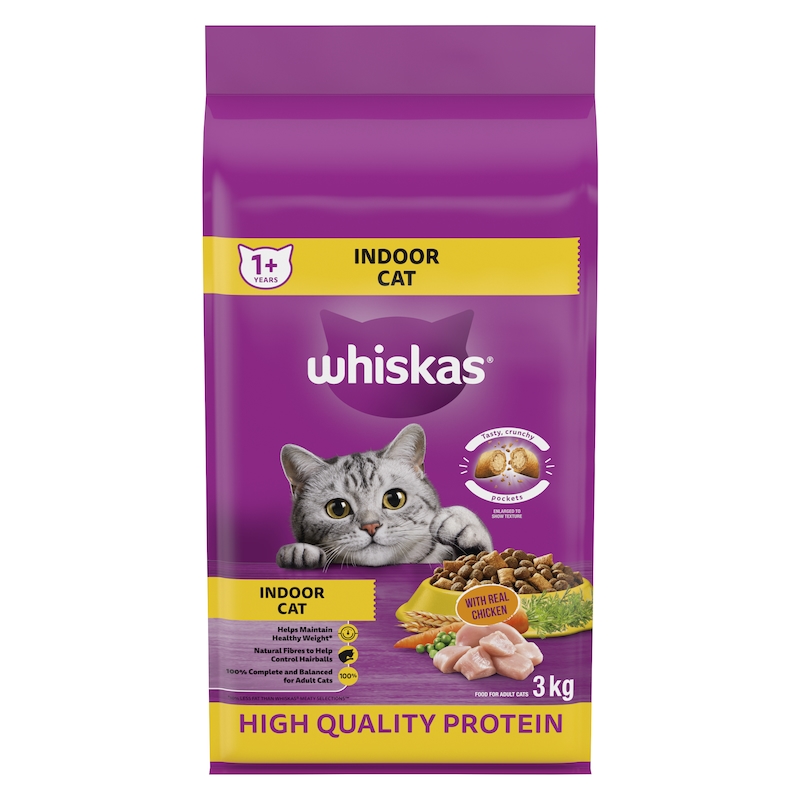
Choosing the right food for your adult cat is more important than you might think. What you feed your furry friend affects their energy, health, and happiness every day.
But with so many options out there, how do you know what’s best for your cat? This guide will help you understand the types of food that can keep your adult cat strong and thriving. Keep reading to discover simple tips that make a big difference in your cat’s life.
Nutritional Needs Of Adult Cats
Understanding the nutritional needs of adult cats is key to keeping your feline friend healthy and active. Cats aren’t just small dogs; their dietary requirements are unique and specific. Meeting these needs helps prevent health issues and supports their natural energy and vitality.
Essential Nutrients
Cats need a balance of proteins, fats, vitamins, and minerals to thrive. Protein is especially important because cats are obligate carnivores—they rely on meat to get amino acids like taurine, which they can’t make on their own.
Fat provides energy and supports skin and coat health, while vitamins like A and D help with vision and bone growth. Minerals such as calcium and phosphorus maintain strong bones and teeth.
Have you checked if your cat’s food contains these essential nutrients in the right amounts? Reading labels carefully can make a big difference.
Caloric Requirements
Adult cats need enough calories to maintain a healthy weight and energy level. Typically, an average indoor cat requires about 20 calories per pound of body weight daily, but this varies based on activity and age.
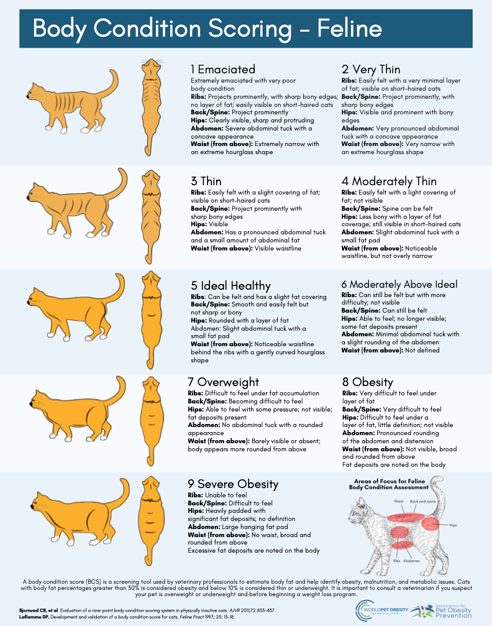
Overfeeding can lead to obesity, while underfeeding may cause malnutrition. Monitoring your cat’s weight and adjusting portions is crucial.
Think about how active your cat is—does it jump and play often, or prefer lounging all day? Tailoring calorie intake to their lifestyle keeps them fit and happy.
Hydration Importance
Cats often don’t drink enough water, which can lead to urinary and kidney problems. Wet cat food contains moisture and can help keep your cat hydrated, especially if they aren’t keen on drinking water.
Providing fresh water daily and encouraging your cat to drink more can prevent dehydration issues. Some cats prefer running water, so a cat fountain might be worth trying.
Have you noticed your cat’s drinking habits? Small changes in hydration can hugely impact their health over time.
Types Of Cat Food
Choosing the right type of food for your adult cat can feel overwhelming with so many options on the market. Understanding the benefits and drawbacks of each type helps you make informed decisions that suit your cat’s needs and lifestyle. Here’s a closer look at the common types of cat food and what they offer.
Dry Food Benefits And Drawbacks
Dry cat food is popular due to its convenience and affordability. It’s easy to store and can be left out for your cat to nibble on throughout the day without spoiling quickly.
However, dry food often contains more carbohydrates and less moisture compared to wet food. This might not be ideal if your cat doesn’t drink enough water, as it can increase the risk of urinary problems. Have you noticed your cat drinking less water? That could be a sign to reconsider dry food options.
Wet Food Advantages
Wet cat food offers higher moisture content, which helps keep your cat hydrated and supports kidney health. It’s often closer to a cat’s natural diet in texture and flavor, which can make it more appealing to picky eaters.
Feeding wet food can also help with weight management since it tends to be lower in calories and fills your cat up more effectively. Keep in mind that wet food can be more expensive and requires refrigeration once opened, so plan accordingly.
Raw And Homemade Diets
Some cat owners prefer raw or homemade diets to control exactly what their pets eat. These diets can provide fresh ingredients and eliminate fillers found in commercial foods.
However, preparing raw or homemade meals requires careful balancing of nutrients to avoid deficiencies or excesses. Consulting with a vet or pet nutritionist is crucial before switching to these diets. Are you ready to commit the time and effort needed to prepare meals that truly meet your cat’s nutritional needs?
Choosing Quality Ingredients
Choosing quality ingredients for adult cat food is crucial. It ensures a balanced diet and promotes overall health. Cats need specific nutrients to thrive. Let’s explore key ingredients that should be in their diet.
Protein Sources
Protein is vital for a cat’s health. It supports muscle development and energy. Look for foods with real meat like chicken, beef, or fish. These provide essential amino acids. Avoid products with unnamed meat by-products. They lack transparency and quality. High-quality protein promotes a healthy coat and skin.
Carbohydrates And Fiber
Carbohydrates provide energy and aid digestion. They should be present in small amounts. Whole grains like brown rice and oats are good sources. Vegetables also offer beneficial fiber. Fiber supports a healthy digestive system. It can prevent constipation and help maintain weight.
Fats And Fatty Acids
Fats are important for energy and nutrient absorption. Omega-3 and omega-6 fatty acids are essential. They support brain health and reduce inflammation. Fish oil and flaxseed are excellent sources. Quality fats contribute to a shiny coat and healthy skin. Avoid excessive fat content to prevent obesity.
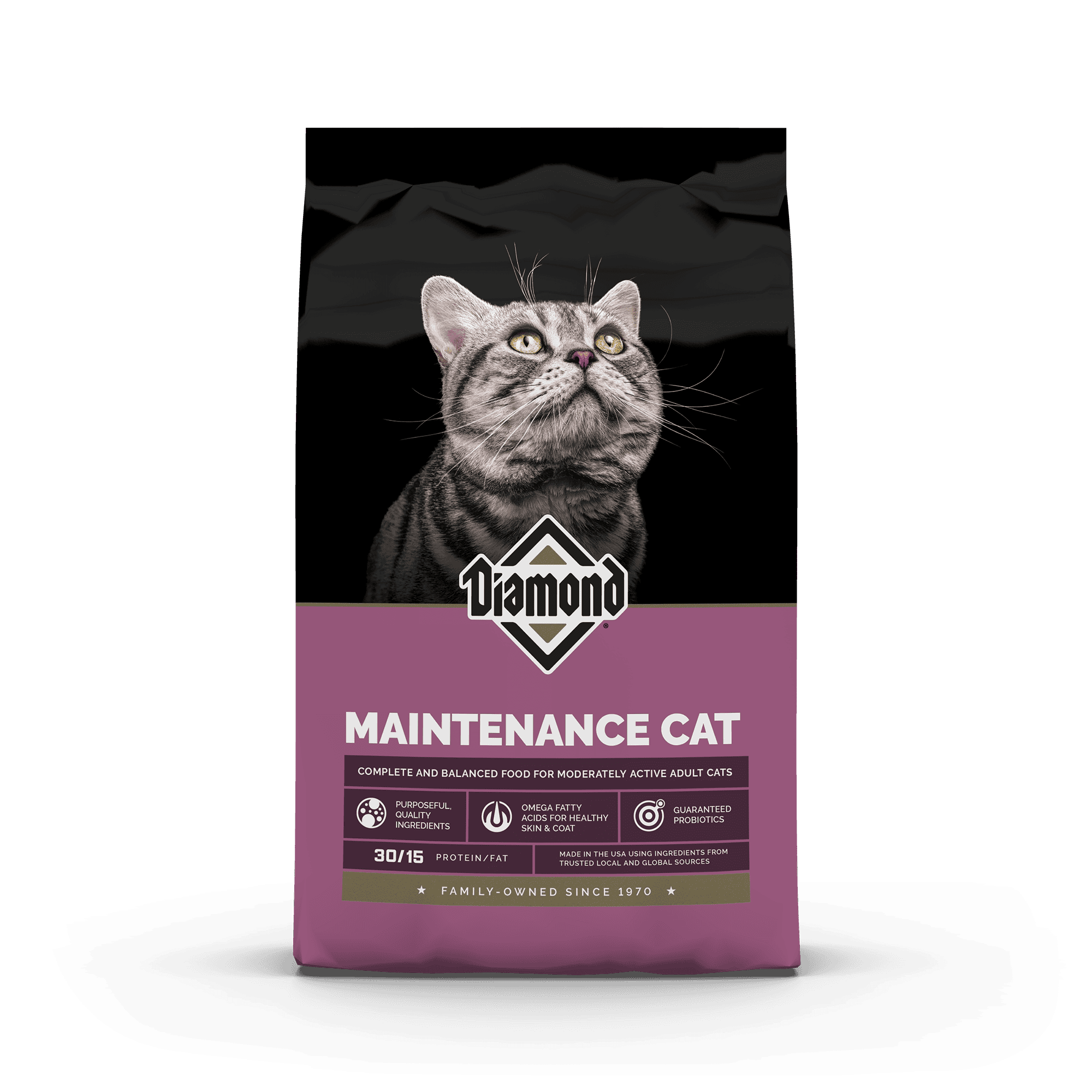
Credit: www.diamondpet.com
Special Dietary Considerations
Adult cats need special diets based on their unique health needs. Their food must support their lifestyle, health, and any medical issues. Paying attention to special dietary considerations helps keep cats healthy and happy.
Weight Management
Maintaining a healthy weight is vital for adult cats. Overweight cats face risks like diabetes and joint problems. Choose foods with controlled calories and high protein. Regular meals and portion control help prevent overeating. Low-carb diets can support weight loss without losing muscle.
Food Allergies And Sensitivities
Some cats react to certain ingredients in food. Common allergens include beef, dairy, and fish. Symptoms may include itching, vomiting, or diarrhea. Hypoallergenic or limited-ingredient diets reduce allergic reactions. Always observe your cat after introducing new food.
Age-related Needs
As cats age, their dietary needs change. Older cats need more easily digestible proteins and added vitamins. Joint support supplements like glucosamine can improve mobility. Hydration is critical, so wet food or fresh water helps. Adjust food type and portion to match activity levels.
Reading Cat Food Labels
Reading cat food labels helps you choose the best nutrition for your adult cat. Labels show important information about ingredients, nutrients, and freshness. Understanding these details supports your cat’s health and wellbeing.
Ingredient Lists
The ingredient list shows what is inside the cat food. Ingredients are listed by weight, from most to least. Look for real meat, such as chicken or fish, as the first ingredient. Avoid foods with too many fillers like corn or wheat. Natural ingredients help your cat get the right nutrients.
Nutritional Adequacy Statements
This statement tells if the food meets cat nutrition standards. It confirms the food has the right balance of protein, fat, vitamins, and minerals. Look for phrases like “complete and balanced” or approval from AAFCO. This ensures the food supports your cat’s daily needs.
Expiration Dates
Expiration dates show how long the food stays fresh. Feeding expired food can cause health problems. Always check the date before buying or feeding. Store food properly to keep it fresh longer. Fresh food keeps your cat healthy and happy.

Credit: www.businessinsider.com
Feeding Schedules And Portions
Feeding schedules and portions play a key role in keeping adult cats healthy. Proper timing and the right amount of food help maintain their weight and energy. Cats thrive on routine, and a consistent feeding plan supports digestion and behavior.
Meal Frequency
Adult cats usually do well with two meals a day. This mimics their natural hunting habits of eating small, frequent meals. Some cats prefer free feeding with dry food, but portion control is harder this way. Scheduled meals help monitor food intake and prevent overeating.
Portion Control Tips
Measuring food is crucial to avoid weight gain or loss. Use a standard measuring cup or a kitchen scale for accuracy. Follow the feeding guidelines on the cat food package but adjust based on your cat’s needs. Watch your cat’s body condition and adjust portions if they gain or lose weight.
Adjusting For Activity Level
Active cats need more calories to fuel their energy. Less active or indoor cats require fewer calories to prevent obesity. Adjust portion sizes based on how much your cat moves daily. Keep an eye on their weight and energy to find the right balance.
Common Feeding Mistakes
Feeding your adult cat might seem straightforward, but many pet owners unknowingly make mistakes that can harm their feline’s health. These errors often come from good intentions but end up causing nutritional imbalances or health issues. Understanding common feeding mistakes helps you provide better care and keep your cat thriving.
Overfeeding Risks
Giving your cat more food than needed can lead to serious health problems like obesity and diabetes. Cats don’t always stop eating when full, so free-feeding or leaving food out all day can cause overeating.
Think about your own cat’s activity level and adjust portions accordingly. You might be surprised how much less food your cat actually needs to stay fit and active.
Inappropriate Human Foods
Many cat owners share their meals with their pets, but some human foods are toxic or hard to digest for cats. Ingredients like onions, garlic, chocolate, and even some dairy products can cause digestive upset or worse.
Instead of treats from your plate, choose cat-safe snacks or specially formulated treats. Your cat’s health depends on what you offer, so ask yourself if the food is truly safe before sharing.
Ignoring Hydration
Cats often don’t drink enough water, especially if they eat dry kibble exclusively. Dehydration can lead to urinary tract issues and kidney problems over time.
Try adding wet food to their diet or placing multiple water bowls around the house. You could also experiment with pet fountains, as some cats prefer running water.
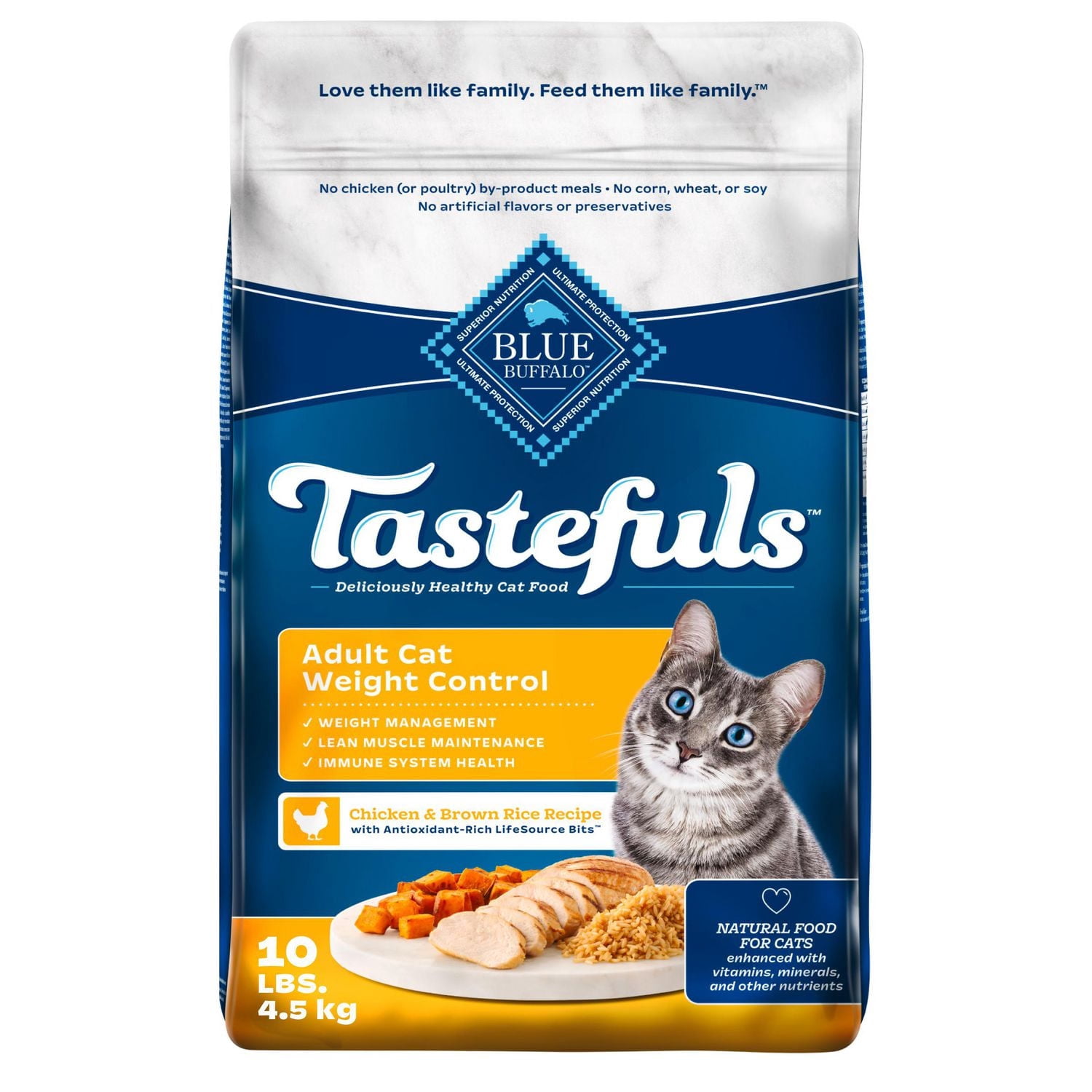
Credit: www.walmart.ca
Supplements And Treats
Supplements and treats play a special role in your adult cat’s diet. They can support overall health and add variety to meals. Supplements help fill nutrient gaps, while treats offer moments of joy and bonding. Both should be used wisely to keep your cat happy and healthy.
When To Use Supplements
Supplements are not always necessary for adult cats. Use them only if a vet recommends. Common reasons include joint support, skin health, or digestive aid. Avoid random supplements that may upset your cat’s balance. Quality and dosage matter most for safety.
Healthy Treat Options
- Small pieces of cooked chicken or turkey
- Freeze-dried meat treats without additives
- Commercial treats made from natural ingredients
- Catnip or cat grass for natural enjoyment
Choose treats low in calories and free of fillers. Treats should be occasional, not daily meals.
Avoiding Harmful Additives
Read labels carefully to avoid harmful substances. Avoid treats with:
- Artificial colors or flavors
- Excess salt or sugar
- Preservatives like BHA, BHT, or ethoxyquin
- Unknown or vague ingredients
Pure and simple ingredients support your cat’s health best.
Frequently Asked Questions
What Type Of Food Is Best For Adult Cats?
Adult cats need high-protein, balanced diets with essential nutrients. Wet or dry cat food with quality meat sources is ideal. Avoid fillers like corn or soy. Look for foods rich in taurine, vitamins, and minerals to support overall health and energy.
Can Adult Cats Eat Only Dry Food?
Dry food is convenient and helps dental health but may lack moisture. Combining dry with wet food ensures hydration and balanced nutrition. Always provide fresh water if feeding only dry food to prevent urinary issues and keep your cat healthy.
How Often Should I Feed My Adult Cat?
Feed adult cats two meals per day, spaced 8-12 hours apart. Avoid free-feeding to maintain healthy weight and prevent overeating. Portion sizes depend on cat’s weight, age, and activity level. Consult your vet for specific feeding guidelines.
Are Grain-free Foods Better For Adult Cats?
Grain-free foods may benefit cats with allergies or sensitivities. However, most cats digest grains well. Prioritize high-quality protein and balanced nutrients over grain content. Always check ingredient lists and consult your vet before switching diets.
Conclusion
Choosing the right food helps keep your adult cat healthy and happy. Cats need proteins, fats, and vitamins in their diet. Dry and wet foods both have benefits to consider. Always check the ingredients for quality and balance. Fresh water should be available at all times.
Feeding your cat properly supports a long and active life. Trust your knowledge and watch your cat thrive every day. Simple choices make a big difference for your furry friend.

Leave a Reply