Are you wondering when the right time is to switch your cat to adult food? Feeding your cat the proper diet is crucial for their health and happiness.
If you feed them too early or too late, it can affect their growth, energy, and overall well-being. You’ll discover clear signs to look for and expert tips to make this transition smooth and stress-free for both you and your furry friend.
Keep reading to ensure your cat gets the nutrition they need at every stage of life.

Credit: www.petsmart.com
Cat Growth Stages
Understanding the cat growth stages helps decide the right time to feed adult food. Cats have distinct phases in their life. Each phase needs different nutrition for healthy growth and development. Feeding the correct food supports their energy and body needs at every stage.
Kitten Phase
Kittens grow fast and need more calories than adults. Their food must be rich in protein and fat. This helps build strong muscles and bones. Kittens usually eat special kitten food until they are about one year old. Their diet supports rapid growth and brain development.
Adolescent Changes
Adolescence in cats starts around six months. Growth slows but energy needs remain high. Cats become more active and curious. They may begin to lose baby teeth and grow adult teeth. During this phase, a gradual shift from kitten food to adult food is ideal. Mixing both types helps the cat adjust smoothly.
Adult Maturity
Adult cats reach full size by one year. Their metabolism slows down compared to kittens. Feeding adult cat food provides balanced nutrients without excess calories. This helps maintain a healthy weight and supports overall wellness. Adult food usually contains the right amount of protein, fat, and vitamins for mature cats.
Credit: www.purina.com
Signs To Switch Food
Knowing when to switch your cat from kitten to adult food is key to keeping them healthy and happy. Cats don’t always tell us directly when they’re ready for a change, so watching for certain signs is important. These signs can come from their body, behavior, or advice from your vet.
Physical Indicators
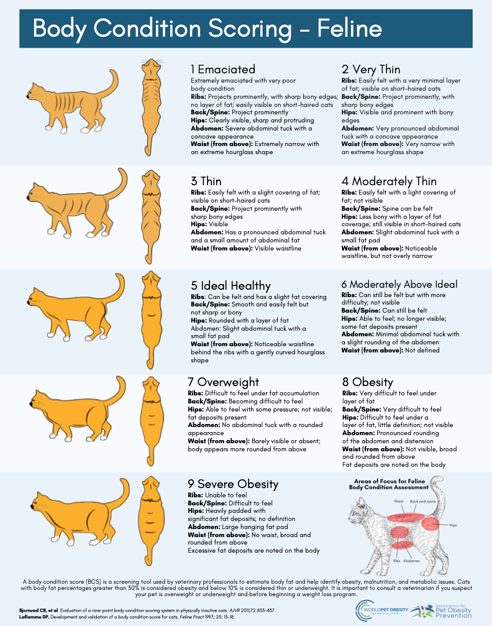
One clear sign is your cat reaching about one year of age, as their growth slows down. You might notice their body shape becoming more defined and less round than when they were kittens.
Also, check their weight and coat condition. A shiny coat and stable weight often mean their current diet is working. But if your cat seems too thin or overweight, or their fur looks dull, it may be time to rethink their food.
Behavioral Clues
Have you noticed your cat eating less or showing less interest in their food? That can signal that their kitten food is no longer satisfying their needs.
Sometimes, cats become pickier as they grow older. They might start refusing their old food or act restless after meals. These changes in behavior can hint that adult food might suit them better now.
Veterinary Recommendations
Your vet is a great resource for deciding when to switch your cat’s diet. During routine visits, they can assess your cat’s health and growth to suggest the right time to change food.
They might also recommend adult food if your cat has special health needs or conditions that require a specific diet. Don’t hesitate to ask your vet about the best options tailored for your cat’s age and lifestyle.
Nutritional Needs Of Adults
Cats grow out of their kitten stage and enter adulthood with new nutritional demands. Their diet needs to shift to support maintenance rather than growth. Understanding these changes helps you decide the right time to switch your cat to adult food and ensure they stay healthy and energetic.
Protein Requirements
Adult cats still need plenty of protein, but the amount changes compared to when they were kittens. Protein supports muscle maintenance and overall health. Too little protein can lead to muscle loss, while too much can strain their kidneys.
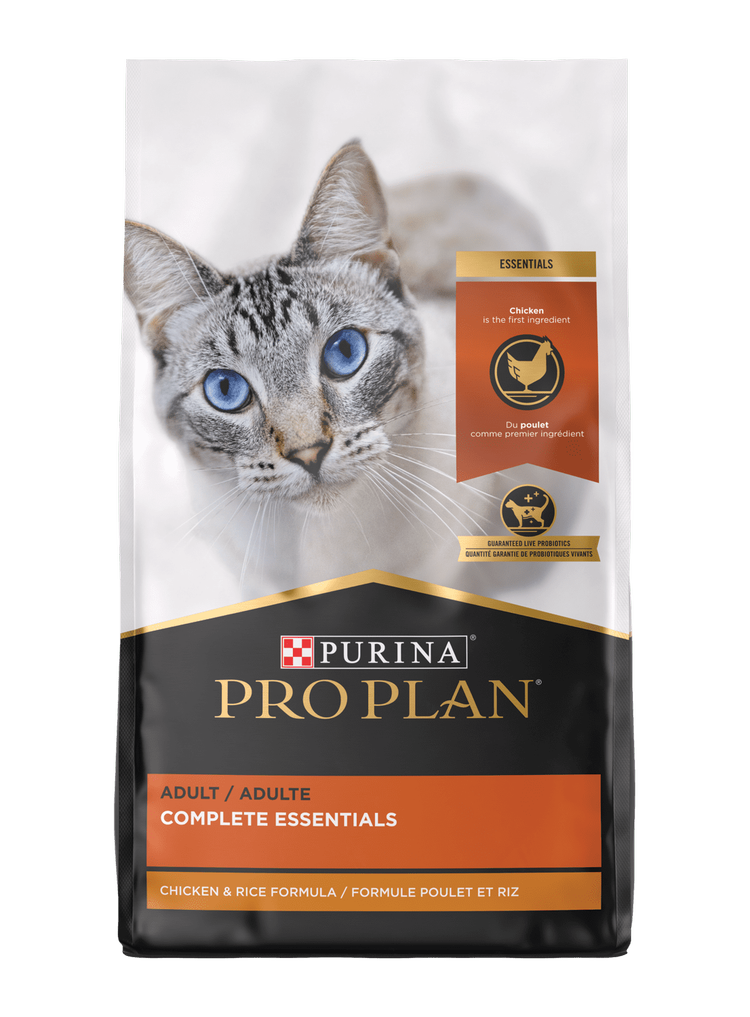
Your adult cat’s food should have high-quality animal protein like chicken, fish, or beef. Look for labels that list real meat as the first ingredient. Have you checked your cat’s food recently to see where protein ranks in the ingredients?
Energy Levels
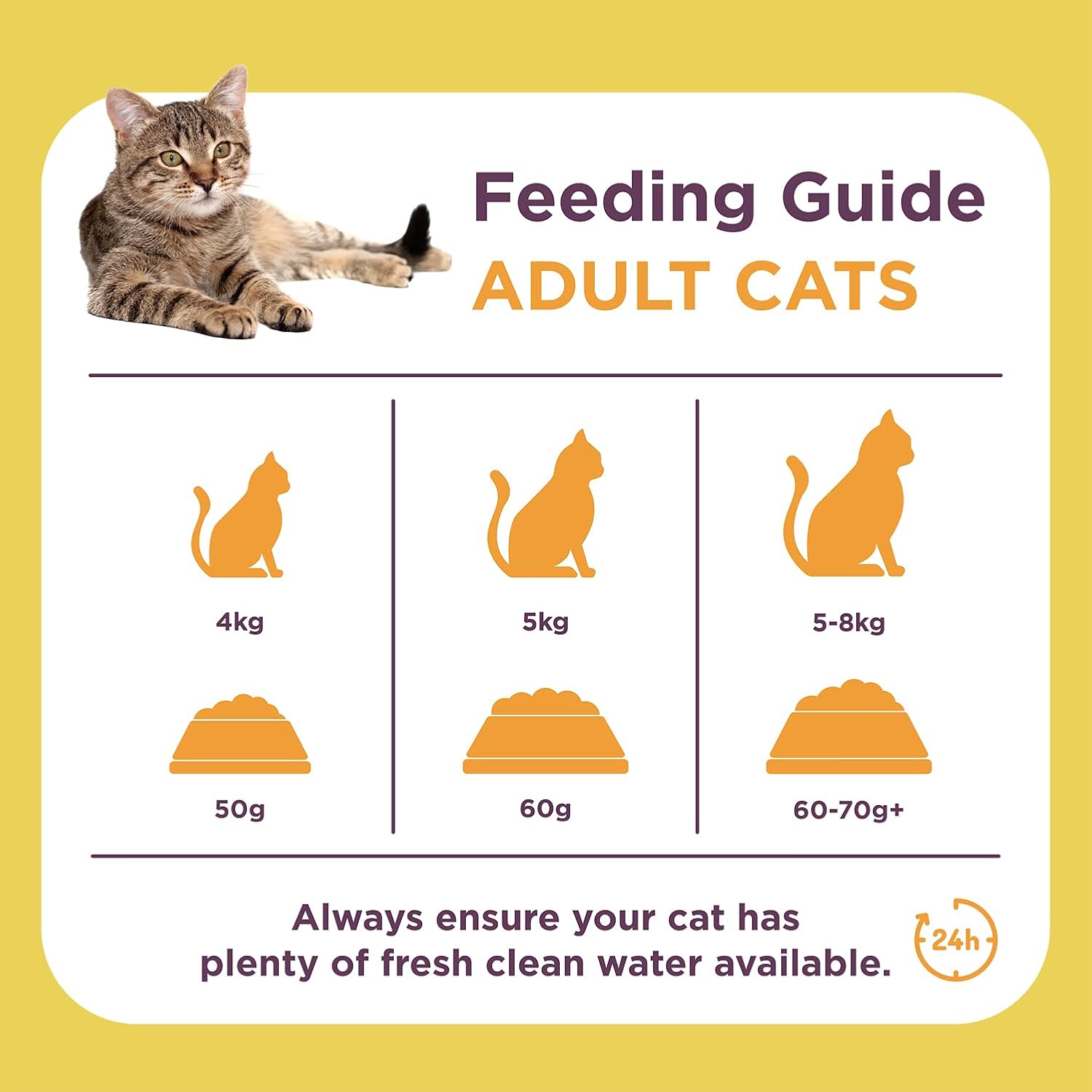
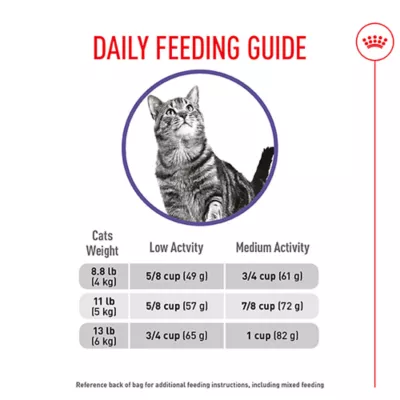
Adult cats have lower energy needs than kittens because they aren’t growing rapidly anymore. Their calorie intake should match their activity level to avoid weight gain or loss. Overfeeding can lead to obesity, which causes health problems down the road.
- Active cats may need more calories than indoor or less active ones.
- Watch your cat’s weight and adjust portions accordingly.
- Feeding adult food formulated for their lifestyle helps maintain proper energy balance.
Essential Vitamins And Minerals
Vitamins and minerals keep your cat’s body running smoothly. Nutrients like taurine, vitamin A, and calcium are crucial for heart health, vision, and bone strength. Adult cat foods are specially designed to provide these in the right amounts.
It’s tempting to give your cat treats or supplements, but adult food usually covers their nutritional needs well. Do you know what vitamins are in your cat’s food? Checking the label can help you understand if they’re getting everything they need.
Credit: www.petsmart.com
Choosing The Right Adult Food
Choosing the right adult food for your cat is important for their health and happiness. Adult cats have different nutritional needs than kittens. Their food should support steady energy and maintain a healthy weight. Quality ingredients and proper diet help avoid health problems.
Wet Vs Dry Food
Wet food contains more water, which helps keep cats hydrated. It often has a stronger smell and taste, appealing to picky eaters. Dry food is easier to store and can help keep teeth clean. Some cats prefer one type over the other. A mix of both can offer balance and variety.
Ingredient Quality
Look for foods with real meat listed as the first ingredient. Avoid foods with too many fillers like corn or wheat. Healthy fats and proteins support muscle and coat health. Vitamins and minerals keep the immune system strong. High-quality ingredients improve digestion and energy levels.
Special Dietary Needs
Some cats need special diets due to allergies or health issues. Cats with kidney problems may need lower protein food. Overweight cats benefit from weight control formulas. Talk to a vet about any special health needs. Tailoring food to your cat ensures better care and well-being.
Transitioning To Adult Diet
Cats usually switch to adult food around one year old. Changing gradually helps avoid stomach upset. Watch your cat’s growth and health for the best timing.
Transitioning to Adult Diet Deciding when to transition your cat from kitten food to adult cat food can be a crucial step for their health. Typically, cats are ready to make this change around their first birthday. However, larger breeds like Maine Coons may need more time. It’s essential to monitor their growth and consult with your vet to tailor the timing to your cat’s specific needs. Let’s explore how you can make this transition smooth and healthy for your furry friend.Gradual Food Changes
Switching your cat’s diet should be a gradual process. Sudden changes can lead to digestive issues and stress for your cat. Start by mixing a small amount of adult food with their usual kitten food. Gradually increase the proportion of adult food over a week or two. This slow transition helps your cat’s digestive system adapt without causing discomfort. Have you noticed how your cat reacts to new foods?Monitoring Health
Keep a close eye on your cat’s health during the transition. Look for changes in energy levels, coat condition, and overall demeanor. If your cat seems lethargic or unwell, it might be a sign that the new diet isn’t agreeing with them. Regular vet check-ups can provide reassurance that your cat is thriving on their new diet. How does your cat’s behavior inform your feeding choices?Avoiding Digestive Issues
Digestive issues can be a common concern during diet transitions. To minimize the risk, ensure you’re feeding the right portion sizes and sticking to the gradual introduction of new food. Monitor your cat’s litter box habits for any signs of digestive upset. If you notice persistent issues, it may be worth consulting your vet. What steps do you take to prevent digestive problems in your cat?Common Feeding Mistakes
Feeding your cat adult food at the right time is crucial, but many pet owners stumble over common feeding mistakes. These errors can affect your cat’s health and well-being more than you might expect. Understanding what to avoid helps you provide the best nutrition for your furry friend.
Overfeeding Risks
Giving your cat too much food can quickly lead to obesity, which increases the risk of diabetes and joint problems. Cats often don’t regulate their intake well when free-fed, so portion control is key. Have you noticed your cat gaining weight despite a consistent diet? It might be time to measure meals instead of guessing.
Overfeeding also causes digestive upset, like vomiting or diarrhea, especially if you suddenly switch to adult food in large amounts. Gradual transitions and appropriate portion sizes can prevent these issues.
Ignoring Age Signs
Cats show subtle signs when they’re ready to switch from kitten to adult food. Ignoring these cues can either starve them of necessary nutrients or overload them with calories. Look for changes in activity level, weight, and dental development to guide your timing.
For example, a cat still growing rapidly needs kitten food, which is richer in protein and fat. Feeding adult food too early can stunt growth. Have you checked your cat’s growth milestones lately?
Using Inappropriate Foods
Not all cat foods labeled “adult” suit every cat. Some contain fillers or ingredients your cat might not tolerate well, leading to allergies or poor digestion. Reading labels carefully and choosing high-quality brands tailored to your cat’s health needs makes a big difference.
Avoid feeding dogs’ food or homemade meals without veterinary advice—they often lack essential nutrients cats require. What’s in your cat’s bowl today? Ensuring the right food type supports longevity and vitality.
Consulting Professionals
Knowing the right time to switch your cat to adult food is important. Consulting professionals ensures your cat’s diet fits its health and age. Veterinarians provide guidance based on your cat’s unique needs. Their advice helps avoid nutrition problems and supports healthy growth.
Regular Vet Checkups
Schedule regular vet visits for your cat’s health. Vets check weight, teeth, and overall condition. These checkups reveal if your cat is ready for adult food. They help catch health issues early. Your vet can suggest the best food type and timing.
Diet Adjustments
Vets can recommend diet changes based on your cat’s growth. Not all cats mature at the same pace. Some need more protein or fewer calories. Professionals tailor feeding plans to keep your cat healthy. They also advise on portion sizes and feeding frequency.
Handling Special Health Conditions
Cats with health problems need special diets. Conditions like kidney disease or allergies require careful food choices. Vets create feeding plans that support treatment and recovery. They help you avoid foods that can worsen health issues. Professional advice protects your cat’s well-being and comfort.
Frequently Asked Questions
When Should I Switch My Kitten To Adult Cat Food?
You should switch your kitten to adult cat food at 12 months old. This age marks maturity and different nutritional needs. Adult food supports a healthy weight and balanced diet for grown cats.
Why Is Feeding Adult Cat Food Important?
Adult cat food meets the specific nutrient requirements of mature cats. It helps maintain optimal health, energy levels, and prevents obesity. Feeding appropriate food supports longevity and overall well-being.
Can I Feed My Cat Adult Food Before One Year?
It’s not recommended to feed adult food before one year. Kittens need more protein, calories, and vitamins for growth. Premature switching may cause nutritional deficiencies and affect development.
How To Transition Cats To Adult Food Smoothly?
Transition gradually over 7-10 days by mixing adult food with kitten food. Increase adult food portion daily while decreasing kitten food. This avoids digestive upset and helps cats adjust to new taste and texture.
Conclusion
Feeding your cat adult food at the right time helps keep them healthy. Most cats switch to adult food around one year old. Watch your cat’s growth and energy to decide. Choose food that meets their needs and tastes good.
Regular check-ups can guide your feeding choices. Healthy eating supports a happy, active cat. Remember, every cat is different. Trust your care and love for your pet. Simple steps lead to a strong, thriving feline friend.


Leave a Reply