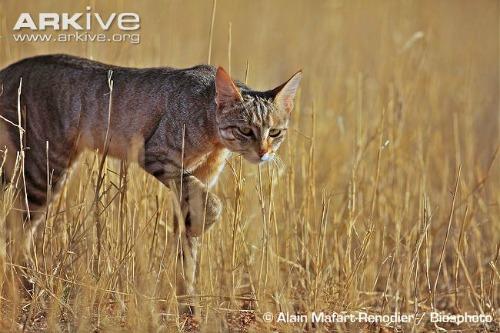
Have you ever noticed how some cats seem to have legs that look longer than usual, especially their back legs? It’s not just a trick of the eye—certain breeds actually have longer back legs, which give them unique shapes and special abilities.
If you’ve ever wondered which cats stand out because of this feature, you’re about to discover exactly that. Understanding these breeds can help you appreciate their agility, playfulness, and charm even more. Keep reading to find out which cats have long back legs and why it matters to you and your feline friend.
Traits Of Cats With Long Back Legs
Cats with long back legs have unique traits that set them apart. These traits affect their looks, movement, and behavior. Understanding these traits helps appreciate their special abilities and characteristics.
Physical Features
Long back legs make cats appear tall and slender. Their hind legs are noticeably longer than the front legs. This creates a slight slope from the shoulders to the hips. Muscles in the legs are strong and well-defined. Their paws are often large, aiding in balance and grip. Some breeds also have a longer tail to help with stability.
Benefits Of Long Legs
- Improved jumping ability for reaching high places.
- Greater speed and agility for chasing prey or toys.
- Enhanced balance during quick turns and climbs.
- Better stride length, allowing efficient movement.
Behavioral Adaptations
Cats with long back legs tend to be more active and playful. They enjoy climbing and jumping onto furniture or shelves. These cats often show strong hunting instincts due to their agility. They may prefer open spaces to run and explore. Their body shape encourages frequent stretching and leaping during playtime.

Credit: en.wikipedia.org
Savannah Cat
The Savannah Cat stands out with its striking appearance and athletic build. Known for its long back legs, this breed catches the eye not just for looks but also for its unique physical capabilities. If you’ve ever wondered why Savannah Cats seem to have a graceful and powerful stride, understanding their leg structure and background gives you a clearer picture.
Origin And Background
The Savannah Cat is a hybrid breed, created by crossing a domestic cat with the wild African Serval. This cross brings in wild genes that influence its physical traits, including the long legs. The breed first appeared in the late 1980s, aiming to combine wild beauty with domestic temperament.
Breeders focused on preserving the Serval’s elegance and agility, which is why Savannah Cats look so tall and lean. Have you noticed how some cats seem more like mini-cheetahs? That wild heritage plays a big role.
Leg Structure And Function
Savannah Cats have notably long back legs, often longer than their front legs. This gives them an almost “spring-loaded” look, ready to jump or sprint at any moment. The length and muscle strength in their legs allow for incredible vertical leaps—sometimes up to 8 feet!
This leg structure is not just for show. It helps Savannah Cats excel at climbing, running, and pouncing. If you want a cat that’s active and agile, their leg design supports a highly energetic lifestyle. How often do you see a cat jump straight onto a high shelf without hesitation?
Temperament And Activity
Savannah Cats are known for their high energy and playful nature. Their long legs contribute to their constant need for movement and exploration. You’ll find them running around, chasing toys, or even playing fetch.
They require plenty of physical and mental stimulation to stay happy. Their leg strength and stamina mean they aren’t suited for a sedentary lifestyle. If you’re ready to keep up with a cat that loves activity, the Savannah might be a perfect fit.
Oriental Longhair
Oriental Longhairs have long back legs that give them a sleek, graceful look. These cats are agile jumpers and runners, thanks to their strong limbs. Their body shape helps them move quickly and easily.
The Oriental Longhair is a captivating breed. Known for its sleek elegance, this cat catches the eye. With its long, graceful legs, the Oriental Longhair stands out. This breed offers a unique blend of beauty and agility.Appearance And Build
The Oriental Longhair has a slender, elongated body. Its long back legs enhance its elegant silhouette. The fur is silky and flows smoothly. Ears are large, adding to its distinguished look. Eyes are almond-shaped, giving an inquisitive expression.Movement And Agility
These cats move with grace and speed. Their long back legs allow for high jumps. Agility is a natural trait. This breed can swiftly navigate any space. They love to climb and explore.Personality Highlights
Oriental Longhairs are social and affectionate. They enjoy human interaction and are very vocal. They form strong bonds with their families. These cats are curious and intelligent. A playful nature keeps them engaged and active.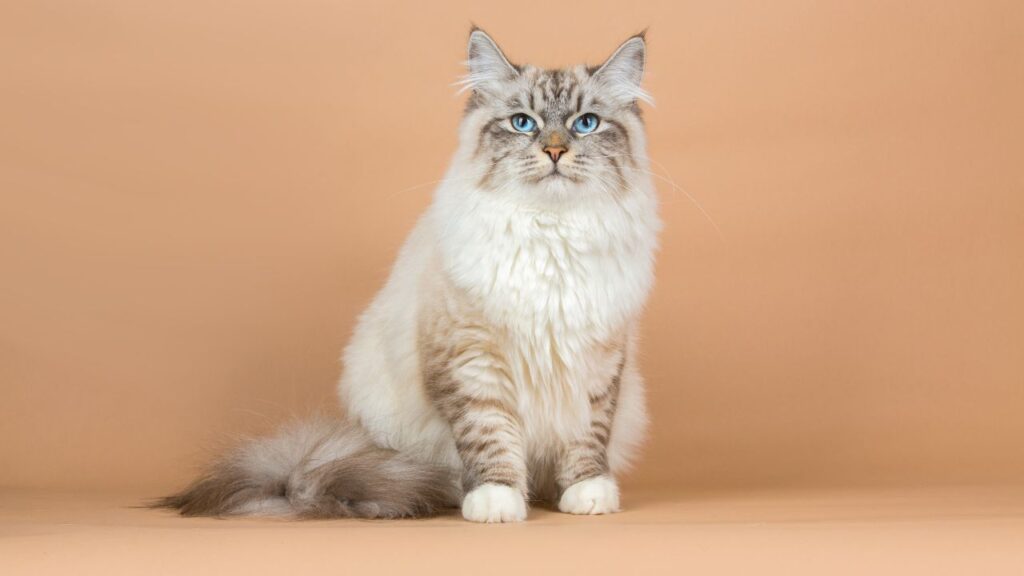
Credit: worldanimalfoundation.org
Turkish Angora
The Turkish Angora is an elegant and graceful cat breed. Known for its silky coat and bright eyes, it stands out with its unique body shape. This breed often shows longer back legs, giving it a poised and agile look. Its slim frame enhances the length of its limbs. These features make the Turkish Angora a favorite among cat lovers who admire beauty and agility combined.
Distinctive Features
The Turkish Angora has a soft, medium-length coat that feels like silk. Its fur comes in many colors, but white is the most common. The eyes can be blue, green, amber, or even odd-eyed. The face is wedge-shaped with large, pointed ears. This breed has a fine bone structure and a long, slender tail. All these traits create an elegant and balanced appearance.
Leg Proportions
The Turkish Angora’s back legs are noticeably longer than its front legs. This gives the cat a slight upward slope from front to back. The legs are thin but strong, supporting quick and graceful movements. The long limbs help the cat jump high and run fast. This leg structure is one of the breed’s most defining physical traits.
Energy And Playfulness
Turkish Angoras are very active and playful cats. They enjoy climbing and exploring high places. Their long legs help them leap with ease and agility. These cats love to chase toys and interact with their owners. Their lively nature makes them great companions for active households. Their energy matches their graceful and athletic body.
Ocicat
The Ocicat is a striking cat breed known for its wild appearance and athletic build. It looks like a miniature wild cat but has no wild blood. This breed combines the beauty of spotted coats with a friendly, playful nature. The Ocicat’s long back legs give it a graceful and agile stance. It moves with ease and speed, which adds to its charm and appeal.
Breed History
The Ocicat was created in the 1960s by crossing Siamese, Abyssinian, and American Shorthair cats. Breeders wanted a domestic cat that looked like a wild ocelot. The breed quickly gained popularity for its unique spotted coat and lively personality. It is one of the few breeds that resemble wild cats without any wild ancestors.
Leg Length And Strength
Ocicats have noticeably long back legs compared to their front legs. This gives them a slightly elevated rear, enhancing their sleek, muscular look. Their strong legs help them jump high and run fast. This physical trait supports their energetic nature and love for play. The long legs also contribute to their balanced and agile movements.
Social Traits
Ocicats are very social and outgoing. They enjoy being around people and other pets. These cats are playful and curious, often following their owners around. They communicate with soft meows and body language. Their friendly nature makes them great companions for families and active households.
Abyssinian
The Abyssinian cat is one of the oldest known breeds. It has a unique, elegant look that many cat lovers admire. This breed is famous for its sleek body and lively personality. Abyssinians are active and curious cats that enjoy exploring their surroundings.
Physical Characteristics
Abyssinians have a medium-sized, slender body. Their coat is short and fine, with a warm, reddish-brown color called “ticked tabby.” Their eyes are large and almond-shaped, often gold or green. Their ears are pointed and alert, adding to their expressive face.
Legs And Speed
Abyssinians have long, slim legs that help them move quickly. Their back legs are slightly longer than the front ones. This gives them great jumping ability and speed. They can leap high and run fast to catch toys or climb furniture.
Behavior Patterns
Abyssinians are very playful and energetic. They love to stay busy with puzzles and games. These cats enjoy attention but do not demand it constantly. They are smart and learn tricks easily. Abyssinians also bond closely with their owners and enjoy being part of family activities.
Impact Of Long Legs On Cat Health
Long back legs are a distinctive feature in certain cat breeds, shaping not only their appearance but also their health. These elongated limbs influence how cats move, exercise, and sometimes even the kind of medical issues they may face. Understanding the impact of long legs on cat health helps you provide better care and anticipate any special needs your feline friend might have.
Joint Health
Cats with long back legs often put extra pressure on their joints, especially the hips and knees. This can lead to conditions like arthritis earlier than in cats with shorter legs. You might notice your cat becoming less playful or hesitant to jump—signs that joint discomfort is affecting their quality of life.
Regular vet check-ups and supplements like glucosamine can support joint health. Watching your cat’s movement closely can help catch problems early. Have you seen your cat stretching or limping more than usual?
Exercise Needs
Long-legged cats are usually built for jumping and running, so they need plenty of physical activity to stay healthy. Without enough exercise, they might develop muscle weakness or gain weight, which adds strain to their legs. Encouraging play with toys that mimic prey can keep them active and engaged.
Try setting up vertical spaces like cat trees or shelves—these help satisfy their natural urge to climb and leap. How often does your cat get a good workout during the day? Your cat’s long legs are a gift for agility, but only if they get to use them.
Potential Risks
While long legs offer speed and grace, they can also increase the risk of injuries. Cats may be more prone to sprains, fractures, or ligament tears if they land awkwardly from a high jump. It’s important to create a safe environment with soft landing spots and avoid slippery floors.
Breeds like the Oriental Longhair or the Siamese often have these long legs and may be more vulnerable to such injuries. Have you noticed your cat’s jumping style? Sometimes a small change in how they move can prevent bigger health issues later on.

Credit: felinefancy.co.uk
Choosing A Cat With Long Legs
Choosing a cat with long legs means understanding their unique traits and needs. Cats with longer legs often move gracefully and may enjoy jumping and climbing. Their build affects how they live and what kind of care they require. It is important to consider lifestyle, care, and space before bringing one home.
Lifestyle Compatibility
Long-legged cats tend to be active and playful. They enjoy running and exploring high places. These cats fit well in homes with enough room to roam. Families with children or other pets can match their energy. Quiet or small spaces may not suit their needs. Consider your daily routine and activity level.
Care Requirements
Long-legged cats need regular exercise to stay healthy. Their joints and muscles require attention to avoid injury. Grooming needs vary by breed, but some may need more brushing. Diet should support their active lifestyle and lean body. Regular vet visits help catch any health issues early.
Space Considerations
Space is key for long-legged cats. They use vertical and horizontal areas to move freely. Tall cat trees and shelves provide good climbing spots. Open floor space allows them to run and play safely. Small apartments may limit their natural behavior. Plan your home layout to keep your cat happy.
Frequently Asked Questions
What Cat Breeds Have Long Back Legs?
Breeds like the Siamese, Oriental Shorthair, and Bengal have notably long back legs. These legs aid their agility and speed. Their slender, elongated limbs distinguish them from other cats.
Why Do Some Cats Have Longer Back Legs?
Long back legs help cats jump higher and run faster. This trait is often a result of selective breeding for agility and hunting skills. It enhances their balance and overall mobility.
Are Long Back Legs Common In Wild Cats?
Yes, many wild cats like the caracal and serval have long back legs. These legs help them leap and catch prey efficiently. It’s an evolutionary adaptation for survival.
How Do Long Back Legs Affect A Cat’s Movement?
Long back legs improve a cat’s jumping and sprinting ability. They provide extra power and flexibility. This makes cats with such legs excellent hunters and climbers.
Conclusion
Cats with long back legs have unique looks and great agility. Breeds like the Siamese and Maine Coon show these traits well. These legs help them jump high and run fast. Knowing about these breeds can help you understand their behavior better.
Each breed has its own charm and needs. Choose a cat that fits your lifestyle and home. Enjoy watching their graceful moves every day. Long-legged cats bring energy and fun to any household.


Leave a Reply