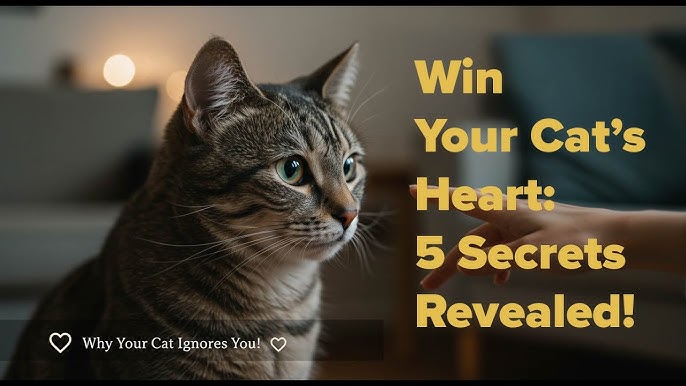
Have you noticed your cat ignoring toys that once made them pounce with excitement? It can be puzzling and even a little worrying when your playful companion suddenly loses interest.
You might wonder if something is wrong or if you’re doing something wrong. Understanding why your cat doesn’t play with toys anymore can help you reconnect and bring back that joyful spark. Keep reading to discover the surprising reasons behind this change and simple ways you can encourage your cat to play again.
Changes In Cat Behavior
Cats change their behavior as time passes. These changes can affect how much they want to play. Understanding these shifts helps owners care better for their pets. Play is a sign of a happy and healthy cat. But, changes in play habits may signal deeper issues.
Age And Activity Levels
Young cats are full of energy and curiosity. They love chasing toys and exploring. Older cats slow down and prefer rest over play. Their muscles and joints may feel stiffer. This natural aging process reduces their activity levels. Expect less play from senior cats. Adjust playtime to match their pace and comfort.
Health Issues Impacting Play
Health problems can stop a cat from playing. Pain or discomfort makes play less fun. Common issues include arthritis, dental pain, or infections. Cats may hide their pain, showing less interest in toys. Regular vet visits catch these problems early. Treating health issues can bring back a cat’s playful side. Watch for signs like limping or hiding.
Stress And Anxiety Factors
Stress affects cats deeply. Changes at home can upset their routine. New pets, loud noises, or moving cause anxiety. Stressed cats may stop playing and become withdrawn. They need time and calm to adjust. Creating a safe space helps them feel secure. Using calming sprays or pheromones can ease anxiety. Patience is key to restoring playful behavior.
Toy Preferences And Boredom
Cats, like people, have their own toy preferences that can change over time. What thrilled your feline friend last month might now seem dull and uninteresting. Understanding how boredom and shifting tastes affect your cat’s playtime can help you bring back the fun and keep them engaged.
Loss Of Interest In Old Toys
Your cat might stop playing with toys they once loved simply because those toys no longer excite them. Cats are curious creatures, and if a toy doesn’t offer new challenges or sensations, it quickly becomes boring. Have you noticed your cat ignoring a favorite mouse or ball? It might be time to retire those toys for a while.
The Need For New Stimuli
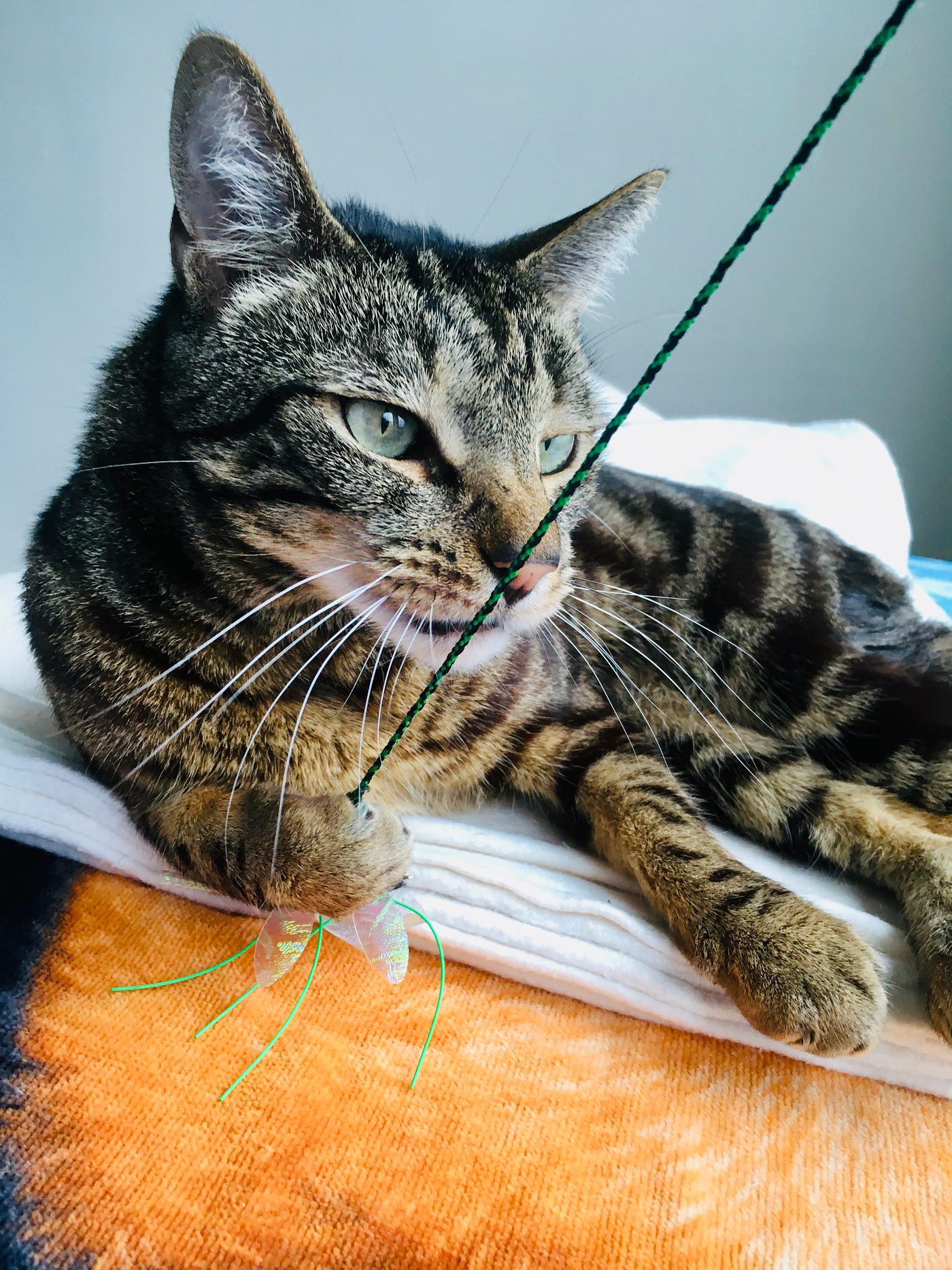
Introducing new toys is essential to keep your cat mentally and physically active. Different textures, sounds, and movements can reignite their interest. Think about swapping a plain ball for a crinkly one or adding a feather wand that moves unpredictably. What new toy can you add today to spark your cat’s curiosity?
Interactive Vs. Passive Toys
Not all toys are created equal—some require your involvement, while others entertain your cat on their own. Interactive toys, like laser pointers or puzzle feeders, encourage your cat to think and move. Passive toys, such as stuffed mice, might not hold their attention for long. Have you tried playing together with your cat using interactive toys to boost their enthusiasm?
Environmental Influences
Changes in your cat’s environment can affect its interest in toys. Loud noises, new pets, or moving furniture may cause stress and reduce playfulness. A quiet, safe space often helps cats feel comfortable and more willing to play again.
Understanding why your cat might lose interest in toys can be a bit puzzling. Environmental influences play a significant role in your cat’s behavior and engagement levels. By examining the changes around them, you can uncover reasons behind their sudden disinterest.Household Changes
Cats thrive on routine and familiarity. Any change in the household, like moving to a new home or rearranging furniture, can unsettle them. When I moved apartments, my cat Simba stopped playing with his favorite feather toy. It was only after I set up a space similar to our old one that he started playing again.Lack Of Playtime Opportunities
Sometimes, life gets busy, and playtime takes a backseat. If your cat isn’t presented with regular opportunities to play, they might stop showing interest in their toys. Offer a variety of toys at different times. Rotate them weekly to keep things fresh and exciting.Impact Of Other Pets
Adding a new pet can change the dynamics significantly. Your cat might feel intimidated or distracted, losing interest in toys. When I adopted a puppy, my cat initially stopped playing. Gradually, by creating separate play zones, both pets found their own comfort space and routines. Reflect on any changes in your cat’s environment. Could any of these factors be affecting their play habits? Observing and adjusting their surroundings might just rekindle their playful spirit.
Credit: medium.com
Encouraging Play Again
Encouraging your cat to play again takes patience and creativity. Cats can lose interest in toys for many reasons. They might feel bored, tired, or stressed. Changing their environment or routine can help bring back their playful side. Small steps can lead to big changes in their behavior. Here are simple ways to make playtime fun again.
Introducing New Toys
New toys catch a cat’s attention quickly. Different shapes, colors, and sounds can excite them. Try toys that mimic prey, like feathers or small balls. Rotating toys keeps them fresh and interesting. Avoid leaving all toys out at once. Give your cat one or two at a time. This makes each toy feel special.
Creating Playful Routines
Cats love routine and predictability. Set specific times for play each day. Short sessions work best, about 10 to 15 minutes. Use the same toys during playtime. This builds a habit and creates excitement. Play before meals to make it more rewarding. Consistency helps your cat expect and enjoy play.
Using Treats And Rewards
Treats encourage your cat to join in play. Use small, tasty treats as rewards. Praise your cat with gentle petting or soft words. Reward them when they chase or pounce on toys. This positive feedback makes play fun and rewarding. Avoid overfeeding treats to keep your cat healthy.
When To Consult A Vet
Noticing your cat no longer plays with toys can be worrying. Sometimes, this change signals health or emotional issues. Knowing when to consult a vet can help your cat return to its playful self quickly. Early vet visits catch problems before they worsen. Watch for signs that need professional attention.
Identifying Medical Concerns
Loss of interest in toys may mean pain or illness. Cats hide pain well, so look for subtle signs. These include:
- Decreased appetite or weight loss
- Lethargy or less movement
- Changes in grooming habits
- Hiding or unusual aggression
These signs suggest a vet checkup is necessary. Common issues include arthritis, dental problems, or infections. A vet can perform exams and tests to find causes.
Behavioral Assessments
Sometimes, changes in play come from stress or anxiety. Moving, loud noises, or new pets can upset your cat. A vet can assess your cat’s behavior and environment. They help identify triggers and suggest coping strategies.
Behavioral problems may also come from boredom or lack of stimulation. The vet might recommend new toys or routines to encourage play.
Treatment Options
After diagnosis, a vet will suggest the best treatment. This could include:
- Medications for pain or infections
- Diet changes for health support
- Behavioral therapy or environmental changes
- Physical therapy or supplements for joint issues
Following the vet’s advice improves your cat’s well-being. Treatment often restores their interest in toys and play.
:strip_icc()/GettyImages-475355341-7acb7b34374e4afa94e9a3006389080a.jpg)
Credit: www.thesprucepets.com
Credit: medium.com
Frequently Asked Questions
Why Did My Cat Suddenly Stop Playing With Toys?
Cats may stop playing due to boredom, stress, or health issues. Aging and lack of stimulation also reduce their interest. Regular vet checkups and introducing new toys can help re-engage your cat’s playful nature.
Can Health Problems Cause A Cat To Stop Playing?
Yes, health issues like arthritis, dental pain, or illness can reduce playfulness. If your cat suddenly loses interest, consult a vet to rule out medical causes.
How Can I Make My Cat Interested In Toys Again?
Try rotating toys, using interactive play, or introducing new textures and sounds. Play sessions should be short, fun, and stimulating to reignite your cat’s interest.
Does Aging Affect A Cat’s Play Behavior?
Older cats often have less energy and may play less. Adjust playtime intensity and offer softer, quieter toys to match their activity level.
Conclusion
Cats may stop playing for many reasons. Age, health, or boredom can change their behavior. Watching your cat closely helps you understand their needs. Try new toys or more playtime to spark interest. Sometimes, a vet visit is needed for health checks.
Remember, patience and love help your cat feel happy again. Keep exploring ways to make playtime fun. Your cat’s happiness is worth the effort.


Leave a Reply